Re.Bag.Re.Use is a community project in Hout Bay that turns plastic bags into beautiful handmade items like bags and placemats. Led by Regine le Roux, it helps local women earn money while cleaning up plastic pollution. By cutting and crocheting plastic “plarn,” these women create colorful, useful products that tell a story of hope and creativity. This project shows how trash can become treasure when people work together with skill and heart.
What is Re.Bag.Re.Use and how does it transform plastic waste in Hout Bay?
Re.Bag.Re.Use is a grassroots social enterprise in Hout Bay that transforms discarded plastic bags into handcrafted products like handbags and placemats. It empowers local women, reduces plastic pollution, and creates sustainable income through upcycling, community collaboration, and artisanal craftsmanship.
Seeds of Innovation in a Challenged Community
At the core of Hout Bay, where the Atlantic’s waves crash against mountains rising with unwavering strength, something remarkable is happening. In a place that often finds itself in headlines for hardship, creativity is quietly flourishing. Spearheaded by Regine le Roux, Re.Bag.Re.Use is a grassroots movement that challenges the notion of what waste can be, transforming discarded plastic bags into functional art pieces that surprise with both purpose and beauty.
This transformation grew from the troubling days of the Covid-19 lockdowns. During that period of global uncertainty, Le Roux saw how the pandemic amplified both isolation and the accumulation of waste, particularly plastic bags littering the community. With streets and doorways overflowing with plastic—a symbol of consumption and carelessness—Le Roux identified not only a glaring problem but a chance for positive change. She wondered: could this seemingly useless material spark economic opportunity and dignity for local women?
Out of this insight, Re.Bag.Re.Use took shape. The group devised a straightforward yet clever process for reviving old plastic bags—especially the ubiquitous, brightly colored bread bags found across South Africa. Volunteers and artisans gathered these plastics, took time to wash and dry them, then cut them into thin strips. This material, known as “plarn” (a blend of “plastic” and “yarn”), becomes the foundation for crafting everything from handbags to placemats. With just ten bread bags, crafters make a ball of plarn; with one hundred, they crochet a sturdy and vibrant accessory.
Crafting Community, Celebrating Skill
The project’s ingenuity harks back to the Arts and Crafts movement, where the lines between art and daily utility blurred, and handwork took center stage. Every Re.Bag.Re.Use creation—be it a sun hat or a footstool—bears the unique touch of its maker. Crochet hooks become both practical tools and emblems, connecting the artisans to a historical lineage of craftsmanship and to current ambitions for sustainability and empowerment.
Le Roux’s ambitions go beyond addressing environmental issues. She has built a platform for twenty-one women from Imizamo Yethu and other Cape Town communities, granting them the ability to earn an income on their own terms. Unlike impersonal factory work, each woman creates from her home, fitting crafting into her family life. As soon as she finishes a product, she receives immediate payment, ensuring prompt recognition for her labor and reinforcing her financial independence. Finished items are labeled, cataloged, and then sold online, at seasonal craft markets, and in local shops such as The Collective in Hout Bay, demonstrating a blend of community-driven passion and entrepreneurial spirit.
The journey for many artisans started with small steps. Take Mejury Kazingizi, who joined Re.Bag.Re.Use about two years ago. Her first role involved cutting plastic bags, not crocheting. At first, the skill required for crochet—its tight loops and precise timing—seemed daunting. But with patience and practice, her uncertainty gave way to expertise. Today, she can finish a bag in a matter of hours, guiding plarn through her fingers with confidence. Seeing her products out in the world brings a deep sense of accomplishment, highlighting how determination and opportunity can turn waste into something meaningful.
Tradition Meets Innovation: Sustainability and Social Enterprise
The philosophy of repurposing is not new. History offers many examples of societies that found beauty and worth in what others discarded. The Dada artists of the early 1900s, for example, made statements by turning scraps into powerful artwork. The Japanese have long practiced “mottainai,” a principle rooted in the regret of waste and the pursuit of creative reuse. Re.Bag.Re.Use draws on these legacies, blending practicality with a drive for aesthetic value.
Their environmental achievements are impressive. Over the past four years, the collective has kept more than a metric tonne of plastic out of landfills and natural environments—a mass Le Roux whimsically compares to “eight baby elephants.” Plastics that might otherwise have clogged gutters or washed into the sea now enjoy second lives as durable, attractive products. The model’s influence has even expanded beyond Hout Bay, reaching as far as Koedoespoort in Pretoria, suggesting that similar communities could adopt and benefit from the approach.
Re.Bag.Re.Use thrives on a collaborative model. Blue Ribbon, a major bread supplier, donates most of the plastic bags, but neighbors and community members pitch in as well. The system is inclusive; Le Roux welcomes any clean, soft plastic, inviting everyone to participate. Each bag donated is a small but vital part of a larger tapestry of collective responsibility, reinforcing that environmental action works best when everyone feels involved.
Weaving Hope, Impact, and Artistry
The impact of Re.Bag.Re.Use extends well beyond environmental stewardship. Every sale not only supports the artisans but also aids local causes. A share of profits goes to the Neighbourhood Old Age Home and the SPCA animal rescue, uniting economic, environmental, and humanitarian goals. This holistic approach embodies the ideals of modern social enterprise, where solutions to pressing problems blend across traditional boundaries.
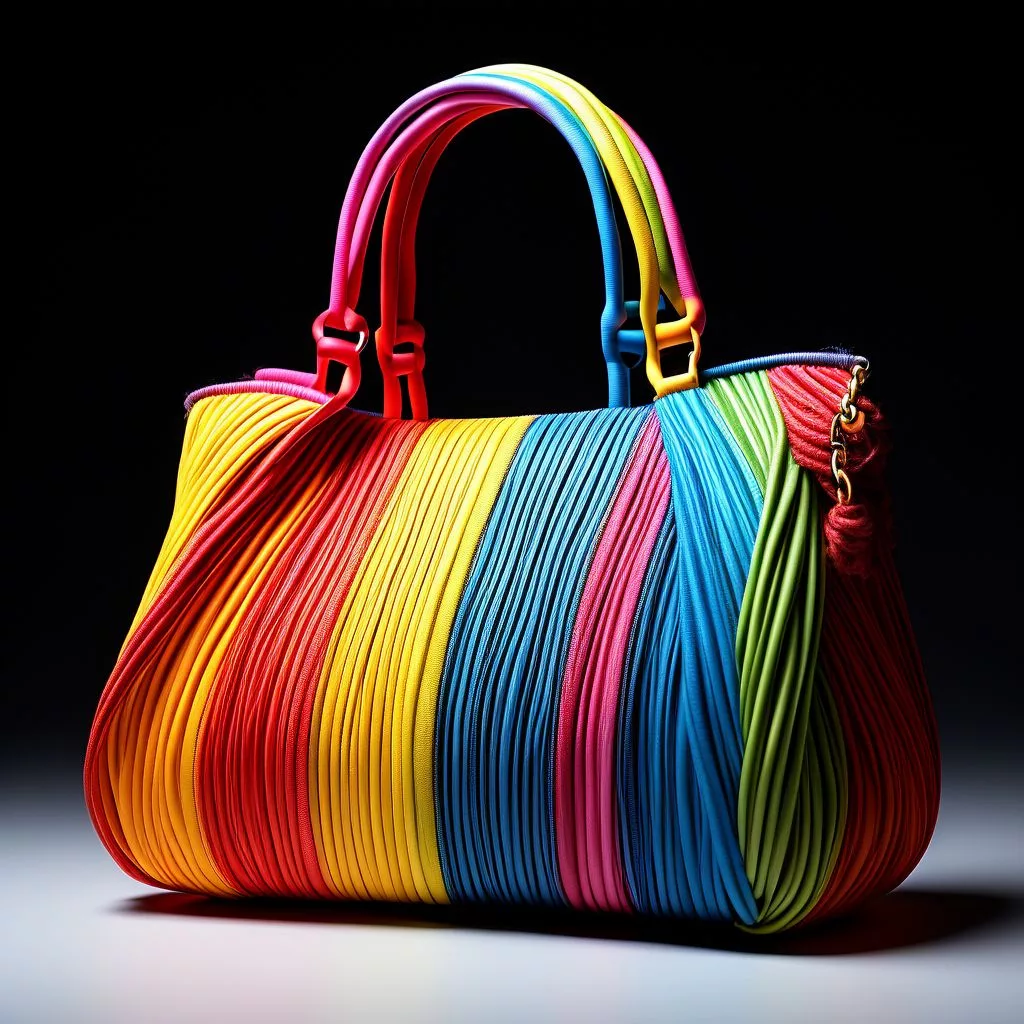
Visually, the products of Re.Bag.Re.Use capture the imagination. Shoppers encounter flashes of color, unexpected textures, and a distinct sense of joy in each piece. At craft markets and artisan shops, these bags and accessories don’t just serve as practical items—they serve as visual stories, symbols of hope, and reminders of resilience. Carrying one is more than a fashion choice; it’s an act of support for a movement that values care and resourcefulness.
Recognition for the initiative has flowed in through various awards, but for Le Roux and the artisans, fulfillment comes from the daily rhythm of creation. Living rooms and kitchens transform into lively workshops, filled with the hum of conversation and the steady movement of crochet hooks. Through this process, function and art merge seamlessly, echoing both Bauhaus ideals and recent trends in upcycling—a creative stand against the culture of disposability.
A Model for the Future: Local Roots, Global Resonance
Though deeply rooted in Cape Town, the message and methods of Re.Bag.Re.Use reach much farther. The project demonstrates that even in challenging circumstances, communities possess the power to rewrite their narratives. With a combination of ingenuity, teamwork, and vision, what was once seen as worthless garbage now finds new purpose and value.
The journey continues for the women of Re.Bag.Re.Use. With every plastic bag they collect, cut, and transform, they build a future that honors both people and the planet. Their work serves as a powerful invitation: through collective action and creativity, any community can discover hidden potential in the most unlikely materials. The humble plastic bag—often a symbol of excess and waste—becomes, in their hands, a testament to hope, perseverance, and the possibility of meaningful change.
What is Re.Bag.Re.Use and how does it work?
Re.Bag.Re.Use is a community-driven social enterprise based in Hout Bay, South Africa, that transforms discarded plastic bags into beautiful, handmade products such as handbags and placemats. The process involves collecting, washing, drying, and cutting plastic bags into thin strips called “plarn” (plastic yarn), which local women then crochet into durable, colorful items. This initiative not only reduces plastic pollution but also empowers women by providing sustainable income opportunities.
Who leads Re.Bag.Re.Use and who benefits from it?
The project is led by Regine le Roux and currently supports twenty-one women from Imizamo Yethu and other Cape Town communities. These women craft products from home, allowing them to balance work with family life. They receive immediate payment for finished items, promoting financial independence and dignity. The initiative fosters skill-building, community engagement, and economic empowerment.
How does Re.Bag.Re.Use contribute to environmental sustainability?
By repurposing plastic bags that would otherwise end up in landfills or oceans, Re.Bag.Re.Use has kept over a metric tonne of plastic waste out of the environment in the past four years. Their upcycling approach reduces pollution and raises awareness about plastic waste. The project accepts donations of clean, soft plastic from the community and major suppliers, promoting collective responsibility for environmental care.
What kinds of products are made from recycled plastic bags?
Artisans use plarn to crochet a variety of functional and artistic items such as handbags, placemats, sun hats, footstools, and other accessories. Each product is unique, reflecting the maker’s craftsmanship and creativity. These items are sold locally in shops like The Collective in Hout Bay, at craft markets, and online, blending art with everyday utility.
How does Re.Bag.Re.Use impact the wider community beyond environmental benefits?
Beyond environmental impact, Re.Bag.Re.Use supports local causes by donating a portion of profits to organizations like the Neighbourhood Old Age Home and the SPCA animal rescue. The project builds community pride, fosters social cohesion, and inspires other communities—such as in Pretoria—to adopt similar models. It merges economic, environmental, and humanitarian goals through a holistic social enterprise approach.
Can anyone get involved or support Re.Bag.Re.Use?
Yes! Community members are encouraged to participate by donating clean plastic bags, volunteering, or purchasing handcrafted products. The project thrives on collaboration, welcoming all who want to help reduce plastic waste and empower local women. Supporting Re.Bag.Re.Use means contributing to a sustainable future where creativity turns trash into treasure.