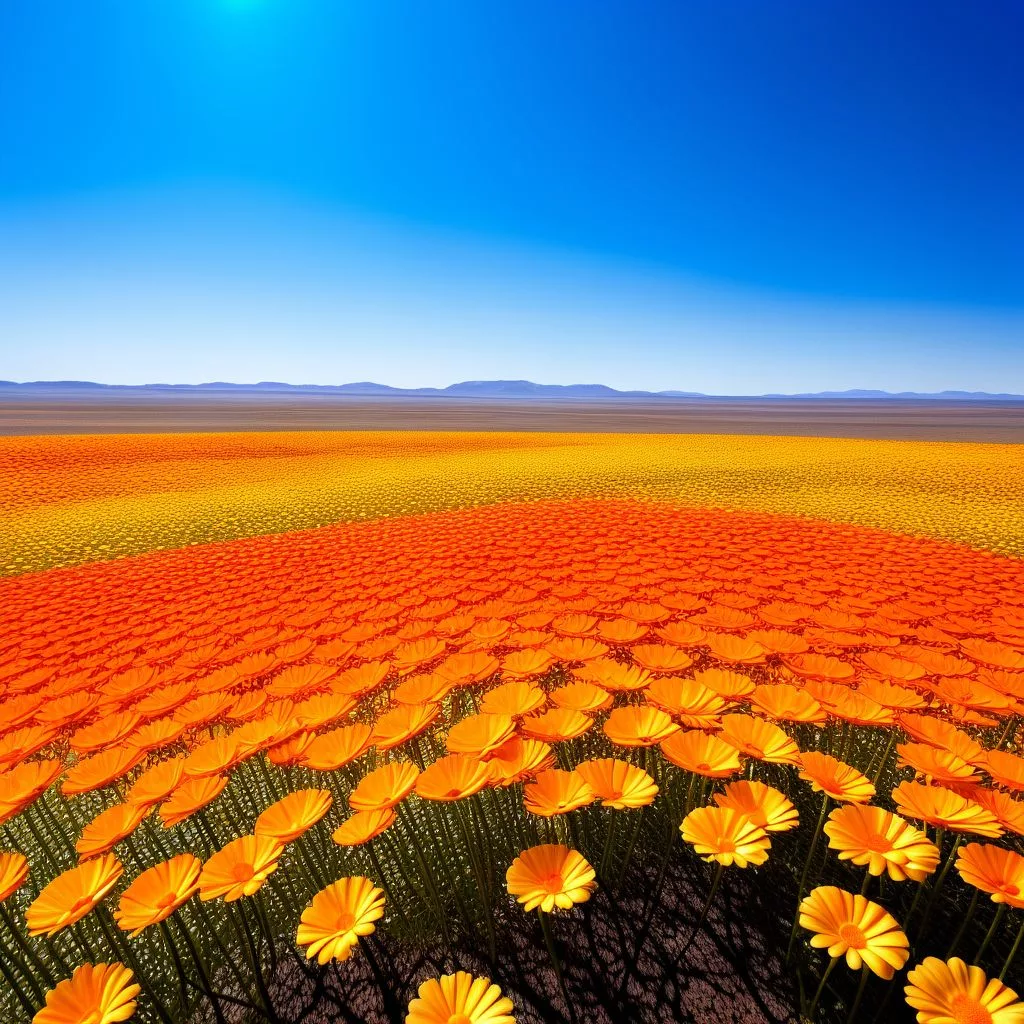
Every spring, Namaqualand in South Africa turns into a magical wildflower wonderland. Millions of colorful flowers, especially bright orange Namaqua daisies, burst from the dry earth, painting the land in stunning shades of yellow, purple, and pink. Visitors from all over come to Namaqua National Park and nearby reserves to walk among these vibrant flower carpets and watch bees and birds dance in the warm sunlight. This brief, dazzling bloom feels like nature’s grand show, reminding everyone of the beauty that can spring from even the driest places.
What is Namaqualand in Bloom and why is it famous?
Namaqualand in Bloom is an annual spring event in South Africa where millions of wildflowers transform the arid landscape into vibrant carpets of color. Famous for Namaqua daisies, vygies, and diverse flora, it attracts nature lovers to Namaqua National Park, Goegap Nature Reserve, and coastal routes.
Awakening the Desert: Spring’s Annual Performance
Certain landscapes come alive in spring with a vibrancy that feels almost theatrical, but few can rival the spectacle of Namaqualand. This vast region, stretching along the northwestern reaches of South Africa, spends much of the year under a dry, sun-baked sky. Yet when the spring rains arrive, Namaqualand transforms overnight. Dry plains ignite with color as millions of wildflowers burst into bloom, creating vast, shifting carpets that stretch as far as the eye can see. For generations, this annual phenomenon has captivated botanists, artists, and travelers alike, each drawn to witness nature’s artistry in real time.
The timing of this transformation adds an element of anticipation year after year. While late August through early September often brings the most abundant displays, the precise start and intensity of the season always depend on rainfall and sunlight. Each year, local communities and flower enthusiasts watch the skies, guessing when the show might begin. Occasionally, the flowers arrive early, as if the entire landscape cannot contain its excitement to reveal the season’s treasures.
Sunrise marks the beginning of Namaqualand’s daily flower ritual. As the first light spills across the veld, petals open to greet the warmth. By mid-morning, the plains shine with oranges, yellows, and purples, creating a living tapestry that changes with every passing cloud. Come afternoon, the blossoms slowly close, conserving their energy for another day. Those who know the land well rise early for the spectacle, timing their visits between mid-morning and early afternoon to catch the flowers at their peak brilliance.
Namaqua National Park: The Heartbeat of the Wildflower Season
Nestled near Kamieskroon, [Namaqua National Park ](https://capetown.today/discovering-south-africas-natural-wonders-during-national-parks-week-2023/)claims one of the highest concentrations of bulb flora on the planet. When spring arrives, the park’s endless plains transform into a dreamscape painted with the fiery hues of Namaqua daisies—Dimorphotheca sinuata—spreading in thick, dense carpets that seem almost surreal in their intensity. The sight rivals the boldest works of art, with acres of land glowing in orange and gold.
But the wonder doesn’t stop with the daisies. Keen-eyed explorers can seek out rare gems tucked between stones and along rocky ridges. The quiver tree, Aloe dichotoma, occasionally adds its own blossoms to the scene, while discreet clusters of Lachenalia hide among the granite. The park’s famous Skilpad section provides easy access to some of the most striking panoramas, offering visitors countless opportunities to try and capture the fleeting magic with their cameras—though even the best photograph can’t quite capture the immediacy of standing amid a sea of wildflowers.
Namaqua National Park is not solely a haven for flora. Birds and insects flock to the region during the bloom, drawn by the bounty of nectar and seed. A walk through the park often reveals a symphony of sound that matches the display of color: bees hum busily among the petals, while flocks of larks and sunbirds dart overhead. The park thus becomes a living stage, not just for wildflowers, but for the entire ecosystem that springs to life during these precious weeks.
Goegap Nature Reserve and the Towns of the Flower Route
Traveling further north, just beyond the town of Springbok, Goegap Nature Reserve offers a different twist on Namaqualand’s floral extravaganza. Here, granite mountains rise from the plains, casting shadows over valleys and slopes that brim with blossoms. The reserve’s fields dazzle with the brilliant reds and yellows of Gazania krebsiana, their petals wide open to the sun, while Hirpicium armerioides dots the landscape with golden tufts.
The diversity in Goegap astonishes even seasoned wildflower enthusiasts. Gladiolus alatus towers above low succulents, its delicate blooms swaying in the breeze. Rocky outcrops shelter an astonishing range of flowering species, each adapted to survive in the harsh environment. Walking the reserve’s trails rewards both the casual visitor and the dedicated botanist, inviting everyone to slow down and savor the quiet dialogue between rock and bloom.
Nearby, the towns of Garies and Kamieskroon form the human heart of the flower route. Surrounded by simple farmlands, these communities witness the annual transformation of their fields into vibrant mosaics of blue, yellow, and white, dominated by Ursinia, Felicia, and Hebenstretia. Occasionally, the elusive Babiana sambucina makes a regal appearance, its deep violet petals adding drama to the scene. Local guesthouses and cafés welcome guests with the famous “Nama welcome”: a blend of home-cooked food, warm hospitality, and stories passed down through the years. Here, tales of legendary blooms and unexpected weather become part of the region’s lore, connecting visitors with the traditions that celebrate the fleeting wonder outside their doors.
Coastal Wonders and Valley Retreats: The Greater Namaqua Experience
Those seeking adventure can follow the rugged Namaqua Coastal Route, a journey best suited to 4×4 vehicles. This wild track follows the Atlantic shore from Groenriviermond to Hondeklipbaai, where wind-sculpted dunes and cliffs meet the crashing sea. Every spring, this dramatic landscape softens under a blanket of Mesembryanthemum—commonly known as vygies—blooming in shocking shades of pink and purple. Occasionally, travelers may spot the crystalline petals of Drosanthemum speciosum sparkling in the early light, alongside reminders of the region’s maritime history in the form of old shipwrecks scattered along hidden beaches.
The coastal route is more than a flower hunt; it is an immersion in the region’s wild spirit. Seabirds wheel overhead, and the air carries the scent of salt and blossom. The journey recalls the days of the first botanical explorers, each bend in the road offering the thrill of discovery and the promise of sights rarely seen by others.
Heading inland, the Biedouw Valley near Clanwilliam emerges as an Arcadian retreat each spring. Here, broad fields and gentle hills ignite with the vivid colors of Dimorphotheca sinuata and Sparaxis elegans, while the rare Romulea sabulosa sometimes appears as a star-shaped treasure among the grass. Local farmers, in tune with the rhythms of the land, open their homes and cottages to visitors. The valley’s peaceful atmosphere and expansive panoramas invite reflection, blending small-scale hospitality with the grandeur of nature’s show.
Rivers, Roads, and the Ritual of Return
Further south, the wildflower spectacle takes on a different dimension near Velddrif and along the West Coast Road. The slow-flowing Berg River forms the backbone of this landscape, with its banks and adjacent salt pans supporting a unique blend of floral species. Arctotis, Ursinia, and Osteospermum thrive in the brackish soils, offering a softer palette of yellow, white, and lilac. Every so often, the sky-blue petals of Heliophila africana emerge, rewarding sharp-eyed travelers with a glimpse of this elusive beauty.
The R27 highway, running from Cape Town up the coast, becomes a scenic corridor during the season, with unexpected bursts of color at every turn. Here, the journey itself becomes an integral part of the wildflower experience. Travelers pause at roadside banks ablaze with bloom, combining the pleasures of exploration with the simple joy of witnessing nature’s artistry at work.
Spring in Namaqualand is more than a visual feast; it stirs something deeper within those who visit. The air fills with the scent of earth and blossom, and the landscape pulses with renewal. Photographers, scientists, and families return year after year, each seeking the sense of wonder that only this spectacle can provide. The wise move slowly, letting the unpredictable weather and the shifting blooms dictate the pace. By taking their time, visitors reap the ultimate reward: a sense of connection to a land that remembers, teaching all who explore it about beauty, patience, and the continual promise of renewal.
What is Namaqualand in Bloom and why is it famous?
Namaqualand in Bloom is an annual spring event in South Africa where millions of wildflowers transform the normally arid landscape into vibrant carpets of color. It is famous for its spectacular displays of Namaqua daisies, vygies, and a wide variety of indigenous flora. This natural phenomenon attracts botanists, artists, photographers, and nature lovers to places like Namaqua National Park, Goegap Nature Reserve, and the coastal routes to witness one of the world’s most impressive wildflower blooms.
When is the best time to visit Namaqualand for the wildflower bloom?
The peak wildflower bloom typically occurs from late August through early September. However, the exact timing depends heavily on rainfall and sunlight, which can vary each year. Visitors often monitor local weather and bloom reports because the flowers can sometimes arrive early or late. For the best experience, plan your visit between mid-morning and early afternoon when the flowers are fully open and vibrant.
What can I expect to see at Namaqua National Park during the bloom?
Namaqua National Park near Kamieskroon hosts one of the highest concentrations of bulb flora on Earth. During the bloom, vast plains glow with fiery orange Namaqua daisies (Dimorphotheca sinuata), interspersed with other species like quiver trees, aloes, and delicate Lachenalia flowers. The park is also alive with wildlife—bees, sunbirds, larks, and other pollinators flock to the nectar-rich blossoms, creating a lively natural symphony alongside the stunning vistas.
How is the wildflower experience different at Goegap Nature Reserve and along the Flower Route?
Goegap Nature Reserve offers a unique floral display on granite mountains and valleys, with brilliant reds, yellows, and golden tufts from species like Gazania krebsiana and Hirpicium armerioides. The Flower Route towns of Garies and Kamieskroon provide cultural and hospitality highlights, where visitors can enjoy local cuisine and stories while exploring fields filled with Ursinia, Felicia, and even the rare Babiana sambucina. This region blends spectacular scenery with a warm, welcoming community atmosphere.
What should adventurous travelers know about the Namaqua Coastal Route?
The Namaqua Coastal Route is best navigated with a 4×4 vehicle due to its rugged terrain along the Atlantic coast from Groenriviermond to Hondeklipbaai. This route features dramatic landscapes softened each spring by carpets of pink and purple Mesembryanthemum (vygies) and rare blooms like Drosanthemum speciosum. Besides flowers, travelers can spot seabirds and explore historical shipwreck sites, making it a rich combination of natural beauty and maritime heritage.
How do the wildflowers affect the local communities and ecosystems in Namaqualand?
The wildflower bloom is vital to Namaqualand’s ecology, providing nectar and seeds that support a diverse range of insects and birds during spring. It also plays a significant role in local culture and economy, with towns like Garies and Kamieskroon celebrating the bloom through hospitality and storytelling. The event fosters a strong connection between people and the land, reminding visitors of nature’s resilience and the importance of conservation in these arid environments.