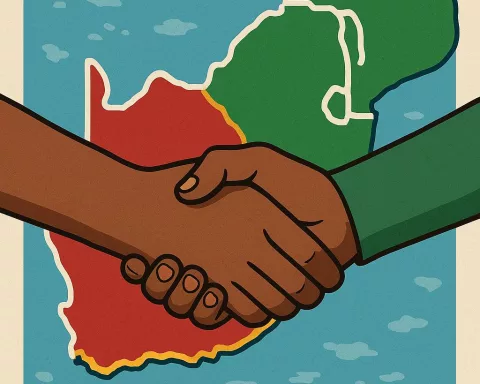
At the P20 Summit in Johannesburg, African women parliamentarians are boldly stepping forward to change the future. They demand real inclusion, justice, and laws that fix old unfair systems, not just empty promises. With Africa leading the G20 in 2025, these women have a powerful chance to shape global decisions and fight for equality that touches everyday lives. Their courage and leadership spark hope for a new, fairer Africa where women’s voices truly matter.
What is the significance of African women parliamentarians at the P20 Summit?
African women parliamentarians are shaping global policy at the P20 Summit by advocating for gender equality, justice, and reparations. They push for genuine inclusion, legislative reform, and authentic representation to transform Africa’s future during the continent’s historic 2025 G20 presidency.
A Landmark Gathering in Johannesburg
Johannesburg recently played host to a pivotal moment for African governance as delegates from across the continent converged at Midrand. Over ten days, the [Pan-African Parliament’s chambers](https://capetown.today/a-new-chapter-in-south-african-politics-wiseman-sbu-mpisane-heads-gap-fixers-of-south-africa/) buzzed with focused debates and energetic exchanges. This assembly stood out not just for its scale, but also for its timing and purpose. At its heart lay an urgent ambition: to advance the role of women and emerging leaders in shaping Africa’s future.
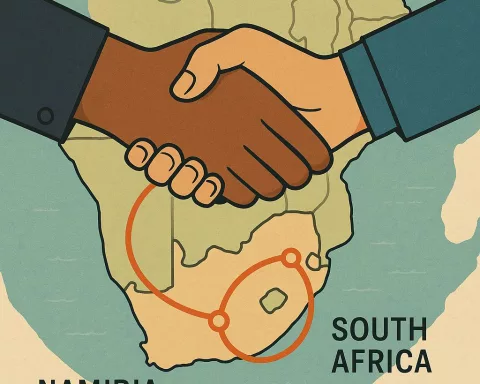
South Africa’s selection as the first African nation to host the G20 Parliamentary Speakers’ Summit (P20) signaled a watershed moment. The G20 P20 brings together parliamentary heads from the world’s foremost economies, offering a unique platform to influence global policy. With the G20 presidency passing to Africa in 2025 for the first time, the continent finds itself in an unprecedented position. African lawmakers now have a powerful seat at the table where global decisions are crafted, moving from the margins to the center of influence.
Key figures in these proceedings, such as Chairperson Refilwe Mtshweni-Tsipane and Deputy Speaker Dr. Annelie Lotriet, recognized the summit as more than a ceremonial event. They saw it as a turning point for African women. Mtshweni-Tsipane captured the mood sharply, declaring, “African women will no longer beg for inclusion, we are here to redefine the agenda, rewire the system and rewrite the rules.” Her call reverberated across the assembly, reflecting the pent-up determination of generations of women who have been sidelined for far too long.
The session’s theme, echoing the African Union’s focus on justice and reparations for 2025, challenged participants to move beyond inherited colonial frameworks. Mtshweni-Tsipane pressed her colleagues to question entrenched legacies and to design legislative frameworks anchored in fairness and genuine redress, rather than simply preserving the status quo.
Building on Feminist Traditions and Confronting Persistent Barriers
The demand for feminist solidarity and meaningful inclusion connects deeply with Africa’s long history of women’s activism and leadership. During the struggle against apartheid, activists like Lilian Ngoyi and Albertina Sisulu rallied millions, demonstrating not just resistance but the ability to drive social change. Today’s female parliamentarians inherit both the legacy of these pioneers and the challenge to transform symbolic gestures into concrete progress.
Continental agreements such as the Maputo Protocol have laid out robust rights for women and girls, while the African Union’s Agenda 2063 identifies gender parity as vital to Africa’s development. However, as both Mtshweni-Tsipane and Lotriet noted, real progress remains elusive. Women currently hold just 26 percent of parliamentary seats across Africa. Although this figure surpasses the global average in some regions, it reveals how far the continent still has to go.
Rural and urban realities alike illustrate the steep barriers many women still encounter. In remote communities, girls often leave school early to fetch water or care for siblings, limiting their opportunities. Urban areas, while more developed, are not immune: overburdened health systems and persistent poverty continue to affect women disproportionately. Gender-based violence remains widespread, and land ownership or access to finance frequently lies out of reach for women. While policies may promise equality, many women’s daily experience tells a different story.
Parliamentary Diplomacy and the Push for Real Justice
In today’s interconnected world, parliamentary diplomacy has become increasingly important. The P20 offers Africa’s lawmakers, especially women, a chance to shape not only local but global discussions on urgent topics like climate change, health, and economic recovery. Yet, this influence comes with responsibility: African women must find and assert a distinct, authentic voice within global conversations that have often excluded them.
Mtshweni-Tsipane’s words reflect a hunger to transform outdated models of power. She stressed that parliamentary diplomacy should break down, not duplicate, the systems that have historically left women out. African women leaders in parliament are moving beyond token participation to genuine co-authorship of laws and policies, signaling a shift from passive acceptance to active leadership.
The 2025 African Union theme, centered on “Justice for Africans and People of African Descent through Reparations,” deepens the summit’s sense of purpose. Reparative justice, once seen as an unattainable ideal, now commands serious policy attention. Economic redress—through mechanisms like fair trade, climate adaptation funding, and debt reform—must go hand in hand with political inclusion, ensuring women and other historically excluded groups play decisive roles in legislative processes.
Lotriet emphasized that rights for women and girls cannot remain abstract or symbolic. Ratified documents must translate into real and measurable improvements in daily life. Her appeal echoes thinkers like Frantz Fanon, who insisted that decolonization must involve concrete redistribution of resources and a reshaping of institutions to honor dignity and equality in practice.
Voices of Change: Stories from Parliament and Beyond
Outside formal debates, younger parliamentarians shared their experiences and challenges. A delegate from Senegal spoke of her struggle to secure funding for maternal healthcare in her region. Facing resistance, she responded by organizing local forums and using the media to rally public support—demonstrating how perseverance and community outreach can drive change.
Another parliamentarian from Uganda described working with traditional leaders to amend inheritance laws that excluded women. By engaging with community elders and building broad coalitions, she helped show that increasing women’s rights led to tangible benefits for families and entire communities. These stories highlight the everyday acts of courage and negotiation that, collectively, shape Africa’s journey toward equality.
This changing landscape is also reflected in Africa’s vibrant artistic and intellectual movements. From the Harlem Renaissance to Negritude, and in the work of contemporary artists and writers, the struggle for gender justice and identity has always intersected with broader cultural and political currents. Figures like Zanele Muholi and Chimamanda Ngozi Adichie continue to challenge assumptions and broaden the conversation, both within Africa and globally.
The G20 Presidency: Africa’s Historic Opportunity
With South Africa at the helm of the G20, Africa’s voice has unprecedented influence on the global stage. Parliamentarians are no longer content to play a peripheral role in critical decisions affecting the continent. The P20 summit marks a rare strategic opportunity: it invites Africa to help set the agenda, not merely respond to it.
This moment is both promising and precarious. Without sustained political will, the chance for transformative change could slip away. Yet, as Mtshweni-Tsipane and Lotriet remind their colleagues, the frameworks for progress are already in place. The responsibility now lies with African lawmakers and leaders to implement these blueprints, ensuring that rhetoric leads to real reform.
As Africa steps confidently onto the world stage, the resolve of its women parliamentarians could make the difference between a fleeting moment and a lasting transformation. Their collective efforts promise not only to improve the lives of women and girls, but to help redefine African leadership and global cooperation for generations to come.
FAQ: African Women Parliamentarians and the P20 Summit
What is the P20 Summit and why is it important for African women parliamentarians?
The P20 (Parliamentary Speakers) Summit is a gathering of parliamentary leaders from the world’s major economies, held alongside the G20 summit. Its importance for African women parliamentarians lies in providing a platform to influence global policies, advocate for gender equality, and push for legislative reforms. With Africa hosting the G20 in 2025 for the first time, the P20 Summit in Johannesburg enabled African women leaders to move from the margins to the center of global decision-making.
How are African women parliamentarians shaping the agenda for the 2025 G20 presidency?
African women parliamentarians are demanding real inclusion, justice, and laws that dismantle unfair colonial-era systems. They are advocating for reparations, economic redress, and political reforms that reflect the lived realities of women across the continent. Their leadership at the P20 Summit emphasizes transforming symbolic gestures into concrete policy changes, ensuring women’s voices influence the global agenda on climate change, health, economic recovery, and social justice.
What challenges do African women still face despite existing legal frameworks?
Despite agreements like the Maputo Protocol and the African Union’s Agenda 2063 prioritizing gender parity, African women confront persistent barriers:
- Women hold only about 26% of parliamentary seats.
- Rural girls often drop out of school early due to household responsibilities.
- Gender-based violence remains widespread.
- Access to land, finance, and healthcare is limited.
- Urban poverty and overburdened health systems disproportionately affect women.
These challenges mean that while legal frameworks exist, real progress in everyday life remains limited and requires sustained political will.
How does parliamentary diplomacy contribute to advancing women’s rights in Africa?
Parliamentary diplomacy allows African lawmakers, especially women, to engage in international dialogue, share strategies, and influence multilateral policies. The P20 Summit encourages African women parliamentarians to claim authentic leadership roles, moving beyond token representation to co-authoring laws and policies. This diplomacy helps break down exclusionary power structures and promotes justice-focused reforms, including reparations and economic equity for Africans and the African diaspora.
Can you share examples of how African women parliamentarians are driving change in their communities?
Yes. For example, a parliamentarian from Senegal organized local forums and leveraged media campaigns to secure funding for maternal healthcare despite resistance. Another from Uganda collaborated with traditional leaders to reform inheritance laws that discriminated against women, demonstrating how engaging communities and building coalitions can lead to tangible improvements in women’s rights and family well-being.
Why is Africa’s 2025 G20 presidency a historic opportunity?
Africa’s presidency of the G20 in 2025 marks the first time the continent leads this influential group of world economies. This unprecedented role offers African parliamentarians, especially women leaders, a chance to set the global agenda rather than simply react to it. It is a strategic moment to implement justice-centered frameworks, promote reparations, and push for policies that reflect African realities. However, realizing this potential requires ongoing political commitment to turn summit declarations into lasting reforms.
If you want more information or resources related to African women’s leadership and the P20 Summit, feel free to ask!