President Ramaphosa’s mission for the Northern Cape is about bringing all levels of government together to work as one. He wants to boost clean energy like solar power, build better roads and ports, and fix social problems like poverty and youth unemployment. The Northern Cape, once known mainly for mining, is now becoming a leader in green energy and new industries. Ramaphosa calls for teamwork, honesty, and fresh ideas to help communities grow and share the benefits of progress. This is a big step toward a brighter future for the province and all of South Africa.
What is President Ramaphosa’s mission for the Northern Cape?
President Ramaphosa’s mission for the Northern Cape focuses on bridging governance gaps through integrated collaboration between national, provincial, and local governments. His goals include advancing renewable energy, improving infrastructure, addressing social challenges, and promoting inclusive, coordinated development for sustainable economic growth.
Setting the Stage: A New Era of Collaboration
Early one winter morning in Kimberley, President Cyril Ramaphosa gathered with an assembly of ministers, Premier Zamani Saul, and a wide array of provincial officials. The sixth official meeting between the national executive and provincial leaders held more significance than a routine consultation. The Northern Cape, often seen as a remote frontier, now stands poised for a dramatic transformation driven by innovation and cooperation.
Ramaphosa anchored his address in the broader vision for South Africa. He stressed the need to move away from fragmented governance and towards true integration of national, provincial, and local layers. South Africa’s Constitution, built through years of sacrifice and dialogue, expects this unity to become reality. However, bridging the divide between policy and practice has proven to be a formidable challenge.
This session took on urgency as Ramaphosa called for a shift from isolated decision-making to coordinated action. His message echoed beyond the chamber: South Africa’s future rests on its ability to synchronize the efforts of all spheres of government, ensuring each region’s unique potential receives full recognition and support.
Overcoming Isolation: Uniting Policy and Community Needs
Ramaphosa highlighted a recurring obstacle: the tendency for government departments to operate in silos. He pointed out how various tiers often initiate projects independently, neglecting the specific circumstances of local communities. Such top-down strategies frequently result in “parachuted development”—well-intentioned policies from Pretoria that fail to address the realities on the ground in places like Upington or Kuruman.
This disconnect leads to more than just misallocated resources; it erodes the trust citizens place in their representatives. In the Northern Cape, where communities are widely dispersed, these issues become even more pronounced. Local leaders and residents can feel excluded when major decisions occur without their input, fueling frustration and disengagement.
Globally, these challenges are not unique to South Africa. Countries such as France and Brazil have grappled with similar barriers, moving towards decentralized, participatory governance to bridge gaps. South Africa’s district development model, launched in 2019, builds on these international lessons, aiming to anchor development in local collaboration and shared accountability.
The Northern Cape’s Economic Transformation: From Old Mines to Green Frontiers
Attention quickly turned to the shifting economic landscape in the Northern Cape. For decades, the province’s identity revolved around mining—diamonds, manganese, and other minerals shaped its towns and economy. Today, a new story is taking root. The Northern Cape is rapidly establishing itself as a leader in renewable energy, drawing national and international acclaim.
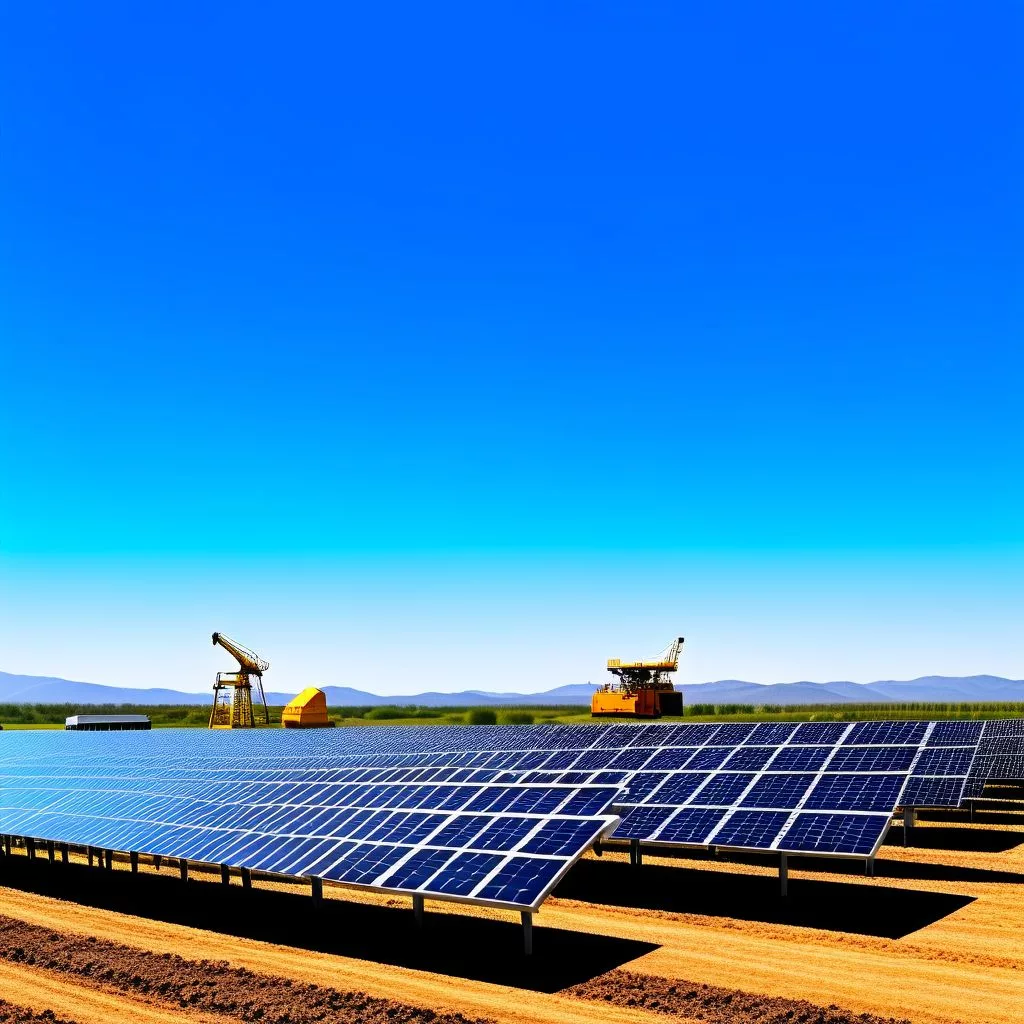
Solar farms now line the highways outside Kimberley, capturing the region’s abundant sunshine. Experimental green hydrogen initiatives, once considered futuristic, have become part of everyday reality. As President Ramaphosa noted, “The Northern Cape is at the forefront of the clean energy revolution.” Investors from around the world are keeping a close eye on developments here, recognizing the province’s potential to supply both domestic and global energy markets.
The green hydrogen masterplan, central to this vision, holds promise for large-scale exports and industrial growth. Ramaphosa described these ventures as both bold and transformative, positioning the province to benefit from the worldwide shift to sustainable energy, much as Germany and China have done with their renewable energy expansions.
Building for Tomorrow: Infrastructure, Industry, and Opportunity
While renewable energy captures headlines, the Northern Cape’s ambitions extend further. Mining remains a cornerstone, yet leaders now aim to diversify the province’s industrial foundation. Special economic zones have been established to foster innovation, and new industrial parks are emerging along major transport routes, bringing manufacturing closer to resources and export channels.
Infrastructure development stands at the center of these efforts. Ramaphosa pointed to major port and rail projects, with the Boegoebaai harbour serving as a prime example. This initiative could unlock new export opportunities for both minerals and renewables, emulating the transformative impacts seen in international hubs like Singapore and Rotterdam.
Despite this progress, obstacles remain. Financial constraints, particularly at the municipal level, threaten to stall key projects. Essential initiatives such as housing developments and rural electrification sometimes falter due to limited funding. Ramaphosa called for inventive solutions, urging government to explore new financing methods and streamline regulatory processes to attract investment and accelerate delivery.
Social Challenges: Addressing Poverty, Services, and Youth Unemployment
Beneath the surface of economic growth, persistent social issues demand attention. Recent analyses from National Treasury indicate that poverty levels in the province remain high, and have even increased in recent years. Many households still lack regular access to essential services like clean water—a reminder of enduring infrastructure gaps.
Youth unemployment, a national crisis, weighs heavily on the Northern Cape. The province’s dispersed rural population makes service delivery both costly and complex, perpetuating cycles of disadvantage that date back to colonial and apartheid-era policies. Settlement patterns from those times continue to shape today’s hardships, making progress slower than many would hope.
Despite these daunting realities, local government has achieved notable improvements in education, public infrastructure, and access to basic services. These incremental gains, while overshadowed by larger challenges, offer proof that targeted interventions can yield real results. Each new classroom and upgraded borehole contributes to building a more equitable future.
Integrated Governance: The District Development Model in Action
President Ramaphosa’s emphasis on the district development model signals a move toward more effective, collaborative governance. This framework compels national, provincial, and local authorities to coordinate planning, budgeting, and implementation. By bringing state-owned enterprises and other key stakeholders into the fold, the model aims to break down bureaucratic barriers and foster a culture of shared responsibility.
Internationally, similar reforms have taken root. In the United Kingdom, city deals have helped align central and regional priorities, while India’s smart cities initiative highlights the power of integrated planning to drive urban renewal. The success of South Africa’s version will depend not just on new structures, but on fostering cooperation and transparency across all levels of government.
The district development model offers a path forward, but its promise rests on leaders’ willingness to abandon old habits and adopt a more holistic approach. Mutual accountability and open communication must guide every stage of planning and implementation to ensure lasting benefits for local communities.
Facing Future Risks: Climate, Debt, and Tourism
At the meeting, President Ramaphosa urged leaders to look beyond immediate challenges and prepare for future risks. The Northern Cape’s climate leaves it vulnerable to droughts and extreme weather events. Effective disaster response demands both investment and agility—qualities essential for safeguarding communities against increasingly unpredictable threats.
Municipal debt adds another layer of complexity. As local governments struggle to collect revenue, service delivery falters. Discussions focused on potential solutions, from upgrading billing systems to offering targeted support for financially distressed households. The health of municipal finances remains a crucial indicator of broader governance effectiveness.
Tourism represents a beacon of hope for economic diversification. The province’s dramatic landscapes, from the Richtersveld to the Augrabies Falls, attract travelers and artists alike. By developing its unique attractions and investing in storytelling, the Northern Cape aims to boost visitor numbers and create jobs, turning historic sites like Kimberley’s Big Hole into symbols of renewal.
A Shared Vision for Progress
Throughout the day, stories from across the province animated the discussions. Officials shared successes and setbacks, from launching new clinics in remote towns to running youth training programs that offered pathways to employment. President Ramaphosa listened closely, reinforcing the meeting’s message: inclusive development depends on the voices and efforts of every stakeholder.
South Africa’s path forward lies in unlocking the potential of all its regions, bridging divides between policy and community, and learning from both past triumphs and failures. The Northern Cape, once relegated to the margins, now stands at the heart of some of the country’s most important debates—on energy, governance, and the equitable sharing of opportunity. Through renewed cooperation and shared purpose, the province and the nation can move closer to the aspirational ideals of the Constitution, building a future where progress touches all.
What is President Ramaphosa’s mission for the Northern Cape?
President Ramaphosa’s mission is to bridge governance gaps by fostering collaboration among national, provincial, and local governments. His focus includes boosting renewable energy such as solar power, improving infrastructure like roads and ports, addressing social challenges including poverty and youth unemployment, and ensuring that development is inclusive and sustainable. The overall goal is coordinated progress that benefits all communities in the Northern Cape and contributes to South Africa’s broader economic growth.
How is the Northern Cape transforming its economy?
The Northern Cape is shifting from a mining-based economy to becoming a leader in green energy and new industries. Solar farms are expanding, and innovative projects like green hydrogen production are underway. These initiatives position the province at the forefront of the clean energy revolution, attracting both national and international investment. Alongside energy, special economic zones and industrial parks are being developed to diversify the economy and create new opportunities.
What challenges does the Northern Cape face in governance and service delivery?
One major challenge is the fragmentation of government efforts, where different departments often work in silos without fully considering local community needs. This top-down approach can lead to policies that don’t fit the realities on the ground, causing mistrust and disengagement among residents. Additionally, financial constraints at municipal levels hinder essential services such as housing, rural electrification, and water supply. Overcoming these challenges requires integrated governance and innovative financing solutions.
What is the District Development Model and how does it help the Northern Cape?
The District Development Model is a governance framework that promotes integrated planning, budgeting, and implementation across all spheres of government—national, provincial, and local. It encourages collaboration with state-owned enterprises and other stakeholders to break down bureaucratic barriers and improve accountability. By aligning efforts and fostering transparency, the model aims to ensure that development projects are better tailored to the needs of communities and can be delivered more efficiently.
How is President Ramaphosa addressing social issues like poverty and youth unemployment?
President Ramaphosa acknowledges the persistent social challenges in the Northern Cape, particularly high poverty rates and youth unemployment. He emphasizes the need for targeted interventions to improve education, infrastructure, and basic services. Local governments have made progress in areas like building schools and upgrading water access points. Beyond these, creating economic opportunities through new industries and better governance is seen as key to breaking cycles of disadvantage and empowering young people.
What future risks and opportunities does the Northern Cape face?
The Northern Cape is vulnerable to climate risks such as droughts and extreme weather, requiring effective disaster preparedness and responsive governance. Financial sustainability is another concern, with municipal debt impacting service delivery. However, tourism offers promising opportunities for economic diversification, leveraging the province’s stunning landscapes and cultural heritage. Investments in infrastructure and storytelling aim to boost visitor numbers, generate jobs, and contribute to a more resilient, diversified economy.