The Geneva 2025 Summit brought together women leaders from parliaments all over the world to talk about how women are shaping the future of global leadership. They highlighted the need for gender equality and strong, inclusive governments to face big challenges like climate change and digital growth. The meeting was full of hope and determination, showing that real change happens when women not only join politics but lead it. Geneva’s historic setting inspired delegates to dream big about building a fairer and more peaceful world together. This summit was a powerful step toward making parliaments more diverse and stronger everywhere.
What was the significance of the Geneva 2025 Summit on Women, Parliaments, and Global Leadership?
The Geneva 2025 Summit highlighted the growing influence of women in parliamentary leadership worldwide. It emphasized gender equality, inclusive governance, and addressing modern challenges like climate change and digital innovation, aiming to strengthen democracy through diverse, empowered female voices in global policymaking.
Geneva as a Global Crossroads
In the final days of July 2025, Geneva once again stood at the center of international attention, hosting a remarkable convergence of parliamentary leaders from around the world. The iconic Palais des Nations, long a symbol of diplomatic dialogue since its days with the League of Nations, provided a fitting stage for these pivotal discussions. This year, the focus turned decisively toward a theme that bridges past and present: the growing influence of women in shaping the direction of parliamentary governance.
South Africa’s National Assembly Speaker, Ms. Thoko Didiza, journeyed to Switzerland to join the 15th Summit of Women Speakers of Parliament and the 6th World Conference of Speakers of Parliament. Her presence underscored South Africa’s ongoing participation in international debates, but it also hinted at deeper shifts—a world grappling with both fragility and renewed hope for progress.
Geneva’s sense of occasion carried extra significance in 2025. Thirty years had passed since the Beijing Declaration and Platform for Action, a landmark in the global campaign for gender equality. Ten years had slipped by since the adoption of the Sustainable Development Goals, prompting both reflection and renewed scrutiny. At the same time, the Women, Peace, and Security agenda, rooted in UN Security Council Resolution 1325, marked twenty-five years—reminding everyone that women’s voices in peace and security processes remain essential yet far from universally secured.
Championing Gender Equality: The Summit’s Legacy
The Summit of Women Speakers of Parliament grew out of these intertwined histories, serving as both a mirror and a catalyst for change. Delegates arrived from diverse nations, many of them trailblazers in their own right, not simply to commemorate milestones but to chart the road ahead. Their exchanges ranged from deeply philosophical—exploring the meaning of inclusive peace—to the everyday realities of adapting parliamentary systems to a world buffeted by climate instability, rapid technological innovation, and deepening polarization.
The gathering thrived on a blend of shared resolve and lively debate. Historical echoes resounded throughout, with references to the early suffrage movements that first opened legislative doors to women, and to subsequent feminist waves that demanded not just entry, but the authority to lead and to transform laws and public life. These stories fueled a collective understanding that gender parity is not merely an aspiration—it is a prerequisite for truly representative governance.
Ms. Didiza’s contribution drew on South Africa’s particular journey. Many present recalled the country’s watershed 1994 elections, which set South Africa on a new course and enabled women to assert their place within the legislature. Today, South Africa boasts one of the highest rates of female representation in parliament worldwide, a testament to decades of determined activism. Yet, the summit’s conversations made clear that numbers alone do not guarantee influence. Women parliamentarians must wield real power, shape policy direction, and shift the culture of decision-making. Delegates traded advice on navigating entrenched hierarchies, building coalitions out of adversity, and nurturing the next generation of female leaders.
Navigating Modern Challenges: Parliaments in Transition
Discussions at the summit exposed both progress and persistent barriers. One panel captured the imagination by drawing parallels with the Bauhaus movement, which erased boundaries between function and form. Similarly, participants asserted that women’s leadership should dissolve divisions between “women’s issues” and broader national concerns. Health, education, and economic opportunity, they argued, belong at the core of legislative debate—not siloed or marginalized.
The torch passed from the Summit to the 6th World Conference of Speakers of Parliament, broadening the lens from gender to the future of parliamentary authority in a turbulent world. The Inter-Parliamentary Union (IPU), the quiet architect behind these forums, fostered a unique environment where parliamentarians, academics, civil society advocates, and journalists could engage as equals. The preparatory committee, with its members drawn from every continent, had spent two years orchestrating an event that reflected the complexity and promise of global governance.
The conference tackled urgent questions: How can parliaments restore faith in democracy and counter the concentration of power in executive branches? In what ways can legislative bodies shape international policy and strengthen oversight? Participants assessed models of global cooperation, debated transparency and accountability, and emphasized the importance of amplifying the voices of women, youth, and marginalized communities in every forum.
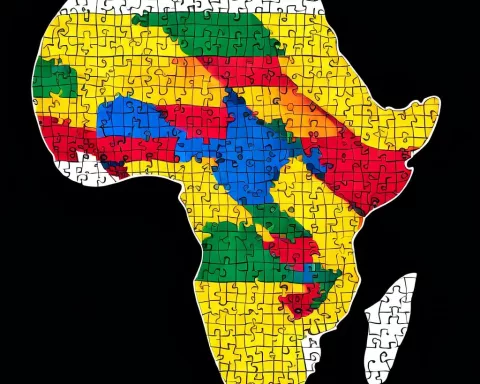
Conference sessions buzzed with energy as delegates delved into real-world examples: climate change legislation in the Amazon, digital inclusion initiatives in Asia, and reconciliation efforts in societies recovering from conflict. Each story contributed to a detailed mosaic, illustrating both the challenges and the responsibilities facing modern parliaments.
Geneva’s Spirit: History, Culture, and Connection
Beyond the formal agenda, Geneva’s distinctive character infused the proceedings with a sense of gravity and inspiration. The calm waters of Lake Geneva and the city’s historic sites, from the Reformation Wall to its renowned museums, offered moments of reflection and reminded delegates of the city’s legacy as a haven for reformers and visionaries.
Much of the most meaningful exchange unfolded in informal spaces—over coffee, Swiss chocolate, and shared stories. A Pacific Island Speaker described navigating a parliament battered by typhoons, transforming adversity into a lesson in resilience. Another delegate from Eastern Europe recounted the complexities of crafting digital privacy laws while balancing national interests and individual freedoms. These conversations highlighted the universality of the challenges facing parliaments, regardless of geography or size.
Amid discussions of global policy, participants also focused on local realities. Ms. Didiza held talks about South Africa’s role as the forthcoming host of the P20 Speakers’ Summit, where G20 parliamentary leaders will meet to influence global policy and assert parliamentary oversight. The anticipation for this event underscored a larger truth: that world governance is shaped not only in formal sessions but also through the everyday dialogues between nations and institutions.
Building the Future: Community, Legacy, and Aspiration
Throughout the Geneva gatherings, experienced leaders mixed with new voices, creating a tapestry of perspectives and expertise. Figures like Mr. Mzoleli Mrara, though absent from Geneva, represent the intricate networks that sustain parliamentary systems back home. As an active member of committees on communications, technology, and rural development, Mrara embodies the modern lawmaker—technically skilled, grounded in local realities, and globally conscious.
Anyone visiting South Africa’s Parliament can witness this diversity firsthand. The historic halls buzz with debate, committee rooms pulse with policy work, and every encounter—whether with seasoned leaders or emerging legislators—reveals the living fabric of democracy in action.
The Geneva conferences served as more than a temporary convergence. They became part of an ongoing story—a weaving together of local struggles and worldwide ambitions, of inherited traditions and bold new experiments. In the spaces between speeches, one sensed the presence of history alongside the promise of uncharted futures. The women leaders and parliamentary speakers who met in Geneva did more than exchange ideas; they recommitted themselves to building institutions where dialogue, dissent, and cooperation can guide nations toward a more inclusive tomorrow.
Geneva’s summer of 2025 may have ended, but the ripples set in motion there continue to move outward—linking continents, inspiring leaders, and shaping the evolving story of parliamentary democracy worldwide.
What was the main purpose of the Geneva 2025 Summit on Women, Parliaments, and Global Leadership?
The Geneva 2025 Summit aimed to bring together women leaders from parliaments worldwide to discuss how women are shaping the future of global leadership. It emphasized the importance of gender equality and inclusive governance to tackle major challenges such as climate change, digital growth, and political polarization. The summit underscored that real change occurs when women not only participate in politics but take on leadership roles.
Why was Geneva chosen as the location for the 2025 Summit?
Geneva has a long-standing tradition as a global hub for diplomacy and international dialogue, hosting organizations like the United Nations and the League of Nations. The Palais des Nations, the venue for the summit, symbolizes peace and cooperation, making it an inspiring setting for discussions about inclusive governance and women’s leadership. Additionally, 2025 marked significant anniversaries related to gender equality and peace, further highlighting Geneva’s symbolic importance.
What key historical milestones did the summit reflect upon?
The summit commemorated several landmark moments:
– The 30th anniversary of the Beijing Declaration and Platform for Action, a global framework for advancing gender equality.
– The 10th anniversary of the Sustainable Development Goals (SDGs), which guide global development with a focus on inclusion and sustainability.
– The 25th anniversary of UN Security Council Resolution 1325, emphasizing women’s roles in peace and security processes.
These milestones provided a backdrop for evaluating progress and setting new goals for women’s political leadership worldwide.
How did the summit address the challenges faced by women in parliamentary leadership?
Delegates shared experiences and strategies for overcoming entrenched hierarchies and political barriers. Discussions emphasized that achieving gender parity in numbers is not enough—women must hold real influence, shape policy, and transform decision-making cultures. The summit also highlighted the importance of intergenerational mentorship to nurture the next wave of female leaders and encouraged coalition-building across political divides.
What modern issues were discussed in relation to parliamentary leadership?
The summit tackled urgent global challenges, including:
– Climate change legislation and environmental sustainability.
– Digital inclusion and balancing technology with privacy rights.
– Political polarization and restoring public trust in democratic institutions.
Participants agreed that women’s leadership helps integrate “women’s issues” like health and education into the core of national debates rather than isolating them as niche topics.
What is the lasting impact and future outlook following the Geneva 2025 Summit?
Geneva 2025 served as both a milestone and a catalyst, reinforcing the necessity of diverse and inclusive parliaments worldwide. The summit’s legacy includes strengthened international networks among women leaders, renewed commitments to gender equality, and momentum toward more representative democracy. As countries like South Africa prepare to host future events such as the P20 Speakers’ Summit, the conversations and collaborations begun in Geneva continue to influence parliamentary governance and global leadership for years to come.