Africa’s bold push to build roads, railways, and power lines across borders is fueled by the spirit of ubuntu – an idea that we succeed only by working together. Leaders like South Africa’s Dr. David Masondo are turning this vision into action, striving to connect nations through shared projects that boost trade and growth. Despite challenges from old borders and complex rules, examples like the Maputo Corridor show that cooperation can spark real progress. With fresh investments, strong partnerships, and a focus on sustainability, Africa is crafting a future where its people and places are linked, thriving as one united continent.
What is Africa’s approach to advancing cross-border infrastructure and continental integration?
Africa’s cross-border infrastructure development emphasizes unity through the Ubuntu philosophy, focusing on collaboration, shared investment, and sustainability. Key strategies include aligning political and economic goals, securing strong governance, leveraging public-private partnerships, and building climate-resilient transport and energy networks to boost trade and growth.
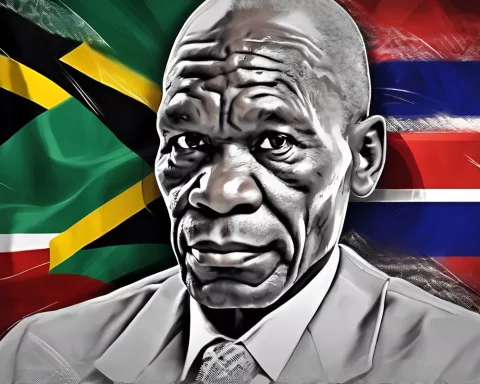
In the early light of Johannesburg, the city buzzes with energy as commuters and construction cranes shape a metropolis in motion. This setting provides a fitting backdrop for the recent gathering of leaders and visionaries from across the continent, intent on forging new connections among African nations. Here, Dr. David Masondo, South Africa’s Deputy Minister of Finance, urged a fresh commitment to building bridges – literal and symbolic – that can unite Africa’s diverse peoples. He grounded his message in the enduring value of ubuntu – a belief that our destinies intertwine and that real progress comes from working together.
Foundations of Unity: Pan-African Aspirations and the Drive for Integration
Dr. Masondo’s address reflected on the dreams of Africa’s independence-era visionaries – figures like Kwame Nkrumah and Julius Nyerere – who once called for a united, integrated continent. Their legacies persist in foundational documents such as the African Union’s Agenda 2063, which positions infrastructure as the backbone of economic and social transformation. The ideal of a borderless Africa, exchanging goods and ideas freely, remains a guiding star for today’s leaders.
Yet, decades after those first calls for unity, Africa still grapples with the remnants of colonial borders and fragmented economies. These divisions, both physical and psychological, slow efforts to create a truly interconnected continent. Leaders like Masondo see this challenge as both a historical burden and an opportunity: only by pooling resources and aligning goals can Africa realize its potential and assert its relevance on the global stage.
As the African Union continues to champion integration, there’s a growing recognition that this journey demands more than political rhetoric. It requires practical action – not just at the diplomatic level, but on the ground, where roads, railways, and power lines can transform lives. The vision of unity, in this sense, becomes tangible when it manifests as shared infrastructure and inclusive development.
South Africa’s G20 Presidency and the Push for Infrastructure
South Africa’s assumption of the G20 Presidency comes at a pivotal moment. Global tensions, trade disruptions, and environmental threats pose new risks but also open doors for decisive leadership. Dr. Masondo emphasized that South Africa will steer the G20’s agenda with the themes of solidarity, equality, and sustainability. These principles guide not only international partnerships but also how Africa looks inward – prioritizing projects that uplift the many rather than the few.
Africa’s demographics amplify the urgency of this moment. The continent enjoys the world’s youngest population and rapid urban growth, fueling both hope and pressure for change. However, many African cities – and the rural areas that feed them – labor under outdated or inadequate infrastructure. The roads can’t keep pace with trucks, the power grids flicker under growing demand, and trade logistics too often falter at congested borders.
Masondo highlighted the direct link between infrastructure and prosperity. According to the African Development Bank, Africa’s annual infrastructure investment shortfall sits between $130 and $170 billion. Every dollar not invested in roads, ports, or energy systems translates into lost potential – missed chances for entrepreneurs, stunted trade, and slower job creation. Addressing this gap could unlock Africa’s economic dynamism and connect it more seamlessly to the rest of the world.
Cross-Border Projects: The Next Chapter in Continental Growth
The most ambitious phase of Africa’s development now centers on cross-border infrastructure. The African Continental Free Trade Area (AfCFTA) represents a giant leap toward a unified market, but its promise stands or falls on the ability of nations to physically connect. Highways, railways, energy transmission lines, and water networks must traverse not just landscapes but also a maze of regulations, legal systems, and political interests.
Dr. Masondo acknowledged the particular difficulties in executing such projects. When a railway or pipeline spans multiple countries, it requires painstaking coordination – each nation must align its priorities, rules, and investment schedules. Disparate legal frameworks and bureaucratic hurdles can stall progress. Successful projects therefore demand both technical know-how and diplomatic finesse, as well as a willingness to share both risks and rewards.
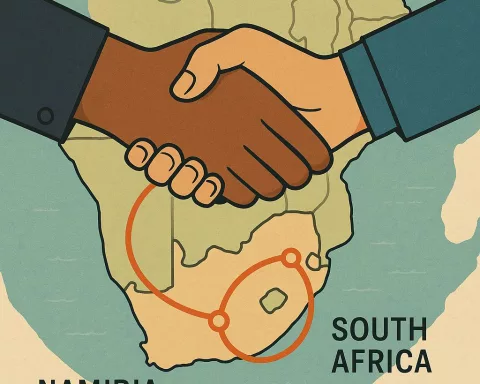
One instructive example comes from the Maputo Corridor, linking South Africa and Mozambique. Early disputes over funding and regulation nearly derailed the initiative, but sustained dialogue and a clear division of responsibilities eventually led to consensus. Today, the corridor hums with commerce, exemplifying the power of cross-border cooperation. Africa’s future depends on replicating such successes on a larger scale – turning plans into tangible networks that bind the continent together.
A Toolkit for Transformation: Practical Solutions for Complex Challenges
To address these challenges, South Africa has partnered with the African Development Bank and a range of international organizations to develop a targeted toolkit for cross-border infrastructure development. This approach rests on three main pillars: aligning economic logic and planning, securing strong political backing and sound governance, and ensuring robust financial management. The toolkit provides a step-by-step methodology to help governments and their partners design projects that fit both national and regional plans, while streamlining project pipelines to attract much-needed private investment.
This practical framework also acknowledges past lessons. By drawing on successes and setbacks – including those from projects like the Maputo Corridor – it promotes collaboration across ministries, synchronizes regulatory regimes, and creates an enabling environment for investment. The goal: move beyond grand announcements to real-world delivery, with roads, ports, and power grids that serve people and businesses alike.
Private sector involvement forms a core part of this strategy. African governments increasingly recognize that they cannot fill the infrastructure gap alone. By developing bankable projects and adopting innovative financing models – such as blended finance and public-private partnerships – they hope to draw global capital and expertise. For the private sector, this shift means new markets and opportunities; for African citizens, it promises better services and economic prospects.
Ubuntu as Guiding Principle: Partnership, Resilience, and a Sustainable Future
Throughout his address, Dr. Masondo returned repeatedly to the idea of ubuntu. This philosophy – “I am because you are” – serves as the moral compass for South Africa’s G20 leadership and its broader development agenda. Ubuntu insists that no country can thrive in isolation; only through genuine partnership can the continent’s nations achieve lasting progress and resilience.
Recent history offers further proof of the power of collective action. Initiatives like the New Partnership for Africa’s Development (NEPAD) paved the way for today’s more integrated frameworks, demonstrating that shared success is possible when countries pool their strengths and resources. South Africa’s advocacy for the ubuntu approach now aims to embed these values across every aspect of infrastructure planning and delivery, ensuring that progress lifts all boats.
Another major theme in Masondo’s vision is sustainability. African nations, though minimally responsible for global carbon emissions, find themselves on the frontlines of climate and biodiversity crises. Infrastructure built today must not only serve economic needs but also withstand environmental shocks. South Africa’s G20 agenda places resilience at its core, advocating for investments in renewable energy, climate-proofed transport, and water management systems that can support both people and nature.
Toward a Connected Tomorrow: Laying the Foundations for Generations
As the consultative meeting ended, the sense of urgency did not fade. Leaders, engineers, investors, and community representatives left with a shared understanding that the work ahead will not be easy – but it is necessary. The legacy project set in motion under South Africa’s G20 presidency lays out an actionable roadmap for regional integration, one that balances vision with pragmatism at every step.
Africa’s cross-border infrastructure renaissance depends on more than just technical blueprints or financial pledges. It requires a profound shift in mindset – one that values shared effort over narrow interests and draws strength from the continent’s diversity and youth. By leaning into ubuntu and embracing practical collaboration, Africa can finally realize the unity its founders imagined and the prosperity its people deserve.
Tomorrow’s highways, power grids, and digital networks will not merely connect cities; they will create new possibilities for millions. In the years ahead, the hum of progress will echo not just in Johannesburg, but from Dakar to Dar es Salaam – wherever Africans join hands to build their common future.
FAQ: Africa’s Cross-Border Infrastructure and the Ubuntu Approach
1. What is the significance of ubuntu in Africa’s cross-border infrastructure development?
Ubuntu is an African philosophy meaning “I am because you are,” emphasizing interdependence, community, and shared success. In the context of cross-border infrastructure, ubuntu serves as a guiding principle that stresses collaboration among African nations. It underlines the belief that Africa can only achieve sustainable growth and continental integration by working together – sharing resources, risks, and rewards – to build roads, railways, and power networks that benefit all.
2. How does Africa plan to overcome the challenges posed by colonial borders and fragmented economies?
Africa faces the legacy of colonial-era borders that have created fragmented markets and complex regulatory environments. To overcome these obstacles, African leaders are aligning political, economic, and legal frameworks through initiatives like the African Union’s Agenda 2063 and the African Continental Free Trade Area (AfCFTA). Practical steps include harmonizing regulations, coordinating investments, strengthening governance, and leveraging public-private partnerships to build infrastructure that physically and economically links countries, making borders less of a barrier to trade and movement.
3. What role does South Africa’s G20 Presidency play in advancing Africa’s infrastructure goals?
South Africa’s G20 Presidency provides a strategic platform to promote themes of solidarity, equality, and sustainability in global and regional development agendas. Under the leadership of figures like Dr. David Masondo, South Africa advocates for increased investment in Africa’s infrastructure gap (estimated between $130 and $170 billion annually). The presidency helps mobilize international partnerships, attract private sector financing, and emphasize climate-resilient and inclusive infrastructure projects that address Africa’s rapid urbanization and demographic growth.
4. Can you provide examples of successful cross-border infrastructure projects in Africa?
A prominent example is the Maputo Corridor, a transport route linking South Africa and Mozambique. Despite initial disputes over funding and regulation, sustained cooperation led to a functioning corridor that now facilitates trade and economic activity between the two countries. This project exemplifies how diplomatic dialogue, clear division of responsibilities, and joint governance can translate cross-border infrastructure ideas into real, operational networks. Such examples serve as models for scaling up integration efforts continent-wide.
5. What strategies are being used to attract private investment in Africa’s infrastructure?
African governments recognize they cannot close the infrastructure gap alone. Therefore, they are adopting innovative financing models such as public-private partnerships (PPPs) and blended finance to make projects “bankable” and attractive to global investors. A structured toolkit developed in partnership with organizations like the African Development Bank helps governments align projects with regional plans, secure political support, streamline regulations, and ensure sound financial management. This approach reduces risk and creates opportunities for private capital participation.
6. How is sustainability integrated into Africa’s infrastructure development plans?
Sustainability is a core priority, especially given Africa’s vulnerability to climate change despite minimal contribution to global emissions. Infrastructure projects are designed to be climate-resilient, incorporating renewable energy sources, climate-proofed transport systems, and sustainable water management solutions. South Africa’s G20 agenda emphasizes environmental stewardship alongside economic growth, ensuring that infrastructure investments not only meet present needs but also safeguard ecological health and community resilience for future generations.
If you want to learn more about Africa’s infrastructure initiatives or specific projects like the Maputo Corridor, feel free to ask!