
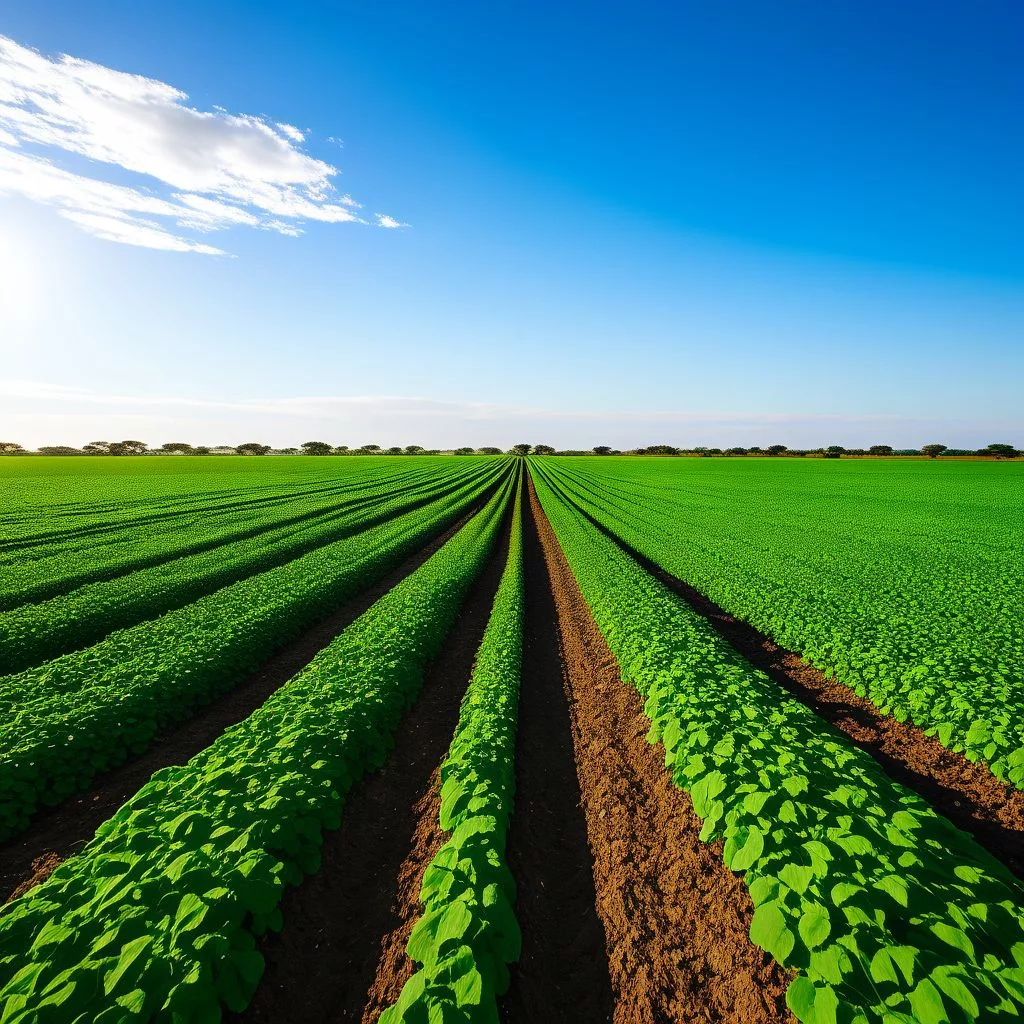
The Blouberg Potato Belt Development Programme is changing lives in Limpopo by helping farmers grow more potatoes with better tools, training, and irrigation. It supports over 700 hectares of farming, creates thousands of jobs, and brings in millions of rands each year, lifting many families out of poverty. Strong partnerships between government, businesses, and local leaders make this success possible, turning humble fields into symbols of hope and growth. Despite challenges, the community keeps pushing forward, showing how teamwork and hard work can build a bright future for rural South Africa.
What is the Blouberg Potato Belt Development Programme and its impact?
The Blouberg Potato Belt Development Programme boosts Limpopo’s rural economy by investing in irrigation, infrastructure, and training. It supports 742 hectares of potato farming, creates over 4,600 jobs, and generates R399 million annually, empowering local farmers and advancing sustainable agricultural growth.
Cultivating Hope: The Blouberg Potato Belt’s Journey to Agricultural Empowerment
A New Dawn for Blouberg’s Agricultural Landscape
As the first rays of daylight illuminate the rolling fields of Blouberg, a quiet transformation is unfolding in this corner of Limpopo. Farmers, government officials, industry partners, and community elders gather for the annual Market Information Day – a celebratory event that marks both progress and potential for the Blouberg potato belt. This gathering is not just a date on the calendar; it represents a shared commitment to reshaping the fate of rural communities through agricultural advancement.
Blouberg’s rise as a focal point within the Capricorn District’s agricultural economy stands as a testament to the determination and resourcefulness of its people. For years, local farmers persevered in the face of limited infrastructure and market access. However, the region’s inclusion in the district’s ambitious Potato Belt Development Programme in 2015 planted the seeds of a new era. Today, Blouberg’s fields are more than a source of sustenance – they are a symbol of resilience and renewal.
The transformation of this district is inseparable from South Africa’s broader efforts to revitalize rural economies. Here, the potato is more than a humble crop; it is the catalyst that fuels local enterprise and unlocks avenues for prosperity. By investing in infrastructure, training, and market access, the community has set the stage for a future defined not by subsistence, but by growth and dignity.
Building Prosperity: Investments, Infrastructure, and Opportunity
Since the inception of the Potato Belt Development Programme, Capricorn District has strategically allocated resources to maximize the region’s agricultural potential. Over 742 hectares now support thriving potato crops, a feat made possible by targeted investments in irrigation and marketing amenities. Eight projects in Blouberg benefit from modern irrigation systems, while six projects have gained access to new pack houses and marketing facilities at Sollys Boedery and Raletjena Farming. These enhancements have laid the foundation for a more efficient and competitive industry.
The commitment to infrastructure development extends beyond mere facilities. Over R140 million in conditional grants have flowed into the district, empowering farmers to adopt modern techniques and scale their operations. For the 2025/2026 financial year alone, authorities have earmarked R14.9 million to launch and complete three vital projects in Polokwane, Molemole, and Blouberg. These investments reflect a recognition that robust infrastructure serves not just the farmer, but also the wider community by creating jobs, improving market access, and fostering innovation.
The impact of these initiatives is unmistakable. Permanent employment now sustains 162 households, while up to 4,500 seasonal positions inject much-needed income during peak harvest periods. Annual gross revenue from the region’s potato activities stands at an impressive R399 million. This economic output goes well beyond numbers – it translates into school fees, healthcare access, and the fulfillment of long-held aspirations for hundreds of local families.
Collaboration and Innovation: The Power of Partnership
The progress in Blouberg could not have materialized without the cohesive efforts of a broad coalition. Government agencies, commodity groups, private corporations, and traditional authorities have all played vital roles in building the district’s agricultural future. Industry leaders such as Potato South Africa, PepsiCo, and NTK/VKB have partnered with the Department of Agriculture to channel expertise, capital, and market access into the region.
One standout example of partnership is the Agri Services Hub, an initiative made possible through collaboration between the Department of Agriculture and De Beers Venetia Mine. This hub serves as a nerve center for local agriculture, providing mechanization services, post-harvest facilities, and support for rotational cropping. Such resources, once out of reach for small-scale producers, now enable farmers to compete with larger commercial operations.
Land Bank’s financing programs and PepsiCo’s commitment to sourcing locally have injected much-needed capital and created new pathways for market participation. These alliances echo the structure of successful rural cooperatives seen elsewhere in the world, where shared risk and investment in local skills drive sustainable growth. The mentorship programs led by Potato South Africa have already propelled 19 farmers from subsistence to smallholder status. Among them, three have achieved the milestone of becoming full-fledged commercial producers, demonstrating that purposeful training and guidance yield measurable results.
Overcoming Hurdles: Addressing Challenges and Empowering Growth
Despite the impressive strides made, numerous hurdles continue to test the tenacity of Blouberg’s farmers. Limited access to mechanized equipment, reliance on informal markets for unwashed produce, and insufficient harvesting tools often hamper productivity. Many farmers also struggle to secure the capital necessary to expand their acreage or invest in crop rotation, which is critical for soil health and long-term yields. These challenges are not unique to this region; they mirror the struggles faced by smallholders worldwide.
Market Information Day acts as a springboard for tackling these obstacles. The event fosters direct exchange between farmers and industry experts, ensuring that knowledge and innovation circulate freely. Attendees gain insights into mechanization, value addition, market trends, and financial models tailored to smallholder realities. This open forum embodies the spirit of continuous improvement – farmers leave equipped with actionable ideas and the confidence to implement them.
Success stories continue to emerge from these collaborative efforts. Raletsena and Mazeli Farming, both operating in Blouberg, have secured off-take agreements with SIMBA (Pty) Ltd., covering more than 100 hectares and over 5,000 tonnes of potatoes. These achievements underscore the potential of smallholders to break into national supply chains and inspire others within the community to pursue similar opportunities.
The Dynamics of Community: Leadership, Inclusion, and the Way Forward
The renaissance of the Blouberg potato belt would be incomplete without the steadfast support of traditional leadership. Kgoshi Seakamela’s decision to allocate land for both individual farming and the Agri Services Hub has proven pivotal. His vision recognizes that sustainable development depends on shared stewardship and the collective empowerment of the community. By marrying tradition with modern practice, local leaders have helped cultivate an environment where innovation thrives without sacrificing cultural heritage.
The tapestry of stakeholders in Blouberg grows richer every year. Media platforms like Food for Mzansi amplify local narratives, connecting the region’s triumphs and challenges to the national conversation around food security and rural development. Government officials, cooperatives, and agribusinesses walk the fields alongside their partners, forging relationships that transcend bureaucracy and foster a sense of shared mission.
Central to this unfolding story is the role of women and young people. Their growing participation signals the dawn of a more inclusive era, where leadership and opportunity are not confined by age or gender. By actively engaging these groups, Blouberg ensures that the benefits of agricultural progress reach every corner of the community and that its future remains bright, dynamic, and resilient.
Beyond the Fields: A Blueprint for Rural Development
Blouberg’s model offers valuable lessons for communities far beyond its borders. By embracing sustainable practices such as four-year crop rotation, investing in mechanized support, and adding value through processing, the region positions itself as a leader in responsible and profitable agriculture. These strategies not only boost productivity but also safeguard the environment for generations to come.
As the sun rises higher over Blouberg’s landscape, the momentum of progress becomes unmistakable. The story unfolding here is one of collective determination – a spirit that transforms challenges into opportunities and dreams into reality. The journey of the Blouberg potato belt stands as proof that when communities unite with vision, resources, and resolve, they can cultivate not only crops, but hope, dignity, and lasting prosperity.
FAQ: Blouberg Potato Belt Development Programme
What is the Blouberg Potato Belt Development Programme and what impact does it have?
The Blouberg Potato Belt Development Programme is an agricultural initiative in Limpopo that focuses on boosting potato farming through improved tools, irrigation, infrastructure, and training. It supports over 742 hectares of potato farming, creates more than 4,600 jobs (including permanent and seasonal positions), and generates around R399 million annually. The program empowers local farmers, improves market access, and contributes to sustainable rural economic growth, helping lift families out of poverty.
How does the programme support local farmers and communities?
The programme provides farmers with access to modern irrigation systems, mechanized equipment, pack houses, and market facilities. It also offers extensive training and mentorship, enabling smallholder farmers to improve productivity and transition to commercial farming. Investments in infrastructure enhance efficiency, while partnerships with organizations like Potato South Africa and companies such as PepsiCo open pathways to local and national markets. These combined efforts create jobs, increase incomes, and improve living standards in the Blouberg area.
Who are the key partners involved in the Blouberg Potato Belt’s success?
Success is driven by collaboration among government departments, commodity groups, private sector companies, and traditional leaders. Key partners include the Department of Agriculture, Potato South Africa, PepsiCo, NTK/VKB, the Land Bank, and traditional authorities like Kgoshi Seakamela. Initiatives such as the Agri Services Hub, a joint effort with De Beers Venetia Mine, provide essential services including mechanization and post-harvest support, showcasing how diverse partnerships contribute to sustainable agricultural development.
What challenges do farmers in the Blouberg Potato Belt face, and how are they addressed?
Farmers still encounter obstacles like limited access to mechanized equipment, reliance on informal markets for unwashed potatoes, and difficulties securing capital for expansion and crop rotation. The programme addresses these through events like Market Information Day, where farmers connect directly with experts to learn about mechanization, market trends, and financial solutions tailored to their needs. Off-take agreements with companies like SIMBA (Pty) Ltd. offer guaranteed markets, helping farmers achieve stability and growth.
How does traditional leadership influence the development of the Blouberg Potato Belt?
Traditional leaders, especially Kgoshi Seakamela, play a vital role by allocating land for farming and infrastructure projects like the Agri Services Hub. This support fosters a collaborative environment that combines cultural heritage with modern agriculture. Traditional leadership ensures community ownership and sustainability, encouraging inclusive participation and reinforcing social cohesion essential for long-term success.
What broader lessons can other rural communities learn from the Blouberg Potato Belt model?
Blouberg exemplifies how focused investment in infrastructure, training, and partnerships can elevate smallholder farming into a commercially viable enterprise. Sustainable practices like four-year crop rotation and value addition through processing protect the environment while boosting productivity. The model highlights the importance of inclusivity – engaging women and youth – and shows how integrated, community-driven approaches can transform rural economies, offering a blueprint for agricultural and social development nationwide.