South Africa is facing a big challenge as the United States plans to add heavy taxes on key minerals like gold, diamonds, and manganese. This threat could cost jobs and money because the US is one of South Africa’s biggest buyers. While platinum metals are still safe for now, the country worries about losing important markets. South Africa is exploring new ways to grow its economy, like processing minerals locally and finding new buyers, hoping to turn this crisis into a chance to build a stronger future.
What impact will American tariffs have on South African mineral exports?
American tariffs threaten South African mineral exports by imposing up to 30% duties on gold, diamonds, and manganese, risking jobs and revenue. While platinum group metals (PGMs) are currently exempt, broader tariffs could disrupt trade, pressuring South Africa to diversify markets and increase local mineral processing.
The Early Warnings: A Shift in the Trade Winds
As dawn breaks over Johannesburg’s financial heart, whispers of a new threat ripple through boardrooms and mining operations alike: the United States may soon slap heavy tariffs on South African mineral exports. For those attuned to the pulse of international commerce, this development is less a bolt from the blue and more the latest rumble in the ongoing interplay between natural riches and global power struggles. Gwede Mantashe, South Africa’s Mineral Resources Minister, didn’t sugarcoat the situation. He made it clear that these warnings arrive at a moment already charged with geopolitical friction and mounting concern over the future of key minerals. South Africa now faces not only an immediate threat to its export resilience but also a deeper reckoning with its position in the evolving global mineral landscape.
The numbers tell a story of deep entanglement. In the previous year, South Africa exported R65.3 billion (about $3.64 billion) worth of minerals and precious metals to the US. Platinum group metals (PGMs) – vital for everything from car exhaust systems to high-tech manufacturing – accounted for more than three-quarters of these exports. This relationship underscores not just mutual benefit but also significant exposure to external shocks.
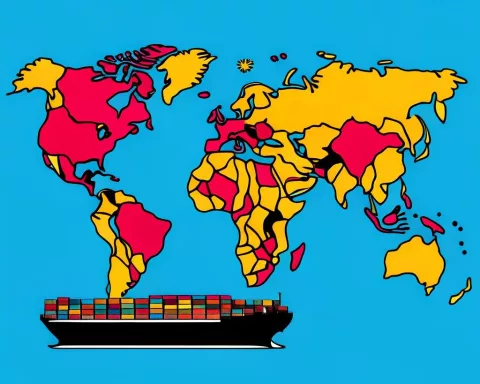
International trade’s intricate web means that changes in one part of the world send ripples across continents. The US, increasingly wary of overdependence on China, has begun scrutinizing its mineral supply chains from all angles. As a result, South Africa – rich in resources but reliant on global markets – finds itself in the crosshairs of Washington’s new trade calculus.
Tariffs on the Horizon: Navigating Uncertainty
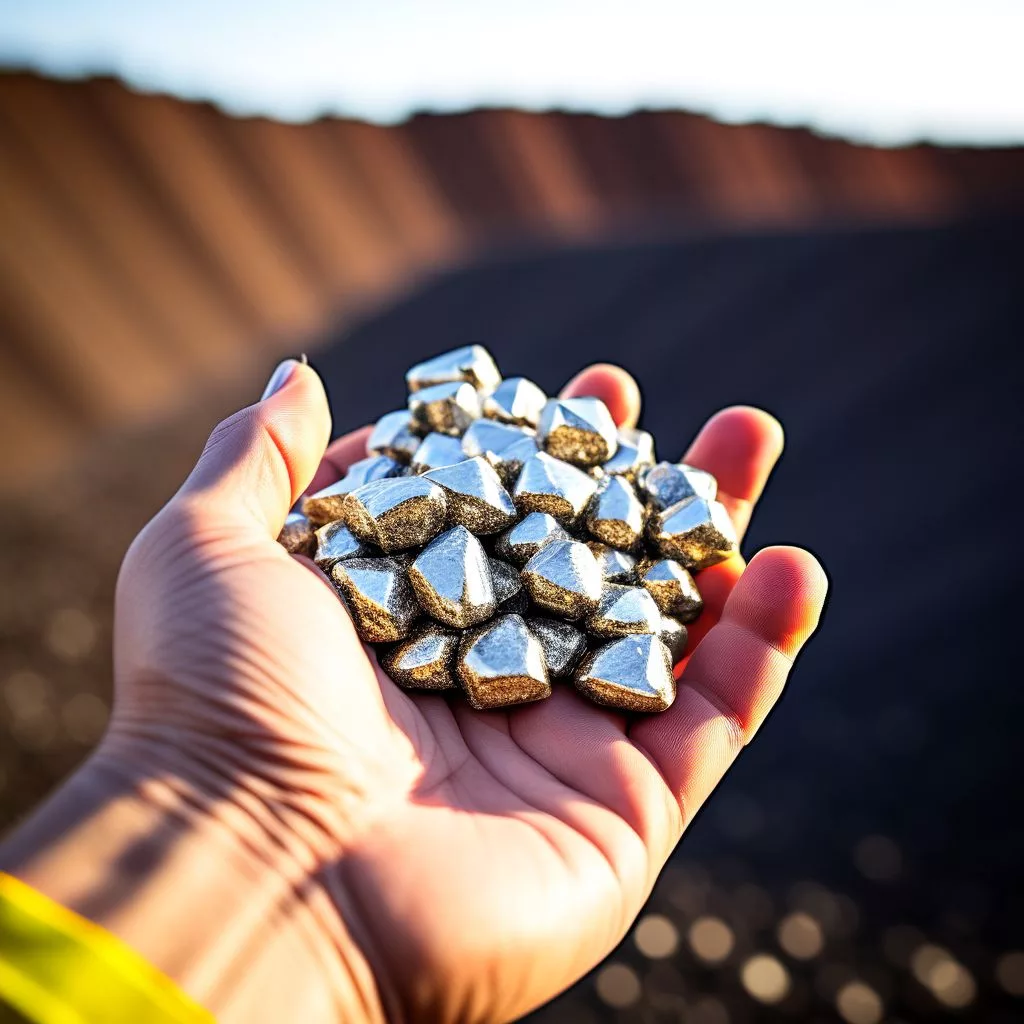
The scope of the looming American tariffs extends far beyond a single mineral. Gold, diamonds, and manganese all stand in the line of fire, with possible escalation if diplomatic efforts falter. The proposed 30% tariff, scheduled for implementation on August 1, currently exempts PGMs – a narrow window of relief that could close at any moment. South Africa’s mining giants, including Valterra Platinum and Impala Platinum, have traditionally thrived on dependable US demand. For decades, Detroit’s automakers and New York’s traders have relied on South African PGMs, building a robust trade link that supports thousands of jobs and generates crucial government revenue.
However, history offers sobering lessons. Trade relations suffered severe disruptions during the 1980s when apartheid-era sanctions decimated South Africa’s gold industry. Later, volatility in the global diamond market sent further shockwaves through mining communities. The present crisis, though, comes with added urgency. The international competition for critical minerals – now vital for renewable energy, electronics, and defense – echoes age-old rivalries, but today’s struggle intertwines with rapid technological change and climate imperatives.
Minister Mantashe’s reaction mixes boldness with pragmatism. He rejects any notion of being strong-armed over national resources, invoking the legacy of a nation that once saw its mineral wealth siphoned away by colonial powers. South Africa’s leadership seeks partnerships grounded in mutual respect – yet reality bites. Negotiators have placed a counterproposal before American officials, but the outcome remains uncertain. This moment forces South Africans to confront tough questions about sovereignty and economic survival in a world where trade regulations can transform overnight.
The Roots and Realities of Mineral Wealth
South Africa’s mineral saga is deeply interwoven with the modern history of capitalism. The diamond rush in Kimberley and the gold discoveries in Witwatersrand fueled migrations, shaped economies, and influenced politics across Africa. These resource booms funded industrial empires and, ultimately, global markets.
Platinum, in particular, transformed from a luxury metal to an industrial necessity over the twentieth century. Its applications expanded from jewelry into catalytic converters, medical equipment, and, more recently, into energy storage and hydrogen fuel cells – a cornerstone of the green transition. Cultural movements, too, celebrated these gleaming metals: art deco’s shimmering surfaces and the futurists’ passion for industrial materials both drew inspiration from the mineral age. Yet mining came at a cost. Workers faced hazardous conditions and social upheaval, while land dispossession and environmental degradation left lasting scars.
Today, the mineral sector remains central to South Africa’s economic health, but it also signals vulnerability. The US is the second-largest destination for South African minerals after China, making any new tariffs a potential body blow to the industry. If Washington broadens its restrictions to include PGMs, the consequences will reverberate far beyond mining operations – potentially threatening jobs, public finances, and investor confidence.
South African officials and industry leaders have advocated for diversification. Yet finding alternative buyers to match American demand is a daunting task. Europe and Japan import PGMs, but at lower volumes. India’s growing automotive sector offers promise, though logistical bottlenecks and regulatory barriers pose challenges. The prospect of boosting trade within Africa is enticing, especially through initiatives like the African Continental Free Trade Area (AfCFTA), but infrastructure deficits and political fragmentation slow progress.
Charting a New Course: Opportunities Amid Crisis
Some experts urge South Africa to move up the value chain by processing more minerals domestically before export. By refining raw gold, cutting diamonds, or manufacturing finished catalytic converters within its borders, the country could reap a greater share of the profits. Botswana’s success with diamond beneficiation illustrates the transformative potential of such a shift. However, making this leap requires investment in technology, workforce training, and careful management of powerful interests at home and abroad.
Others see hope in the world’s pivot to green energy. As the global appetite for “new economy” minerals – lithium, cobalt, rare earth elements – swells, South Africa must weigh its competitive advantages, invest in exploration, and cultivate innovation. The country’s researchers and entrepreneurs are already advancing in fields like battery technology and hydrogen fuel cells, hinting at a future where local minerals support not only traditional industries but the renewable energy revolution as well.
Geopolitical factors further complicate the landscape. America’s drive to reduce dependence on Chinese-controlled supply chains has elevated “resource security” as a policy priority. Lessons from the COVID-19 pandemic and previous trade wars have heightened this urgency. For South Africa, the challenge lies in managing old alliances while pursuing new opportunities. Its positions on contentious issues – such as its legal action against Israel and domestic policies – color its trade relationships, reminding all parties that economic decisions unfold within a broader diplomatic context.
On the ground, the uncertainty takes a human toll. At a platinum mine near Rustenburg, workers whisper about possible layoffs. Diamond exporters scramble to secure buyers in new markets amid shifting regulations. Young students studying mineral engineering wonder whether their chosen field holds a future. Yet resilience endures. As one seasoned miner put it, “We’ve survived tough times before; each challenge forces us to adapt anew.” This chapter is not a sharp break with the past, but another turn in South Africa’s ongoing negotiation with its mineral endowment – extracting, adapting, and striving for a fairer stake in an unpredictable world.
South Africa stands at a pivotal juncture. American tariffs threaten to disrupt a symbiotic trade relationship and force tough choices about economic strategy and international alignment. The stakes are high: jobs, national revenue, and the ability to chart an independent path in a world of shifting alliances hang in the balance.
Yet within this moment of uncertainty lies the possibility for reinvention. By investing in value addition, diversifying markets, and harnessing the potential of the green economy, South Africa can navigate the turbulence and emerge stronger. The nation’s history demonstrates a remarkable capacity for adaptation. As global dynamics continue to evolve, South Africa’s journey with its mineral wealth remains a crucial story – one that will shape not just its own future, but the trajectory of the global economy in the years to come.
FAQ: South Africa and the Threat of American Tariffs on Mineral Exports
1. What minerals are targeted by the proposed American tariffs on South African exports?
The United States plans to impose tariffs of up to 30% on key South African minerals including gold, diamonds, and manganese. Currently, platinum group metals (PGMs) such as platinum, palladium, and rhodium are exempt from these tariffs, but this exemption could change depending on future negotiations. These minerals are critical to various industries, including automotive, electronics, and jewelry.
2. How could these tariffs affect South Africa’s economy and employment?
South Africa could face significant job losses and revenue declines as the U.S. is one of its largest export markets for minerals, with exports valued at around $3.64 billion last year. Mining companies and communities reliant on mineral exports to the U.S. risk disruption. If tariffs extend to PGMs, which constitute the majority of South African mineral exports to the U.S., the economic impact could be even more severe, affecting public finances and investor confidence.
3. Why is the United States imposing tariffs on South African minerals?
The U.S. aims to reduce its dependence on mineral supply chains dominated by China and to secure access to critical minerals necessary for its industries and green energy transition. The tariffs are part of a broader strategy to exert pressure on trade partners and encourage diversification and domestic processing of minerals. The move reflects geopolitical tensions and the strategic importance of mineral resources in global trade and technology.
4. What strategies is South Africa considering to respond to these tariff threats?
South Africa is exploring several responses:
– Increasing local processing and beneficiation of minerals to add value before export.
– Diversifying export markets by seeking new buyers in Europe, Asia, and within Africa, including through the African Continental Free Trade Area (AfCFTA).
– Investing in mining innovation, research, and green economy minerals like lithium, cobalt, and rare earth elements.
– Engaging in diplomatic negotiations with the U.S. to mitigate tariff impacts.
These efforts aim to reduce vulnerability to trade shocks and build a more resilient mineral economy.
5. How does South Africa’s mineral history influence its current situation?
South Africa’s mineral wealth has shaped its economic and political history, from the diamond rush in Kimberley to the gold mines of the Witwatersrand. Mining has driven industrial growth but also caused social and environmental challenges. The country’s expertise in minerals like platinum has positioned it as a key player in global markets, but historical dependencies and past trade disruptions (such as apartheid-era sanctions) highlight vulnerabilities. This legacy informs the current push for economic sovereignty and fair trade practices.
6. What opportunities could arise from this crisis for South Africa’s mineral sector?
Despite the challenges, the tariff threat could catalyze positive transformation:
– Developing domestic refining and manufacturing industries to capture more value locally, similar to Botswana’s success with diamond beneficiation.
– Leveraging South Africa’s potential in green technologies, including hydrogen fuel cells and battery materials, to align with global renewable energy trends.
– Strengthening regional trade and cooperation under initiatives like AfCFTA to reduce dependence on traditional markets.
– Encouraging innovation and workforce skills development to support a modernized mining sector.
These steps could help South Africa build a more diversified, sustainable, and competitive mineral economy for the future.