South Africa is making a bold move by inviting private companies to help build and expand its electricity grid, aiming to fix old problems and bring in more clean energy. With a huge plan to add 14,000 kilometers of new power lines and a special fund to protect investors, the country wants to make power more reliable and green. This fresh approach will create jobs, open new markets, and connect sunny and windy places to cities hungry for clean energy. It’s not just about electricity – it’s about building a brighter, fairer future for all South Africans.
What is South Africa’s new approach to expanding its electricity transmission network?
South Africa is opening its electricity transmission market to private companies through Independent Transmission Projects (ITPs) to modernize the grid, attract investment, and support renewable energy. This includes a Credit Guarantee Vehicle to reduce risks and a 14,000 km expansion plan for a reliable, green, and inclusive power future.
Opening a New Chapter in South Africa’s Energy Story
A chill lingers in the early Pretoria air as delegates from government, business, and the media settle into the National Treasury’s stately auditorium. The day promises change. Deputy Finance Minister David Masondo steps to the podium, his words marking a pivotal milestone: the formal invitation for independent companies to help expand South Africa’s electricity transmission network. This Request for Pre-Qualifications for Independent Transmission Projects (ITPs) may seem a technical moment, but its impact will reverberate across economies, communities, and the country’s very prospects for growth.
For decades, South Africa’s power grid stood as a monument to a state-led vision, its lattice of lines binding cities to industry, and rural villages to modernity. Yet, as rolling blackouts and aging infrastructure darkened the national mood, it became clear that the old model could no longer deliver. The turn toward private involvement in transmission represents not only policy evolution but a reimagining of what it means to keep the lights on for a nation of sixty million.
This historic shift takes shape against the backdrop of a global energy transition. As other countries – from postwar Europe to twenty-first-century India – have learned, breaking energy bottlenecks requires more than technical fixes; it demands fresh alliances, bold reforms, and a willingness to redraw old boundaries between the public and private sectors. South Africa is now writing its own new chapter.
Catalysts and Collaboration: The Roots of Reform
The seeds of today’s announcement were sown by necessity. South Africa’s Operation Vulindlela, a flagship programme driving economic reform, responded to daily power cuts and mounting frustration from households and business. The problems mirror those faced in past crises elsewhere – whether the blackouts that spurred America’s vast electrification push or the grid reforms that helped rebuild Europe’s shattered economies. Yet South Africa’s journey has a distinct texture, shaped by years of state monopoly under Eskom and the determination to forge a more competitive and resilient energy sector.
By launching a formal process for private companies to pre-qualify for transmission projects, government is laying the groundwork for a diversified power market. No longer will one entity determine the flow of electrons from generation to consumer. Instead, the vision is for an open marketplace, where firms compete to deliver reliable, affordable power. The stakes could not be higher: securing the grid means not just avoiding blackouts, but unlocking investment, jobs, and new industrial opportunity.
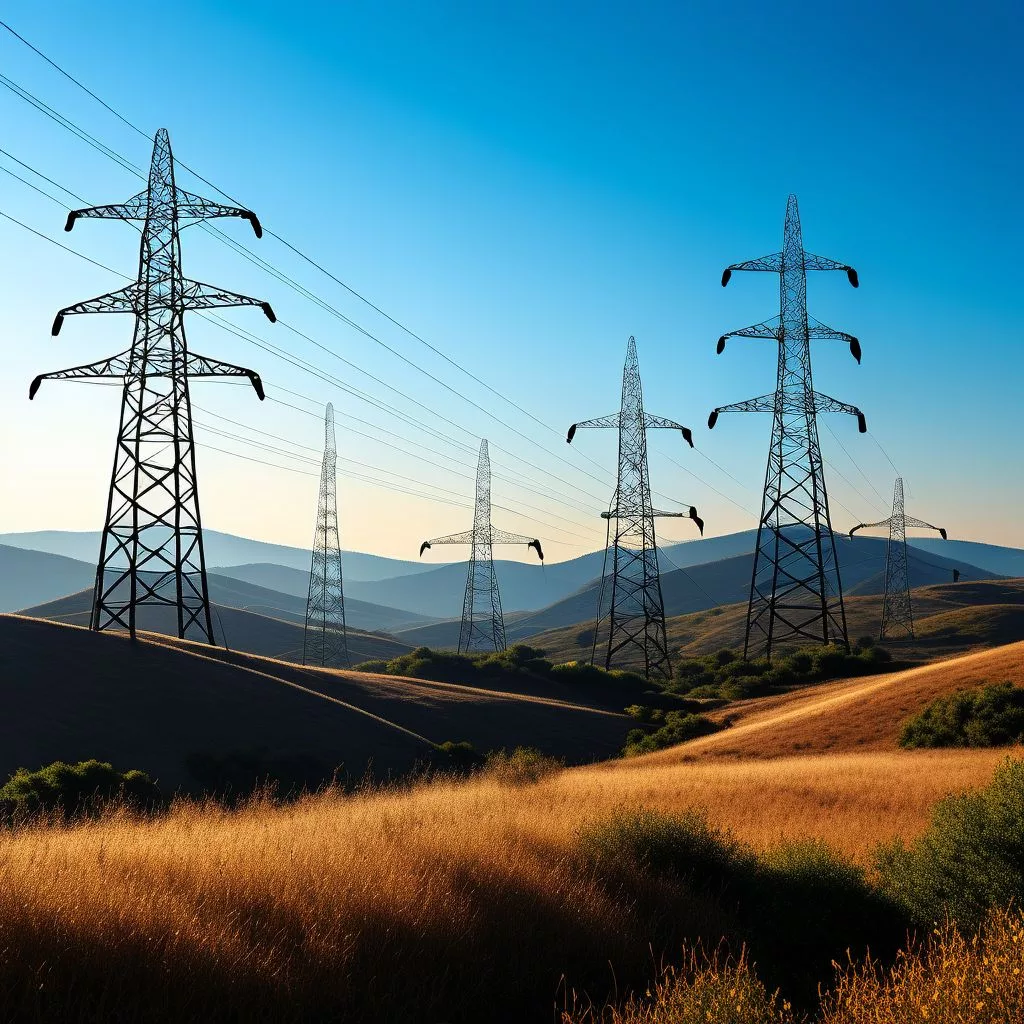
At the center of this reform sits an ambitious Transmission Development Plan. Engineers and planners have mapped out more than 14,000 kilometers of new high-voltage lines, to be built over the coming decade. The scale rivals the great infrastructure undertakings of the twentieth century, yet today, state coffers alone cannot fund such aspirations. The gap between what South Africa needs and what public funds can deliver – some R4 trillion in total infrastructure by 2025 – has become a call to action for collaborative investment.
A key innovation is the introduction of the Credit Guarantee Vehicle, a financing structure designed to reassure private investors who might otherwise shy away from the risks of large, capital-intensive projects. Jointly developed by the National Treasury and international partners, this mechanism uses guarantees to absorb early losses and distribute risk more evenly, making it possible for pension funds, banks, and global investors to participate with confidence.
Wiring in the Green Revolution: Transition and Justice
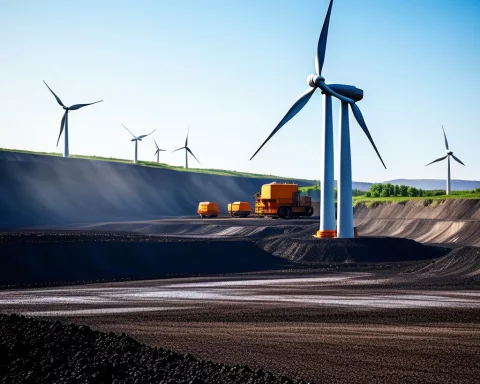
Steel towers and copper lines may define the transmission network’s physical presence, but its purpose is now deeply colored by the green imperatives of the Just Energy Transition Partnership (JETP). South Africa’s path to a low-carbon future requires not only closing coal plants but unlocking renewable energy at scale – wind farms in the Karoo, solar plants in Limpopo, and battery storage from coast to savanna. Yet none of these projects can proceed if the transmission grid remains a bottleneck.
In this context, the new ITP program becomes much more than a procurement exercise. It is a bridge between economies old and new, connecting South Africa’s industrial heartland to the sun-rich and wind-blessed regions that will power the next era. The transmission buildout is designed not only to move electrons efficiently, but to move people and communities forward – offering jobs, training, and new business for areas long left behind.
Minister Masondo’s remarks underscore this holistic vision. He points not just to gigawatts of clean energy, but to the “energy system of the future,” one where decarbonization and inclusion go hand in hand. The hope is that as investment flows, so too will opportunities for local entrepreneurs, artisans, and graduates, ensuring the transition is both just and shared.
The Credit Guarantee Vehicle itself will be structured with the rigor of a modern financial institution, aiming for the highest credit ratings and robust risk oversight. It will be incorporated as a private company, overseen by an expert board and management team, with ongoing supervision from the country’s financial regulators. This institutional architecture signals to investors – local and international – that South Africa’s commitment to reform runs deep and is backed by sound governance.
Scaling Up: Capital, Coordination, and the Road Ahead
Turning blueprints into steel and wire will demand immense resources. To kick-start the process, the Credit Guarantee Vehicle will seek to raise at least $500 million in initial capital – anchored by a $100 million pledge from National Treasury, with the possibility of rising to half a billion dollars as projects ramp up. This “first loss” protection ensures that private and development partners are shielded from the highest levels of risk, catalyzing wider participation.
The response from the investment community has been swift: more than thirty global partners have signaled their interest. The scale of the challenge is clear – South Africa needs about R400 billion per year just to bridge its infrastructure deficit – but so is the momentum. As legal agreements are finalized and capital commitments locked in, the stage is set for construction to begin in earnest, with the first ITP-backed projects slated to break ground by mid-2026.
Synchronizing the rollout of new capital, technical planning, and project delivery will require discipline and coordination, much like the orchestration of a complex symphony. Yet, with clear timelines and accountability, South Africa is well positioned to deliver on its promises, ensuring that new lines not only connect power plants to cities, but opportunity to people.
As the Pretoria gathering disperses, the sense of history is unmistakable. South Africa’s leap toward independent transmission projects is more than a technical fix – it is a bold experiment in partnership, innovation, and national renewal. In the interplay between public resolve and private ingenuity, the country is forging a path that others may one day follow.
From the retro lines of Johannesburg’s Art Deco substations to the gleaming pylons soon to rise across open veld, South Africa’s grid is being redrawn for a new era. The ITP initiative, underpinned by novel financing and a broad coalition, is a testament to what can be achieved when vision meets action. As wires stretch across the landscape, they carry not just electricity, but the hopes of a nation determined to power its own future.
What is South Africa’s new approach to expanding its electricity transmission network?
South Africa is opening its electricity transmission sector to private companies through Independent Transmission Projects (ITPs). This approach aims to modernize the grid, attract private investment, and support the integration of renewable energy sources. The plan includes the construction of 14,000 kilometers of new power lines and the establishment of a Credit Guarantee Vehicle to reduce financial risks for investors, making the transmission network more reliable, green, and inclusive.
Why is South Africa involving private companies in its electricity transmission expansion?
For decades, South Africa’s electricity grid was managed primarily by the state-owned utility Eskom. However, aging infrastructure and frequent blackouts demonstrated the limitations of this model. Inviting private companies introduces competition, innovation, and additional capital, which are essential to upgrading the grid, reducing bottlenecks, and supporting the country’s energy transition. This shift also aims to create jobs, stimulate economic growth, and open new markets for clean energy.
What is the Credit Guarantee Vehicle and how does it support this initiative?
The Credit Guarantee Vehicle is a financial mechanism designed to lower the risks for private investors involved in large, capital-intensive transmission projects. Developed by the National Treasury in collaboration with international partners, it provides “first loss” protection by absorbing early financial losses, thus encouraging pension funds, banks, and global investors to participate confidently. It operates as a private company with strong governance and oversight from financial regulators.
How will the transmission expansion support South Africa’s green energy goals?
The new transmission lines will connect regions rich in renewable resources – such as solar in Limpopo and wind in the Karoo – to major urban and industrial centers. By removing grid bottlenecks, this expansion enables large-scale integration of clean energy sources, facilitating South Africa’s transition from coal-based power to a low-carbon energy system under the Just Energy Transition Partnership (JETP). This not only helps reduce carbon emissions but also promotes energy justice by creating local jobs and economic opportunities.
What economic and social benefits does South Africa expect from the transmission expansion?
Beyond improving electricity reliability, the plan is expected to create thousands of jobs in construction, engineering, and maintenance. It will stimulate local economies by involving entrepreneurs, artisans, and graduates – particularly in historically disadvantaged areas. The initiative also aims to foster a more competitive energy market, which can lead to affordable power prices and increased industrial growth, contributing to a fairer and more inclusive economy.
When will construction on the new transmission projects begin and what are the funding goals?
The Credit Guarantee Vehicle aims to raise at least $500 million in initial capital, including a $100 million pledge from the National Treasury. This funding will help kick-start the first Independent Transmission Projects, with construction expected to begin by mid-2026. Over time, as projects ramp up, private and development partners’ involvement will grow, addressing South Africa’s estimated infrastructure deficit of roughly R400 billion per year and ensuring steady implementation of the 14,000 km expansion plan.