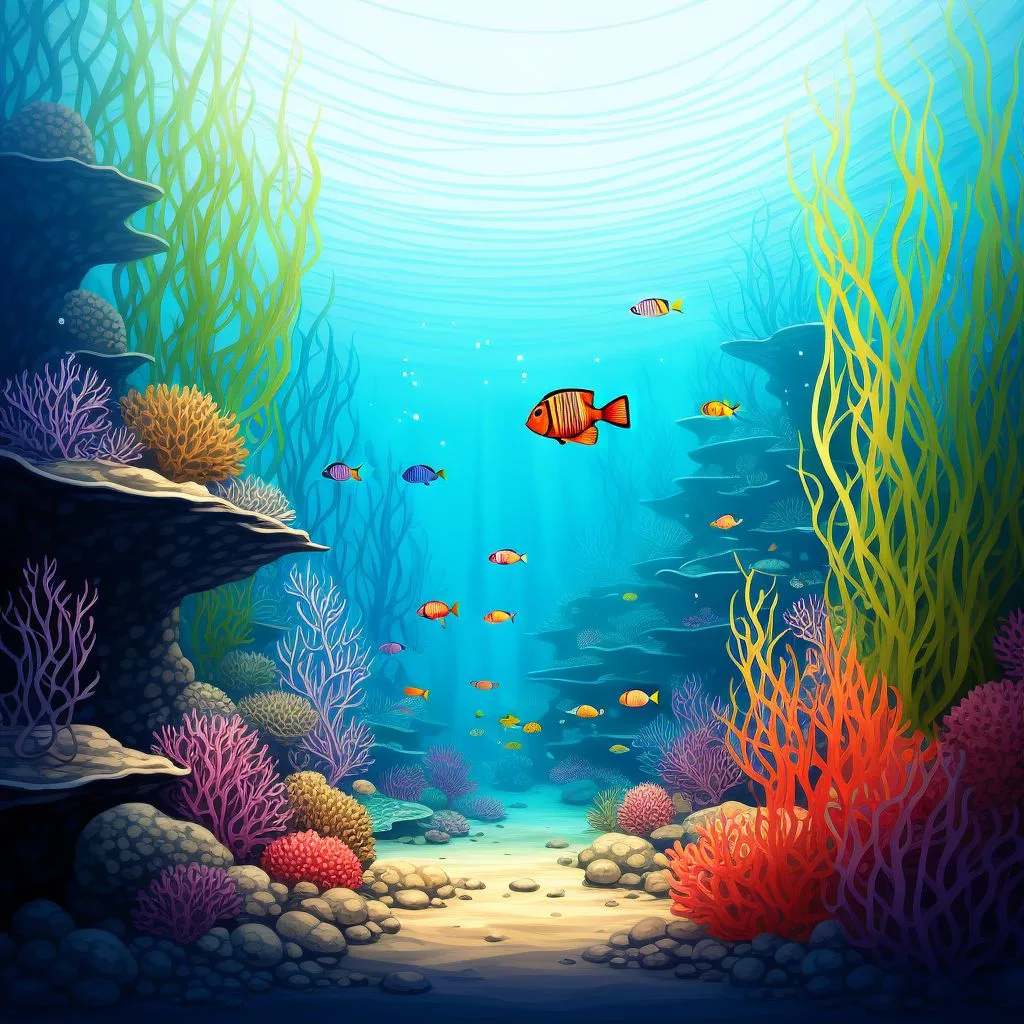
Cape Town’s Marine Protected Areas (MPAs), like the Helderberg MPA, are special places where the ocean and coast are carefully cared for to protect plants, animals, and people’s way of life. These areas are alive with colorful kelp forests, busy fish, and playful shorebirds, offering both a home for wildlife and a classroom for curious explorers. The community comes together each year to celebrate and protect these treasures, understanding that the ocean’s health depends on everyone’s care. Through science, art, and teamwork, Cape Town keeps its marine world vibrant and full of hope for the future.
What are Cape Town’s Marine Protected Areas and why are they important?
Cape Town’s Marine Protected Areas (MPAs), like the Helderberg MPA, safeguard diverse coastal ecosystems, including kelp forests and sandy beaches. They support biodiversity, sustainable fisheries, tourism, and community education, ensuring ecological health and cultural heritage are preserved for future generations.
Cape Town’s Coastal Guardians: The Living Legacy of Marine Protected Areas
Awakening to the Ocean: A Community Embraces Marine Heritage
As dawn breaks over Cape Town’s Helderberg coast on August 2, 2025, the city stirs with anticipation. World Marine Protected Areas Day has arrived, inviting residents from all walks of life to the water’s edge. The day’s theme, “Ocean protection needs human connection,” reverberates through the crisp air, calling forth teachers, scientists, artists, and families. They gather not just to witness the beauty of the coast, but to participate in its safeguarding – a tradition as vital as the tides themselves.
The Helderberg Marine Protected Area (MPA) stretches gracefully between the Lourens and Eerste Rivers, a dynamic landscape where the land’s story meets the ocean’s endless narrative. Here, every grain of sand and strand of kelp tells a tale, reflecting the complex dance of currents, seasons, and human footprints. A child’s laughter echoes alongside the cry of a gull, each marking their presence on this living tapestry.
Cape Town’s Environmental Management Department orchestrates these annual celebrations, shaping each event to reflect the city’s commitment to its marine legacy. They bring together a mosaic of voices and expertise, recognizing that successful stewardship depends on both local wisdom and global best practices.
Helderberg MPA: Where Ecology and Community Meet
The Helderberg MPA exists as a sanctuary – a quiet yet vibrant corridor between river mouths where rich habitats flourish. Its landscapes shift constantly: mobile dunes drift with the wind, sandy beaches glisten under the sun, and beneath the surface, swaying kelp forests host bustling communities of fish, crustaceans, and sea stars. The area offers not just a spectacle for the eye, but a field laboratory for ecological discovery.
Visitors often marvel at the diversity that thrives here. Plovers tiptoe along the shoreline, sifting for morsels at low tide. In the dunes, a child’s plastic bucket – momentarily forgotten – reminds us that the boundary between play and preservation is thin. This coast is as much a classroom as it is a sanctuary, inviting curiosity and responsibility in equal measure.
Safeguarding this delicate ecosystem demands a multi-faceted approach, blending scientific research with community engagement and careful policy. Cape Town’s stewardship philosophy channels the careful attention of a Renaissance artist, treating each habitat as a vital brushstroke in a larger masterpiece. Alderman Eddie Andrews, Deputy Mayor and head of Spatial Planning and Environment, often speaks of the Helderberg MPA as “a cornerstone of our natural heritage,” underscoring the area’s value far beyond economics.
Science in Action: Protecting Life Beneath the Waves
The heart of effective marine conservation lies in understanding and observing the intricate web of life. Within the Helderberg MPA, scientists and volunteers alike engage in hands-on projects throughout the year. Seasonal fish tagging – conducted during both summer and winter – serves as a cornerstone of the city’s ecological monitoring. This practice, reminiscent of the meticulous cataloging done by naturalists centuries ago, enables researchers to track the journeys and habits of key fish species. Every tagged fish becomes a living data point, contributing to a growing body of knowledge about migration, population health, and changing environmental conditions.
This scientific vigilance does not exist in a vacuum. The data collected informs both policy and public education, ensuring that conservation efforts remain adaptive and effective. Cape Town’s approach echoes the integrated thinking of global conservation pioneers, who recognized that healthy marine ecosystems support not only biodiversity but also the well-being of human communities.
Guided walks form an essential part of the MPA Day program, blending exploration with education. Local experts lead groups along the shoreline, pausing to highlight the delicate markings left by sand hoppers or the architectural marvels of intertidal rock pools. These experiences evoke the spirit of Victorian-era naturalists, who inspired generations by blending observation and storytelling. Today, as guides discuss the threats posed by plastic debris or the critical nesting habits of coastal seabirds, the message is clear: the fate of the ocean is intimately tied to human behavior.
Community, Culture, and the Art of Conservation
Cape Town’s relationship with the ocean stretches back centuries, blending ancient reverence with modern stewardship. Indigenous peoples once observed ritual protections over certain reefs and bays, recognizing the sea’s rhythms as sacred. In the contemporary era, city leaders and citizens work together under the Integrated Coastal Management Policy, aiming to preserve this legacy for future generations. The policy strives to unite ecological science, regulatory frameworks, and community action – a holistic approach that recognizes both pragmatic needs and deeper values.
The MPA is more than a boundary; it is a living laboratory and an expression of shared identity. Projects such as regular beach clean-ups and the monitoring of vulnerable bird populations bring together diverse groups, fostering a tangible sense of collective purpose. On MPA Day, the city’s request for leashed dogs and adherence to no-fishing rules is not mere bureaucracy. It is a call to partnership. Dogs running free can disrupt nesting birds, while illegal fishing undermines years of careful balance. Community cooperation, rooted in mutual respect, makes conservation real.
Artists, too, find endless inspiration along these protected coasts. The interplay of sunlight on water, the shifting hues of the kelp forests, and the choreography of seabirds all fuel creative expression. Each painting, photograph, or poem becomes an act of celebration and advocacy, reminding the public of what’s at stake and what’s possible.
The Ripple Effect: Social and Economic Benefits Flow from Protection
MPAs contribute to more than just ecological health – they also strengthen local economies and social fabric. Tourism thrives where the coastline is vibrant and accessible, drawing visitors from near and far to experience Cape Town’s natural wonders. Responsible fisheries benefit from spillover effects, as thriving populations within the MPA help replenish stocks outside its boundaries. This dynamic, observed from the Mediterranean to the Pacific, finds fertile ground in Cape Town’s own waters.
Local fishers appreciate the long-term security that MPAs provide, even as they navigate the challenges of changing regulations. Healthy reefs and kelp beds supply the foundation for sustainable livelihoods, ensuring that future generations can continue traditional practices. Meanwhile, educators, students, and nature lovers all find new opportunities for learning and recreation along the city’s protected shores.
As the morning’s guided walk transitions into an energetic beach clean-up, participants experience the direct connection between individual action and collective outcome. Each piece of plastic removed, each fragment of fishing line collected, represents a small victory – a ritual of care echoing the ancient seasonal gatherings that once marked the rhythms of coastal life.
Toward a Blue Horizon: Renewal and Hope
World Marine Protected Areas Day in Cape Town is more than a ceremonial date. It is a living reminder that protection and renewal go hand in hand. The challenges facing the Helderberg MPA – ranging from climate disruption to pollution – are daunting. Yet the energy of the community, city leadership, and partners reveals a determination rooted in both tradition and innovation.
As conversations flow among volunteers, a sense of hope mingles with realism. The path forward will require ongoing dedication, but the rewards – measured in healthy ecosystems, resilient communities, and the enduring beauty of the coast – are profound.
Marine Protected Areas like Helderberg are not static preserves. They are dynamic, evolving spaces where the stories of nature and culture intertwine. By investing in their future, Cape Town honors its past and sets a shining example for coastal cities worldwide. In this work, every hand, every voice, and every heart matters – ensuring that the ocean’s legacy endures for generations to come.
What are Marine Protected Areas (MPAs) in Cape Town and why are they important?
Marine Protected Areas (MPAs) in Cape Town, such as the Helderberg MPA, are designated coastal and marine zones where ecosystems like kelp forests, sandy beaches, and rocky shores are carefully conserved. These areas protect biodiversity, support sustainable fishing, promote tourism, and serve as outdoor classrooms for education. MPAs help maintain ecological balance and preserve the region’s natural heritage for future generations.
How does the Helderberg MPA benefit both wildlife and local communities?
The Helderberg MPA serves as a sanctuary for diverse marine life including fish, crustaceans, sea stars, and shorebirds. It provides critical habitats where species thrive, such as kelp forests and mobile sand dunes. For local communities, the MPA supports sustainable livelihoods, including responsible fisheries and eco-tourism, while fostering environmental awareness and cultural connection through events and educational programs.
What activities take place during World Marine Protected Areas Day in Cape Town?
Every year on August 2nd, Cape Town celebrates World Marine Protected Areas Day by bringing together scientists, educators, artists, families, and volunteers at sites like Helderberg MPA. Activities include guided nature walks, fish tagging, beach clean-ups, and public talks that combine science and storytelling. These events emphasize human connection to the ocean and encourage community stewardship of marine environments.
How is scientific research conducted within the Helderberg MPA?
Scientific efforts in the Helderberg MPA involve hands-on monitoring projects such as seasonal fish tagging to track migration patterns and population health. Data collected informs adaptive conservation policies and public education. Additionally, researchers study intertidal zones, kelp forest ecosystems, and bird populations to better understand environmental changes and threats like pollution and climate impacts.
What role does community involvement play in conserving Cape Town’s MPAs?
Community participation is crucial for successful conservation. Cape Town’s environmental authorities work closely with residents, fishers, schools, and artists to foster a shared sense of responsibility. Activities like beach clean-ups, bird monitoring, and adherence to regulations (e.g., no fishing and leashed dogs during nesting seasons) help protect vulnerable species and habitats. This collaborative approach blends traditional knowledge with modern science.
What are the broader social and economic benefits of Cape Town’s MPAs?
Beyond environmental protection, MPAs bolster local economies by enhancing eco-tourism and stabilizing fisheries through the spillover effect – where fish populations grow inside protected zones and support catches outside. MPAs also create meaningful educational and recreational opportunities, strengthening community identity and resilience. Ultimately, they contribute to the sustainable development of coastal areas, securing both natural and human well-being.