The United States has slapped a 30% tariff on many South African exports, making their goods more expensive and harder to sell in the US market. This sudden change hits important industries like citrus, wine, and steel, forcing businesses to scramble for new customers and government help. Despite the tough times, South African companies are showing grit and creativity, exploring new markets and finding fresh ways to survive. The government is working hard to keep talks open with the US, hoping for a fair solution without trade fights. Even with uncertainty ahead, South Africa’s spirit of resilience shines bright.
What impact do US tariffs have on South African exports?
US tariffs impose a 30% tax on South African goods, increasing costs for exporters and threatening access to the American market. This disrupts industries like citrus, wine, and steel, forcing businesses to adapt, seek new markets, and rely on government support to survive amid rising trade barriers.
Shifting Winds: A Sudden Blow to South African Exporters
Before sunrise in Johannesburg, news travels fast – on WhatsApp groups, around kitchen tables, and in the offices of business leaders. The word is out: the United States now imposes a hefty 30% tariff on South African exports. The headlines land with unmistakable gravity in Parliament and the export hubs of Gauteng and the Western Cape. South African small businesses, already anxious after months of fraught negotiations with Washington, must now face this new reality.
The atmosphere is tense yet determined. Business leaders, who watched trade talks teeter between hope and disappointment, now weigh their options. The swift policy change, rooted in the US government’s latest demands for reciprocal trade, reverberates through every tier of South Africa’s export economy. From bustling distribution centers to the smallest family-run farms, the question is the same: how to adapt and survive in an altered landscape?
The US’s decision marks a disruptive turn. For years, South African exporters enjoyed preferential access to American markets, a relationship nurtured through decades of economic cooperation. Now, with a single policy shift, that partnership enters a period of uncertainty and recalibration.
Tracing the Roots: A History of Collaboration and Change
South Africa’s economic ties with the United States stretch back generations, shaped by mutual interest and evolving diplomatic currents. Citrus, wine, steel, and auto parts have long crossed the Atlantic, buoyed by agreements designed to foster growth on both sides. The African Growth and Opportunity Act (AGOA), first enacted in the Clinton era, broke new ground by giving South African goods privileged entry into US markets. This initiative became a bedrock for local industries and a beacon of post-apartheid progress.
However, the landscape of global trade has shifted. The Trump administration’s push for reciprocity led to broad tariffs affecting trading partners worldwide, South Africa included. Despite Pretoria’s diplomatic efforts to secure exemptions, South African products now face the same steep levies as those from over 185 other countries. This abrupt change signals not only a policy shift but also a broader transformation in how the United States approaches international trade.
The weight of this rebalancing act falls heavily on South African exporters. Industries that once flourished under stable rules must quickly adjust to the new tariff regime. The move also challenges the foundations of trust and cooperation built up over years of partnership, forcing both nations to reconsider their economic priorities.
Facing the Consequences: Government Response and Exporter Struggles
As the dust settles from Washington’s announcement, South African leaders mobilize. Parks Tau, Minister of Trade, Industry and Competition, shares how his team rushed to propose alternatives to US officials – initiatives that might have averted the tariffs at the last minute. Yet, with Washington focused on its wider trade policy, Pretoria waits for a reply that may never come. Tau describes the impasse as a tangle of political discord, competing interests, and economic stakes.
South Africa resists the urge to retaliate. Rather than escalating into a full-blown trade war – which often brings unintended harm to the country’s most vulnerable communities – Pretoria pursues a strategy grounded in negotiation and dialogue. President Cyril Ramaphosa champions this measured approach, recalling the pragmatic diplomacy of the Mandela era. The government advocates a comprehensive reset with Washington instead of tit-for-tat penalties, aiming to protect long-term interests over short-term anger.
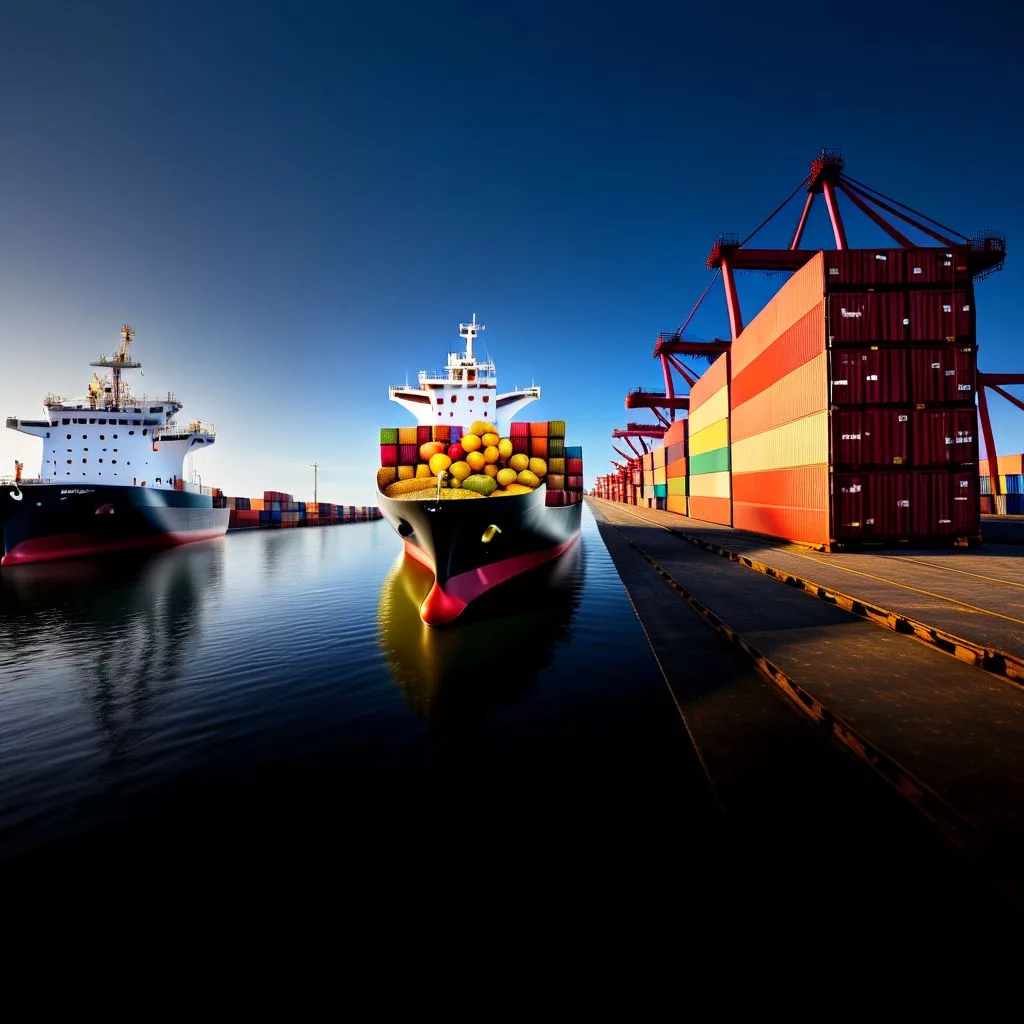
Meanwhile, the practical challenges mount. Exporters now confront a critical question: can they continue to sell into the American market with an additional 30% cost burden? For a citrus producer in Limpopo or a winemaker in Stellenbosch, the math is daunting. Years of investment in US relationships risk unraveling as new costs threaten to price South African goods out of reach. The Department of Trade, Industry and Competition scrambles to soften the blow, offering targeted financial aid to smaller companies unable to shift their business overnight. For many, access to the US is more than just an income stream – it is validation of their products on a global stage.
The Human Story: Local Impact and Creative Resilience
Tariffs rarely make for gripping headlines, but their impact is unmistakable in the daily lives of South Africans. Export-driven industries provide livelihoods for millions, anchoring entire communities to the rhythms of international demand. As the new tariffs bite, the risk isn’t limited to diminished profits; it extends to job losses, shuttered businesses, and communities facing uncertain futures. Along the busy docks of Durban, one can almost see the anxiety among workers watching export containers sit idle, a modern echo of the hardship chronicled in art and history.
Yet alongside apprehension, there is innovation and grit. South Africa’s creative spirit thrives even under pressure, drawing on a rich legacy of adaptation. In the past, sanctions and barriers forced local industries to reinvent themselves, sparking the kind of ingenuity seen in the transformation of the country’s wine sector. Today, exporters look again to new markets in Asia and the Middle East, seeking partnerships that can offset lost US sales. The ambition to adapt runs deep, fueled by a heritage of overcoming adversity.
Personal stories abound. A rooibos tea grower in Clanwilliam, abruptly cut off from a vital US customer, pivots to online marketing, tapping into new audiences via social media. A logistics manager in Durban races to redirect shipments, acutely aware that every delay threatens already thin margins. These experiences, woven into the broader national tapestry, reflect an enduring resolve to survive, innovate, and compete.
Global Context: Protectionism, Precedent, and the Path Forward
South Africa’s struggle is part of a much larger story. Across the world, nations grapple with the end of the hyper-globalization era. The open-market ethos of the 1990s and early 2000s – championed by institutions like the World Trade Organization – has given way to protectionist impulses and the pursuit of “fair” and “reciprocal” trade. The US, once the chief advocate of global free trade, now sets the tone for a more guarded approach, prioritizing its own economic interests even at the cost of longstanding partnerships.
This moment has historical echoes. Policy shifts like the Smoot-Hawley tariffs of the 1930s or the energy crises of the 1970s forced countries to reconsider their dependencies and seek greater self-reliance. In similar fashion, today’s trade decisions push governments and industries to adapt, innovate, and sometimes reassess their place in the global economy. The current climate of protectionism serves as both a symptom and a driver of deeper changes in how nations organize their economies.
Pretoria’s response – steady, diplomatic, and patient – draws from the same well of resilience that shaped South Africa’s political transition. The government emphasizes dialogue and incremental progress, using both official and informal channels to keep negotiations alive. Behind the scenes, officials work tirelessly, arranging meetings across continents and leveraging every opportunity to make South Africa’s case.
Living with Uncertainty: Looking Ahead
For now, uncertainty dominates. Exporters scrutinize currency movements, monitor shipping timetables, and consult advisors as they map next steps. Some hope for a timely shift in US policy or at least a partial reprieve. Others brace for layoffs, slow expansion, or seek mergers to weather the storm. The toll, both psychological and financial, is profound – manifesting in sleepless nights and cautious decision-making.
Yet, even amid adversity, there is hope. South Africa’s experience holds lessons for other nations navigating a volatile trade landscape. The outcome of its negotiations with Washington could set a precedent for how emerging economies protect their access to crucial markets in times of global uncertainty.
The future remains unwritten, but the determination of South African exporters endures. Trucks still traverse the highways, vineyards continue to flourish, and the country’s entrepreneurial spirit refuses to be dimmed by this latest setback. In the ongoing saga of international trade, South Africa’s journey stands as a testament to adaptability, courage, and the relentless pursuit of opportunity – even as new challenges loom on the horizon.
What are the US tariffs imposed on South African exports and which industries are most affected?
The United States has implemented a 30% tariff on many South African exports, substantially increasing the cost of goods entering the US market. Key industries impacted include citrus fruit, wine, and steel, among others. These tariffs disrupt established trade flows and make South African products less competitive, forcing exporters in these sectors to find alternative markets or seek government assistance.
Why did the US decide to impose these tariffs on South African goods?
The tariffs stem from a broader shift in US trade policy emphasizing reciprocal and “fair” trade relationships. Previously, South African exports benefited from preferential access through agreements such as the African Growth and Opportunity Act (AGOA). However, under recent US administrations, there has been a move toward protectionism and tariffs applied to many countries, including South Africa, to address trade imbalances and promote domestic industries.
How is the South African government responding to the new US tariffs?
South Africa’s government is pursuing a diplomatic and negotiation-based approach rather than retaliating with counter-tariffs. Trade Minister Parks Tau and President Cyril Ramaphosa are engaging with US officials in hopes of finding a fair, mutually beneficial solution without escalating into a trade war. Meanwhile, the government is providing financial aid and support to affected exporters, especially smaller businesses, to help them navigate the immediate economic challenges.
What challenges do South African exporters face due to the tariffs?
Exporters now face the daunting task of absorbing or passing on the additional 30% cost, which risks pricing their goods out of the US market. This threatens long-term business relationships, profitability, and jobs in export-driven sectors. Many exporters are forced to diversify their markets, pivot to online platforms, or innovate in logistics and marketing to offset losses. The uncertainty also increases financial pressure and operational complexity, especially for smaller firms.
Are there any signs of resilience or opportunities for South African exporters despite these challenges?
Yes, South African exporters show significant resilience and creativity in adapting to the new trade barriers. For example, some producers are exploring new markets in Asia and the Middle East, while others are leveraging digital marketing and e-commerce to reach global customers. This spirit of innovation echoes South Africa’s historical ability to overcome adversity and transform challenges into new opportunities.
What does this situation indicate about the global trade environment and the future of South Africa-US economic relations?
The tariffs reflect a broader global trend away from hyper-globalization toward protectionism and more guarded trade policies, especially by major economies like the US. This shift demands that countries like South Africa rethink their trade strategies and build more diversified partnerships. While the future remains uncertain, ongoing dialogue and South Africa’s pragmatic diplomacy are critical in preserving and eventually restoring robust economic ties with the United States.