Cape Town’s beautiful green spaces hide a dangerous secret: many of its exotic plants like palms, pines, and cypresses catch fire easily and help wildfires spread quickly. Unlike native plants, which resist burning, these imported trees have dry, oily leaves that act like kindling during hot, dry, and windy weather. This risk grows worse with climate change, turning lovely neighborhoods into wildfire hotspots. To protect the city, people are now rethinking gardens, favoring fire-safe native plants that keep both nature and residents safe. Cape Town’s story shows how caring for urban nature means balancing beauty with smart safety.
Why does Cape Town’s exotic greenery increase wildfire risk?
Exotic plants like palms, pines, and cypresses in Cape Town are highly flammable due to thin, dry leaves and high oil content. Unlike native species, they ignite easily, fueling intense wildfires intensified by climate change, drought, and wind, making the city’s lush greenery a significant wildfire threat.
A Lush City Conceals Hidden Dangers
Cape Town welcomes visitors with a dazzling mosaic of green spaces: rolling lawns, flower-lined avenues, and shady groves define its urban landscape. The city’s reputation for both natural splendor and cosmopolitan elegance is evident in every park and boulevard. As one strolls beneath the stately palms or amidst the canopies of towering conifers, the city seems to radiate nothing but tranquility and beauty.
Yet, beneath this verdant exterior lurks an often overlooked peril. Not every green vista in Cape Town is innocent; in fact, some of the city’s most celebrated trees and shrubs contribute to a dangerous fire risk that’s growing worse with each passing year. The problem doesn’t simply stem from dry weather or climate change, but from the very choices residents and planners have made in cultivating the city’s flora.
The suburbs of Pinelands and Bishopscourt, for example, showcase landscapes that blend Mediterranean charm with subtropical exuberance. Canary Island date palms and stone pines, legacies of centuries of botanical exchange, line streets and frame historic homes. This blend of native and imported species creates an urban tapestry influenced by colonial ambition and global trade, reflecting a range of gardening styles from English cottage to Cape Dutch estate. While this horticultural richness adds character to city life, it also sets the stage for new hazards.
Scientific Insights into Flammable Flora
Recent research from the University of Cape Town’s Department of Biological Sciences has begun to unravel the true cost of these aesthetic choices. Spurred by the devastating [Table Mountain ](https://capetown.today/table-mountain-a-precious-gift-to-cape-town/)fire of 2021 – which scorched more than 650 hectares and left a lasting mark on the city’s landscape – scientists set out to examine which plants contribute most to wildfire risk. Their study, featured in the South African Journal of Botany and reported by the Mail & Guardian, scrutinized 42 different species, both indigenous and exotic.
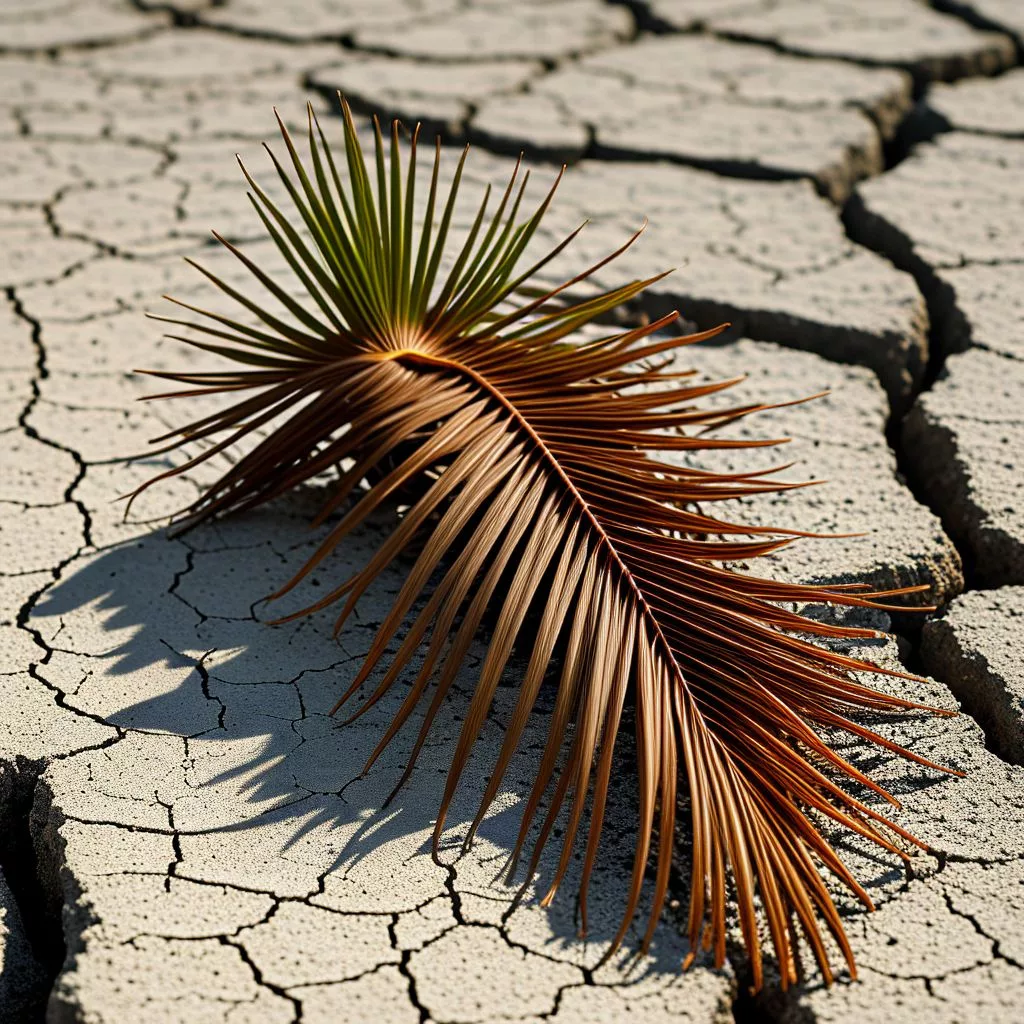
Their findings reveal a striking pattern: native plants, adapted over millennia to the fire-prone fynbos ecosystem, generally prove slow to ignite and burn less intensely. These species possess thick, moist leaves that resist combustion and limit the energy released during fires. By contrast, ornamental exotics such as palms, pines, and cypresses display traits that turn them into natural fire-starters. Thin, dry leaves, high oil content, and broad surface areas allow flames to spread rapidly and fiercely – traits that have already caused trouble in fire-prone regions around the globe, from California to the Mediterranean.
Lead researcher Dunja MacAlister attributes the city’s heightened vulnerability to several factors. Cape Town’s climate, once marked by predictable wet winters and mild summers, now sees greater extremes as global temperatures rise. Periods of drought and heat accelerate the drying of vegetation, transforming lush gardens into tinderboxes by the height of summer. Drooping palm fronds and accumulated pine needles become ready fuel, while fierce winds typical of the Cape region can carry embers hundreds of meters – sometimes leaping across roads and firebreaks with ease.
The Global Context and Local Challenges
Cape Town’s situation echoes a broader international dilemma. Urban and peri-urban zones in Mediterranean-type climates – found in southern Australia, California, and southern Europe – face similar threats. Countries in these regions have begun to recognize the danger of certain imported plant species, actively discouraging or restricting the use of highly flammable trees like cypresses, Canary Island ivy, and pine varieties. Artistic portrayals of Mediterranean beauty, with their iconic pines and cypresses, rarely acknowledge the role these same trees can play in devastating fires when transplanted outside their native habitats.
As fire risk becomes a growing concern, city planners, architects, and homeowners find themselves at a crossroads. The 20th-century ideal of importing exotic species to signal progress and sophistication no longer serves the city’s best interests. Instead, a new approach to landscaping is required – one that puts fire safety on equal footing with aesthetics and biodiversity. The leafy suburb of Pinelands, replete with its iconic palms and pines, illustrates the unintended consequences of past design choices – a once-picturesque neighborhood now considered a potential hotspot for wildfire disaster.
Transitioning away from these long-established exotics, however, presents complex challenges. Many of the non-native plants have anchored themselves in the urban environment for decades, stabilizing soil and moderating microclimates. Removing them too hastily risks soil erosion, loss of wildlife habitat, and unsightly gaps in the landscape. MacAlister and her colleagues stress the need for a gradual, ecologically sensitive approach. Restoration isn’t just about replacing the old with the new but requires careful planning and community involvement. Effective policy must support this process, perhaps through incentives for fire-safe landscaping, public education, and regulations that encourage the selection of indigenous, less flammable species.
Rethinking Urban Nature for a Safer Future
Cape Town’s current predicament offers a lens through which to view the legacy of centuries of botanical experimentation and colonial influence. Early settlers brought seeds and saplings from distant lands, eager to reshape the local environment in the image of European homelands. Botanical gardens like Kirstenbosch became testing grounds for exotic species, while palms and pines soon became defining features of parks and private estates. These iconic silhouettes have been immortalized in countless photographs and postcards, but today, their presence comes with risks that reach far beyond mere nostalgia.
The evolving crisis also forces residents to reconsider what “nature” means in an urban context. Unlike wilderness, a city garden is a consciously shaped environment, blending art, science, and now, necessity. The consensus emerging from recent research calls for a new aesthetic – one that values resilience and ecological adaptation as much as visual appeal. Indigenous plants such as restios, proteas, and ericas, long adapted to the Western Cape’s fire cycles and droughts, offer both safety and ecological benefits. These species not only burn less readily but also support local wildlife and preserve the region’s unique biodiversity.
This shift in thinking mirrors broader cultural movements. The modernist revolution in art and architecture, which prioritized function and structure over ornamentation, finds a parallel in today’s approach to landscape design. Gardens must now balance beauty and safety, drawing inspiration from the textures and colors of local fynbos rather than imported exotics. This creates an opportunity for creativity and innovation, encouraging designers and residents alike to embrace new forms of urban greenery that offer both allure and security.
Community Engagement and Shared Responsibility
Citizens of Cape Town play a vital role in shaping the city’s response to wildfire risk. Local associations, schools, and neighborhood groups can cultivate a culture of fire awareness by spreading knowledge about high-risk species and best gardening practices. By learning to identify flammable plants and adopting maintenance routines – such as regular pruning, debris removal, and strategic watering – residents turn gardening into an act of stewardship as well as enjoyment. These community-led efforts, when coordinated with city policies and scientific guidance, can make a tangible difference in reducing fire risk.
Ultimately, Cape Town’s experience highlights a universal challenge: the desire to mold our environments must reckon with ecological realities and the unintended consequences of past choices. The rising threat of wildfires, intensified by climate change and shaped by historical landscaping trends, reveals how deeply culture and nature intertwine. As researchers trace the destructive paths fires take through the city’s greenery, they remind us that gardens are not just spaces of beauty or escape – they are dynamic frontiers where history, science, and the future meet.
By embracing a new vision for urban nature – one grounded in resilience, ecological harmony, and shared responsibility – Cape Town can transform its landscapes into safe havens that honor both the city’s heritage and its changing climate. In doing so, the city sets an example for other urban centers grappling with similar risks, demonstrating that beauty and safety can coexist in the gardens of tomorrow.
FAQ: Beauty and Risk – How Exotic Greenery Fuels Cape Town’s Wildfire Threat
1. Why do exotic plants like palms, pines, and cypresses increase wildfire risk in Cape Town?
Exotic plants such as palms, pines, and cypresses have thin, dry leaves with high oil content, making them highly flammable. Unlike native species adapted to Cape Town’s fire-prone fynbos ecosystem, these imported plants ignite easily and burn intensely. During hot, dry, and windy conditions – exacerbated by climate change – these species act as kindling, helping wildfires spread rapidly and fiercely throughout the city’s green spaces.
2. How do native plants differ from exotic species in terms of fire resistance?
Native plants like restios, proteas, and ericas have evolved over millennia to withstand periodic fires common in the Western Cape. They typically have thick, moist leaves that resist ignition and burn less intensely, limiting wildfire spread. In contrast, many exotic species possess dry, oily foliage that ignites quickly, increasing fire intensity and making wildfire control much more difficult.
3. What role does climate change play in Cape Town’s wildfire threat?
Climate change increases the frequency and severity of droughts, heatwaves, and extreme weather events in Cape Town. These conditions dry out vegetation, including exotic plants, turning urban gardens and green spaces into tinderboxes. Additionally, strong regional winds can carry embers across large distances, allowing fires to jump firebreaks and threaten homes and neighborhoods.
4. Why is it challenging to remove exotic plants from Cape Town’s urban environment?
Many exotic plants have been part of Cape Town’s landscape for decades and play important ecological roles such as stabilizing soil and providing habitat for wildlife. Removing them too quickly can lead to soil erosion, loss of biodiversity, and unsightly gaps in neighborhoods. Therefore, experts recommend a gradual, carefully planned approach to replacing flammable exotics with fire-safe native plants.
5. What steps are being taken to reduce wildfire risk linked to urban greenery in Cape Town?
City planners, researchers, and residents are promoting the use of indigenous, fire-resistant species in new and existing gardens. Public education campaigns encourage fire-safe landscaping practices like regular pruning and debris removal. Policies and incentives may support homeowners in transitioning to less flammable plants. Community engagement is key to fostering shared responsibility and increasing wildfire preparedness.
6. How can Cape Town’s experience inform other cities facing similar wildfire risks?
Cape Town’s situation highlights a global challenge faced by urban areas in Mediterranean-type climates – including southern Australia, California, and southern Europe – that have also historically favored exotic plantings. The city’s example shows that balancing urban beauty with ecological safety requires rethinking landscaping priorities, embracing native biodiversity, and involving communities. This integrated approach can help other cities reduce wildfire hazards while preserving their unique natural and cultural heritage.
For more information, visit the University of Cape Town’s Department of Biological Sciences or local government resources on fire-safe gardening.