Cape Town’s no-mow initiative lets certain parks and roadside spaces grow wild from July to November, allowing native wildflowers to bloom and pollinators like bees and butterflies to thrive. This peaceful pause from mowing creates colorful, buzzing habitats right in the city, connecting nature pockets and helping endangered plants and animals survive. It also invites the community to watch, learn, and care for the unique Fynbos plants that make the Cape Floral Kingdom so special. This simple act turns urban green spaces into lively, beautiful places full of life and hope.
What is Cape Town’s no-mow initiative and why is it important?
Cape Town’s no-mow initiative allows selected parks and verges to remain unmowed from July to November to promote native wildflower growth and support pollinators. This boosts urban biodiversity, creates wildlife corridors, and fosters community stewardship of the unique Fynbos biome.
Spring’s Quiet Revolution: Rethinking City Parks
As August draws near in the southern hemisphere, Cape Town’s anticipation of spring brings not just an explosion of natural color, but a subtle shift in the city’s approach to green spaces. Instead of the typical sounds of mowers shaping immaculate lawns, certain parks and verges hum with bees and the whisper of tall grasses. This change is intentional – a thoughtful intervention by the City’s Recreation and Parks Department. Rather than imposing order, the city steps back during these months, allowing wild nature to unfurl in public spaces.
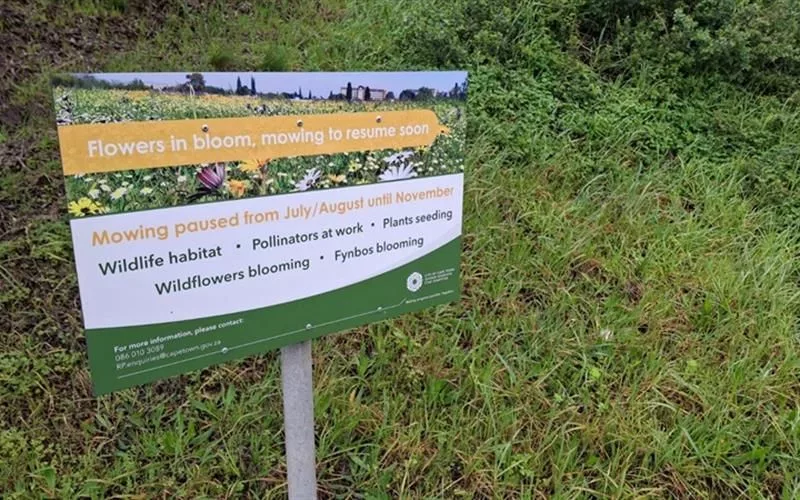
This annual transformation is more than just a break from routine maintenance; it is a conscious celebration of the city’s unique ecological heritage. By suspending mowing in selected areas from July through November, Cape Town creates a stage for native wildflowers to bloom and for pollinators to thrive. The “NO MOWING” signs dotting these spaces signal to residents that something special is happening. These signs invite curiosity, prompting locals to pay closer attention to the dynamic life cycles unfolding before their eyes.
Residents who visit these parks during the no-mow period notice not just visual changes but a shift in atmosphere. Without the roar of machinery, the gentle hum of insects and the songs of birds become more pronounced. Children chasing butterflies and neighbors pausing to watch sunbirds drinking nectar are now part of a broader movement – one that values both ecological health and everyday encounters with nature.
The Fynbos Biome: Jewel of the Cape Floral Kingdom
Cape Town sits at the heart of the Cape Floral Kingdom, the smallest yet most botanically diverse of the world’s six floral kingdoms. The city’s natural heritage centers on the Fynbos Biome, a patchwork of delicate heaths, reeds, and a dizzying array of flowering shrubs. “Fynbos,” a term borrowed from Dutch meaning “fine bush,” describes the intricate and refined appearance of many local plants. This ecosystem is home to over 9,000 plant species, nearly two-thirds of which exist nowhere else on the planet. Such endemism gives the region global significance for conservationists and plant enthusiasts alike.
Over the centuries, explorers, botanists, and artists have flocked to the Cape, captivated by the region’s botanical riches. Carl Linnaeus, the father of modern taxonomy, once called the area “the richest corner of the world for plants.” The tradition continued as collectors and scientists sent Fynbos specimens to Europe, shaping garden design trends and fueling fascination for exotic flora. Today, when spring arrives, the city’s green spaces burst into sheets of color – protea, erica, and other geophytes evoke the ancient connections of Gondwanaland, reminding locals and visitors alike of the region’s deep natural history.
The Fynbos landscape is not only visually stunning but ecologically crucial. It supports a web of life that includes specialized pollinators and rare birds. The annual wildflower display, therefore, is much more than a spectacle – it’s a vital process in an ecosystem where many species depend on the brief window of flowering to complete their lifecycles.
Ecological Connections: Wild Corridors Across the Metropolis
The no-mow initiative does more than allow flowers to bloom. It forms a lattice of living corridors throughout the city, connecting otherwise isolated patches of natural habitat. In rapidly urbanizing areas, these corridors are lifelines for biodiversity. They help plants, insects, and birds move between larger reserves, ensuring gene flow and increasing the chances of survival for rare species. Unmown verges, stormwater channels, and community parks, often overlooked in daily life, become crucial stepping stones in this urban ecosystem.
This strategy echoes the ideals of the Romantic movement, when artists and thinkers saw untamed nature as a necessary counterbalance to industrial society. Modern urban planners take inspiration both from ecological science and from this sense of wild beauty, seeking to build cities that serve not only people but also the countless other species that share urban landscapes. As a result, Cape Town becomes a testing ground for innovative conservation – the city itself acting as a living laboratory where the boundaries between nature and civilization are deliberately blurred.
Ecologists recognize that even small pockets of unmowed ground can provide refuge for threatened species and support complex food webs. The birds and insects that find sanctuary here often travel far beyond these spaces, pollinating crops and gardens, thus benefiting the broader city. Every unmowed park, then, becomes a node in a much larger network of urban biodiversity.
Community Involvement: Stewardship and Shared Responsibility
Cape Town’s approach does not rely solely on government action; it depends on community participation. The city actively encourages citizens to suggest local parks and greenbelts for inclusion in the no-mow program. Residents can nominate spaces via email, adding their voices to a growing movement that values wildness over manicured perfection. This act, seemingly small, challenges traditional notions of what urban order should look like and fosters a sense of collective responsibility for the local environment.
The program draws on a tradition of participatory stewardship, reminiscent of the Arts and Crafts movement’s belief that beauty and function arise from attentive care. By inviting public involvement, the city helps residents reimagine their relationship with nature. Children who once saw lawns only as playfields now learn to identify different wildflowers and understand the importance of pollinators. Adults see the return of butterflies and songbirds as a sign of a healthier, more vibrant city. These experiences cultivate a stronger sense of belonging and pride, rooting communities more deeply in their local landscapes.
Such grassroots involvement ensures that the no-mow initiative remains flexible and responsive to local needs. By empowering residents to take part, Cape Town increases the reach and impact of its biodiversity efforts, creating a culture where stewardship is shared rather than imposed.
The Pollinator Connection: Safeguarding Urban Ecology
At the heart of the no-mow policy lies a recognition of pollinators’ essential role in maintaining biodiversity. Bees, butterflies, hoverflies, and beetles depend on continuous stretches of blooming plants for food and breeding. When the city allows wildflowers to grow and set seed, it creates a banquet for these creatures. In return, pollinators ensure the survival of many native plants, supporting food webs that sustain other wildlife and even local agriculture.
Research highlights the fragility of these relationships. Intensive mowing and loss of habitat can drastically reduce pollinator numbers, triggering declines in plant diversity and threatening broader ecological health. By creating safe havens for wildflowers and pollinators, Cape Town not only restores balance but also builds resilience against future environmental challenges.
This ecological wisdom echoes the insights of environmental thinkers like Aldo Leopold, who advocated for the protection of every part of nature’s intricate machine. In the city’s green spaces, every wildflower and pollinator – every small life – matters. The success of the no-mow initiative demonstrates how urban environments can support rich biodiversity when given the chance.
Nature’s Canvas: Beauty and Inspiration in the City
The transformation of Cape Town’s parks during the no-mow period offers more than ecological benefits; it enhances the city’s sense of place and beauty. Wildflower meadows evoke the artistry of Impressionist painters, with colors and forms that shift with light and season. Residents and visitors alike find themselves pausing to appreciate fields of arum lilies or the fiery hues of pincushion proteas, scenes that recall the natural abundance of a less urbanized past.
These vibrant spaces provide a welcome escape from city life’s constant motion. Joggers slow their pace to watch chameleons basking on restio stems, while photographers search for rare blue disa orchids. Such moments of wonder create opportunities for reflection and reconnection with the natural world, reminding city dwellers of the rhythms that have shaped the Cape for millennia.
Beyond their immediate appeal, these natural displays foster a deeper appreciation for the cycles of growth, decay, and renewal that underpin all living systems. The city’s wildflower corridors thus inspire not only admiration but also a sense of hope for more harmonious coexistence with nature.
Looking Ahead: Urban Biodiversity as a Global Model
Cape Town’s selective mowing strategy forms part of a growing international movement to foster biodiversity in urban settings. Cities across the globe, from London’s wildflower verges to Melbourne’s pollinator pathways, have begun to experiment with ways to bring nature back to city streets. Each adaptation reflects its own environment and culture, yet all are united by the understanding that human and ecological well-being are fundamentally connected.
By embracing patience, observation, and local knowledge, Cape Town demonstrates that protecting nature within the city is both possible and rewarding. The no-mow initiative nurtures not just wildflowers and pollinators, but also curiosity, wonder, and a renewed sense of connection to place. In honoring its botanical heritage and inviting residents to participate, the city sets a powerful example of urban stewardship – one that holds lessons for cities worldwide striving for resilience and sustainability.
Through these efforts, Cape Town shows that the future of cities need not be at odds with the natural world. Instead, with imagination and care, urban life and wild biodiversity can thrive together, enriching the lives of all who call the city home.
What is Cape Town’s no-mow initiative and why was it introduced?
Cape Town’s no-mow initiative is a city program that allows selected parks, roadside verges, and green spaces to remain unmowed from July to November. This pause in mowing encourages native wildflowers, particularly those from the unique Fynbos biome, to bloom and flourish. The initiative supports pollinators like bees and butterflies, enhances urban biodiversity, and helps create ecological corridors that connect fragmented natural habitats. It was introduced to promote conservation in an urban setting, foster community engagement, and improve the ecological health of the city.
Why is the Fynbos biome important to Cape Town’s environment and biodiversity?
The Fynbos biome, found in Cape Town and surrounding areas, is part of the Cape Floral Kingdom – the smallest but richest floral kingdom in the world. It contains over 9,000 plant species, with nearly two-thirds endemic, meaning they are found nowhere else on Earth. This biodiversity hotspot supports specialized pollinators and wildlife, making it globally significant for conservation. Protecting and showcasing the Fynbos through initiatives like no-mow helps preserve this irreplaceable natural heritage.
How does the no-mow initiative benefit pollinators and urban wildlife?
By allowing wildflowers to grow and set seed, the no-mow initiative provides essential food and habitat for pollinators such as bees, butterflies, hoverflies, and beetles. These pollinators are critical for the reproduction of native plants and contribute to the health of broader ecosystems, including urban gardens and agriculture. The initiative creates safe spaces for these insects to breed and feed, supporting biodiversity and strengthening ecological resilience in the city.
How can the local community get involved in the no-mow program?
Community involvement is key to the initiative’s success. Residents are encouraged to nominate local parks, greenbelts, or roadside areas for inclusion in the no-mow program by contacting the City’s Recreation and Parks Department via email. The program also fosters environmental education by inviting residents to observe, learn about, and care for native wildflowers and pollinators. This participation builds a shared sense of stewardship and strengthens community bonds with the natural environment.
What changes do residents notice in parks during the no-mow period?
During the no-mow months from July to November, residents experience a noticeable transformation in selected green spaces. Instead of neatly trimmed lawns, parks feature vibrant wildflower meadows teeming with colorful blooms and buzzing insects. The sounds shift from mower engines to the gentle hum of pollinators and bird songs. These changes create a peaceful, natural atmosphere that encourages outdoor activities like butterfly watching, nature photography, and environmental education for all ages.
Could Cape Town’s no-mow initiative serve as a model for other cities?
Absolutely. Cape Town’s approach aligns with a growing global trend to enhance urban biodiversity by integrating wildflower corridors and pollinator-friendly habitats into city landscapes. Cities like London and Melbourne have similar programs that reflect local ecological and cultural contexts. Cape Town’s success demonstrates that urban environments can balance human needs with nature conservation, inspiring other municipalities to adopt innovative strategies that promote resilience, sustainability, and a deeper connection between people and the natural world.