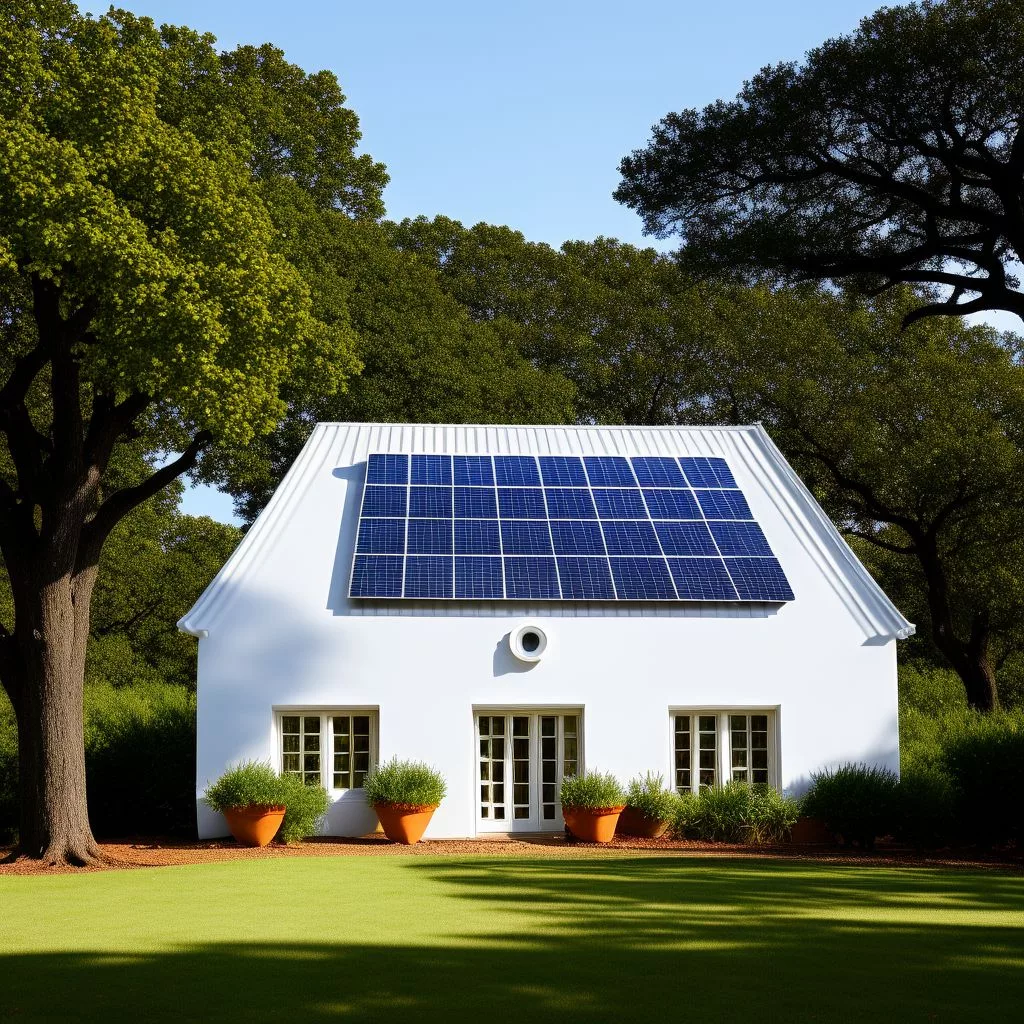
Steenhuis in Upper Constantia is a beautiful home that mixes old Cape Dutch style with smart, eco-friendly living. It has solar panels, rainwater harvesting, and organic gardens, making luxury and nature work together perfectly. Surrounded by tall oaks and vineyards, the estate feels peaceful and rooted in history, yet embraces modern technology to protect the environment. With spaces for relaxing and growing food, Steenhuis shows how luxury today means caring for the planet while enjoying elegant comfort. It’s a bright example of how tradition and green living can live side by side.
What makes Steenhuis in Upper Constantia a unique example of modern luxury?
Steenhuis blends Cape Dutch elegance with cutting-edge sustainability, featuring solar panels, boreholes, rainwater harvesting, and organic gardens. This estate harmonizes historic-inspired design with eco-friendly innovations, setting a new standard for luxury living focused on environmental responsibility and self-sufficiency.
Where History and Innovation Converge
Upper Constantia, shaded by ancient oaks and bordered by lush vineyards, has long embodied Cape Town’s enduring beauty and heritage. Amid its winding roads and dappled light lies Steenhuis – a property that bridges centuries, blending the aesthetic of South Africa’s storied past with the boldness of modern-day ecological stewardship. Recently changing hands for R60 million (approximately US$3.4 million), Steenhuis stands not just as a grand residence, but as a narrative in stone and soil – a place where elegance and environmental consciousness coalesce.
Arriving at Steenhuis, visitors follow a gravel path lined with lavender and wild grasses, reminiscent of a quieter, bygone era. The estate’s main house, completed in 1991, draws inspiration from the Cape Dutch tradition, echoing the gabled silhouettes and whitewashed walls that defined the architecture of the early European settlers. Despite these historical references, the house refuses to become a mere museum piece. Instead, it transforms the nostalgia of the Cape Dutch into a living, breathing environment – a stage where past and present continually interact.
Every corner of Steenhuis tells a story; the double-height entrance hall and expansive sash windows fill the space with natural light, reflecting off polished stone floors. Antique furnishings sit alongside contemporary South African artworks, creating a dialogue between comfort and creativity. In the formal lounge, a generous fireplace invites residents and guests to gather during winter evenings, surrounded by thoughtfully curated décor that nods to both tradition and innovation.
Estate Grounds: More Than Luxury
Beyond its stately façade, Steenhuis unfolds across nearly five acres, offering far more than picturesque views. The estate incorporates a variety of spaces designed for both recreation and relaxation – a tennis court shaded by venerable oaks, a swimming pool edged with indigenous fynbos, and a guest house that stands as a sanctuary in its own right. These features reflect not only an appreciation for leisure but also a deep respect for Constantia’s winemaking heritage. Even the meticulously kept gardens serve dual purposes: they supply fresh produce for the household and reinforce a connection to the land that balances pleasure with productivity.
As one explores the grounds, the influence of the region’s viticultural history becomes evident – not just in appearance but in philosophy. The wine cellar, cleverly concealed underground, pays homage to local traditions, while the kitchen gardens underscore a commitment to self-reliance. Such features tie the estate to its surroundings, rooting it firmly within the landscape and community of Upper Constantia.
The guest house, set apart from the main residence, offers a serene escape for visitors. Its windows frame sweeping views of ancient woodlands and Table Mountain’s rugged outline. The air here brims with the scents of jasmine and earth, heightening the sense of immersion in nature – a theme that defines the entire Steenhuis experience.
Sustainability at the Heart of Luxury
What truly sets Steenhuis apart is not just its grandeur, but its dedication to sustainable living. Under the stewardship of property manager Richard Anderton, the estate has transformed into a benchmark for self-sufficiency. Over fifty solar panels stretch across the south-facing rooftops, providing energy for everything from climate control to the pellet-burning fireplaces added by the current owners. The estate draws water from boreholes tapping into ancient aquifers, ensuring a reliable supply for both domestic use and the extensive gardens. Rainwater harvesting systems and advanced filtration further support the lushness of the landscape, even during Cape Town’s arid summers.
Anderton takes pride in the estate’s sustainable features. As he points out the citrus orchard, where heavy branches bow with ripe fruit, he highlights eco-friendly initiatives: LED lighting brightens every room, and pellet stoves burn recycled wood for efficient heating. Composting turns kitchen scraps into nourishment for the gardens, embodying the estate’s ethos of regeneration. Even the chicken coop – aptly named “Cluckingham Palace” – mixes humor with functionality, providing the estate’s hens a space that is both whimsical and practical.
This pursuit of green living extends beyond Steenhuis. According to Garrick Sutton from Pam Golding Properties, many Upper Constantia homeowners now prioritize sustainability when searching for new residences. Solar energy, boreholes, and water filtration have shifted from being rare luxuries to standard requirements, reflecting both increased environmental awareness and the realities of escalating utility costs. Steenhuis, with its comprehensive approach, sets a high bar for what modern luxury can – and should – look like.
Freedom to Innovate and a Vision for the Future
Steenhuis enjoys a unique position in the world of heritage homes. Unlike properties officially listed as historic monuments, Steenhuis was built as a Cape Dutch-inspired replica, rather than an actual relic. This distinction grants the estate remarkable flexibility: the owners can embrace the latest technology or reimagine living spaces without worrying about restrictive heritage regulations. The result is an ongoing conversation between reverence for tradition and a drive for innovation. Classic features – gables, sash windows, shaded verandas – anchor the home in the region’s architectural past, while the infrastructure powering daily life points decisively to the future.
The estate’s design philosophy evokes the spirit of the late 19th-century Arts and Crafts movement in England, when craftspeople and homeowners championed artisanal quality and nature as an antidote to mass-produced uniformity. Steenhuis, much like the works of William Morris, unites beauty with functionality. Its gardens, alive with wildflowers and winding paths, capture the essence of “beauty, utility, and craftsmanship united” – a principle that defines both the property and its stewardship.
The new ownership sees Steenhuis as more than a private retreat. Plans are already underway to convert part of the estate into a guest experience that immerses visitors in its story. Workshops on composting and organic gardening, tastings of estate-grown produce, and collaborations with local artisans all form part of a larger vision: to educate and inspire guests about sustainable living. Anderton outlines ambitious next steps, including the installation of twenty-seven additional solar panels and expansion of the organic gardens, further minimizing the estate’s ecological footprint.
Redefining Value in Cape Town’s Luxury Market
Steenhuis’s evolution mirrors broader trends reshaping the luxury property market in Cape Town. Today’s buyers no longer focus exclusively on ornate finishes or sweeping vistas; instead, they seek homes that promise resilience and independence. The ongoing challenge of load-shedding in South Africa – periodic power cuts that disrupt daily life – has made solar energy systems not just desirable, but essential. Similarly, the persistent threat of water scarcity has elevated boreholes and filtration systems to must-have status, as homeowners look for security and autonomy in their investments.
Steenhuis, in many ways, embodies this pivotal shift. Its seamless integration of heritage-inspired design and cutting-edge sustainability makes it a touchstone for what is possible in Upper Constantia. The estate does more than honor the legacy of the Cape Dutch; it actively reinterprets that heritage for a world where environmental responsibility stands at the center of luxury living.
As the estate continues to develop, it serves as both sanctuary and laboratory – a space where ideas about tradition, innovation, and stewardship converge. Steenhuis offers not only a glimpse into South Africa’s architectural past, but also a compelling vision of its future. For those who seek both elegance and ecological harmony, Steenhuis stands as an inspiring example of what can be achieved when history and sustainability meet beneath the Constantia sun.
What architectural style inspires Steenhuis in Upper Constantia?
Steenhuis is inspired by the Cape Dutch architectural tradition, characterized by its iconic gabled silhouettes, whitewashed walls, double-height entrance hall, and expansive sash windows. Although completed in 1991 as a replica rather than a historical relic, the home respectfully echoes the early European settlers’ design while blending antique furnishings with contemporary South African artworks. This fusion creates an elegant yet living environment that bridges South Africa’s rich heritage with modern comfort.
How does Steenhuis incorporate sustainability into its luxury living?
Sustainability is at the core of Steenhuis’s design and operation. The estate features over fifty solar panels supplying renewable energy, rainwater harvesting systems, boreholes tapping into ancient aquifers, and advanced water filtration to maintain lush gardens even during dry seasons. Energy-efficient LED lighting, pellet-burning fireplaces using recycled wood, composting for organic gardening, and a chicken coop contribute to a self-sufficient, eco-friendly lifestyle. These initiatives ensure that luxury coexists harmoniously with environmental responsibility.
What amenities and outdoor features does Steenhuis offer?
Spanning nearly five acres, Steenhuis boasts a range of recreational and relaxing amenities including a tennis court shaded by ancient oak trees, a swimming pool surrounded by indigenous fynbos, and a separate guest house with panoramic views of woodlands and Table Mountain. The estate also has a concealed underground wine cellar honoring Constantia’s winemaking heritage and organic kitchen gardens that supply fresh produce to the household, combining leisure with productivity and connection to the land.
How does Steenhuis address challenges like load-shedding and water scarcity?
Given South Africa’s frequent load-shedding and water shortages, Steenhuis is designed for resilience and independence. Its extensive solar panel array reduces reliance on the national grid, providing consistent power for climate control and heating. Water needs are met through boreholes and rainwater harvesting systems, ensuring a reliable supply that supports both domestic use and extensive landscaping. These innovations reflect a growing trend among Upper Constantia homeowners prioritizing solutions that mitigate utility disruptions and environmental concerns.
What makes Steenhuis different from officially heritage-listed properties?
Unlike protected heritage homes, Steenhuis was constructed in 1991 as a Cape Dutch-inspired replica, not an original historic building. This status affords the owners significant freedom to incorporate modern technologies and redesign living spaces without the constraints of heritage preservation laws. As a result, Steenhuis maintains traditional architectural elements while evolving with the latest sustainable innovations, striking a unique balance between honoring the past and embracing the future.
Are there plans to expand or share the Steenhuis experience with the public?
Yes, the current owners envision transforming part of the estate into an immersive guest experience. Planned initiatives include workshops on composting and organic gardening, tastings of estate-grown produce, and collaborations with local artisans. These efforts aim to educate visitors about sustainable living while showcasing the estate’s philosophy. Additionally, future expansions will increase solar capacity and organic garden areas, further reducing the ecological footprint and reinforcing Steenhuis’s role as a model of green luxury in Upper Constantia.