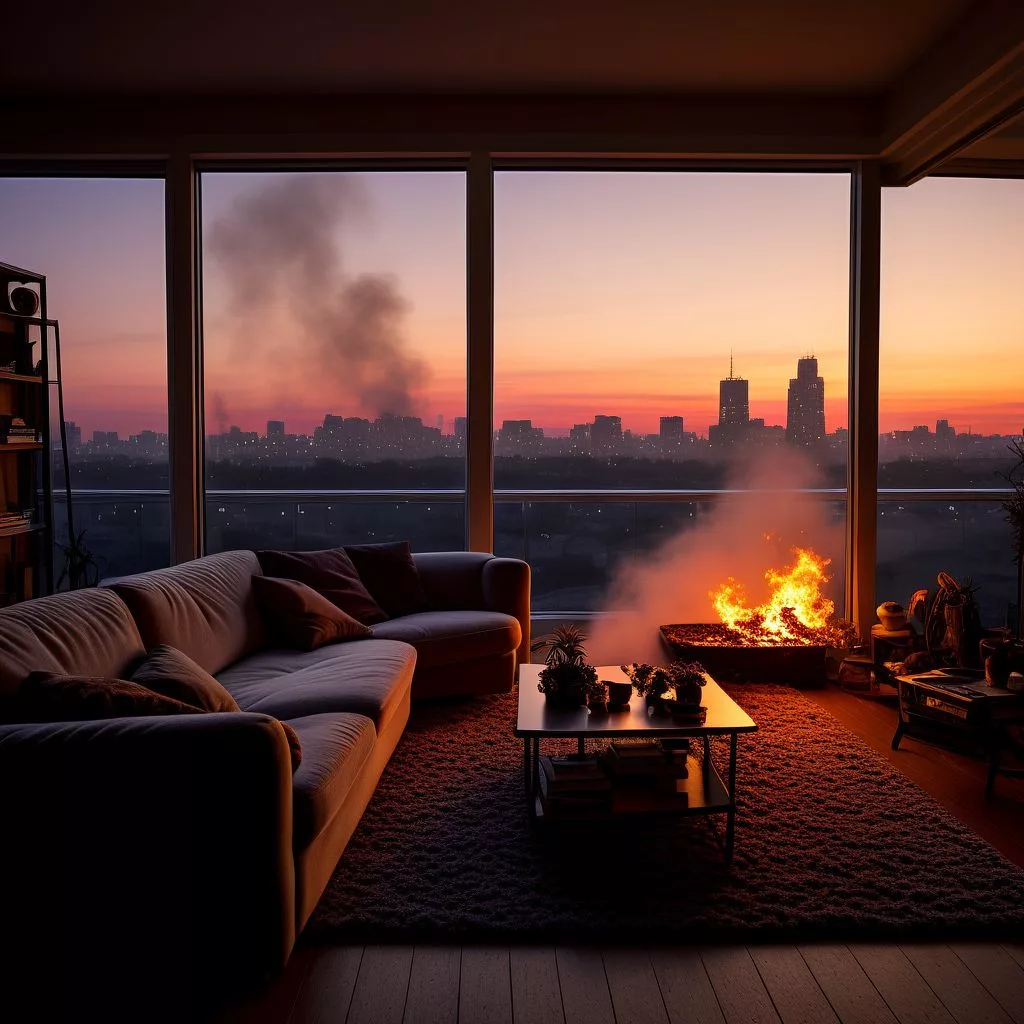
Residential fire prevention has made homes safer by cutting fire cases by 10% and deaths by 25%, thanks to strong community education, smoke alarms, and emergency planning. People across neighborhoods learn how to escape fires and keep their families safe, but some areas with poor housing still face big risks. Firefighters work hard with new tools and training, yet dangers like nighttime fires linked to alcohol and attacks on crews remind us the fight isn’t over. Fire safety is a shared effort, needing everyone’s care and constant readiness to protect lives.
How has residential fire prevention improved safety and reduced fire-related deaths?
Residential fire prevention has improved safety by reducing fire incidents by 10% and related deaths by 25% through community awareness campaigns, smoke detector use, emergency planning, and targeted efforts in high-risk areas. Ongoing vigilance and education remain essential to sustain progress.
A New Chapter in Fire Safety
As summer waned in August 2025, city leaders delivered news that brought relief and pride: residential fire incidents and deaths had both dropped for the first time in years. The Fire & Rescue Service, long accustomed to sleepless nights and urgent calls, took a moment to appreciate these hard-earned gains. Although the fresh statistics gave reason for hope, firefighters on the ground recognized that the threat of fire never truly disappears. For every percentage point of improvement, untold hours of community work, midnight rescues, and family heartbreak sit behind the public record.
The raw numbers from 2024/25 paint a promising picture. Residential fire cases – not just in formal homes but also in informal settlements – fell by 10%. Even more striking, deaths linked to these fires declined by a remarkable 25%. It would be easy to assume that the crisis has been averted. However, Alderman JP Smith, who serves on the Mayoral Committee for Safety and Security, cautioned that every statistic has a human side. Each drop in the graph represents stories of tragedy averted as well as lives forever changed.
Years ago, during a visit to a bustling fire station, a veteran captain showed me a collection of photographs from recent blazes. One image, showing the remains of a family’s living room, seemed to linger in his memory. “Training made the difference that night,” he told me, quietly. Despite his calm words, the weight of loss was plain in his eyes – a reminder that the numbers alone never convey the full toll of fire.
Community Action and Persistent Challenges
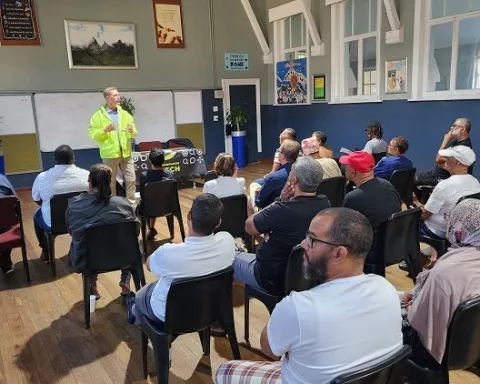
Behind the downward trend in fire statistics stands a collective effort. Fire safety awareness campaigns have taken root in schools, community centers, and local news outlets. Volunteers hand out educational pamphlets and city employees run safety workshops. Children practice escape drills beneath simulated smoke, while parents review emergency plans and test their smoke detectors. These routines, repeated in households across the city, have helped to save lives.
Yet, not all neighborhoods benefit equally. Certain communities – Khayelitsha, Philippi, Gugulethu, Mfuleni, and Wallacedene – continue to experience disproportionately high rates of fire-related deaths. In these areas, informal housing and limited access to infrastructure create persistent vulnerabilities. Residents here face not only the immediate dangers of fire, but also the ongoing struggle to maintain basic safety measures. The specter of disaster hangs over these communities, woven into daily routines and late-night anxieties.
The stubborn disparities serve as a reminder that fire safety is as much about social conditions as it is about individual vigilance. Where housing is makeshift and resources are few, the risk multiplies. Fire prevention, in these cases, becomes a broader project – one that requires investment, advocacy, and solidarity beyond the efforts of any single household.
When Night Falls: Substance Abuse and Fire Risk
A closer analysis of recent fire data reveals patterns that demand attention. The deadliest incidents tend to occur overnight, especially between the hours of 9 p.m. and 6 a.m., and spike during weekends. Men make up the majority of the victims. These facts point toward an often-overlooked link: the role of substance use in fire risk. Alcohol and other intoxicants compromise judgment and slow response times, turning everyday routines – like safely putting out a candle – into potential hazards.
Alderman Smith made this point clear: “Handling anything flammable requires clear thinking and focus, both of which are diminished by intoxication.” This warning echoes through fire safety campaigns worldwide. The relationship between substance abuse and fire is far from new. Historians have noted that in cities from 19th-century London to contemporary Cape Town, late-night celebrations and poor decisions have too often ended in tragedy.
Art and literature have long reflected these truths. Francisco Goya’s old etchings, warning of the perils of nighttime revelry, feel relevant even now. These stories and images remind us that the battle against fire’s risks is as old as civilization itself – a contest between caution and carelessness, one always waiting to be replayed.
Building a Culture of Preparedness
Public education remains the cornerstone of fire prevention. After catastrophic blazes in the early 20th century, cities like London and New York launched widespread safety campaigns: posters, neighborhood drills, and lessons in schools became the norm. Today, cities adapt these proven methods to reach people through social media, community radio, and in-person events. The City has published a thorough list of fire prevention tips online, bringing crucial information to more residents than ever before.
While technology – from smoke alarms to fire-resistant materials – has certainly improved safety, community connections play an equally vital role. Informal networks in neighborhoods often relay warnings faster than official systems can. A neighbor’s shouts, the smell of smoke drifting across a courtyard, or the sound of sirens can galvanize a street into action. These everyday acts of vigilance form a safety net that technology alone cannot replicate.
Quick access to emergency help is also critical. Fire services urge residents to save emergency numbers, such as 021 480 7700, in their phones. During fire prevention sessions, trainers demonstrate how to recognize early warning signs and communicate clearly with emergency responders. They stress that in moments of crisis, quick, calm action can save entire communities.
Facing New Threats: The Safety of Fire Crews
Not all hazards faced by firefighters come from the flames themselves. In the first seven months of 2025, crews encountered at least a dozen instances where they faced violence or threats. The majority of these incidents took place during weekend nights, often as firefighters responded to emergencies in high-risk areas.
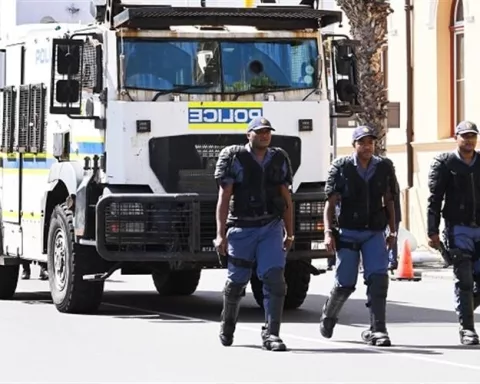
Some crews found themselves robbed at gunpoint, losing essential gear such as radios and cellphones. Others endured stone-throwing from agitated crowds. These attacks, shaped by deeper social tensions, only make an already dangerous job even harder. Firefighters sometimes rely on police escorts to enter certain neighborhoods, and every delay increases the risk to people and property.
Alderman Smith expressed his frustration about these challenges: “These attacks help no one and hurt us all.” When emergency teams must wait for reinforcements, fires can spread faster and wider. In several cases, what started as a single blaze consumed multiple homes because of delayed intervention. This phenomenon is not limited to this city alone; firefighters in cities from Paris to Chicago have faced similar threats, highlighting the complex environments in which they must work.
Firefighting: Innovation Rooted in Community
Responding to fires has always required a willingness to adapt and innovate. The early 20th-century Arts and Crafts Movement shaped firehouse architecture, emphasizing both function and community pride. Stained glass windows and carved woodwork celebrated acts of bravery. Modern fire stations may favor speed and efficiency over ornament, but the spirit of teamwork and service remains unchanged.
Today’s firefighters rely on cutting-edge tools: virtual reality training, thermal imaging cameras, and gear made from lightweight, heat-resistant materials. These advances enhance safety and effectiveness, but the essentials – courage, cooperation, and commitment – remain constant.
Firefighting brings together science and intuition, technology and tradition. It demands skill, empathy, and resolve in equal measure. While the encouraging decline in fire incidents is cause for celebration, it should never breed complacency. Every life saved and home preserved marks a victory, but vigilance must continue.
Lessons for the Future
The ongoing struggle with fire risk, substance abuse, and community safety offers important lessons for cities everywhere. Fire prevention is not a one-time achievement but a continuous effort, shaped by evolving threats and hard-earned expertise. Its story is recorded not just in statistics, but in artwork, literature, and the lived experience of those who risk everything to protect others.
As the city enjoys a period of fewer residential fires, residents and officials alike remain alert. Lasting safety depends on constant learning, compassion, and a shared sense of responsibility. In the shadow and light of the flames, the work goes on – sustained by the collective will to guard each other from harm.
What are the main achievements of residential fire prevention in recent years?
Residential fire prevention efforts have successfully reduced fire cases by 10% and fire-related deaths by 25%. These improvements are largely due to strong community education programs, widespread use of smoke alarms, and well-practiced emergency escape plans. Together, these factors have helped families prepare for and avoid the worst outcomes of residential fires, creating safer neighborhoods overall.
Why do some areas still experience higher rates of fire-related deaths despite prevention efforts?
Certain neighborhoods, such as Khayelitsha, Philippi, Gugulethu, Mfuleni, and Wallacedene, continue to face disproportionately high fire risks due to informal housing conditions and limited access to infrastructure. These environments make it difficult to implement consistent fire safety measures and increase vulnerability. The persistence of these disparities highlights that fire prevention is as much about addressing social and economic challenges as it is about individual vigilance.
How does substance abuse contribute to the risk of residential fires?
Nighttime fires, particularly those occurring between 9 p.m. and 6 a.m. and often on weekends, have been linked to alcohol and other intoxicants. Substance use impairs judgment and slows reaction times, increasing the likelihood of careless handling of flammable materials, such as candles or cooking equipment. This connection makes addressing substance abuse an important component of fire prevention strategies.
What role does community involvement play in fire safety?
Community engagement is vital to fire prevention. Educational campaigns in schools, community centers, and local media teach families how to prevent fires and respond during emergencies. Informal neighborhood networks often provide rapid warnings of danger, while regular drills and workshops help residents stay prepared. This collective vigilance supplements technological tools like smoke alarms and strengthens overall resilience.
What challenges do firefighters face beyond the flames themselves?
Besides battling fires, firefighters sometimes encounter violence and threats, especially during nighttime weekend calls in high-risk areas. Incidents include robberies of equipment and attacks such as stone-throwing, which delay emergency responses and increase danger for both crews and residents. Such challenges require coordination with police and community support to ensure firefighter safety and effective response.
How is technology improving firefighting and fire prevention?
Modern firefighting has embraced innovations like virtual reality training, thermal imaging cameras, and lightweight, heat-resistant protective gear. These technologies improve firefighter safety and operational efficiency. Meanwhile, fire prevention benefits from digital outreach through social media and online resources, expanding access to critical safety information. However, technological advances complement rather than replace the essential human qualities of courage, teamwork, and community cooperation.