The Savanna is a vibrant South African-inspired store in the UK, started by Lisa Gardshol with a dream to bring authentic flavors and a sense of community to South African expats and curious locals. From a small shop in Raynes Park, it grew through hard work, smart use of technology, and a close connection to customers. When challenges like the 2008 crisis and COVID-19 hit, The Savanna adapted quickly, launching online sales and controlling its supply chain. More than a shop, it’s a lively place where culture, taste, and friendship come together, showing how passion and smart thinking can change retail for the better.
What is the story behind The Savanna and its success in UK retail?
The Savanna, founded by Lisa Gardshol, is a South African-inspired retail brand in the UK known for authentic flavors, community focus, and resilience. Key factors include:
– Vertical integration for quality control
– Data-driven decisions for tailored customer experiences
– Adaptability during crises like COVID-19
– Strong community and employee empowerment initiatives
Seeds of Ambition: Beginnings in Retail and Inspiration
Lisa Gardshol’s entrepreneurial saga bridges continents and cultures, blending South African flavors with the bustling energy of London. Her story doesn’t start in a boardroom or behind a counter, but in the academic corridors of Aberdeen, Scotland. There, she honed her analytical skills before embarking on a formative stint at one of Britain’s most established retailers, Marks and Spencer. Gardshol’s immersion in the world of British commerce proved foundational. She started out on the shop floor, learning the intricate choreography of retail operations – the art of restocking, the science behind shelving, and the nuances of interacting with every customer who passed through the store.
These early years, spent navigating the day-to-day realities of a major retail operation, provided Gardshol with an education that no university could rival. She quickly moved up the ranks, accepting managerial and buying roles that demanded both strategic vision and rigorous attention to detail. Rather than seeing retail as an impersonal exchange, she came to appreciate its human element. Every complaint offered an opportunity for improvement, every empty shelf served as a lesson in inventory management, and every delighted customer reinforced her belief that “retail is detail.”
As British retail evolved – drawing inspiration from the efficiency-driven approaches of Japanese supply chains and the customer-first ethos of American brands – Gardshol absorbed these lessons. However, she recognized that technology and systems alone could not sustain a thriving business; it required empathy and a deep understanding of customer needs. Equipped with this rich background, she stood ready for the next chapter: creating a brand that would bring the taste of home to thousands of South Africans living in the UK while inviting the wider public to experience the culinary traditions she cherished.
The Birth of The Savanna: Building from the Ground Up
Gardshol’s leap into entrepreneurship arrived unexpectedly. After a period spent working in IT and dedicating time to her young family, she spotted an opportunity in Raynes Park, a leafy London suburb with a significant South African expat community. There, a small, defunct café stood vacant – its previous incarnation a casualty of tough economic times. With little more than determination, second-hand fixtures, and a humble budget, Gardshol, along with a small team, set out to build her vision: The Savanna.
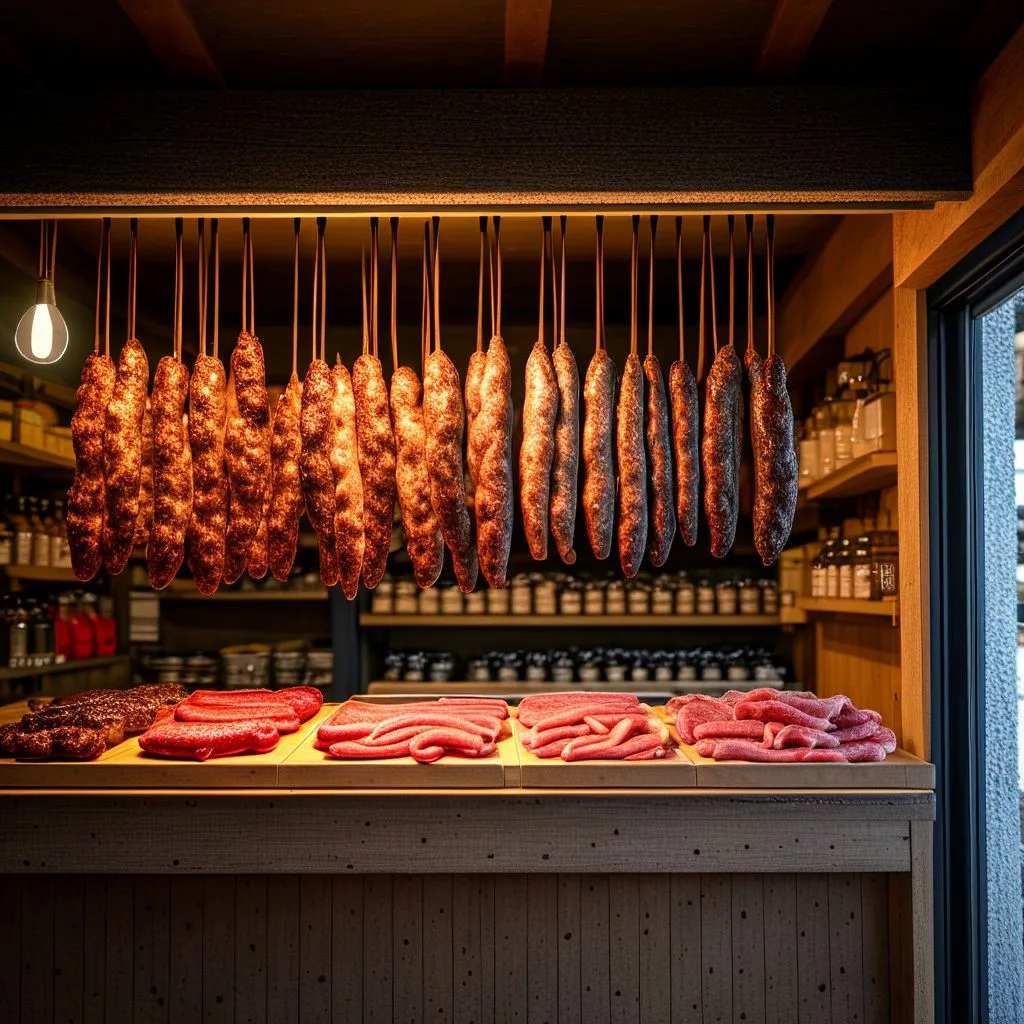
The shop’s opening marked a turning point. The anticipation among the local community was palpable; queues snaked along the pavement, and shelves needed restocking as quickly as they were emptied. The tills – rescued relics from another era – rang out as South Africans and curious Brits alike snapped up boerewors, biltong, and other staples. The initial chaos was underpinned by a shared sense of excitement and nostalgia. The aroma of spices, the distinctive snap of dried meats, and the familiar packaging transported customers back to kitchens and markets thousands of miles away.
Gardshol’s approach channeled the ingenuity of Victorian-era entrepreneurs and the communal spirit found in London’s historic immigrant markets. The Savanna didn’t simply fill a gap in the market; it fostered belonging. For South Africans far from home, the store became a gathering place for stories, laughter, and support. For Londoners with adventurous palates, it opened up a new world of tastes and traditions. This sense of community, combined with Gardshol’s instinct for business, transformed The Savanna from a risky experiment into a local landmark.
Navigating Challenges: Resilience, Innovation, and Growth
No entrepreneurial journey proceeds without its share of hurdles. Gardshol’s early experiences at Marks and Spencer resurfaced as she confronted the realities of supply chain management and the volatility of small-scale retail. She quickly realized that to maintain quality and consistency, she needed more control over her products and processes. Instead of relying exclusively on external suppliers, she took the bold step of establishing The Savanna’s own butchery and export operation. This move toward vertical integration allowed her to oversee everything from sourcing to final sale – a model that not only ensured quality but also protected the business during turbulent times.
The financial crisis of 2008 tested even the most robust businesses. Yet, The Savanna’s newfound control over its supply chain helped the company weather the storm, providing stability and continuity while many competitors struggled. Years later, the onset of the COVID-19 pandemic presented an even greater challenge. Within days, twelve out of The Savanna’s stores shuttered due to lockdown measures. Rather than accept defeat, Gardshol and her team demonstrated remarkable agility. They pivoted decisively to online retail, revamped their websites, and overhauled their warehouse and fulfillment processes within weeks. This rapid adaptation enabled them not only to survive but also to retain nine out of every ten online customers when physical stores eventually reopened.
Gardshol’s crisis management mirrored the adaptability of artists and inventors throughout history, who harness adversity as a catalyst for innovation. She cultivated a tight-knit team, seventy strong and scattered between the UK and Cape Town, forging a working culture marked by collaboration, flexibility, and shared purpose. Her leadership style encouraged internal mobility, allowing employees to move between roles and locations – even offering opportunities for staff to become part-owners, a rare phenomenon in the world of independent retail.
Data-Driven Expansion: Vision, Technology, and the Future
Growth for The Savanna has not been limited to store numbers or geographical spread. Gardshol’s embrace of technology and data analytics has fundamentally reshaped the company’s approach to retail. Her team actively collects data from tills, loyalty cards, online transactions, and social media, transforming a flood of raw information into actionable insights. Sophisticated dashboards and heat maps now underpin decisions – be it tailoring promotions, forecasting demand, or fine-tuning product ranges for each location. Gardshol’s conviction is clear: retailers who fail to harness the power of data risk obsolescence in a world shaped by digital transformation.
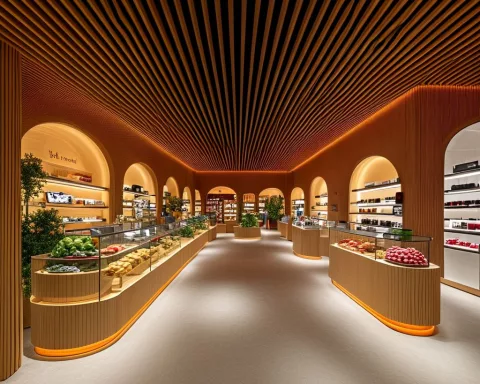
Each Savanna store reflects its local community. In Raynes Park, families stock up for the week, while Liverpool Street draws commuters in need of a quick yet satisfying meal. The Victoria branch serves as a crossroads for diverse African communities, and new locations like Waterloo Station and Guildford extend the brand’s reach to both South African expats and curious British shoppers. The core of the offering remains the same – authentic South African flavors and traditions, from the beloved braai to classic dried meats – yet each store adapts to the unique tastes of its neighborhood.
Looking ahead, Gardshol’s ambitions remain firmly rooted in both heritage and innovation. She aims to open at least one new store every year, increase the butchery’s capacity by forty percent, and expand wholesale operations. Recent expansions into busy travel hubs signal both scale and precision: sites like Waterloo Station, with its millions of weekly travelers, position The Savanna for further growth while remaining attentive to evolving customer needs.
Building Bridges: Culture, Community, and a Lasting Legacy
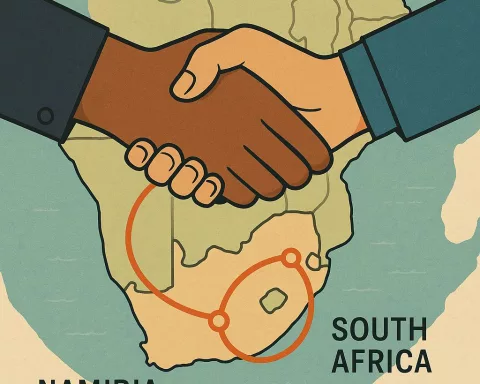
The Savanna’s impact transcends commerce. In Cape Town, teams manage buying, finance, marketing, and customer service, and employees have the chance to relocate to the UK or become shareholders. This decentralized, empowering approach has built a business culture that values initiative, loyalty, and mutual respect. Gardshol’s relationships with long-time partners and contractors echo the collaborative ethos of the Arts and Crafts movement, where close cooperation and shared vision ensure quality and continuity.
As The Savanna’s operations become more sophisticated – launching apps, enhancing its butchery, and investing in digital infrastructure – Gardshol remains unwavering in her commitment to quality and authenticity. Her vision centers on introducing ever more Britons to the depth and diversity of South African cuisine, fostering understanding and appreciation for a culture defined by both tradition and innovation.
Gardshol’s journey encapsulates the spirit of diaspora entrepreneurship: she honors her heritage while embracing the tools and possibilities of the modern world. Every customer who steps into a Savanna store – whether yearning for a taste of home or discovering South African flavors for the first time – joins a story that is still being written. Through resilience, ingenuity, and a commitment to community, The Savanna continues to transform the UK’s retail landscape, embodying not just a business, but a bridge between worlds.
What is The Savanna and how did it start?
The Savanna is a vibrant South African-inspired retail store in the UK, founded by Lisa Gardshol. It began as a small shop in Raynes Park, London, aimed at bringing authentic South African flavors and a sense of community to South African expats and curious locals. Lisa’s background in British retail, including her time at Marks and Spencer, and her passion for South African cuisine helped her build a store that combines cultural authenticity with smart business practices.
How did The Savanna manage to grow and succeed despite economic challenges?
The Savanna’s success is largely due to its adaptability and resilience. During the 2008 financial crisis, the company’s vertical integration – controlling its own butchery and supply chain – helped maintain quality and operational stability. During the COVID-19 pandemic, The Savanna quickly pivoted to online sales, revamped its digital platforms, and reorganized fulfillment processes, enabling it to retain 90% of online customers even when physical stores were closed.
What makes The Savanna’s approach to retail unique?
The Savanna integrates deep cultural connection with data-driven decision-making. It uses data from tills, loyalty programs, online sales, and social media to tailor product ranges and promotions specific to each store’s community. Additionally, it fosters a strong sense of community and employee empowerment, encouraging mobility within the company and offering staff opportunities to become part-owners. This blend of technology, culture, and people-centered leadership sets it apart.
How does The Savanna maintain authenticity and quality across its products?
To ensure quality and consistency, The Savanna operates its own butchery and export operations, vertically integrating the supply chain from sourcing to retail. This control allows the brand to maintain authentic South African flavors – like boerewors and biltong – while adapting to local tastes. The company’s close partnerships with suppliers and a commitment to traditional recipes help preserve the cultural essence of its offerings.
What role does community play in The Savanna’s business model?
Community is at the heart of The Savanna. The stores serve as gathering places for South African expats to connect and for local customers to explore South African cuisine and culture. Beyond customers, the company nurtures a collaborative and empowering workplace culture, with teams spread across the UK and Cape Town. This sense of belonging and shared purpose is a key driver of the brand’s ongoing success.
What are The Savanna’s future goals and plans for expansion?
Lisa Gardshol plans to continue expanding the brand by opening at least one new store annually, increasing the butchery’s capacity by 40%, and growing wholesale operations. Recent store openings in high-traffic travel hubs like Waterloo Station aim to attract both South African expats and the broader British public. The Savanna also invests in digital innovation, such as apps and enhanced data analytics, to further refine customer experiences and operational efficiency.