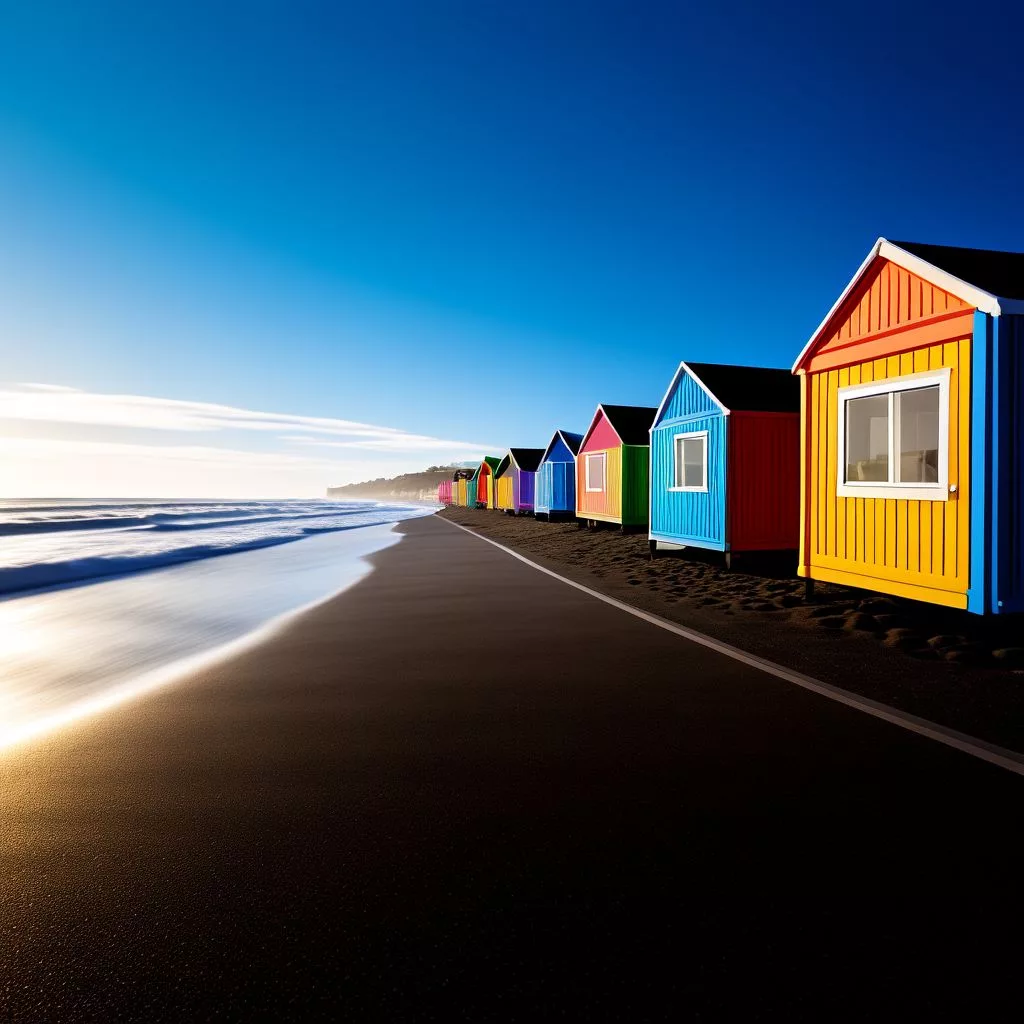
Muizenberg’s Eastern Beachfront is coming alive again with fresh upgrades like better parking, safer walkways, and beautiful native plants. The new seawalls help protect the beach from rising seas and storms, making it stronger for the future. This makeover welcomes everyone – families, surfers, and local shops – bringing back the lively spirit that makes Muizenberg special. It’s more than just a fix; it’s a hopeful new beginning for a beloved seaside spot where nature, history, and community connect.
What is happening in the Muizenberg Eastern Beachfront refurbishment?
The Muizenberg Eastern Beachfront refurbishment revitalizes this iconic coastal area by upgrading parking, enhancing accessibility, adding indigenous landscaping, and building resilient seawalls. It promotes community engagement, supports local businesses, and addresses climate change impacts, creating a sustainable, vibrant seaside space.
A Distinctive Heritage and a Shared Waterfront
Muizenberg, nestled at the edge of Cape Town, has always been more than just a seaside suburb. Its beach, lined with brightly colored huts and open to the crash of the Atlantic, draws a diverse crowd: veteran surfers chasing the perfect break, families ambling along the promenade, and artists captivated by the ever-changing play of light. This stretch of coastline holds a special place in the city’s story, its rhythms echoing through generations. Recent hurdles, however, have threatened to dampen its vibrancy. Years of infrastructural neglect, mounting environmental pressures, and the ever-growing number of visitors converged to reveal the fragility of this beloved shore.
With the reopening of the eastern parking area in front of the Muizenberg Civic Centre, a new chapter begins. This is more than just the addition of a few hundred parking spaces; it is a powerful signal of renewal – an investment not only in bricks and mortar but in the spirit of the community. The sense of anticipation in the air is palpable, as both residents and visitors return to rediscover what makes Muizenberg unique.
The area’s heritage is still visible. Architectural traces of Victorian and Edwardian times stand watch over the boardwalk, echoes of a bygone era when renowned literary figures like Agatha Christie and Rudyard Kipling found inspiration along these sands. For more than a century, this sliver of shoreline has served as a meeting point between city life and untamed nature, between old traditions and new ambitions.
Reimagining Public Space: From Functionality to Flourishing
The transformation of the eastern parking area goes far beyond resurfacing battered concrete. It represents a thoughtful reimagining of how public space can support both community and environment. Gone is the patchwork of gravel and cracked surfaces that once made access difficult for all but the most determined. In its place, new paved areas and carefully designed landscaping create a welcoming entryway to the beach.
Soft landscaping, featuring hardy indigenous plants, is being introduced in phases. These touches promise to soften the visual impact of the new infrastructure, creating green pockets that invite relaxation and foster biodiversity. The result is a place that feels both functional and beautiful – a space that reflects the values of place-making, where every design decision strives to cultivate a sense of belonging.
Local business owners have already noticed the changes. The owner of a longstanding beachfront café describes how the upgrades bring more families and day-trippers to her door, each looking for their own spot to enjoy the view or sip a coffee after an early swim. For children, the removal of potholes and uneven ground means newfound freedom – the simple joy of running barefoot to the water’s edge without fear of stumbling.
The improvements also carry echoes of historic urban renewal efforts, from the City Beautiful movement to the creation of post-war European plazas. The City of Cape Town’s approach, however, blends this tradition with a modern sensibility, prioritizing both community needs and ecological stewardship.
Building for Tomorrow: A Resilient Shoreline
The physical enhancements are only one layer of a deeper, more strategic response to Muizenberg’s environmental challenges. With climate change accelerating coastal erosion and intensifying storms, the city recognized the need for robust defenses. The new seawalls, rising above the high tide mark, offer a clear and practical answer to the persistent threat of rising seas.
Muizenberg’s approach aligns with efforts seen in coastal cities around the globe. Leaders in places like Venice and New York have wrestled with similar questions – how to balance the realities of climate change against the financial and social costs of large-scale adaptation. In Cape Town, decision-makers opted for a phased, methodical refurbishment, beginning in February 2025 with the western section at Surfer’s Corner and progressing eastward alongside the railway. This allowed the most vulnerable spots to receive attention first, while minimizing disruption for businesses and beachgoers.
The project’s timeline has not escaped the influence of the elements. Unpredictable weather, especially rain, occasionally slowed construction, serving as a constant reminder of nature’s power in shaping Muizenberg’s fate. Yet, city officials persevered, with the upcoming reopening of the St James Walkway offering another promising milestone. Each completed section adds to a growing sense of accomplishment and safety.
Community at the Core: Participation and Progress
No public space can truly thrive without the people who use it and shape its character. Understanding this, the city made community engagement a central pillar of the refurbishment. Regular meetings at the Lookout on Promenade Road provide an open forum for residents – shopkeepers, surfers, retirees, and young people alike – to voice concerns, offer suggestions, and stay informed about progress.
These gatherings recall the ideals of participatory design, where local input influences not just the aesthetics but the fundamental functionality of a place. Residents’ patience and willingness to navigate temporary inconveniences speak to their investment in the long-term vision. The process has created not just a better beachfront, but a deeper sense of ownership and pride.
Transparency and accountability remain key priorities. The city keeps stakeholders updated through digital channels and frequent public briefings, building trust and enthusiasm as each phase unfolds. This collaborative spirit ensures that the improvements reflect the community’s evolving needs – not just those of today, but for years to come.
Positive Ripples: Economy, Ecology, and Inspiration
The benefits of the transformation extend well beyond the shoreline. As accessibility improves, local businesses feel the uplift in trade. Surf shops, art galleries, and cafés report a steady uptick in visitors, many of whom stay longer or explore new corners of the neighborhood. This revitalized energy boosts not only the local economy but also the informal social networks that make Muizenberg special.
Environmental advocates also play an active role, watching over the project’s ecological footprint. They hope that as landscaping continues, the new vegetation will attract local birds and pollinators, adding further richness to the area’s biodiversity. These efforts may serve as a model for other South African coastal communities, illustrating how ecological sensitivity and public infrastructure can complement each other.
The resonance of Muizenberg’s renewal reaches even those who pass through only briefly. The upgraded beachfront offers a first impression that inspires return visits, and the new amenities invite people from all walks of life to linger, connect, and contribute to the suburb’s ongoing story.
Looking Forward: A Living Legacy
Muizenberg’s journey reflects the latest trends in urban planning – an emphasis on resilience, sustainability, and inclusivity over grand, top-down gestures. The city has prioritized adaptability and local participation, ensuring that the improvements do more than just weatherproof the coastline; they support a thriving, interconnected community.
Early mornings by the eastern parking area now reveal a living tableau. Joggers stretch by newly built walls, exchanging greetings with neighbors. Elderly couples rest on benches, savoring the sunrise. Young skateboarders and children race across smooth paving, filling the air with laughter. The nearby railway, as ever, brings in fresh waves of visitors whose arrival is met with a sense of welcome rather than weariness.
As the final sections of the refurbishment progress, a spirit of anticipation overcomes any frustrations caused by ongoing construction. Residents, businesses, and officials alike remain vigilant, ensuring that the process remains transparent and responsive. Updates flow freely, and each improvement draws the community closer to realizing its vision.
The rebirth of Muizenberg’s beachfront stands as a testament to what can be achieved when a city invests in both its people and its places. More than just a parking upgrade, it is a celebration of shared heritage, a commitment to ecological responsibility, and a model of community-driven renewal. In the ever-shifting sands of Muizenberg, one finds proof that even the most familiar landscapes hold the promise of transformation and hope for the future.
What is the Muizenberg Eastern Beachfront refurbishment project?
The Muizenberg Eastern Beachfront refurbishment is a comprehensive upgrade of this iconic coastal area in Cape Town. It includes improvements such as enhanced parking facilities, safer and more accessible walkways, and the introduction of native plants to improve the landscape. Crucially, new resilient seawalls have been constructed to protect the beach from rising sea levels and intensified storms due to climate change. The project aims to revitalize the community space, support local businesses, and create a sustainable, welcoming environment for families, surfers, and visitors.
How does the refurbishment honor Muizenberg’s heritage?
Muizenberg is steeped in history, with architectural traces from the Victorian and Edwardian eras still visible along the beachfront. This area has long been a meeting point where city life and nature blend, inspiring artists and writers like Agatha Christie and Rudyard Kipling. The refurbishment preserves these historical elements while infusing new energy and life into the space, ensuring that the cultural and historical significance of Muizenberg remains a vital part of its identity.
What environmental measures are included in the project?
To address the challenges posed by climate change, particularly coastal erosion and rising sea levels, the refurbishment includes the construction of new seawalls. These seawalls are designed to protect the beach by standing above the high tide mark and reducing the impact of storms. Additionally, the landscaping incorporates hardy indigenous plants that promote biodiversity, support local bird and pollinator populations, and create green, inviting pockets along the beachfront, merging ecological sensitivity with urban infrastructure.
How has the community been involved in the refurbishment process?
Community engagement is a central pillar of the project. Regular meetings at venues like the Lookout on Promenade Road have provided a platform for residents, business owners, surfers, and other stakeholders to share their concerns, suggestions, and feedback. This participatory approach ensures that the refurbishment reflects the needs and desires of the people who use the space daily. The city maintains transparency through digital updates and public briefings, fostering a sense of shared ownership and pride in the project.
What benefits can local businesses and visitors expect from the upgrades?
The refurbishment has already begun to positively impact local businesses such as cafés, surf shops, and galleries by attracting more families and day-trippers. Improved parking and upgraded walkways make the area more accessible and inviting, encouraging visitors to stay longer and explore. The enhanced environment creates new opportunities for social interaction and economic activity, helping to restore the lively spirit that Muizenberg is known for while boosting the local economy.
What is the long-term vision for Muizenberg’s Eastern Beachfront?
The project embodies modern urban planning principles focused on resilience, sustainability, and inclusivity. Beyond physical upgrades, the vision is to create a vibrant, interconnected community space that can adapt to future environmental challenges while preserving Muizenberg’s unique character. The refurbishment is designed to be a living legacy – a place where people from all walks of life can come together to enjoy nature, history, and community for generations to come.