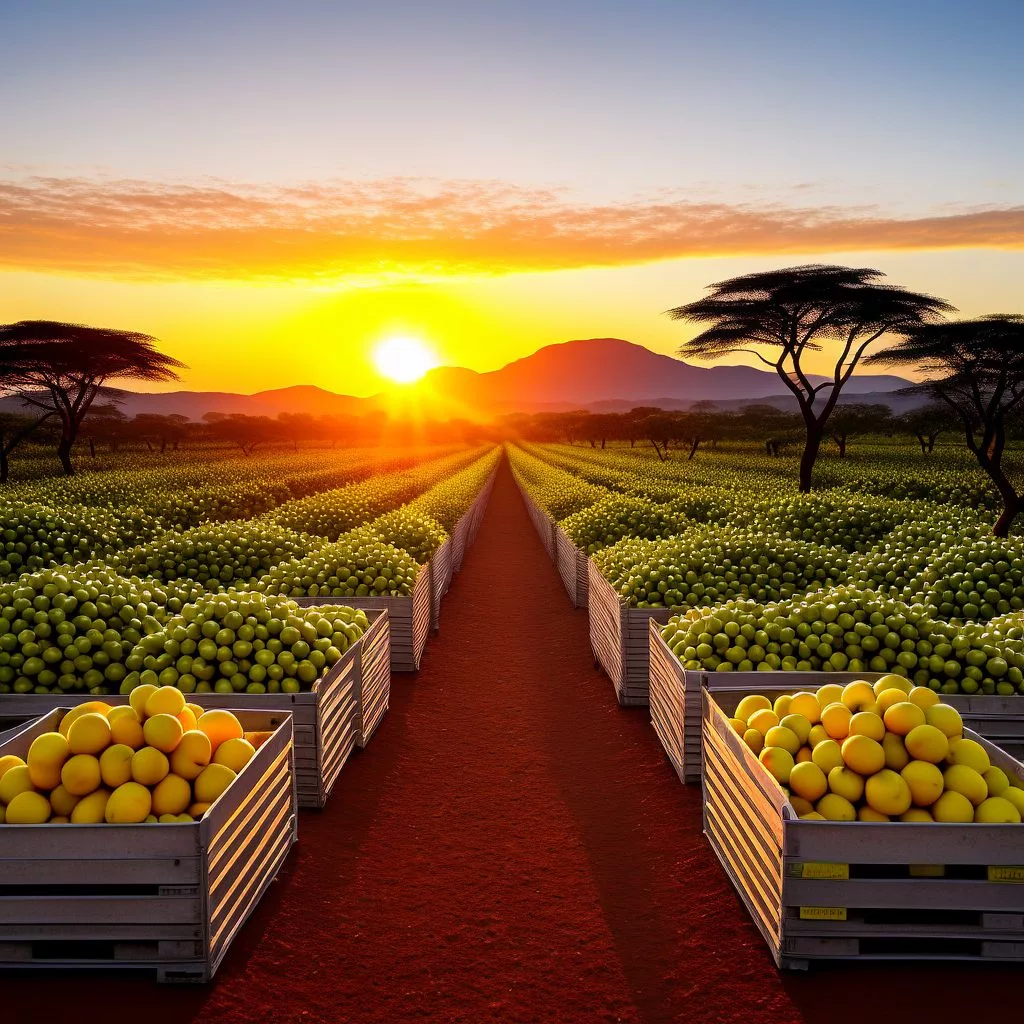
South Africa’s farms are buzzing with excitement as exports of fruits like citrus, grapes, and macadamia nuts to the United States jump by 26%, reaching a record $161 million in early 2025. This success comes from better port operations, teamwork between farmers and the government, and smart marketing. But rising US tariffs threaten to slow this growth, pushing South African farmers to innovate and explore new markets. Amid the fertile fields and busy packing sheds, hope shines bright for a future where tradition and technology work hand in hand.
Why are South African agricultural exports to the United States increasing?
South African agricultural exports to the US surged by 26% in Q2 2025, reaching $161 million due to improved port logistics, diverse products like citrus and macadamia nuts, government-industry collaboration, sustainable farming, and innovative marketing. However, rising US tariffs pose ongoing challenges.
Rising Exports Ignite Hope Across the Agricultural Heartland
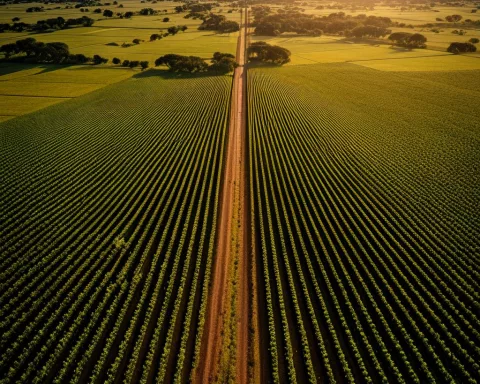
Morning breaks over the fertile valleys of the Western Cape, where teams of farmworkers gather among citrus trees heavy with fruit. The energy in the air is almost tangible, as the region’s famed orchards prepare for another season of record-setting exports. South Africa’s agricultural sector, long a vital part of the nation’s identity and economy, now finds itself in the spotlight after a remarkable surge in shipments to the United States.
During the second quarter of 2025, South African agricultural exports to the US soared to a record US$161 million. This figure represents a 26% leap compared to the same period last year, and follows a robust first quarter where exports already climbed 19% year-on-year to US$118 million. These gains have sent waves of optimism through South Africa’s rural communities and export hubs, providing a badly needed boost during a period of global uncertainty and shifting trade dynamics.
Minister of Agriculture John Steenhuisen recently toured several thriving Western Cape farms and praised the sector’s resilience. “We have faced many storms, but our farmers and exporters continue to rise to the challenge,” he noted, as local workers loaded fresh produce destined for overseas markets. This collective achievement reflects not just favorable weather or market trends, but years of dedication to quality, efficiency, and collaboration across the entire agricultural value chain.
The Machinery Behind Export Success
Driving along the highways leading to the Port of Cape Town, one can see the results of a coordinated effort that extends from field to harbor. Trucks transport lorries brimming with grapes, citrus, apples, and pears, while warehouses bustle with sorting and packing teams. The improvements in port logistics and infrastructure have streamlined the shipping process, reducing bottlenecks and ensuring South African produce arrives fresh on American shelves.
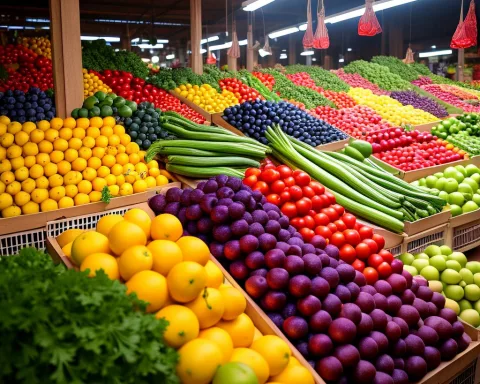
A diverse mix of agricultural products now fills containers bound for the US. Citrus fruits continue to lead the charge, with South African oranges and lemons earning a reputation for superior taste and long shelf life. Table grapes, apples, and pears complement the export portfolio, while wine producers have expanded their global presence. Exports of specialty products, such as macadamia nuts and avocados, have also seen steady growth as American consumers seek healthier and more varied food options.
Minister Steenhuisen credits the collaboration between government, industry bodies, and individual farmers for these export gains. Investments in quality control, sustainable farming practices, and cold-chain logistics have paid off. South African exporters have also leveraged modern marketing campaigns to highlight the unique stories behind their products, helping to build strong relationships with US importers and retailers.
Trade Agreements and the Threat of Tariffs
Despite the recent export boom, risks still loom on the horizon. The US introduced a 30% tariff on certain South African agricultural imports, signaling a shift in trade priorities and putting pressure on exporters. Steenhuisen cautions that enjoying current successes should not lead to complacency. “We must stay competitive. The loss of preferential trade access would hit our producers hard,” he emphasized, urging industry leaders and policymakers to remain proactive.
Trade negotiators have stepped up efforts to secure more predictable market access. Talks between South African and US officials focus on safeguarding existing agreements and exploring new avenues for collaboration. For many in the sector, the outcome of these negotiations will have far-reaching consequences – not only for export revenue but also for rural employment and investment in agricultural innovation.
Tariff changes also renew calls for the industry to diversify beyond traditional markets. South Africa’s leaders often reference painful lessons from other countries, such as the fallout from abrupt market closures or sanctions. Building a broader base of export destinations could help insulate the sector from geopolitical shocks, while opening new opportunities for growth in untapped regions.
Innovation, Diversification, and the Human Element
Diversifying exports requires more than diplomatic agreements. On the ground, forward-thinking farmers experiment with new crops, such as pomegranates and blueberries, to attract buyers in Asia and the Middle East. Others invest in organic certification and sustainable production, responding to growing consumer demand for transparency and ethical sourcing. Cooperative organizations play a vital role in sharing best practices, hosting training sessions, and supporting small-scale producers as they adapt to changing market conditions.
Technology shapes the modern South African agricultural landscape. Vineyard owners deploy drones to monitor plant health, while big data analytics refine yield predictions and guide irrigation strategies. These innovations, once reserved for industrial giants, now empower family-run farms to optimize output and respond swiftly to challenges posed by climate shifts or pest outbreaks.
At every stage, people drive progress. In bustling citrus packhouses, skilled workers inspect fruit for blemishes and sort according to size and quality. Their expertise ensures that only the best produce is shipped abroad. Farmers’ associations echo traditions of mutual aid, organizing community projects and standing together in times of drought or economic stress. This sense of shared purpose sustains both the industry’s present and its future.
Culture, Identity, and Looking Forward
South African agriculture’s story extends far beyond numbers on a balance sheet. The land itself carries the legacy of centuries – first shaped by indigenous cultivators, then transformed by waves of European settlers who brought new crops and methods. The sector weathered decades of apartheid and isolation, only to reemerge as a global contender after the country’s democratic transition. Today, agriculture remains a powerful symbol of resilience, adaptation, and hope.
Artists and writers have long drawn inspiration from these agricultural landscapes. Painters depict the riotous colors of sunflower fields and vineyards at dusk, while novelists weave farming into tales of renewal and perseverance. In galleries and in literature, the rhythms of planting and harvest stand as metaphors for South Africa’s broader journey.
The current export boom brings a sense of pride but also signals the need for vigilance. Maintaining momentum means nurturing both the land and the people who depend on it. It requires continued investment in innovation, education, and sustainable practices, as well as a commitment to forging new partnerships abroad.
South African agriculture now stands at a crossroads. The recent leap in US exports illustrates what is possible when vision, hard work, and collaboration intersect. As global trade relationships evolve, the sector’s ability to adapt – and to honor both tradition and progress – will determine whether this chapter becomes a lasting success story or a brief moment of triumph. For farmers, workers, and communities across the country, the stakes could hardly be higher.
FAQ: South African Agriculture’s Export Boom and Trade with the United States
1. Why have South African agricultural exports to the United States increased so significantly in early 2025?
South African agricultural exports to the US surged by 26% in the second quarter of 2025, reaching a record $161 million. This growth stems from improved port operations, stronger government and industry collaboration, sustainable farming practices, and innovative marketing strategies. Key export products include citrus fruits, grapes, macadamia nuts, and other specialty crops. Enhanced cold-chain logistics and quality control measures ensure produce reaches US consumers fresh and competitively.
2. What role have port improvements played in boosting South African agricultural exports?
Upgrades in port infrastructure, especially at the Port of Cape Town, have streamlined shipping processes, reduced bottlenecks, and improved handling efficiency. These logistical enhancements allow perishable goods like citrus and grapes to move quickly from farms to American markets, preserving freshness and quality. Better coordination between transporters, packhouses, and shipping lines has been essential to meeting growing demand.
3. How are rising US tariffs affecting South African agricultural exports?
The US has introduced a 30% tariff on certain South African agricultural products, which threatens to slow export growth by making these goods less price-competitive in the US market. This tariff increase poses risks to farmers’ incomes and export revenue, potentially impacting rural employment. South African officials and industry leaders are actively negotiating with US counterparts to secure more favorable trade terms and reduce tariff impacts.
4. What strategies are South African farmers using to cope with trade challenges and diversify export markets?
Farmers are investing in crop diversification by cultivating new products like pomegranates and blueberries, targeting emerging markets in Asia and the Middle East. Many producers are also adopting organic certification and sustainable farming methods to meet global consumer demand for ethical and transparent sourcing. Cooperative organizations provide training and share best practices to support small-scale and family farms in adapting and innovating.
5. How is technology influencing South African agriculture and its export potential?
Modern technology plays a growing role in enhancing productivity and sustainability. Farmers use drones to monitor crop health, big data analytics to optimize irrigation and yield forecasts, and cold-chain logistics to maintain quality during transport. These innovations help farms respond swiftly to climate challenges and pest outbreaks, supporting consistent export quality and volume.
6. What broader cultural and economic significance does the agricultural export boom hold for South Africa?
Beyond economic gains, agriculture is deeply tied to South Africa’s identity, history, and community resilience. The export boom symbolizes the sector’s recovery and global competitiveness after years of political and economic challenges. It supports rural livelihoods, fosters community cooperation, and inspires cultural expression in art and literature. Sustaining this momentum requires balancing tradition with innovation, investing in education, and expanding international partnerships.
If you have more questions about South African agriculture or trade policies, feel free to ask!