The South African Astronomical Observatory Visitor Centre in Cape Town is a lively place where history, science, and culture come together. Visitors can explore hands-on exhibits, look through historic telescopes, and hear stories from South Africa’s indigenous peoples about the stars. This centre makes astronomy fun and easy to understand for everyone, inspiring young minds and celebrating the country’s rich connection to the night sky. It’s a bright hub that invites all to share in the wonder of the universe.
What is the South African Astronomical Observatory Visitor Centre and why is it important?
The SAAO Visitor Centre in Cape Town is a unique science hub blending history, astronomy, and indigenous culture. It offers interactive exhibits, historic telescopes, and storytelling that inspire curiosity, promote STEM education, and celebrate South Africa’s rich astronomical heritage and diverse perspectives.
A Landmark Reimagined
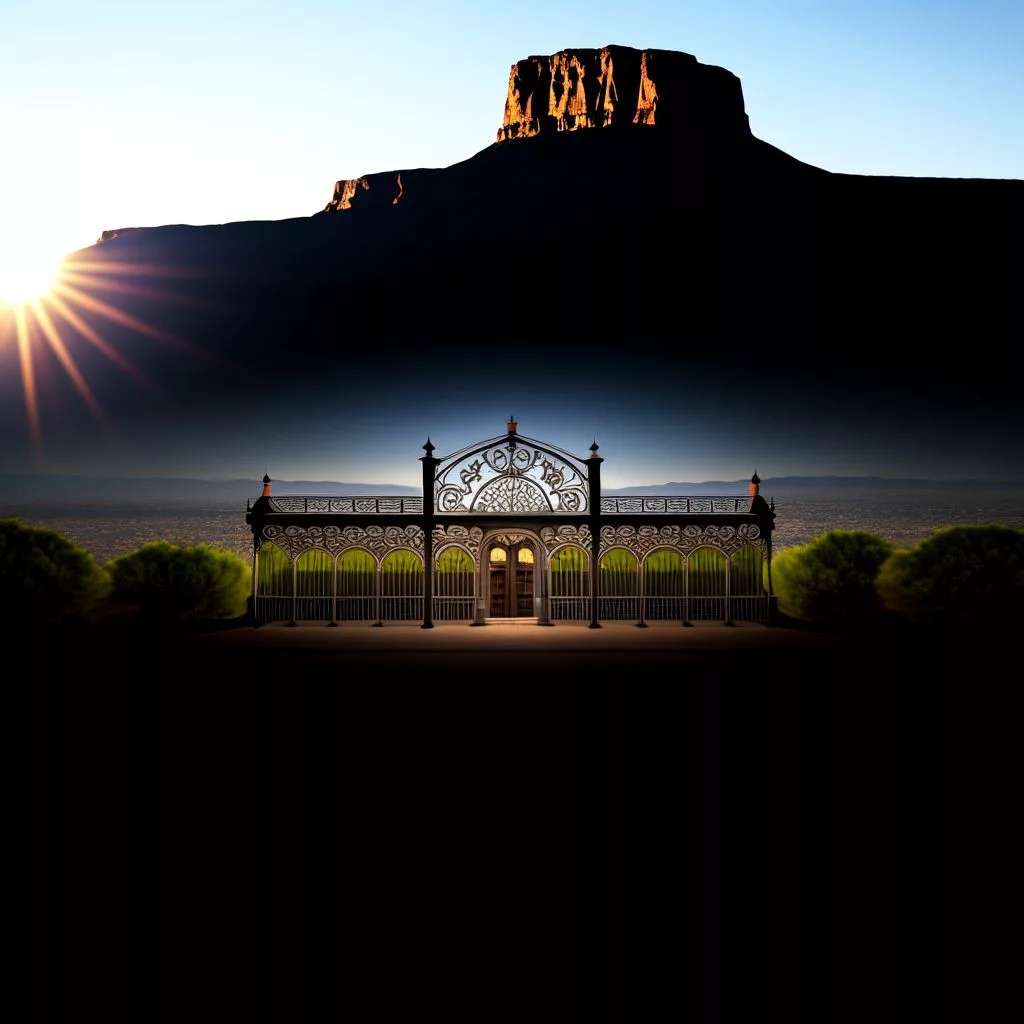
Tucked away in Cape Town’s vibrant Observatory neighborhood, the South African Astronomical Observatory (SAAO) stands as a unique crossroads where the threads of history, scientific discovery, and cultural identity intertwine. The launch of the SAAO’s new Visitor Centre marks a significant chapter in South Africa’s journey to explore and celebrate its connection to the universe. Within the walls of a carefully restored Victorian pumphouse, the passage of time becomes tangible, with Table Mountain rising in the background – a silent witness to centuries of innovation and curiosity.
From the moment visitors step onto the grounds, excitement and expectation fill the air. The building’s ornate ironwork and timeworn brickwork hint at stories from a different era, yet inside, contemporary energy prevails. Sunbeams stream through lofty windows, shining down on hands-on exhibits that encourage everyone – from eager children to seasoned scholars – to engage directly with scientific phenomena. The sense of possibility is palpable, as if the brilliance of distant galaxies vibrates within the very architecture.
Transforming this historical structure into a dynamic science centre required vision and collaboration. The project aligns with the National Astro-Tourism Strategy, a forward-thinking initiative designed to broaden the country’s appeal to travelers and cultivate a wider public understanding of astronomy. While South Africa’s astronomical renown often conjures images of remote observatories like the SALT telescope in Sutherland, the SAAO Visitor Centre flips the script. By anchoring the experience in the city, it breaks down barriers, welcoming local residents and global tourists to share in the wonder of the cosmos.
Engaging the Senses: Science Made Tangible
A defining feature of the SAAO Visitor Centre lies in its commitment to participatory learning. One sun-drenched corner houses a heliostat – a device that captures the sun’s light and projects it in real time onto a screen. Visitors gather around, marveling at the intricate details of sunspots and solar flares, once the exclusive domain of professional astronomers. Dedicated staff members guide the experience, turning advanced concepts into meaningful, accessible moments that ignite curiosity.
The centre also houses the storied McClean telescope, a masterpiece of late nineteenth-century engineering. This imposing instrument does more than serve as a relic; visitors actively use it, stepping onto a hydraulic floor that gently rises, ensuring each person gets an unobstructed view through the eyepiece. The sensation of ascending – echoing a theatre curtain rising or a first ride on a ferris wheel – transforms stargazing into a thrilling, personal encounter with celestial wonders like the craters of the moon or Saturn’s delicate rings. In these moments, time collapses, linking past observers to the present in a shared sense of wonder.
The centre invites visitors to move beyond passive observation and become participants in discovery. The array of interactive exhibits appeals to all ages, allowing guests to simulate planetary orbits, manipulate mirrors and lenses, and recreate experiments that have propelled human understanding forward. The lively, hands-on environment recalls the intellectual salons of centuries past, where communities gathered to debate, experiment, and marvel at the mysteries of the universe.
Weaving Cultural Narratives into Astronomy
Beyond its scientific offerings, the SAAO Visitor Centre serves as a canvas for South Africa’s rich cultural tapestry. The ceiling, crafted from perforated aluminum, mirrors the night sky above the Karoo but highlights constellations meaningful to the indigenous Kora (!Ora) people instead of the familiar Greco-Roman patterns. Drawing on historical records, the centre displays these star patterns, offering a fresh perspective on both astronomy and the lives of Southern Africa’s earliest stargazers.
Further inside, a cozy alcove resonates with the melodic sounds of isiXhosa and Khoekhoegowab stories. Through collaborations with local knowledge keepers, the centre presents audio narratives that share traditional myths, seasonal wisdom, and the stars’ significance in navigation and agriculture. These immersive experiences remind visitors that astronomy is far more than a technical pursuit; it is a living tradition deeply rooted in community and daily life, predating modern science by thousands of years.
This approach embodies a broader movement in science communication that seeks not only to showcase technological achievements but also to honor diverse perspectives. The SAAO’s programming dissolves old divides between Western science and indigenous knowledge, weaving them into a vibrant, collaborative tapestry. In this space, no single story claims dominance; instead, multiple narratives coexist, enriching the visitor’s understanding of both the cosmos and human creativity.
Inspiring Future Generations and Communities
The timing of the Visitor Centre’s opening coincides with Cape Town’s preparations to host the 2025 International Astronomy Union General Assembly – a prestigious event expected to attract leading scientists and enthusiasts from around the world. The centre positions itself as Cape Town’s gateway to the stars, blending cutting-edge research with inclusive public engagement. On any given day, the air buzzes with the voices of students exploring the properties of starlight, while nearby, astronomers discuss the latest findings from the SAAO’s optical and infrared observatories. This dynamic mix transforms the centre into a lively laboratory of ideas.
A core goal of the SAAO is to spark interest in STEM fields, especially among underrepresented communities. The centre’s outreach efforts focus on supporting young women and learners from rural or underserved areas, offering hands-on experiences with astronomical equipment and stories of African scientists and celestial navigators. By enabling these encounters, the SAAO helps dismantle stereotypes, encourages new career paths, and broadens the definition of who can excel in science.
Astro-tourism has flourished globally, from Chile’s Atacama Desert to the star-studded skies of New Zealand. South Africa, blessed with some of the clearest night skies on earth, stands ready to become a leader in this growing field. The SAAO Visitor Centre hopes to draw over 18,000 visitors annually, offering fresh opportunities for local businesses, educators, and artists. Through its efforts, the centre not only enriches the tourism landscape but also strengthens community ties and fosters a deeper appreciation for the wonders of the universe.
A Place Where Curiosity Unites
Wandering through the centre, guests encounter moments that blur the lines between art, science, and personal experience. In one gallery, delicate lights trace planetary orbits; in another, hands-on optical experiments invite playful discovery. The SAAO’s insistence on context and diversity ensures that every visit offers something new. An older visitor might share childhood memories of reading the stars to mark the planting season, while a child sketches fresh constellations inspired by indigenous tales. Each interaction adds a new layer to the centre’s evolving story, emphasizing that astronomy reflects humanity’s enduring desire to question, dream, and find meaning in the night sky.
As dusk settles over Cape Town, the centre transforms once more, inviting the public to stargaze beneath the open sky. Expert astronomers guide telescopes toward Jupiter’s moons or the soft glow of distant nebulae, while laughter and conversation fill the night air. In those shared moments of awe, barriers of language and background dissolve, replaced by a collective sense of wonder. The SAAO Visitor Centre stands not only as a monument to scientific achievement but also as a living testament to the power of curiosity, tradition, and community to connect us all – under the boundless canopy of the stars.
What is the South African Astronomical Observatory (SAAO) Visitor Centre?
The SAAO Visitor Centre in Cape Town is a unique science and cultural hub that combines astronomy, history, and indigenous storytelling. It offers hands-on exhibits, opportunities to use historic telescopes like the McClean telescope, and immersive experiences that highlight South Africa’s rich connection to the night sky. The centre is designed to make astronomy accessible and inspiring for visitors of all ages and backgrounds.
Where is the SAAO Visitor Centre located and what is special about its building?
The Visitor Centre is situated in Cape Town’s Observatory neighbourhood, housed within a beautifully restored Victorian-era pumphouse. The building itself is a landmark blending historic architecture with modern scientific exhibits. Its location provides stunning views of Table Mountain, linking South Africa’s natural heritage with its scientific and cultural journey exploring the cosmos.
How does the SAAO Visitor Centre make astronomy engaging and accessible?
The centre emphasizes participatory learning through interactive exhibits that allow visitors to simulate planetary orbits, manipulate mirrors and lenses, and recreate important experiments. A heliostat projects real-time images of the sun’s surface, revealing sunspots and solar flares. Visitors can also use the hydraulic platform to look through the historic McClean telescope, making stargazing a thrilling and personal experience.
In what ways does the centre incorporate indigenous knowledge and cultural narratives?
The SAAO Visitor Centre celebrates indigenous astronomy by featuring star patterns recognized by the Kora (!Ora) people on its ceiling, rather than traditional Greco-Roman constellations. Audio stories in isiXhosa and Khoekhoegowab share myths, seasonal knowledge, and the stars’ role in navigation and agriculture, highlighting the deep cultural significance of astronomy in Southern Africa and fostering respect for diverse ways of knowing.
How does the SAAO Visitor Centre support education and community outreach?
A key focus of the centre is to inspire interest in STEM fields, especially among underrepresented groups such as young women and learners from rural or underserved communities. Through hands-on activities and exposure to African scientists and celestial navigators, the centre encourages new career paths in science and helps break down stereotypes. It also serves as an educational gateway in Cape Town, especially as the city prepares to host the 2025 International Astronomy Union General Assembly.
What role does the SAAO Visitor Centre play in astro-tourism and the local community?
South Africa is renowned for its clear night skies, making it an ideal destination for astro-tourism. The SAAO Visitor Centre aims to attract over 18,000 visitors annually, enhancing tourism and providing opportunities for local businesses, artists, and educators. By blending cutting-edge research with public engagement and cultural storytelling, the centre strengthens community ties and fosters a shared sense of wonder about the universe.