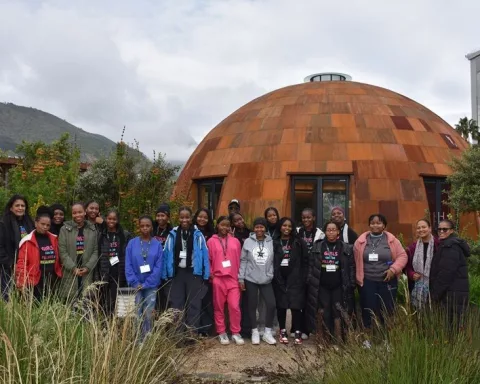
In Cape Town, the EPWP program is giving women important administrative jobs that help them grow skills and confidence. These women handle vital tasks like managing data and ensuring audits run smoothly, proving that their work is key to the city’s success. Through these roles, they not only support city projects but also build leadership, learn new abilities, and open doors to better opportunities. Their dedication turns everyday administration into a powerful path for change and empowerment.
How is the EPWP administration in Cape Town empowering women through administrative roles?
The EPWP administration in Cape Town empowers women by providing essential administrative and data management roles that build skills, accountability, and leadership. Women gain professional growth, audit readiness experience, and opportunities for personal development, transforming administration into a platform for empowerment and career advancement.
Rediscovering the Power of Women’s Work
Step into any Cape Town municipal office involved in the Expanded Public Works Programme (EPWP), and you’ll find an atmosphere charged with purpose. Here, groups of women tackle the essential – but often underestimated – tasks of administration and data management. Their work, far from routine, forms the backbone of city governance and tells a broader story about growth, recognition, and transformation.
The history of women in administration stretches back over a century. Early activists in the women’s suffrage movement, for example, understood the role of detailed record-keeping in advancing their cause. Over time, women’s presence in public service expanded, enabling them to shape entire systems from within. Today, women in Cape Town’s EPWP stand in that tradition, using their skills to make an impact while forging their own paths of advancement.
Administrative roles historically received little fanfare, yet the women of EPWP have brought new meaning to these positions. By approaching every task with professionalism and care, they have shown that administration is not just paperwork – it is a vital part of city life and progress. Their dedication ensures that public programs function smoothly, benefitting communities across the city.
Building Accountability: The Audit Readiness and Support Team
Kamva Afikile Juta leads a team of seven women whose daily work centers on accountability. Their team, focused on Audit Readiness and Support, upholds exacting standards for compliance. From reviewing identification documents to scrutinizing contracts, they confirm that every work opportunity meets city guidelines before inclusion in official records.
These women visit worksites to cross-check information and interact directly with project teams. Their diligence protects the integrity of the city’s reporting, ensuring readiness for internal and national audits. In a world where the accuracy of public records can sway trust in government, their role becomes crucial. Rather than serving as detached bureaucrats, they act as stewards, safeguarding the credibility of municipal programs.
Yet the rewards extend beyond the files they inspect. The EPWP encourages its administrative staff to pursue personal growth. Team members, such as Buhle Inganathi Majangaza from Gugulethu, seize these opportunities to further their studies or learn practical skills like driving. Majangaza notes that the program has helped her unlock new aspects of herself – improving her focus, discipline, and sense of self-worth. Alicia Jacoman from Mamre adds that she has developed valuable communication and technical abilities, growing confident enough to take initiative in her career and community.
These stories highlight a crucial point: administration under the EPWP is not a dead-end job. Instead, it is a platform for learning, self-improvement, and empowerment. The skills acquired here prepare women to step confidently into new roles, both within public service and beyond.
The Heartbeat of Progress: EPWP’s Data Capturing Project
In another corner of the program, Nomvula Oliphant oversees the Data Centre: Data Capturing Project. Here, fifteen women meticulously update the city’s Jobseeker Database and the EPWP National Reporting System. Their responsibilities include verifying labor reports, uploading employment data, and providing support to a variety of municipal departments.
Data sits at the center of effective governance. The accuracy and timeliness of these women’s work ensures that citizens’ records are current and that broader city reporting withstands external scrutiny. Their attention to detail means job seekers stay visible in the system and eligible for new opportunities.
Sinazo Masiba from Gugulethu has found the experience transformative, gaining not only knowledge but also resilience in leadership and problem-solving. Mandilakhe Wonci from Eerste River used her time with EPWP to obtain a driver’s license and pursue advanced studies, crediting the program with developing her teamwork and self-confidence. Their journeys showcase how administrative roles can serve as a launchpad for greater ambitions, blending technical expertise with personal growth.
The data capturers’ efforts ripple outward, touching every aspect of city planning and service delivery. By ensuring information is reliable and accessible, they make it possible for policymakers to act on real needs and for citizens to receive timely support.
Recognition, Opportunity, and the Road Ahead
Alderman Grant Twigg, who chairs the portfolio for Urban Waste Management in Cape Town, underscores the significance of the women’s contributions. He remarks that skill, commitment, and excellence define the team, regardless of gender. During Women’s Month, the city shines a spotlight on their achievements, bringing long-overdue recognition to work that often goes unnoticed.
This public appreciation marks a pivotal shift. Where once women’s labor remained hidden behind the scenes, city leaders now acknowledge their essential role in sustaining Cape Town’s administration. Their example recalls moments in history when women, after years of supporting others’ successes, finally earned credit for their own expertise and initiative.
Since its start in 2004, the EPWP has created over 15 million work opportunities in South Africa. More than a short-term employment scheme, it serves as a stepping stone, equipping participants with skills and experience that enhance their employability in an evolving labor market. In Cape Town, the city’s application of the EPWP reflects a larger vision: empowering individuals through meaningful, structured work.
Participation requires ongoing engagement. Jobseekers must regularly update their profiles, as the city deactivates those inactive for a year. However, reregistration is straightforward, with offices and helpdesks available citywide to assist.
Weaving Change: The Legacy of EPWP’s Women
In the shared offices and meeting rooms of Cape Town’s EPWP projects, a quiet revolution unfolds. Every contract checked and each database updated represent more than administrative milestones – they are acts of agency and transformation. Through their daily work, these women blend public service with personal ambition, crafting a collective legacy that strengthens both the city and its citizens.
Cape Town’s experience illustrates how modern administration, when inclusive and supportive, can become a powerful driver of change. By investing in women’s leadership and skill development, the city reaps rewards far beyond efficient record-keeping. The women of EPWP demonstrate that with opportunity and recognition, administration can become a canvas for artistry, growth, and lasting impact.
What is the EPWP program in Cape Town and how does it involve women in administration?
The Expanded Public Works Programme (EPWP) in Cape Town provides important administrative and data management roles to women. These roles include managing data, ensuring audit readiness, and supporting various municipal projects. By engaging women in these vital tasks, the program helps them build skills, gain leadership experience, and increase confidence, ultimately empowering them and opening doors to better career opportunities.
How do EPWP women contribute to audit readiness and accountability?
A team led by Kamva Afikile Juta focuses on Audit Readiness and Support, ensuring that all work opportunities comply with city guidelines. The team reviews contracts, verifies identification documents, and cross-checks information directly at worksites. Their diligent work safeguards the integrity of municipal reporting and prepares the city for internal and national audits, maintaining public trust in government processes.
What personal and professional growth opportunities does EPWP offer to women in administrative roles?
Women in the EPWP administration gain more than just work experience – they are encouraged to pursue further education, acquire new practical skills like driving, and develop communication and leadership abilities. Participants report increased focus, discipline, and self-worth, showing that EPWP roles serve as a platform for empowerment and ongoing career development.
How important is data management within Cape Town’s EPWP, and what impact does it have?
Data capturing is central to the EPWP’s success. Under Nomvula Oliphant’s supervision, women maintain the Jobseeker Database and EPWP National Reporting System by verifying and uploading employment data. Their accuracy ensures that job seekers remain visible for opportunities and that city planning and service delivery are based on reliable information, making data management a critical backbone of effective governance.
How is the City of Cape Town recognizing and valuing the work of women in EPWP administration?
City leaders, including Alderman Grant Twigg, publicly acknowledge the skill, dedication, and excellence of women in EPWP administrative roles. Their contributions are highlighted during events like Women’s Month, signaling a broader cultural shift toward recognizing and celebrating women’s essential role in sustaining city administration and promoting gender equality in public service.
What are the requirements for participation in the EPWP, and how can jobseekers stay active in the program?
To participate in the EPWP, jobseekers must regularly update their profiles, as inactivity for over a year may lead to deactivation. Reactivating profiles is straightforward, with support available at city offices and helpdesks throughout Cape Town. This ongoing engagement ensures that participants remain eligible for meaningful work opportunities and continue to benefit from the program’s skill-building and empowerment initiatives.