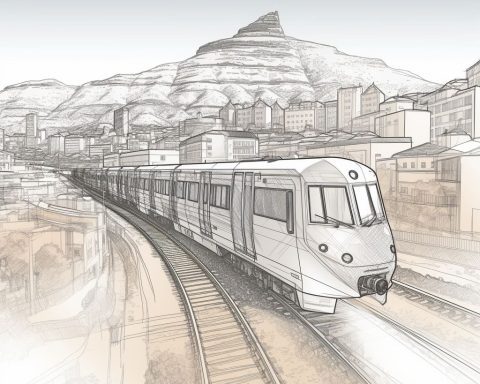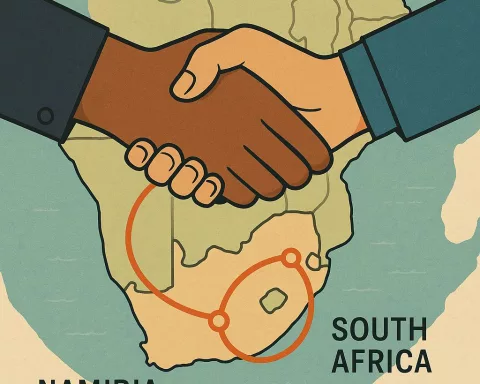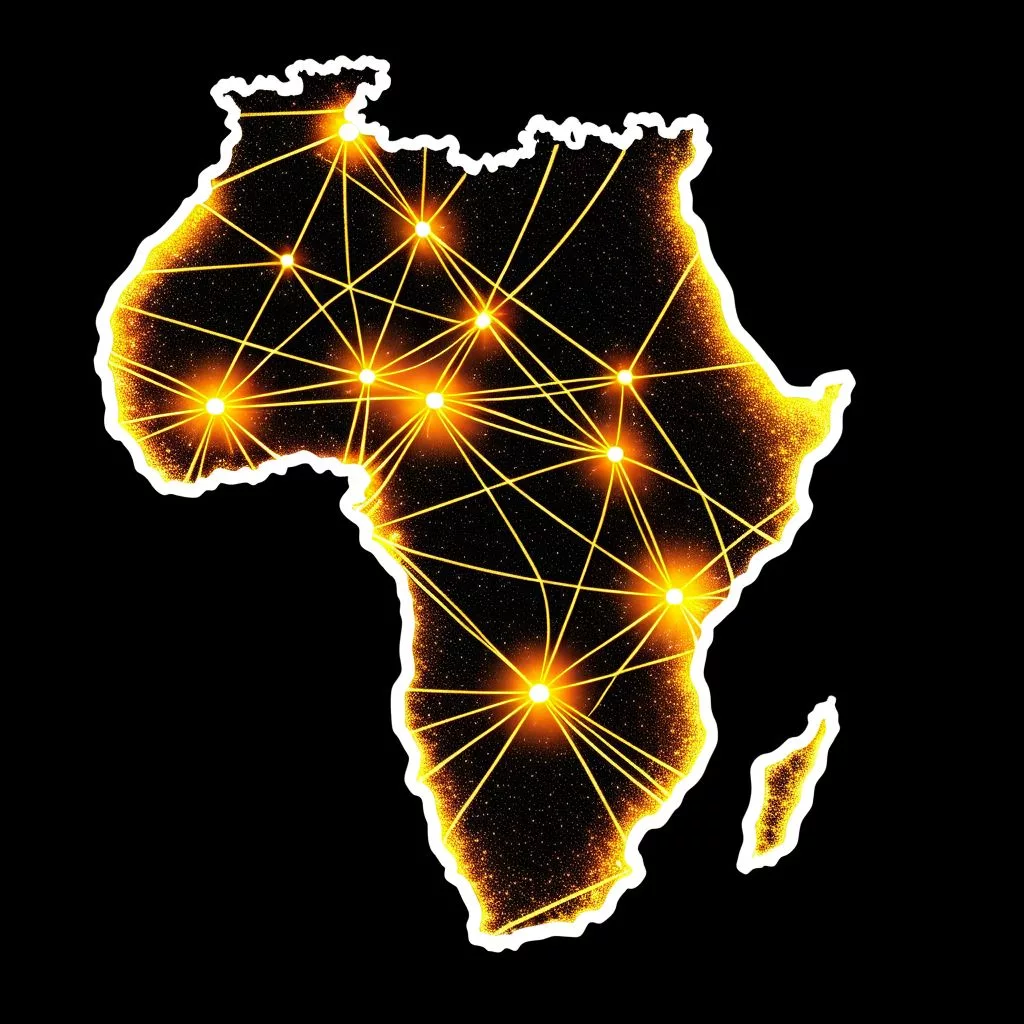
South Africa has opened its railways to private companies for the first time in decades, sparking fresh energy and hope for the future. Eleven new operators will run trains on 41 key routes, boosting freight capacity, creating jobs, and easing road traffic. This bold move breaks old state control, inviting competition and investment to grow the country’s economy. The railways, long a symbol of connection and progress, now stand ready to carry South Africa forward with new strength and purpose.
What is the significance of South Africa’s new rail slot allocation system?
South Africa’s new rail slot allocation system opens the rail network to private Train Operating Companies (TOCs), promoting competition and investment. It aims to boost freight capacity, improve efficiency, create jobs, and reduce road congestion by allowing 11 approved operators on 41 routes across six key economic corridors.
On a sunlit Pretoria morning, Minister Barbara Creecy addressed an expectant audience. Her announcement would reshape South Africa’s industrial backbone, touching every facet of commerce and community life. Creecy, known for pragmatic reform and unwavering resolve, stood before the nation to reveal the results of Transnet’s recent slot allocation – a breakthrough in the country’s ongoing rail evolution.
For over a century, South Africa’s railways have served as indispensable links, threading together mining towns, farmlands, and global ports. These tracks have carried more than cargo; they have supported dreams, migrations, and moments of national change. The current drive for reform harks back to earlier eras of innovation, when the construction of railroads signaled both modernity and transformation.
Creecy’s announcement marks a pivotal turn in this narrative. Transnet’s infrastructure division, known as the Transnet Rail Infrastructure Manager (TRIM), has finalized its first-ever process for assigning slots to new Train Operating Companies (TOCs). This milestone breaks decades of state-controlled exclusivity and opens the door to wide-ranging private participation. It draws inspiration from the sweeping rail deregulation that reshaped Europe and parts of Asia, aiming to blend oversight with opportunity.
Policy Foundations and Strategic Reforms
The groundwork for today’s changes began in March 2022, when the Cabinet adopted a decisive National Rail Policy. This blueprint preserves state ownership of core infrastructure while inviting private firms to operate trains, mirroring reforms in the United Kingdom and the European Union. Both regions improved efficiency by separating the management of infrastructure from train operations, a lesson South Africa now adapts for its own needs.
The National Rail Policy envisions a freight system that attracts private investment, boosts capacity, and cuts the cost of moving goods. It also seeks to lessen the environmental toll of road-based logistics. In December 2023, the government conferred temporary regulatory powers to the Interim Rail Economic Regulatory Capacity (IRERC), ensuring a level playing field as the sector welcomes new entrants. Their first major tool – the Network Statement and accompanying Tariff Determination – debuted at the end of 2024, ushering in a new era of transparency.
The Network Statement spells out every rule for gaining access to the rail network. Structured with legal precision, it explains technical standards, safety requirements, and financial terms. This document, much like those seen across Europe, represents the constitution of an open-access rail system. It guides who may run trains, where, and under what conditions, ensuring structured competition rather than chaos or monopoly.
New Operators and Economic Corridors
Late in 2024, TRIM opened slot applications to all interested parties. Stakeholders responded with vigor; twenty-five companies submitted thorough proposals, each eager to claim a share of South Africa’s rail future. After a rigorous evaluation, eleven operators received approval – proof of both strong demand and high standards.
These TOCs will soon move goods on forty-one routes spread across six critical corridors. The North Corridor, serving as a vital mineral artery, now has six new companies prepared to move coal and chrome bound for export. The Iron Ore Corridor, lifeline for the Northern Cape’s mines, welcomes a single new operator ready to handle high-volume shipments. The Cape Corridor, oriented toward Atlantic ports, brings additional capacity for manganese traders.
The Northeast Corridor, meanwhile, stands out for its diversity. Six new operators will move a mix of coal, chrome, magnetite, fuels, and containers over sixteen key routes. In the Central Corridor, a blend of bulk minerals and containerized cargo will travel via two new links, both granted to a single operator. Four TOCs will join the Container Corridor, connecting coastal ports with inland cities and handling everything from sugar to various bulk goods.
These awards transcend bureaucracy. They promise vitality, jobs, and new investment in the rail sector. According to TRIM forecasts, new operators will add twenty million tonnes of annual freight by 2026/27. This increase comes alongside Transnet Freight Rail’s own traffic, nudging the country closer to an official goal of moving 250 million tonnes of goods each year by 2029.
Opportunities, Oversight, and the Road Ahead
The mood in South Africa’s logistics sector buzzes with anticipation. Private companies, once limited to trucking, now draft plans for rail-linked depots and logistics hubs. Engineers and technicians, some returning from international postings, see new prospects for revitalizing the country’s iconic locomotives and wagon fleets. These scenes recall the creative urgency of the Bauhaus school, where innovation thrived through shared vision and practical challenge.
Reform encourages not only train operations but also fresh investment in rolling stock and support infrastructure. Companies – public or private – may now create leasing pools for locomotives and wagons, opening doors to partnerships that could channel up to R100 billion into rail assets. This echoes the railroad booms of the nineteenth century, when cities and fortunes grew alongside the tracks.
Each TOC’s slot award comes with tough conditions. Operators must secure safety licenses, prove rolling stock readiness, arrange access to ports, and satisfy a host of operational requirements. These safeguards prevent the missteps seen in some other countries, where deregulation led to underinvestment or service breakdowns. Access rights will last from one to ten years, giving companies both flexibility and certainty. Full operations may begin once all requirements are fulfilled.
TRIM plans to keep momentum strong. Soon, the agency will accept ad-hoc slot requests for the 2025/26 period via a newly released third volume of the Network Statement. Later, the Department of Transport will share a timeline for further expansion, including the application process for 2026/27.
Transformation, Culture, and Community Impact
South Africa’s rail reforms unfold in a climate of cautious optimism. Policymakers study lessons from the past, aiming to avoid fragmentation, neglect, or narrow profit-seeking. The regulatory system, though still evolving, tries to balance predictability with flexibility, making sure the allocation process advances the broader goals of national development.
Historians find echoes of earlier railway eras. The ambitions of Cecil John Rhodes, who dreamed of a Cape-to-Cairo line, and the legacies of apartheid-era state enterprises both inform today’s debates. The opening of the rails now invites fresh stories – ones rooted in collaboration, innovation, and shared prosperity.
Artists and writers have long turned to the railways for inspiration. William Kentridge’s evocative animations use trains to evoke memory and migration. South African poets have charted journeys and farewells, mirroring the country’s social rhythms. Even in a policy-driven context, the symbolism of the rails persists: tracks link not just places, but people, histories, and aspirations.
Stakeholders across labor, business, and civil society have welcomed these reforms. Logistics firms foresee a surge in intermodal efficiency. Communities near the new freight corridors anticipate jobs and new services. Environmental groups highlight rail’s potential to reduce the carbon footprint of freight, as more trains mean fewer trucks on the nation’s roads.
Above all, South Africa’s new slot allocation process hints at a nation on the move. Each allocated slot, each newly refurbished engine represents not just an economic shift but a collective hope for better days. The trains that soon thunder down these revitalized tracks will carry more than cargo; they will bear the ambitions and resilience of a country forging ahead – one mile at a time.
What is the new rail slot allocation system in South Africa?
South Africa’s new rail slot allocation system is a groundbreaking framework that opens the national rail network to private Train Operating Companies (TOCs) for the first time in decades. Managed by the Transnet Rail Infrastructure Manager (TRIM), it allows approved private operators to run trains on designated routes, promoting competition, boosting freight capacity, and improving overall efficiency. This system allocates specific “slots” or access rights on 41 key freight routes across six major economic corridors, enabling 11 new operators to participate alongside the state-owned Transnet Freight Rail.
Why is opening South Africa’s railways to private companies important?
Opening the railways to private companies breaks decades of state monopoly, inviting fresh investment, innovation, and competition. This move is expected to create jobs, increase freight throughput by an estimated 20 million tonnes annually by 2026/27, and reduce road congestion by shifting freight from trucks to trains. It aligns South Africa with international best practices observed in the UK and EU, where separating infrastructure management from train operations has led to more efficient and environmentally friendly freight transport.
How does the National Rail Policy support these reforms?
Adopted in March 2022, South Africa’s National Rail Policy provides the legislative and policy foundation for separating rail infrastructure ownership from train operations. It keeps infrastructure state-owned for stability and safety while encouraging private sector participation in operating trains. The policy aims to attract investment, increase capacity, lower freight costs, and reduce environmental impact by promoting rail over road logistics. It also established the Interim Rail Economic Regulatory Capacity (IRERC), which oversees fair access and transparent tariff setting.
Who are the new operators and which routes will they serve?
Following a competitive application process, 11 private Train Operating Companies were approved to operate across 41 routes within six critical corridors:
- North Corridor: Six operators serving key mineral exports like coal and chrome.
- Iron Ore Corridor: One operator focused on Northern Cape iron ore shipments.
- Cape Corridor: Additional capacity for manganese transportation to Atlantic ports.
- Northeast Corridor: Six operators handling diverse cargo including coal, chrome, and containers.
- Central Corridor: One operator managing bulk minerals and containers on two new links.
- Container Corridor: Four operators connecting coastal ports with inland cities, transporting goods like sugar and bulk commodities.
These operators bring varied expertise and plans to revitalize freight rail in their regions.
What conditions must new operators meet to begin running trains?
Each approved Train Operating Company must comply with strict criteria before commencing operations. Requirements include securing safety licenses, demonstrating readiness with rolling stock (locomotives and wagons), arranging port access agreements, and meeting operational standards set by TRIM and IRERC. Slot allocation agreements range from one to ten years, providing operators with both flexibility and security. These safeguards aim to prevent service disruptions and ensure sustained investment, addressing challenges observed in some deregulated rail markets worldwide.
What are the broader economic and social impacts of these rail reforms?
The reforms are expected to stimulate economic growth by improving freight logistics efficiency, which benefits mining, agriculture, manufacturing, and trade sectors. Job creation is a key outcome, both directly in rail operations and indirectly through linked logistics hubs and infrastructure projects. Environmental benefits arise from shifting freight transport from road to rail, reducing carbon emissions and road wear. Additionally, the reforms foster a culture of innovation and collaboration, drawing on South Africa’s rich railway heritage and inspiring new stories of progress, community connection, and national resilience.