In April 2024, a white student at Knysna High School in South Africa used a deeply hurtful racial slur against Black classmates, sparking widespread shock and sadness. This painful moment reminded everyone that racism still lingers, even years after apartheid ended. The school acted quickly with investigations, counseling, and efforts to teach respect and understanding. The incident opened up important talks about race, history, and hope for a future where all students feel safe and valued. It showed that healing takes time but is possible when a community comes together to learn and grow.
What happened in the Knysna High School racism incident in South Africa?
In April 2024, a white student at Knysna High used a racist slur against Black classmates, sparking national outrage. The school responded with investigations, counseling, and restorative discipline, highlighting ongoing challenges of racism rooted in South Africa’s apartheid history within educational settings.
A Painful Reminder from Knysna High
In April 2024, the historic town of Knysna found itself at the center of a national conversation about race, history, and the ongoing struggle for equality in South Africa. At Knysna High School, a short video captured a white student using the K-word, an offensive racial slur rooted in the country’s apartheid past, against black classmates who were expressing themselves through song. The footage quickly circulated among students and soon ignited outrage across social media, drawing attention not just from the local community, but from citizens and commentators throughout the nation.
The incident did more than trigger an emotional response. For many South Africans, it stripped away layers of denial about the persistence of racism in society, particularly among young people born long after apartheid’s official end. The K-word, heavy with the pain and humiliation suffered over generations, remains a symbol of systemic oppression. Its utterance within the walls of a school – a space meant for learning and growth – felt like a direct affront to the progress South Africa has labored to achieve. The national mood swung quickly from shock and anger to a deeper, more reflective sorrow over how far the country still must go.
Social media amplified the event, with hashtags trending and thousands of comments flooding in. Many users expressed their disbelief that such attitudes endured, while others, older and marked by personal memories of institutionalized racism, described the incident as both shocking and disturbingly familiar. The online conversation underscored a painful truth: the legacies of apartheid are not confined to history books, but still shape attitudes and behaviors in everyday life.
Institutional Response and the Demand for Change
Faced with mounting pressure, education officials responded decisively. Bronagh Hammond, the Western Cape Education Department’s spokesperson, condemned the language and behavior captured in the video. She reaffirmed the department’s commitment to fostering school environments rooted in dignity, respect, and equality. Hammond’s words reflected both an acknowledgment of the harm caused and an understanding that schools bear the responsibility of setting ethical standards for future generations.
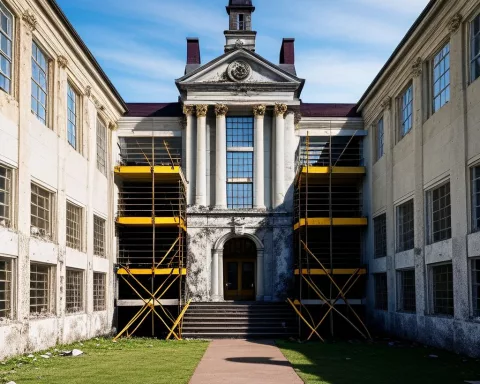
Knysna High School came under immediate scrutiny as public officials and parents demanded swift and meaningful action. School administrators launched an internal investigation, intent on understanding not only the incident itself but also the broader context that allowed such behavior to take place. Their inquiry included everyone connected to the event: the student who hurled the slur, the classmates involved, and even the individual responsible for recording and sharing the video. This comprehensive approach aimed to ensure that accountability reached all corners of the event, and that the pursuit of justice would not scapegoat any single party.
Principal Mark Mosdell played a visible role during this crisis. He outlined the school’s approach to discipline, emphasizing a structured process that began with immediate meetings and the collection of statements from all parties involved. The School Governing Body was set to hear the case, making decisions about consequences and next steps. Mosdell stressed that the school’s goal extended beyond punishment alone. He advocated for measures that would help students learn from the incident, encouraging reflection, responsibility, and growth. This stance reflected a larger trend within South African education – one that recognizes the need for restorative practices alongside traditional discipline.
The Role of Counseling and Community Engagement
In the wake of the incident, Knysna High School prioritized the emotional welfare of its students. School counselors provided support sessions for anyone affected, creating safe spaces for dialogue and healing. These sessions helped students process anger, confusion, and sadness, and aimed to prevent the festering of resentment or trauma. For many, these conversations offered a first step toward overcoming the shock and hurt caused by the slur.
The wider Knysna community responded with a mixture of concern and hope. Parents debated appropriate disciplinary measures, weighing the benefits of strict punishment against the value of restorative approaches. Alumni and long-time residents reflected on their own experiences, sharing stories that highlighted both the progress made and the challenges that remain. The incident became a catalyst for broader discussions – at PTA meetings, in churches, and around dinner tables – about how to raise children who will embrace diversity and reject bigotry.
Social media, while instrumental in bringing the issue to national attention, also introduced new risks. Rapid-fire comments and viral outrage sometimes reduced the situation to simple narratives of good versus evil. Principal Mosdell cautioned against such polarization, urging the community to recognize the complexity of the individuals involved. He emphasized the need to foster understanding, not just condemnation, as part of any meaningful path forward.
Lessons from South Africa’s Past – and Its Future
Knysna High’s ordeal serves as a stark reminder of South Africa’s ongoing journey from division to unity. During apartheid, schools enforced segregation and taught curricula designed to support the system’s racist ideology. In the decades since, the educational system has sought to reverse this legacy, embracing principles of inclusion and reconciliation. National efforts, such as the Truth and Reconciliation Commission, set the tone for this transformation, but their success remains incomplete unless echoed in everyday interactions.
Artists and writers have long explored these tensions, using their work to highlight the cost of prejudice and the possibilities for healing. Contemporary classrooms continue this struggle in real time. Teachers report that students often ask difficult questions about race, justice, and history. Sometimes, these conversations lead to pain or discomfort; at other times, they inspire moments of genuine connection and empathy.
The Knysna High incident reveals both the depth of the challenge and the resilience of South African communities. Educators call for ongoing training in diversity, equity, and inclusion. Workshops and discussion groups aim to equip both adults and youth with the tools to confront prejudice and foster respect. These efforts do not promise quick fixes. Instead, they represent a long-term investment in nurturing critical thinking, empathy, and a commitment to justice.
For today’s South African students, the shadow of apartheid still looms over their formative years. Some feel frustrated by the repetition of old battles; others express cautious optimism that a new generation can forge a different path. The journey toward unity and dignity for all remains unfinished, but each confrontation with the past – however painful – brings the nation one step closer to a more inclusive future.
By addressing these complex issues head-on, South African schools, families, and communities continue to write their country’s next chapter: one of reckoning, learning, and hope.
What exactly happened during the Knysna High School racism incident in April 2024?
In April 2024, a white student at Knysna High School used the highly offensive racial slur known as the K-word against Black classmates who were expressing themselves through song. The incident was recorded and quickly circulated, sparking national outrage and renewed conversations about the persistence of racism in South African schools, long after the official end of apartheid.
How did Knysna High School and authorities respond to the incident?
The school acted swiftly by launching a thorough investigation involving all parties connected to the event. Counseling was provided to affected students to address emotional harm, and disciplinary actions were handled in a structured manner through the School Governing Body. The Western Cape Education Department condemned the behavior and reaffirmed its commitment to promoting dignity, respect, and equality within schools.
Why does this incident highlight ongoing challenges related to apartheid in South Africa?
Although apartheid officially ended decades ago, its legacy continues to shape social attitudes and behaviors, especially among younger generations. The use of the K-word is deeply tied to systemic oppression and historical trauma. The incident at Knysna High reveals that racial prejudices and ignorance persist in educational settings and that ongoing efforts are needed to combat these ingrained issues.
What role does counseling and community engagement play in addressing such incidents?
Counseling sessions at Knysna High created safe spaces for students to process feelings of anger, sadness, and confusion. Community engagement, including discussions among parents, alumni, and residents, helped foster a broader dialogue on raising children who embrace diversity and reject racism. This holistic approach supports emotional healing and encourages understanding rather than polarization.
What are restorative practices, and how were they used in this case?
Restorative practices focus on repairing harm and promoting accountability through dialogue and reflection rather than solely punitive measures. In the Knysna High case, these practices involved encouraging the offending student and affected parties to engage in conversations that foster responsibility, empathy, and learning – aiming to transform the incident into an opportunity for growth.
What lessons does the Knysna High incident offer for South Africa’s future in education and society?
The incident underscores the unfinished journey toward racial unity and equality in South Africa. It highlights the importance of continued education on diversity, equity, and inclusion, and the need for ongoing dialogue about race and history in schools. While painful, moments like these are crucial for healing and building a more inclusive society where all students feel safe, respected, and valued.