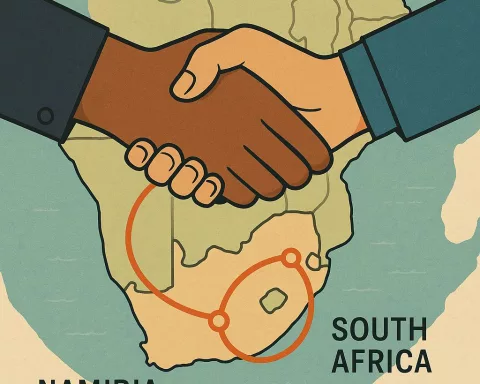
Influencers in South Africa sometimes promote overseas jobs that look exciting but can hide serious dangers like human trafficking and forced labor. Young people, especially women, might be tricked by these false promises because they trust their favorite online stars. Behind the bright posts and videos, some offers lead to abuse and loss of freedom. It’s very important to check carefully and ask for help before chasing these opportunities. This story warns us all to be careful and question what we see online.
What are the dangers of influencer-promoted overseas job opportunities in South Africa?
Influencer-promoted overseas job offers can mask exploitation risks such as human trafficking, forced labor, and abuse. Young South Africans, especially women, should verify legitimacy, beware of coercion, and seek help before accepting international work invitations promoted on social media.
The Rise of Digital Promises
In the 21st century, social media platforms have evolved into powerful tools – shaping not only trends and tastes but also the dreams of entire generations. Instagram, TikTok, and YouTube stars now command attention on a level unseen in generations past, influencing everything from fashion choices to career decisions. In South Africa, where economic challenges and youth unemployment loom large, these digital celebrities often carry the hopes of thousands who look to them for inspiration, guidance, and a sense of belonging.
Amid this climate, influencers wield tremendous authority, especially among young people who perceive them as accessible role models. These individuals build communities that stretch across continents, bridging gaps with a mix of relatability and aspiration. Their reach and relevance mean that even a short video or single post can have a transformative impact – sometimes for better, sometimes for worse.
The story of Cyan Boujee, a well-known South African influencer and DJ, serves as a cautionary tale about the power and peril of this new digital ecosystem. In August 2025, Boujee – whose real name is Honour Zuma – shared a video with her large Instagram following, promoting what she described as lucrative job opportunities for young women in Russia. She presented the so-called “Russia girls program” as an exciting avenue for those seeking work abroad, speaking directly to the ambitions and anxieties of her audience. The video caught fire almost immediately, arousing both excitement and skepticism across South African social media circles.
Beneath the Surface: The Mirage of Overseas Opportunities
For South Africa’s young and restless, the promise of international employment represents a beacon of hope. Battling persistent unemployment and a sluggish economy, many young women see jobs abroad as a chance to build a better life for themselves and their families. When a trusted public figure like Boujee endorses such opportunities, the temptation to believe can become overpowering – especially when the offer appears simple and glamorous.
Yet, not all that glitters is gold. As Boujee’s video began to circulate, unease grew among viewers and commentators alike. The “Russia girls program” soon became the subject of heated debate, with many questioning its legitimacy and warning of hidden dangers. International work programs, though often advertised as pathways to prosperity, can serve as fronts for exploitation and abuse. Behind the promise of easy money and adventure, countless young people have found themselves trapped in cycles of coercion, isolation, and even violence.
The growing controversy did not go unnoticed by authorities. Clayton Monyela, spokesperson for South Africa’s Department of International Relations and Cooperation (DIRCO), took to social media to sound the alarm. He cautioned the public about the risks associated with overseas job offers, especially those targeting young women. Monyela highlighted a sobering reality: international trafficking syndicates routinely use attractive job advertisements to lure victims into situations of forced labor, servitude, and other forms of exploitation. He urged anyone approached with such offers to double-check their legitimacy and seek help before making life-altering decisions.
Exploitation in the Age of Social Media
Human trafficking is not a new phenomenon, but the tactics used by traffickers have evolved alongside technology. In the 19th and 20th centuries, predators relied on personal connections or dubious advertisements in newspapers to recruit victims. Today, traffickers exploit the intimacy and immediacy of social media to expand their reach and mask their intentions. Influencers, trusted by their followers, can inadvertently become vectors for these dangerous schemes when they promote opportunities without proper vetting.
South Africa faces a growing crisis: reports of young women disappearing after accepting work contracts abroad have risen steadily. A pattern has emerged – one in which victims recount how they were approached online by “agents” promising jobs in modeling, hospitality, or entertainment. Upon arrival in foreign countries, their documents are seized, their freedom curtailed, and they are forced into exploitative labor or worse. These harrowing stories rarely make headlines but remain painfully common, underscoring the need for vigilance and public education.
Boujee’s situation exemplifies the risks that come with unchecked influence. After her video began sparking alarm, she swiftly deleted the post. However, in the digital age, nothing disappears entirely; screenshots and reposts continued to circulate, keeping the controversy alive. While some speculated that Boujee herself may have fallen victim to misinformation, others questioned her responsibility to her audience. The episode reignited debate about the ethical duties of influencers and the broader impact of their endorsements in shaping young people’s choices.
Navigating Trust and Responsibility in Digital Communities
The Cyan Boujee incident is only the latest in a series of high-profile missteps by social media personalities. The line between paid promotion, personal recommendation, and genuine advocacy often blurs, leaving followers exposed to manipulative marketing and, at times, outright fraud. Studies in media psychology reveal that many young people form “parasocial” bonds with influencers, seeing them not just as celebrities but as friends or mentors. This dynamic makes followers particularly susceptible to persuasion, especially when opportunities seem to align with their aspirations.
Against this backdrop, government agencies and NGOs have intensified their efforts to combat trafficking and raise public awareness. Organizations like the National Freedom Network and A21 partner with influencers willing to educate their followers about the warning signs of exploitation. Their campaigns leverage the very platforms traffickers use, fighting fire with fire in the hope of reaching potential victims before it’s too late.
However, the burden does not rest solely on advocates or authorities. Influencers themselves must accept responsibility for the content they share and the trust they command. Many now call for stricter guidelines, transparency about sponsored posts, and a commitment to due diligence before promoting opportunities to their audiences. Greater digital literacy – empowering users to question, verify, and protect themselves – remains an urgent priority in an era where the boundaries between truth and deception grow ever more porous.
Lessons from the Past, Hopes for the Future
The intersection of influence, opportunity, and risk has deep roots in history. From Victorian-era cautionary tales about predatory employment agents to 20th-century warnings against the “society of the spectacle,” societies have long grappled with the power of images and promises to shape public behavior. What sets today’s challenges apart is the speed and scale at which misinformation spreads – and the sheer reach of digital personalities whose words can change lives in an instant.
Boujee’s silence following the deletion of her video has left many questions unanswered. Some view her quiet as evidence of remorse, while others interpret it as an attempt to ride out the storm. Regardless of her intentions, the story stands as a stark warning for influencers and followers alike: in a world where opportunity and exploitation often wear the same mask, skepticism and vigilance become acts of self-preservation.
As the dust settles, South Africa – and the global online community – faces critical choices. Will celebrities and influencers accept the mantle of responsibility that comes with their reach? Will followers learn to navigate both the promise and peril of opportunity in the digital age? The answers will shape not only the future of influencer culture but also the lives and fortunes of the young people who look, every day, for hope in the light of their screens.
FAQ: Shadows Behind the Spotlight – Influencer Job Promises and Hidden Dangers
1. What are the main risks associated with overseas job opportunities promoted by influencers in South Africa?
Influencer-promoted overseas jobs can conceal serious dangers such as human trafficking, forced labor, and abuse. Young people – especially women – may be misled by glamorous promises and end up in exploitative situations where their freedom and safety are compromised. It is crucial to verify the legitimacy of any job offer and seek help before accepting such opportunities.
2. Why are young South Africans particularly vulnerable to these influencer-promoted overseas job scams?
High youth unemployment and economic hardship in South Africa create strong incentives for young people to seek work abroad. Influencers, seen as trusted role models, can make such offers appear credible and appealing. The emotional bond followers develop with influencers (known as parasocial relationships) increases their susceptibility to persuasion, making them more likely to overlook warning signs.
3. How do traffickers use social media and influencers to exploit young people?
Traffickers exploit the immediacy and wide reach of social media to advertise fake job offers, often using influencers – wittingly or unwittingly – to legitimize their schemes. They promise jobs in modeling, hospitality, or entertainment abroad but then trap victims by confiscating documents and forcing them into exploitative labor or servitude once they arrive in foreign countries.
4. What steps can young people take to protect themselves from falling victim to these scams?
- Verify legitimacy: Contact official government agencies like South Africa’s Department of International Relations and Cooperation (DIRCO) to confirm job offers.
- Seek advice: Talk to trusted adults, NGOs, or organizations such as the National Freedom Network or A21.
- Research thoroughly: Check online for reviews or warnings about the program or agency.
- Be skeptical of “too good to be true” offers: Genuine overseas jobs usually involve formal contracts, transparent processes, and clear conditions.
- Avoid rushing decisions: Take time to evaluate offers and never share personal documents or money upfront without proper verification.
5. What responsibility do influencers have when promoting job opportunities or other offers online?
Influencers hold significant power over their followers and must act responsibly by thoroughly vetting any opportunities before promotion. Transparency about sponsorships, clear disclaimers, and prioritizing followers’ safety over profit are essential ethical duties. Many advocates call for stricter guidelines and digital literacy to help influencers and audiences alike navigate this landscape safely.
6. How are South African authorities and organizations addressing the problem of trafficking linked to social media?
Government bodies such as DIRCO actively warn the public against suspicious overseas job offers and work with law enforcement to combat trafficking syndicates. NGOs like the National Freedom Network and A21 run awareness campaigns, often partnering with influencers to educate young people on how to recognize and avoid exploitative schemes. These efforts aim to empower vulnerable populations and reduce the number of trafficking victims.
If you or someone you know is approached with suspicious overseas job offers, always reach out to official channels or helplines for guidance and support before taking any steps. Staying informed and cautious can save lives.