Cape Town is fighting a tough battle against gang violence, but its Anti-Gang Unit is running out of the tools they need like vehicles, guns, and protective gear. Without enough resources and the legal power to fully investigate crimes, catching and convicting criminals is very hard. The city is trying new ideas, using technology and training officers better, while asking for more authority to gather evidence and make stronger cases. Despite the challenges, Cape Town’s leaders and communities are determined to bring safety back to their streets and give hope to a brighter future.
Why is Cape Town’s Anti-Gang Unit struggling to combat gang violence effectively?
Cape Town’s Anti-Gang Unit struggles due to severe shortages of vehicles, firearms, and protective gear, limiting patrol and response capabilities. Additionally, limited investigative powers hinder evidence gathering, resulting in low conviction rates and weakening the city’s fight against gang-driven crime.
A City Besieged by Crime and Strained Resources
Cape Town, renowned for its breathtaking vistas and the looming majesty of Table Mountain, finds itself locked in a relentless battle against organized crime. Many communities live in the daily shadow of gang violence – a relentless force shaping the routines and fears of countless families. Sirens and hurried footsteps have become a grim soundtrack to life in neighborhoods where gang territories define the boundaries of safety.
Recent weeks have seen this crisis spill from the streets into the corridors of power. City council discussions and police briefings have reverberated with the urgency felt by those living closest to the violence. Residents and officials alike grapple with the mounting toll of shootings, intimidation, and the palpable sense of insecurity that pervades affected communities.
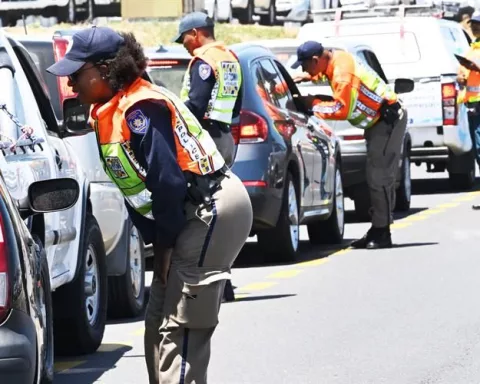
Mayor Geordin Hill-Lewis, determined to confront these realities, has issued a stark warning to the country. His concern centers on the South African Police Service (SAPS) Anti-Gang Unit – a force created specifically to confront the tide of gang-driven crime devastating Cape Town’s most vulnerable areas. But the unit, designed as the city’s first line of defense, now faces a crisis of its own: a severe shortfall in basic resources. Officers lack enough vehicles, firearms, and even bulletproof vests, exposing them to grave danger and constraining their ability to respond effectively.
The Deadly Consequences of Insufficient Support
At a recent press conference, Mayor Hill-Lewis exposed the harsh limitations facing the Anti-Gang Unit. He revealed that the unit currently operates with only five working vehicles – a number woefully inadequate for the sprawling territories they must patrol. The situation grows even more dire when officers submit their firearms for forensic analysis, as the absence of spare weapons leaves them defenseless during investigations. The mayor’s urgent call for intervention from the Acting Police Minister underlines the gravity of the situation: without immediate action, Cape Town’s ability to fight back against organized crime risks total collapse.
The struggles facing the Anti-Gang Unit evoke a long tradition of law enforcement stretched to breaking point. In literature and film, lone officers often contend with criminal empires while lacking the tools and support they desperately need. For Cape Town, however, the crisis is bitterly real, its impact measured not in dramatic scripts but in mounting statistics and personal tragedies experienced daily.
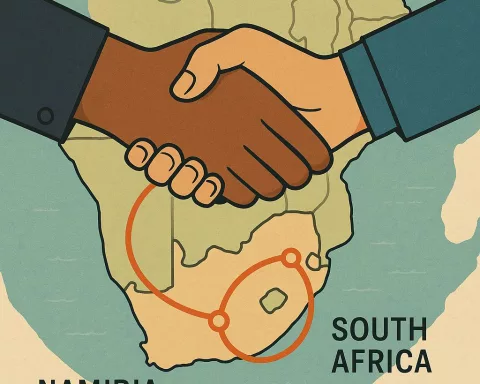
Mayor Hill-Lewis refuses to allow the narrative to become one of defeat. He insists that Cape Town needs both urgent relief for its embattled officers and fundamental changes to the policing system. This includes fully integrating the city’s own police resources with SAPS when tackling gang, gun, and drug offenses. Encouraged by hints of reform from Acting National Police Minister Prof Firoz Cachalia, the city has formally requested expanded investigative powers for its municipal police. Currently limited to search and arrest, city officers cannot gather evidence or work cases through to prosecution – a gap that criminals exploit to evade justice.
The Case for Greater Policing Authority
The debate over policing powers is not unique to Cape Town. Cities around the world have long grappled with the tension between local control and central oversight. In 19th-century London, for instance, the creation of the Metropolitan Police sparked fierce opposition from those fearing the loss of community autonomy. Cape Town now finds itself in a similar position, as its leaders advocate for changes that would allow local police to truly protect their communities.
Mayor Hill-Lewis and his team believe that empowering municipal police with investigative authority is critical to breaking the grip of gangs on Cape Town’s neighborhoods. City law enforcement already confiscates around 400 illegal weapons from the streets each year, yet only about five percent of those cases result in convictions. This dismal rate highlights systemic weaknesses: officers lack the authority to collect evidence, interview witnesses, or compile strong legal cases, making it nearly impossible to hold criminals accountable.
First-hand accounts from officers underscore the urgency of reform. Officers often reach crime scenes moments after violence erupts, with crucial evidence scattered and witnesses traumatized. Without the legal mandate to preserve scenes or formally record statements, vital evidence slips away, and cases fall apart before reaching a courtroom. Alderman JP Smith, responsible for the city’s safety and security portfolio, emphasizes that – despite limited resources – Cape Town’s officers have repeatedly demonstrated their dedication and effectiveness. Granting them investigative powers, Smith argues, would enable them to secure more convictions and offer real relief to embattled neighborhoods.
To this end, the city’s proposal to national authorities outlines several key reforms: city police should gain the right to conduct forensic and ballistic investigations, take formal statements, open criminal dockets, and access national crime databases. Real-time intelligence and seamless collaboration with SAPS would transform Cape Town’s law enforcement efforts from reactive to proactive, building a system that actually delivers justice.
Innovation and Preparation: Cape Town’s Grassroots Response
While negotiations with national government continue, Cape Town’s leaders waste no time in advancing local solutions. They have launched specialized training programs to equip municipal officers with crucial investigative skills, such as building cases and taking statements – skills that will become essential if national authorities grant expanded powers. This investment in training reflects a deep-seated belief in the transformative impact of preparation and professionalism.
Technology forms a central pillar of the city’s modern policing strategy. Cape Town has rolled out an impressive array of digital tools, including drones, dashcams, gunshot detection systems, and an extensive CCTV network. Automated number-plate recognition systems and body-worn cameras further bolster transparency and efficiency. At the heart of this digital ecosystem is EPIC, a comprehensive information-sharing platform that coordinates responses across agencies and ensures that intelligence reaches those who need it most.
Human capital remains just as critical. Through the Law Enforcement Advancement Plan (LEAP), the city has deployed over 1,200 officers to patrol high-risk areas in partnership with the Western Cape Government. Recruitment efforts continue; Cape Town has added more than 1,100 new officers since 2021, with plans to hire another 700. These officers not only support crime-fighting efforts but also protect public services, ensuring that basic needs – like water, electricity, and sanitation – reach communities often disrupted by violence.
The Broader Battle: Social Roots and the Pursuit of Hope
Cape Town’s fight against gang crime cannot rely solely on law enforcement. The city’s context – shaped by decades of inequality, the lingering scars of apartheid, and persistent poverty – creates a fertile ground for criminal organizations. Gangs often fill the void left by weak state institutions, offering young people a sense of structure, belonging, or even opportunity. Breaking this cycle demands more than arrests; it requires investment in youth, economic opportunity, and community-building.
Art and activism in Cape Town’s townships serve as powerful reminders of this broader struggle. Vivid murals and street art, rich in color and symbolism, capture both the pain and the resilience of communities living with daily violence. These artistic expressions assert that the fight for safety and justice is not just a matter of policing, but of reclaiming identity, pride, and hope for a better future.
The city’s leaders, officers, and residents share a collective determination to restore dignity and safety to Cape Town’s streets. The resource crisis facing the Anti-Gang Unit is more than an operational challenge – it is a test of the city’s imagination, willpower, and capacity for innovation. With every new patrol, every seized firearm, and every officer trained, Cape Town pushes forward in its effort to reclaim its neighborhoods from violence and fear.
Looking Ahead: A City’s Resolve
Cape Town stands at a pivotal moment, its response to gang violence closely watched both nationally and internationally. The city’s experiment in empowerment – combining practical reforms, cutting-edge technology, and a deep investment in people – offers a model for urban centers facing similar challenges. Yet the stakes remain high, with the eyes of history fixed on whether Cape Town can transform crisis into opportunity.
Success will demand more than better equipment and new laws. It will require rebuilding trust, nurturing the aspirations of young people, and ensuring that every resident feels both protected and valued. As Cape Town’s struggle continues, its story serves as both a cautionary tale and a beacon of hope for cities confronting the complex realities of modern urban crime. In the coming months and years, the city’s resilience, creativity, and sense of purpose will determine whether it can finally break the cycle of violence and reclaim its future.
FAQ: Cape Town’s Anti-Gang Unit and the Fight Against Gang Violence
1. Why is Cape Town’s Anti-Gang Unit struggling to effectively combat gang violence?
Cape Town’s Anti-Gang Unit faces critical shortages of essential resources such as vehicles, firearms, and protective gear. With only five operational vehicles for extensive patrol areas and limited spare firearms, officers are often left vulnerable and unable to respond quickly. Additionally, the unit lacks sufficient legal authority to fully investigate crimes, gather evidence, and build strong cases, resulting in low conviction rates and enabling criminals to evade justice.
2. What legal powers is the Anti-Gang Unit currently lacking, and why are they important?
Currently, Cape Town’s municipal police officers have restricted powers mainly limited to searching and arresting suspects. They cannot gather formal evidence, take witness statements, open criminal dockets, or access national crime databases independently. These limitations hinder the ability to build strong, prosecutable cases, which means many crimes – even when weapons are confiscated – do not lead to convictions, significantly weakening law enforcement’s impact on gang-related crime.
3. What steps is Cape Town taking to improve the Anti-Gang Unit’s effectiveness?
Cape Town is pursuing a multi-pronged approach that includes:
- Requesting expanded investigative powers from the national government to enable local officers to conduct forensic work and manage cases.
- Investing in specialized training programs to equip officers with investigative skills.
- Deploying new technology such as drones, gunshot detection systems, CCTV networks, body cameras, and automated number-plate recognition.
- Enhancing inter-agency collaboration through digital platforms like EPIC to improve intelligence sharing.
- Increasing recruitment, adding over 1,100 new officers since 2021 with plans for more hires.
4. How does gang violence in Cape Town affect local communities beyond crime statistics?
Gang violence deeply impacts daily life, creating an atmosphere of fear and insecurity in many neighborhoods. It disrupts public services such as water, electricity, and sanitation, and perpetuates social inequality. Gangs often exploit vulnerable youth by offering a sense of belonging or economic opportunity in the absence of strong state support. This environment feeds a cycle of violence and poverty, making law enforcement efforts only one part of the solution.
5. What role does community engagement and social development play in addressing gang violence?
Addressing gang violence requires more than policing; it demands investment in youth programs, economic opportunities, and community-building initiatives. Art, activism, and cultural expressions in affected neighborhoods help reclaim identity and hope, providing alternative narratives to violence. Cape Town’s leaders recognize that restoring safety involves rebuilding trust and nurturing aspirations to break the cycle of crime.
6. What is the outlook for Cape Town’s fight against gang violence, and what challenges remain?
Cape Town stands at a critical juncture. While innovative technologies, training, and advocacy for greater police powers offer hope, resource shortages and systemic challenges persist. The city’s success depends on sustained support from national authorities, expanding legal powers for municipal police, and ongoing community collaboration. Ultimately, the fight requires balancing immediate crime-fighting with long-term social transformation to create safer, more resilient neighborhoods.