South Africa is setting an exciting new path to transform its tourism by making travel easier, safer, and more diverse. The new Tourism Execution Lab brings together leaders to create fresh ideas and strong partnerships, aiming to boost jobs and share real, local stories beyond famous spots like Table Mountain. With a focus on technology, safety, and celebrating hidden gems like townships and wellness retreats, South Africa wants every visitor to experience its true spirit. This bold plan hopes to grow the industry while lifting up communities and inspiring hope for the future.
What is South Africa’s new approach to transforming its tourism industry?
South Africa’s tourism transformation focuses on five pillars: simplifying access, enhancing safety, diversifying products, improving marketing, and creating jobs. The Tourism Execution Lab drives innovation and partnerships to boost inclusivity, economic growth, and authentic travel experiences across the country.
A Gathering of Visionaries: Inaugurating the Tourism Execution Lab
Beneath the glittering lights of Emperor’s Palace, an unusual energy pulses through the halls. Instead of the usual sights and sounds of leisure, the venue hums with purposeful conversation as South Africa’s key tourism figures convene for a groundbreaking event. Today marks the launch of the Tourism Execution Lab, a pivotal moment signaling a new era for South Africa’s approach to tourism growth and development.
Patricia de Lille, the nation’s Minister of Tourism, steps forward to launch the proceedings. Her presence commands respect, but also radiates a warmth that helps unite the diverse group in attendance. In her opening address, she makes it clear: the moment goes beyond celebration – it is a call to action. The nation stands ready to embrace transformation, with tourism as a vehicle for both economic renewal and social progress.
The stakes run deep. Tourism operates as a powerful economic lever in South Africa, stitching together communities and landscapes into a vibrant national tapestry. Beyond generating revenue, the sector supports families, sustains small ventures, and cultivates national pride. De Lille acknowledges the sector’s achievements, but she is equally candid about the hurdles that remain. The nation’s collective determination, she argues, will be the driving force behind overcoming them.
Forging Partnerships and Embracing Change
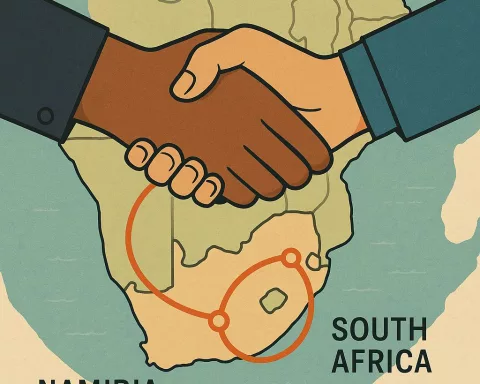
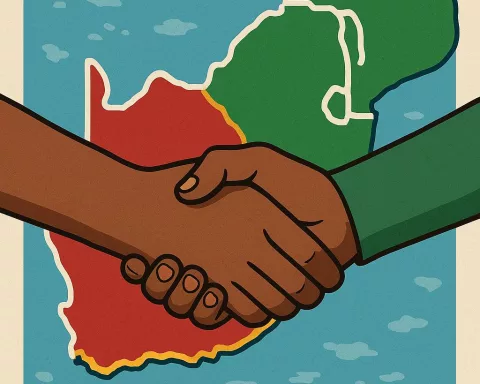
The new Tourism Growth Partnership Plan stands as a testament to collaboration. Minister de Lille spotlights the robust cooperation among government, business, and community leaders – an alliance reminiscent of the most influential creative collectives in history. But instead of creating art, these stakeholders work together to reimagine South African tourism, aiming for a future defined by opportunity, inclusivity, and resilience.
Crucial to this effort is the Tourism Business Council of South Africa, which has established a dedicated Project Management Office to guide the plan’s implementation. The choice of Emperor’s Palace as the event venue feels symbolic: it’s a place where ambition meets opportunity, and calculated risks yield meaningful rewards.
The Execution Lab departs from traditional bureaucratic processes, favoring action and innovation over inertia. Minister de Lille’s message is clear: repeating old patterns will not generate new results. This philosophy underscores the Lab’s mission – to challenge conventions, embrace fresh strategies, and deliver measurable progress.
Strategic Pillars: Access, Innovation, and Diversification
The Tourism Growth Partnership Plan centers on five critical objectives: simplifying access, synchronizing destination marketing, strengthening tourist safety, expanding tourism products, and generating jobs. Each pillar addresses present needs while keeping an eye on future aspirations.
Access takes the lead. South Africa’s geographic and historical complexities often make travel challenging for both visitors and locals. De Lille announces the imminent launch of an Electronic Travel Authorization system – a partnership with the Department of Home Affairs – to streamline travel formalities. This technological leap mirrors global trends, making it easier for tourists to visit and experience all that South Africa offers.
Improving access also involves modernizing infrastructure and regulations. New air routes are in development, and a revamp of the tour operator licensing system – undertaken with the Department of Transport – signals a commitment to customer service and regulatory efficiency. These changes aim to solidify South Africa’s standing in the fiercely competitive global tourism marketplace, ensuring both international and domestic travelers can explore the nation with ease.
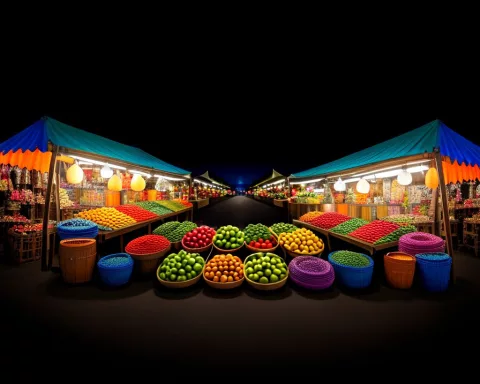
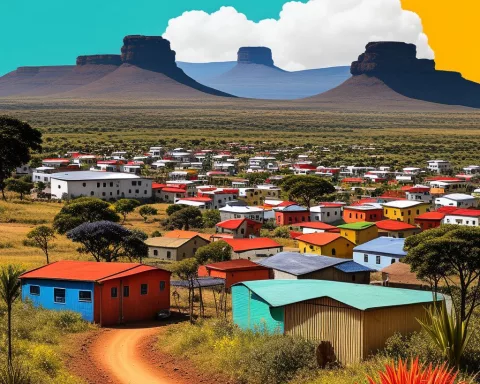
Yet, De Lille urges the industry to look beyond iconic attractions. While Table Mountain, Kruger National Park, and sun-drenched beaches attract many, the Minister highlights the potential of lesser-known experiences. Wellness retreats, cultural and heritage trails, township adventures, and the charm of small towns all represent untapped opportunities. By celebrating local cultures and authentic encounters, South Africa can offer visitors a distinctive and memorable journey.
Tourism as a Catalyst for Inclusive Prosperity
The economic footprint of tourism already impresses – it provides employment for 1.6 million South Africans and plays a vital role in the national economy. But the ambitions reach higher. By 2030, the government aims to draw 15 million arrivals annually. For De Lille and her team, this figure is more than a target; it represents a commitment to community upliftment and entrepreneurial growth, particularly for younger generations. The Department of Tourism’s Annual Performance Plan now embeds these priorities, ensuring progress stays aligned with national development goals.
Inclusivity sits at the core of this strategy. De Lille envisions tourism as a force that rekindles hope and empowers individuals, especially youth. Rather than focusing solely on drawing more visitors to famous sites, the plan seeks to integrate tourism into the broader fabric of daily life across the country. Small businesses, from rural guesthouses to unique township tours, stand to benefit as tourism weaves itself into the aspirations of ordinary South Africans.
Safety and security remain critical to sustaining growth and confidence in the sector. No traveler, domestic or international, wants their experience marred by danger. South Africa’s approach includes visible policing in popular areas, investment in surveillance technology, and the promotion of community-led safety initiatives. These measures demonstrate a larger commitment to building a capable, ethical society – where the welfare of residents and guests takes center stage.
Marketing, Employment, and the Spirit of Renewal
Effective destination marketing forms the next cornerstone. South Africa competes for attention alongside world-famous destinations, from Asian temples to Scandinavian fjords. To rise above the noise, the country must tell its story with authenticity and creativity. Modern marketing campaigns, fueled by social media and cultural insight, can showcase the nation’s diversity, ingenuity, and resilience.
At the heart of the plan lies job creation. Tourism, by nature, generates employment – often entry-level roles that serve as pathways to greater opportunity. The sector’s focus now shifts toward expanding training, apprenticeships, and partnerships with educational institutions, all designed to equip the next generation with the skills needed for a dynamic and rewarding tourism career.
As sunlight streams through the venue, hope and ambition are palpable among the assembled stakeholders. Collaboration, debate, and planning fill the agenda, but a unifying optimism prevails. In their eyes, the promise of a revitalized, inclusive tourism industry takes shape.
Minister de Lille’s vision emerges from the currents of South African history and creativity. The country’s traditions of artistic innovation, from resistance art to contemporary music and fashion, have always thrived on collaboration and adaptation. The Tourism Execution Lab embodies this same ethos – drawing strength from shared purpose and collective wisdom.
Throughout the event, real stories bring the vision to life. A young Soweto entrepreneur tells of how her township tours reveal hidden wonders – a jazz club, a street artist, a thriving community garden – to international guests. A Garden Route hotelier shares how inspiration struck from a chance meeting with a traveler, leading to a new eco-tourism venture. These experiences underscore the reality that every commitment made today can spark growth, connection, and transformation.
At its best, tourism bridges divides, turning strangers into friends and visitors into champions of South Africa’s story. In the meeting rooms and corridors of Emperor’s Palace, new partnerships begin to take root – partnerships that may shape the nation’s destiny for years to come. The Tourism Execution Lab is more than an event; it stands as a crucible for ideas, collaboration, and the forging of a brighter future.
What is the Tourism Execution Lab and why was it created?
The Tourism Execution Lab is a new initiative launched by South Africa’s Ministry of Tourism to drive innovation and partnerships aimed at transforming the tourism sector. It brings together government leaders, business stakeholders, and community representatives to generate fresh ideas and implement effective strategies. The Lab seeks to move beyond traditional approaches by focusing on action, collaboration, and measurable progress to boost economic growth, job creation, and authentic travel experiences throughout South Africa.
How does South Africa plan to make travel easier and safer for tourists?
South Africa is introducing several measures to simplify and secure travel. Notably, the country will soon launch an Electronic Travel Authorization (ETA) system in partnership with the Department of Home Affairs to streamline visa and entry procedures. Additionally, infrastructure improvements such as new air routes and updated tour operator licensing will enhance accessibility and service quality. On safety, visible policing, investment in surveillance technologies, and community-led initiatives aim to ensure both domestic and international visitors feel secure during their stay.
What are the key pillars of South Africa’s Tourism Growth Partnership Plan?
The plan centers on five strategic pillars:
- Simplifying access – making travel formalities and infrastructure user-friendly
- Synchronizing destination marketing – telling South Africa’s story with authentic, creative campaigns
- Strengthening tourist safety – enhancing security measures and community involvement
- Expanding tourism products – promoting lesser-known experiences like township tours, wellness retreats, and cultural trails
- Generating jobs – increasing employment opportunities through training and partnerships with educational institutions
These pillars aim to foster inclusivity, diversify offerings, and enhance the overall visitor experience.
How will this new tourism strategy benefit local communities and small businesses?
The strategy emphasizes inclusive growth by integrating tourism into everyday local life. By promoting underrepresented destinations such as townships, small towns, and cultural heritage sites, the plan creates opportunities for small businesses like guesthouses, tour operators, and artisans. This approach helps uplift communities economically and socially, especially by engaging youth and entrepreneurs in rural and historically marginalized areas. It encourages authentic storytelling and sustainable ventures, ensuring tourism benefits extend beyond major hotspots to the broader population.
What role does marketing play in South Africa’s tourism transformation?
Marketing is crucial to distinguishing South Africa in the competitive global tourism landscape. The country is investing in modern, culturally insightful marketing campaigns that leverage social media and digital platforms to showcase its diversity, resilience, and unique attractions. These campaigns aim to reach a wider audience with authentic narratives that go beyond iconic landmarks, highlighting hidden gems and local experiences. Effective marketing supports visitor growth, enhances the country’s brand, and encourages repeat visits.
What are South Africa’s tourism goals for the future?
By 2030, South Africa aims to attract 15 million visitors annually, a target that reflects ambitions for economic renewal, job creation, and social inclusion. The government’s vision positions tourism as a catalyst for national development – empowering individuals, especially youth, and fostering hope through opportunity. The focus remains on sustainable growth, community empowerment, enhanced safety, and delivering diverse, authentic experiences that reveal South Africa’s true spirit beyond its famous landmarks.