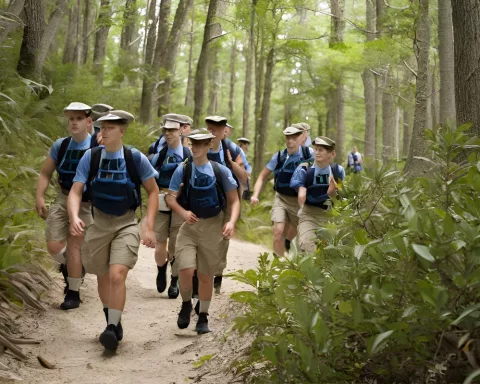
Sport at Reddam House Constantia is more than just games – it teaches students discipline, teamwork, and strength. Through playing, young people learn important life skills like leadership and resilience that help them succeed in school and in life. The school’s leader, Alex Gitlin, shows how sport and education go hand in hand, inspiring students to grow into confident, caring leaders. Together, sport and study create a strong community where everyone can shine.
How does sport shape education and leadership at Reddam House Constantia?
Sport at Reddam House Constantia fosters discipline, teamwork, and resilience, enhancing both academic performance and personal growth. It builds character, sharpens critical thinking, and nurtures leadership skills, creating well-rounded students prepared for success on and off the field.
Echoes of Dawn: The Culture of Perseverance in Cape Town
In the gentle hush of Cape Town’s mornings, the sound of hockey sticks meeting turf and sneakers gliding over dew-laden grass signals more than the beginning of a match; it marks the heartbeat of a community devoted to excellence and growth. For those who gather in these early hours, sport represents a living tradition – one that unites generations through shared values and ambition. The field becomes an arena where individuals test themselves, not just against opponents, but against their own limits and aspirations.
August brought a moment of celebration to this tradition when Alex Gitlin, the Executive Head of Reddam House Constantia, returned from the Western Cape Masters inter-provincial hockey tournament triumphant. Not only did he earn a gold medal, but he also brought home a lesson in camaraderie and achievement that reverberates through the halls of the school he leads. For Gitlin, this accomplishment reaches far beyond personal glory; it stands as a testament to perseverance, adaptability, and the enduring power of teamwork.
The significance of this victory extends well beyond the final whistle. Gitlin’s journey through the tournament, especially the unexpectedly tough final match, transformed each challenge into a lesson that he later shared with his community. Success on the field mirrored the resilience and cooperation he values in education, reinforcing the age-old principle that a healthy mind thrives in a healthy body. In this way, the field and the classroom become intertwined, each nourishing the other.
Balancing Leadership and Athleticism: Lessons Beyond the Game
Alex Gitlin’s dual identity as both educator and athlete enriches his approach to leadership. His role on the Western Cape masters team highlighted not only his skill as a player but also his capacity to inspire those around him. With five consecutive wins leading up to a hard-won final, his team embodied the spirit of persistence and collective effort – qualities that any school or organization would strive to cultivate.
Gitlin often reflects on the importance of sport as a sanctuary – a place distinct from the everyday responsibilities of school administration. The hockey pitch offers him a space for renewal, where physical challenge sharpens mental focus and self-discipline. For Gitlin, these moments on the field foster the clarity and resilience he brings to his professional life. He describes this time as crucial for maintaining both fitness and presence, drawing a parallel to the creative sanctuaries of artists and innovators throughout history.
Such experiences shape more than just physical wellbeing; they become the foundation for personal growth. Whether navigating a tense match or leading a school through change, Gitlin finds that the discipline and adaptability required on the field translate directly to effective decision-making and visionary leadership. These lessons, learned through action rather than theory, permeate his educational philosophy and daily practice.
From Cambridge to Cape Town: Building a Philosophy of Leadership
Alex Gitlin’s journey from his formative years in the United Kingdom to his current role in South Africa reflects a thoughtful blend of tradition and innovation. His time at the Universities of Nottingham and Cambridge immersed him in environments that celebrated both intellectual pursuit and athletic achievement. These experiences left a lasting mark on his philosophy, encouraging a holistic approach to leadership that values collaboration and clear purpose.
Before joining Reddam House Constantia, Gitlin held senior positions at schools in Johannesburg and White River, continually refining his vision for education. His background in rugby, hockey, and athletics informed a leadership style rooted in teamwork and shared responsibility. He believes that, much like a successful hockey team, effective leadership depends on clarity, defined roles, and a unifying vision. As he sees it, each member of a team – on the field or in the school – must understand their part in achieving a collective goal.
This approach came to life in 2020 when Gitlin introduced a five-year development plan for Reddam House Constantia’s boys’ first hockey team. His ambitions went beyond mere victories; he sought to reignite a culture that prized character, respect, and community engagement. The plan, guided by the principle of “Passion + Plan + Time,” aimed to return the team to the premier league, foster respect within the broader community, and most importantly, nurture the character of young athletes. By the 2025 season, a cohort of eleven Matrics – who had played together since Grade 8 – brought this vision to fruition. Their journey stood as proof of the benefits of continuity, commitment, and shared experience.
Sport as a Crucible for Character and Academic Excellence
The transformation of individuals through sport stands at the core of Gitlin’s educational mission. He finds the greatest satisfaction not just in the wins and trophies but in watching students mature into leaders capable of guiding their communities. Gitlin states, “I have the privilege of leading a group of young men that I look forward to being led by as they assume their own future leadership roles.” This perspective echoes educational traditions that prioritize experiential learning and the development of the whole person.
Reddam House Constantia now boasts premier league teams across all major sports, a reflection of Gitlin’s belief that achievement in athletics enriches academic and cultural life. The school’s outstanding performance in the 2024 IEB exams, highlighted by a 96% bachelor pass rate and honors in mathematics, illustrates the broader benefits of this integrated approach. Gitlin’s philosophy insists there is room for excellence in every domain – be it academic, athletic, or artistic – a sentiment rooted in Enlightenment ideals of developing well-rounded individuals.
Research and experience both confirm Gitlin’s conviction that sport forms a vital pillar in education. He emphasizes its contributions to physical health, emotional wellbeing, academic performance, and social development. He often points to how sports sharpen spatial awareness and critical thinking, skills closely linked to success in the classroom and beyond. Studies support the notion that the discipline and decision-making required in athletics nurture creative, adaptable minds capable of navigating complex challenges.
Shaping the Future: Lessons in Leadership and Community
Alex Gitlin’s proudest moments occur not in the immediate aftermath of a victory but in witnessing athletes evolve into thoughtful, responsible citizens. He regards these transformations as the true measure of success, recalling the role of sport in building societies – from post-war reconstruction in Europe to contemporary efforts at unity in South Africa. On the field, young people learn to respect difference, adapt to change, and lead by example.
This ethos resonates throughout the broader school community. Ravi Nadasen, CEO of Inspired Education Group Africa & the Middle East, recognizes Gitlin’s impact and commitment, describing him as the embodiment of Inspired leadership – someone who leads from the front, remains actively involved with students, and strives for excellence personally and professionally. Gitlin’s example demonstrates how the fusion of sport and education can foster discipline, teamwork, and lasting character.
Looking to the seasons ahead, Gitlin sets his sights on expanding participation, maintaining high standards, and cultivating lasting habits of wellness, friendship, and character. He encourages students and colleagues alike to play an active role: “Get involved, stay involved, and help build something of value.” For Gitlin, the fabric of the school – and the people within it – takes shape through daily acts of commitment and passion.
The story of Alex Gitlin and Reddam House Constantia serves as a powerful illustration of how athletic and academic pursuits, when nurtured in harmony, build stronger individuals and communities. Through dedication, vision, and an unwavering belief in the value of holistic education, they continue to set the standard for excellence in Cape Town and beyond, weaving new stories into the city’s evolving narrative of achievement.
FAQ: Sport and Education at Reddam House Constantia
What role does sport play in the education of students at Reddam House Constantia?
Sport at Reddam House Constantia is an integral part of education, teaching students discipline, teamwork, leadership, and resilience. These qualities not only help students excel athletically but also enhance their academic performance and personal development. The school believes that sport cultivates character and critical thinking, preparing students to become confident, caring leaders both on and off the field.
How does Alex Gitlin’s experience as an athlete influence his leadership at Reddam House Constantia?
Alex Gitlin’s dual role as an educator and athlete deeply informs his leadership philosophy. His success and participation in competitive hockey demonstrate perseverance, teamwork, and adaptability – traits he encourages in his students. Gitlin views sport as a sanctuary that renews focus and builds mental resilience, qualities he applies to his approach in school administration and educational leadership.
What is the significance of the five-year hockey development plan introduced by Alex Gitlin?
The five-year development plan for the boys’ first hockey team was designed to rebuild a culture of character, respect, and community engagement alongside athletic success. Beyond aiming for premier league victories, the plan emphasized continuity, commitment, and nurturing young athletes’ personal growth. By 2025, a dedicated group of students who started together in Grade 8 achieved this vision, demonstrating the power of long-term planning and teamwork.
How does sport contribute to academic success at Reddam House Constantia?
Sport supports academic excellence by promoting physical health, emotional wellbeing, and social development – all factors positively linked to better academic outcomes. Participation in sport enhances spatial awareness, critical thinking, and decision-making skills, which translate into improved classroom performance. The school’s impressive 96% bachelor pass rate and honors in mathematics in the 2024 IEB exams reflect the benefits of this holistic educational approach.
In what ways does Reddam House Constantia foster community through sport?
Sport at Reddam House Constantia acts as a unifying force, building a strong community where students, staff, and families come together with shared values and ambitions. It teaches respect for diversity, cooperation, and leadership by example. Under Gitlin’s leadership, the school actively promotes participation and engagement, encouraging everyone to contribute to a culture of wellness, friendship, and collective achievement.
How does the philosophy of sport and education at Reddam House Constantia prepare students for the future?
The school’s philosophy emphasizes the development of well-rounded individuals equipped with leadership skills, resilience, and social responsibility. By integrating sport with academic and artistic pursuits, Reddam House Constantia nurtures adaptable, creative minds capable of navigating complex challenges. Students learn to lead with clarity and purpose, inspired by a tradition that values passion, planning, and persistence as keys to long-term success.