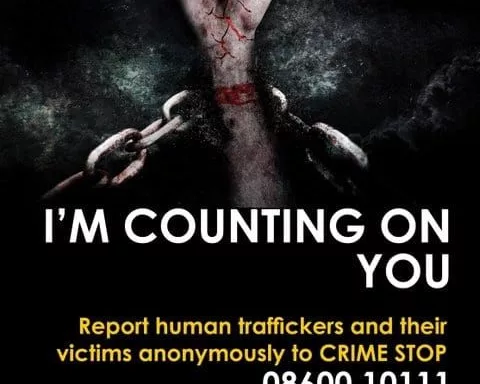
South African women are being tricked by fake job offers on social media that promise work overseas but lead to dangerous, unwanted labor – often in drone factories instead of the promised fields. Recruiters use trusted local figures and clever online tricks to make these offers seem real, trapping women far from home and family. The government and community groups are fighting back with education, verification tools, and stronger laws to protect women from this digital form of trafficking. Together, they hope to turn the tide against exploitation and build safer paths to real opportunities.
How are South African women exploited through deceptive overseas recruitment in the digital age?
South African women face exploitation through fake overseas job offers promoted on social media. Recruiters use trust and digital platforms to lure them into hazardous labor abroad, often in drone factories, not promised sectors. Awareness, verification, and government action are vital to combat this digital trafficking.
The Rise of Digital Deception
A troubling trend has quietly taken root in South Africa over recent months, echoing the darker moments of exploitation from the last century. Authorities have launched an investigation into the activities of Russian firms that appear to be targeting young South African women with promises of employment abroad. Unlike the trafficking networks of old, these operations thrive in a digital ecosystem, exploiting the reach and anonymity of social media.
Platforms such as Instagram and Facebook, once celebrated as tools for empowerment and global connection, have been transformed into hunting grounds for those seeking to exploit economic vulnerability. Ads touting jobs in sectors like construction and hospitality attract individuals searching for a better future. Yet, the reality for many who respond is starkly different: instead of finding legitimate work, some end up in drone-manufacturing plants, far removed from the roles they expected and the lives they hoped to build.
This approach is not unique to South Africa, as similar tactics have surfaced elsewhere. However, the local context here is especially nuanced. The country’s high unemployment and widespread poverty render many young women susceptible to the lure of overseas work. Recruiters, often attuned to the specific hardships faced in these communities, leverage hope and desperation with chilling effectiveness.
Manipulation through Trust: The Human Machinery of Trafficking
Behind these schemes, technology is only part of the equation. Emma van der Bult, who leads the Brave to Love Foundation, has emerged as a powerful advocate in the fight against trafficking. She points out that successful traffickers understand the vital role of trust. Rather than operating exclusively from the shadows, they enlist respected community members or popular social media figures to introduce and normalize foreign job opportunities.
Van der Bult detailed to Newsroom Afrika how traffickers use familiar faces to allay suspicion. When a job offer comes through a person already trusted – perhaps a local influencer or even a distant family acquaintance – potential victims are less likely to question its legitimacy. This subtle, psychological manipulation often proves more effective than overt coercion. By the time recruits recognize the deception, they may already be isolated in foreign countries, cut off from support and surrounded by unfamiliarity.
The deception does not end at recruitment. Upon arrival in other countries, many women discover that the promised roles do not exist. Instead, they are forced into labor in environments that are often hazardous and dehumanizing. Personal accounts from survivors depict scenes of isolation: unfamiliar languages spoken all around, personal documents confiscated, and all contact with family abruptly severed. Dreams of providing for loved ones or building a better future collapse, leaving only the bitter taste of betrayal.
Responding to Crisis: Government and Civil Society Step In
South Africa’s government has recognized the severity of the crisis. The Department of Employment and the Department of International Relations and Cooperation now collaborate with law enforcement to track the origins of suspicious job advertisements and to verify their authenticity. Yet, they face a formidable opponent in the borderless landscape of the internet, where disinformation spreads rapidly and jurisdictional boundaries offer scant protection.
The challenge does not fall solely to government agencies. Grassroots organizations and advocacy groups have intensified their efforts, pushing for stricter regulation of recruitment agencies and calling on influencers to carefully verify the legitimacy of overseas job offers before promoting them. The Brave to Love Foundation recommends multiple safeguards: verify employment offers through embassies, consult official hotlines, and seek guidance from reputable organizations before accepting international work.
Community responses have grown more robust as awareness spreads. Across South Africa, parents, peers, and local leaders now organize workshops and social campaigns to alert others to the dangers of fraudulent recruitment. These efforts recall the activism of the anti-apartheid era, where information and solidarity provided protection against larger structural threats. Today, education and vigilance serve as the primary defenses against modern forms of exploitation.
Global Perspectives: Learning from History and Looking Forward
Although this method of recruitment is distinctly modern, the reality of exploitation remains sadly familiar. Throughout history, vulnerable populations have been drawn by tales of prosperity, only to find themselves exploited in industrial or urban settings far from home. Art and literature from the industrial period – such as the works of Käthe Kollwitz and George Bellows – bear witness to the pain and loss experienced by those who chased opportunity but found only hardship.
The evolution of trafficking tactics in the digital era adds layers of complexity. Traffickers now wield psychological manipulation as skillfully as they once used physical force. They adapt narratives, exploit the architecture of social media, and hide behind a veneer of legitimacy made possible by technology. The sophistication of these operations means that victims often do not realize the full extent of the danger until it is too late.
International organizations have not remained silent. Human rights advocates urge the adoption of stricter oversight of recruitment agencies and point to successful models in countries like Sweden, where strong labor laws and comprehensive regulatory frameworks make it harder for exploitative practices to flourish. Yet, as global inequality and migration pressures persist, the problem continues to evolve.
Community Resilience and the Path Forward
Personal stories illuminate the ongoing toll. Some young women, enticed by visions of adventure and financial independence, left home with the intention of supporting their families through remittances. Instead, they found themselves trapped in repetitive and unsafe jobs, often in the assembly lines of drone factories rather than the hospitality sector. The psychological scars – deepened by cultural alienation, fear, and dashed hopes – can persist for years, affecting not just the victims but their entire communities.
However, hope remains in the collective response. Digital literacy campaigns, supported by organizations like Brave to Love, now teach communities how to identify deceptive job offers. WhatsApp groups and other social media platforms, once used for casual conversation, have become channels for spreading vital information about recruitment scams and trafficking risks. Hotlines and verification services give potential migrants a lifeline, helping them make informed decisions before embarking on overseas journeys.
South Africa’s government, advocacy networks, and local communities have all signaled a renewed commitment to safeguarding vulnerable citizens. These efforts, while substantial, must remain adaptive in the face of ever-changing tactics. The true test will come in the ongoing resilience of communities and the vigilance of individuals determined to protect each other from the hidden dangers woven into dreams of opportunity.
The fight against human trafficking, fueled by digital deception, demands a multifaceted response. Legal reforms and official investigations form only part of the solution. Real progress depends on community solidarity, digital awareness, and the determination to reclaim agency and dignity from the forces of exploitation. As South Africa navigates the shifting tides of global labor migration, it draws on a rich history of activism and collective strength.
Art, literature, and the lived experiences of survivors remind us that the struggle against trafficking remains both timeless and urgently contemporary. With vigilance, education, and unwavering support for those at risk, South Africa can build a future where opportunity is no longer accompanied by hidden peril, and where the legacy of exploitation is finally consigned to history.
FAQ: Shadows in the Digital Age – Exploitation of South African Women through Deceptive Overseas Recruitment
1. How are South African women being exploited through deceptive overseas recruitment?
South African women are targeted with fake job offers on social media promising overseas work in fields like hospitality or agriculture. However, once recruited, many end up forced into hazardous labor – often in drone factories – far from the jobs they were promised. These schemes use social media platforms and trusted community figures to manipulate and trap vulnerable women, isolating them from family and support networks.
2. What tactics do traffickers use to gain the trust of their victims?
Traffickers often employ psychological manipulation by involving trusted community members, local influencers, or distant acquaintances to endorse fake job offers. This social validation lowers suspicion, making women more likely to accept offers without adequate verification. The use of familiar faces combined with professional-looking online ads creates a convincing illusion of legitimacy.
3. What role does social media play in facilitating these trafficking schemes?
Social media platforms like Instagram, Facebook, and WhatsApp have become primary tools for traffickers to advertise fake overseas jobs. These platforms’ global reach and anonymity allow traffickers to rapidly spread deceptive offers and connect with potential victims. Social media also serves as a channel for sharing information and warnings, making digital literacy crucial in combating these scams.
4. How is the South African government responding to this crisis?
The South African government, through departments such as Employment and International Relations, collaborates with law enforcement to monitor and verify suspicious job advertisements, track recruitment agencies, and enforce stricter regulations. They work alongside civil society groups to raise awareness, provide verification tools, and strengthen laws aimed at protecting women from digital trafficking.
5. What actions can individuals and communities take to protect themselves and others?
Communities are encouraged to participate in educational campaigns and workshops that promote digital literacy and awareness of trafficking risks. Potential migrants should verify job offers via official government resources or embassies, consult reputable organizations like the Brave to Love Foundation, and avoid responding to unsolicited or suspicious recruitment ads. Sharing warnings through trusted WhatsApp groups and social networks can also help prevent others from falling victim.
6. How does this modern form of exploitation compare to historical trafficking and labor abuses?
While the tools have evolved – with traffickers now exploiting social media and psychological tactics – the core issue of deception and forced labor remains similar to past exploitation during industrialization and colonial eras. Like previous generations, victims are lured by promises of prosperity but end up in dangerous, exploitative conditions. Understanding this historical context highlights the ongoing need for vigilance, education, and systemic reform to combat trafficking today.
For more information or support, contact the Brave to Love Foundation or consult official South African government resources on safe overseas employment.