Electricity has brought a bright new life to the Greenfields informal settlement. Where once only flickering candles lit the night, now safe, steady lights fill homes, helping children study and families live with less fear. This change has made daily life easier and safer, opening doors to hope and growth. Greenfields is now a shining example of how power can spark not just light, but dignity and dreams for a better future.
What impact has electrification had on the Greenfields informal settlement?
Electrification in Greenfields has transformed 58 households by providing safe, reliable power, enhancing safety, improving education, and reducing financial burdens. It enables better daily living with appliances, supports community growth, and fosters hope and inclusion in this previously underserved informal settlement.
A New Dawn in Greenfields
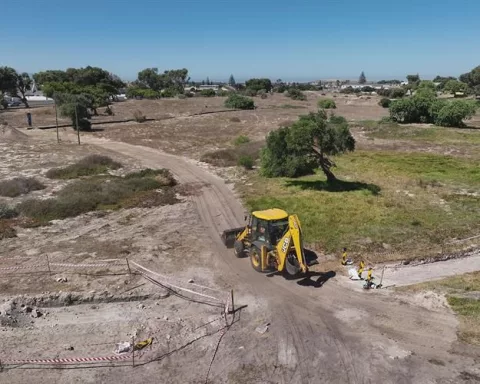
Before the first rays of sun reach Greenfields, a subtle glow now signals a profound change in this Helderberg community. For years, residents of this informal settlement lived with nightfall arriving swiftly and absolutely, their homes illuminated only by the unsteady glow of candles or the risky, flickering flames of paraffin lamps. In July 2025, however, Greenfields experienced a turning point. The City finished an ambitious electrification project, investing over R912,000 to provide 58 households with safe, reliable power. This achievement, while summarized neatly in numbers, represents a much deeper transformation for a community long shaped by adversity, ingenuity, and an enduring sense of hope.
To truly grasp what this milestone means, it helps to remember where Greenfields began. In the absence of formal electricity, evenings became exercises in caution rather than comfort. Children’s ambitions – like reading after dark – faced hard limits, while parents navigated nightly routines with the constant fear of fire. Tragedy struck not long ago when a blaze tore through part of the settlement, leaving behind both wounds and a strengthened resolve among the residents. The arrival of electricity, then, is more than a technical upgrade. It marks the beginning of a new era, one marked by both safety and opportunity.
The story of Greenfields stands as a microcosm of urban transformation in post-apartheid South Africa. The project overcame not just technical complications, but also unpredictable weather and logistical hurdles. The collective efforts of municipal workers, contractors, and community leaders echo the communal spirit found in the world’s greatest public works. Their achievement brings more than just infrastructure – it delivers a renewed sense of possibility to a neighborhood long defined by hardship.
The Power of Light in Daily Life
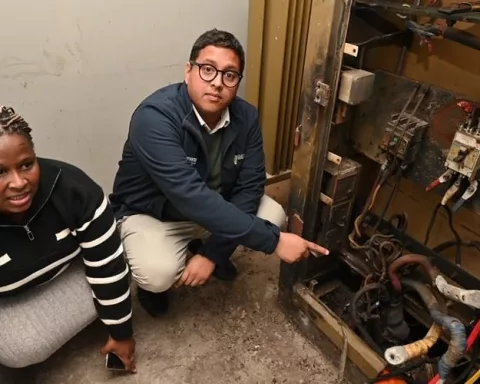
Walking through Greenfields today, visitors sense an unmistakable shift in the community’s spirit. Electric light spills from windows, softening the darkness that once dictated the rhythms of life. The hum of appliances fills the air – refrigerators running, kettles boiling, and radios playing. These sounds, once absent, now signal comfort, safety, and progress. For families, the ability to flip a switch and banish the dark brings a sense of peace that cannot be overstated. Makeshift, dangerous wiring – a fixture in informal settlements – gives way to safe, permanent solutions.
Electricity not only brightens homes, but also eases financial burdens. Greenfields residents now enjoy the City’s subsidised lifeline tariff, which provides up to 60 units of free electricity with each prepaid purchase. This policy, rooted in a global push for energy justice, makes a tangible difference for people living on the edge of poverty. Miriam, a local mother, describes how her children now do their homework under steady, bright light, no longer forced to race the sunset. Her relief and gratitude mirror the experiences of countless others, all discovering that energy access can deliver far more than mere convenience – it can provide dignity, stability, and peace of mind.
Access to electricity also transforms education for both children and adults. In the past, evening study sessions required creative workarounds or simply didn’t happen at all. Now, students settle in for focused study hours, making the most of the light that so many take for granted. This change echoes historic shifts – like the electrification of rural America in the 1930s – when public investment in infrastructure fundamentally altered the future for millions. Today, Greenfields’ learners join generations of students whose academic journeys depend on something as simple as a well-lit room.
Everyday Transformations and Community Growth
On a practical level, the introduction of electricity reinvents daily routines. Refrigerators, once a luxury out of reach, now allow families to store food safely, reducing waste and anxiety. Appliances like televisions and radios connect households to news, entertainment, and the wider world, weaving Greenfields more closely into the city’s social and cultural life. The presence of these devices – often dismissed as small comforts – signals a broader shift in quality of life and opportunity.
Art and memory intertwine in the evolution of Greenfields. Just as Diego Rivera’s murals or South African photo essays capture the tension between tradition and progress, the arrival of electricity in Greenfields carries deep symbolism. Elders recall earlier milestones, such as the first communal taps or roads, each innovation layering new aspirations on top of old memories. Electricity, however, holds a special place – it is both a tool for inclusion and a public acknowledgment of the community’s worth.
City officials emphasize the importance of responsible funding. Laws like the Municipal Finance Management Act prevent them from using public resources to upgrade private properties. Instead, the City targets informal settlements located on municipal land, working in tandem with Eskom when needed. In areas where electrification becomes feasible, the majority of households now access this essential service. These steady, incremental advances represent a commitment to progress, even as urban challenges continue to evolve.
Looking Ahead: Sustaining Progress and Fostering Inclusion
Despite these successes, the journey is far from over. Rapid urbanization ensures that the demand for basic services keeps growing, and the line between formal and informal housing remains blurred. The City continues to explore ways to extend services to backyard dwellers and others living on municipal land, balancing policy with the pressing needs of its most vulnerable residents. The Greenfields initiative serves as both a victory and a reminder of work yet to come – raising questions about how to sustain, replicate, and expand such achievements.
A sense of optimism now permeates the streets of Greenfields, where children play in pools of light and elders gather in homes warmed by electric heaters. The energy of the community recalls the early days of Modernist optimism, when faith in technology’s power to uplift was at its zenith. Each newly lit window stands as an assertion that even the city’s most neglected corners deserve investment and care.
The impact of electrification ripples outward. Local businesses, from hairdressers to small shops, thrive with a reliable power supply. Generators – once a noisy, expensive necessity – grow scarce. Street lighting fosters a new sense of safety, encouraging community gatherings and evening walks. Greenfields, once seen as a site of deprivation, now offers a model of how infrastructure can translate into genuine social and economic dividends.
Globally, Greenfields reflects a broader movement toward universal energy access, central to the United Nations Sustainable Development Goals. South African cities, challenged by inequality and migration, serve as laboratories for these ideals. In Greenfields, abstract policy becomes reality in the form of a child’s uninterrupted study session, a family discarding hazardous stoves, or an elder’s pride as his street comes alive with light.
The Greenfields electrification project, already inspiring neighboring communities, highlights the value of adaptability, collaboration, and listening to local voices. Leaders from surrounding areas visit to observe, learn, and dream about similar transformations for their own neighborhoods. The momentum grows, powered by the conviction that dignity begins with access to basic services and that every resident deserves recognition and respect.
As dusk settles over Greenfields, the lines between memory and aspiration blur. Children who once knew only darkness now grow up expecting light, security, and opportunity. The arrival of electricity – an unremarkable event in some suburbs – becomes a defining moment here. It brings not just power, but a sense of belonging and hope; not just illumination, but a vision of a brighter, more inclusive future.
What was the scope of the electrification project in Greenfields?
The electrification project in Greenfields, completed in July 2025, provided safe and reliable electricity to 58 households within the informal settlement. The City invested over R912,000 to install permanent electrical infrastructure, replacing dangerous makeshift wiring and hazardous light sources such as candles and paraffin lamps. This initiative marked a significant milestone in improving living conditions and safety for residents.
How has access to electricity impacted safety in the community?
Before electrification, Greenfields residents faced constant fire risks due to open flames from candles and paraffin lamps. In fact, a recent fire devastated part of the settlement, highlighting the dangers of inadequate lighting. The introduction of electricity has dramatically reduced these hazards by enabling safe, steady lighting and eliminating the need for risky open flames. Additionally, street lighting has enhanced safety in public spaces, encouraging community interaction during evening hours.
In what ways has electrification improved education for Greenfields residents?
Electricity has transformed educational opportunities by allowing children and adults to study after dark under consistent, bright light. This has removed limitations imposed by sunset and unsafe lighting alternatives, enabling longer and more effective study hours. Reliable power also supports the use of electronic devices such as radios and computers, further enriching learning experiences and connecting residents with educational content.
What financial benefits does the electrification project provide to local households?
Greenfields residents benefit from the City’s subsidised lifeline tariff, which grants up to 60 units of free electricity with each prepaid purchase. This policy helps ease the financial burden on families living near or below the poverty line. By reducing reliance on expensive and unsafe energy alternatives like paraffin and generators, electricity access supports household budgets and promotes economic stability.
How does electricity contribute to community growth and local economy in Greenfields?
Access to electricity has enabled local businesses such as hairdressers and small shops to operate more efficiently and reliably. With less dependence on noisy and costly generators, small enterprises can thrive, contributing to economic activity and job creation. Improved lighting and appliance use enhance quality of life, fostering a stronger sense of pride and inclusion that fuels broader community development.
What challenges remain in expanding electrification to informal settlements like Greenfields?
While the Greenfields project is a success, rapid urbanization and the blurred boundaries between formal and informal housing continue to present challenges. Many backyard dwellers and residents on municipal land still lack access to electricity. The City must balance regulatory frameworks, such as the Municipal Finance Management Act, with the urgent needs of vulnerable populations. Ongoing efforts focus on sustainable expansion, stakeholder collaboration, and adapting solutions to diverse community contexts.