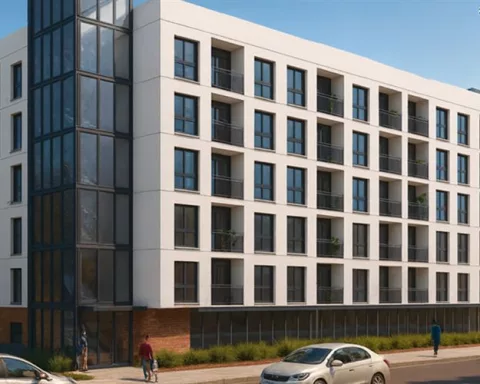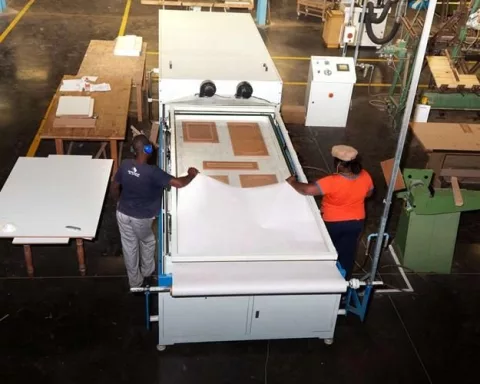
Cape Town’s Urban Development Zone (UDZ) is a clever tax program that encourages people and companies to fix up old buildings and build new ones in certain parts of the city. By offering big tax breaks, it attracts private investors who bring new jobs, homes, and businesses, making neighborhoods lively and safe again. Walking downtown, you can see shiny new buildings standing proudly beside beautifully restored old ones, all thanks to this smart partnership between the city and developers. The UDZ has helped Cape Town grow stronger, turning quiet, run-down streets into buzzing centers full of life and opportunity.
What is Cape Town’s UDZ and how does it incentivize urban renewal?
Cape Town’s Urban Development Zone (UDZ) is a tax incentive program that encourages private investment in urban renewal projects. It offers significant tax deductions for new construction, refurbishments, and affordable housing in designated zones, boosting economic growth, job creation, and community revitalization.
A City in Flux: Where Old Meets New
Strolling through downtown Cape Town, the contrasts between eras stand in sharp relief. Gleaming modern developments emerge alongside lovingly restored Art Deco buildings, their facades shining after years of neglect. Streets once marked by silent, shuttered shops now buzz with sidewalk cafes and a steady flow of pedestrians. This rejuvenation is not simply the result of economic cycles or chance. Instead, it is the outcome of deliberate planning and policy, particularly the Urban Development Zone (UDZ) tax incentive – a dynamic mechanism that has reshaped the city’s core.
Cape Town’s revival story mirrors challenges faced by many global cities grappling with inner-city decline. Like Detroit or Manchester, Cape Town dealt with the profound impacts of economic shifts and urban decay. Left unaddressed, these issues threaten to erode community ties and choke off economic growth. For decades, city leaders and urbanists debated the best responses to such decline, weighing the merits of public intervention against the potential of market forces.
In response, Cape Town’s authorities set out to reimagine their approach. Rather than relying solely on municipal budgets or large government-led projects, they introduced the UDZ policy – inviting private investors to take a leading role in urban renewal, sweetened by substantial tax deductions. This partnership between public policy and private initiative now underpins much of the visible change in the city’s landscape.
The Mechanics and Reach of the UDZ
Launched in 2003, the UDZ incentive arose from a need for pragmatic solutions with far-sighted benefits. The policy targets the revitalization of central neighborhoods that suffered from decades of disinvestment. Its primary goal remains straightforward: spur private investment into these urban pockets, sparking new construction, major refurbishments, and adaptive re-use of existing structures.
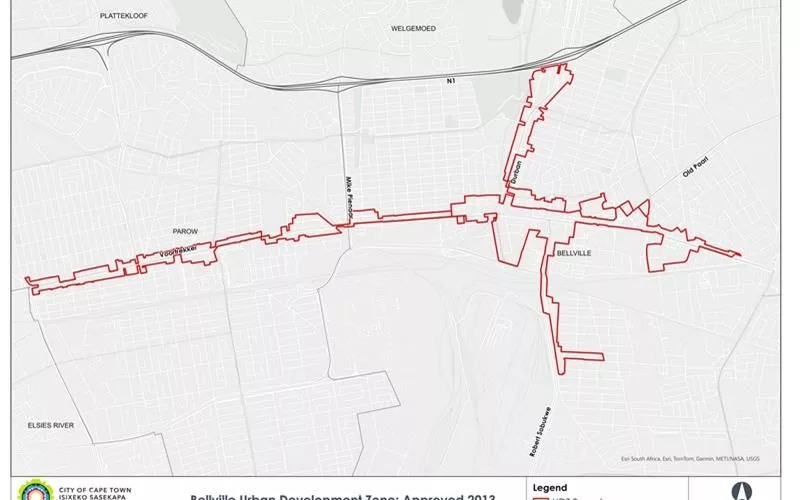
The South African Revenue Service (SARS) and the National Treasury jointly oversee the UDZ scheme, ensuring both clarity and accountability in its administration. Businesses and developers who commit to projects within designated zones can claim significant tax deductions. These zones stretch beyond just the downtown core, encompassing areas such as Maitland, Parow, and Bellville, as well as key corridors like Voortrekker and Klipfontein roads. Both commercial and mixed-use developments qualify, provided the project boasts a floor area greater than 1,000 square meters – an intentional threshold designed to prioritize impactful, large-scale redevelopments.
Eligible investments span a wide spectrum. Developers can construct new buildings, undertake major extensions, or rehabilitate neglected structures. Projects dedicated to affordable housing also receive support. Even buyers of qualifying properties from developers can access the incentive, broadening its appeal and effectiveness. By placing private capital at the center of these efforts, the city leverages the resources and innovation of the market to tackle long-standing urban challenges.
The policy’s design reflects a belief in simplicity and clear incentive structures. Instead of complex subsidies or burdensome regulation, the UDZ offers a direct financial benefit for those willing to take on the risks of urban redevelopment – a strategy that has proven to attract a broad range of participants, from large corporations to smaller, more nimble development teams.
Delivering Tangible Results
While many public policies promise renewal, the UDZ delivers measurable results. Since 2006, the City of Cape Town has processed over 2,050 UDZ applications. The total value of qualifying projects has approached R6.7 billion, with substantial investments in new construction (over R747 million), property acquisitions (surpassing R2.8 billion), and refurbishments (nearly R2.3 billion). Additional funds have flowed into improvements and extensions, further amplifying the scheme’s economic impact.
Each successful application signals more than just numbers on a spreadsheet. Every new project brings jobs for local workers, opportunities for skills development, and a renewed sense of community pride. Revitalized areas have seen marked improvements in safety, business activity, and residential vibrancy. As shops reopen and public spaces become safer and more inviting, the once-muted energy of central Cape Town pulses back to life.
This success has not gone unnoticed among city officials. Leaders like Deputy Mayor Eddie Andrews and Alderman James Vos champion the UDZ as a key pillar of Cape Town’s broader development strategy. They regularly highlight how the incentive transforms empty or underused buildings into mixed-use hubs, affordable housing, and thriving business centers. Their advocacy reflects the city’s wider faith in collaboration between municipal planners and private investors to realize shared goals.
Cape Town in the Global Urban Story
The city’s approach to urban renewal does not exist in a vacuum. Cape Town’s UDZ fits into a long international tradition of using targeted incentives to drive urban transformation. In Paris, Baron Haussmann’s famous 19th-century overhaul relied on both state-led vision and private developers to recast the city’s physical and social landscape. New York introduced tax abatements in the 20th century to encourage the restoration of neglected brownstones, while Berlin’s post-reunification resurgence leaned heavily on incentives for developers willing to breathe life into its battered urban core.
Cape Town’s model, however, stands apart for its blend of fiscal caution and social consciousness. City leaders strive to ensure the UDZ supports broad-based community upliftment rather than mere gentrification. Their vision aims for inclusivity – enabling diverse populations to live, work, and thrive within revitalized neighborhoods. This philosophy resonates with modern urban theory, particularly the “Right to the City” concept proposed by thinkers like Henri Lefebvre, which insists that urban spaces must serve the collective needs of their inhabitants, not just the interests of capital.
The city’s commitment extends beyond tax incentives. Initiatives such as the “Ease of Doing Business Programme” complement the UDZ, addressing other key factors like infrastructure improvement, public safety, and streamlined regulatory processes. Cape Town’s recent launch of 76 Economic Area Profiles exemplifies its data-driven approach, mapping both opportunities and obstacles in targeted zones to better inform planning and intervention.
Stories of Real Impact and Ongoing Challenges
Behind the statistics lie personal stories that illuminate the UDZ’s true value. A young architect shared how she and her team transformed a derelict warehouse near Parow station into a vibrant tech startup hub. The UDZ’s financial benefits convinced investors that the venture was viable, reducing perceived risk and unlocking capital. Small-scale developers echo this experience, recounting how the incentive opened doors that previously remained firmly shut.
Property managers describe the ripple effects of renewal. One firm in Bellville used the UDZ to renovate a neglected block of flats, converting it into affordable housing. Almost overnight, the area saw tangible change: shops reopened, streets became safer, and locals found jobs closer to home. These stories demonstrate how targeted incentives, when properly administered, can shift the trajectory of entire neighborhoods.
The city remains attentive to feedback. Annual reviews, conducted by the Urban Planning and Design Department, gather input from developers and investors. While many praise the ease of the application process and the clarity of criteria, some raise concerns about transparency and the risk of speculative activity. Officials respond by proposing adjustments, refining guidelines, and, occasionally, expanding the zones to maximize positive outcomes.
Stakeholder engagement sits at the heart of this adaptive approach. Each year, the city submits detailed reports to SARS and the National Treasury, ensuring ongoing oversight. By inviting a broad range of voices – from corporate developers to small entrepreneurial teams – Cape Town works to keep the UDZ both relevant and responsive in a rapidly changing urban environment.
The Living City: Renewal as a Collective Endeavor
To wander through Cape Town’s reinvigorated neighborhoods is to witness a city in constant conversation with its past and future. Evening crowds gather in upgraded public squares, children play outside newly restored apartment blocks, and businesses flourish where only stagnation once ruled. Urban policy, in these moments, becomes something more than abstract economics; it becomes the scaffolding for daily life and shared memory.
This process evokes a long-standing urban metaphor: the city as a living canvas, endlessly rewritten by its residents. The UDZ exemplifies this idea, weaving together architectural heritage, economic dynamism, and human ambition into a cohesive fabric. Far more than a technical tax provision, the UDZ serves as an open invitation – for citizens, investors, and the government alike – to co-author the next chapter of Cape Town’s story.
From the bustling energy of the central business district to the leafy, residential lanes of Athlone and the thriving streets of Bellville, the UDZ brings together hope, resilience, and creativity. It stands as a testament to what is possible when vision aligns with practical tools and when the public and private sectors unite in the mission of urban renewal. As Cape Town continues to evolve, the lessons of its UDZ experience will likely inspire other cities searching for effective strategies to transform neglected spaces into engines of inclusive growth and vibrant community life.
What is Cape Town’s Urban Development Zone (UDZ)?
Cape Town’s UDZ is a tax incentive program designed to encourage private investment in the renewal and development of designated urban areas. It offers significant tax deductions for new construction, refurbishments, and affordable housing projects within specific zones. The goal is to stimulate economic growth, create jobs, and revitalize neglected neighborhoods by making urban redevelopment financially attractive to investors and developers.
Which areas in Cape Town qualify as Urban Development Zones?
The UDZ covers a range of areas beyond just the downtown core, including neighborhoods such as Maitland, Parow, Bellville, and key corridors like Voortrekker and Klipfontein roads. These zones were chosen because they historically suffered from disinvestment and are now targeted for revitalization through redevelopment and refurbishment projects.
What types of projects are eligible for the UDZ tax incentives?
Eligible projects include new construction, major extensions, and substantial refurbishments of existing buildings. Both commercial and mixed-use developments qualify, as long as the floor area exceeds 1,000 square meters – a threshold designed to encourage impactful, large-scale projects. Additionally, developments focused on affordable housing also qualify, supporting social inclusivity alongside economic growth.
How does the UDZ benefit developers and investors?
Developers and investors who undertake qualifying projects within designated UDZ areas can claim significant tax deductions on the cost of their developments. This reduces the financial risk associated with urban redevelopment and makes investing in previously neglected areas more attractive. The scheme also extends benefits to buyers of qualifying properties, broadening its appeal and helping to activate private capital toward urban renewal.
What impact has the UDZ had on Cape Town since its launch?
Since 2006, over 2,050 UDZ applications have been processed, with qualifying projects valued at nearly R6.7 billion. These investments have resulted in new jobs, more affordable housing, improved safety, and increased business activity in revitalized areas. The program has transformed quiet, run-down streets into vibrant hubs of living, working, and commerce, contributing substantially to Cape Town’s broader urban revival.
How does Cape Town ensure the UDZ supports inclusive and sustainable urban growth?
Cape Town combines the UDZ with complementary initiatives like the Ease of Doing Business Programme and detailed Economic Area Profiles to address infrastructure, safety, and regulatory challenges holistically. The city maintains ongoing stakeholder engagement and oversight through annual reviews and reports to ensure transparency, responsiveness, and to minimize risks such as speculative development. The overarching aim is to foster inclusive neighborhoods where diverse communities can live, work, and thrive, aligning with global urban theories about equitable city development.