Cape Town’s marine outfalls are special pipes that safely release treated wastewater into the ocean at Camps Bay, Green Point, and Hout Bay. The city carefully monitors and upgrades these systems to protect both people and marine life. In August 2025, experts and officials met by the Atlantic shore to discuss new challenges, like invisible chemical pollutants that are hard to remove. Cape Town is planning smart improvements to keep the ocean clean and support its growing city. This teamwork and innovation show how the city balances nature and progress for a healthy coastal future.
What are Cape Town’s marine outfalls and how are they managed?
Cape Town’s marine outfalls are wastewater discharge systems located at Camps Bay, Green Point, and Hout Bay. They ensure treated effluent meets strict environmental standards through regular monitoring, technical upgrades, and emergency responses, balancing urban needs with marine ecosystem protection.
Gathering at the Edge: An August Forum on the Atlantic
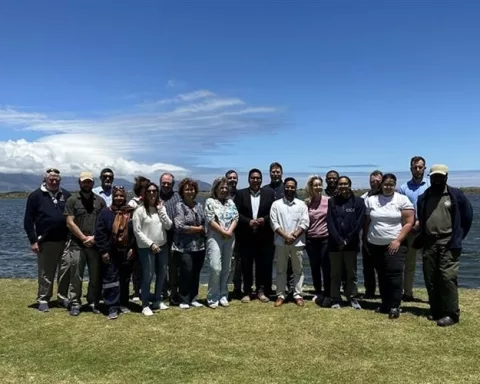
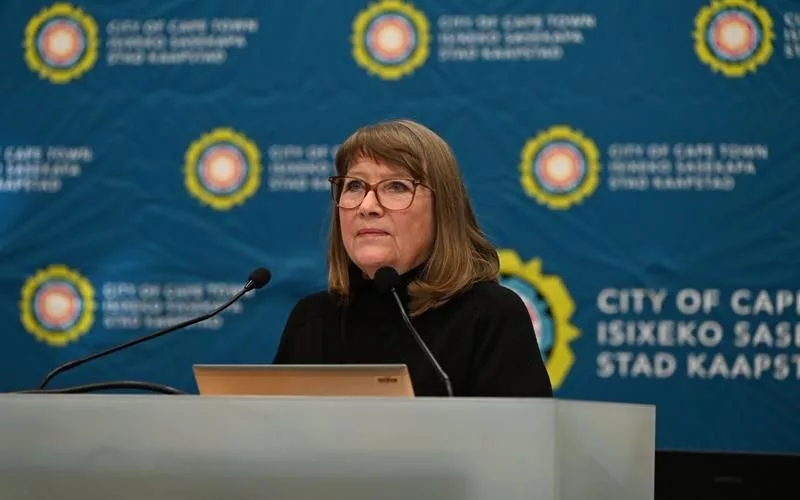
As dawn broke over the Atlantic coastline in August 2025, the City of Cape Town brought together a diverse group for its Permit Advisory Forum (PAF). Amid the early mist and the relentless rhythm of waves, local officials, technical experts, environmental advocates, and scientific researchers gathered to confront the city’s growing interaction with its dynamic shoreline. This assembly, convened at a moment when Cape Town’s coastal identity feels both celebrated and threatened, underscored a critical truth: the city’s well-being hinges on how it manages the borderland where urban infrastructure meets the unpredictable ocean.
The day’s agenda focused sharply on the marine outfalls at Camps Bay, Green Point, and Hout Bay. These are no ordinary landmarks. They mark where wastewater infrastructure, shaped by centuries of public health ambition and technological progress, meets the wildness of the sea. The city’s relationship with its marine environment, always complex, now faces fresh scrutiny as new environmental and engineering challenges arise.
Participants at the forum reflected a broad coalition: city planners, municipal engineers, environmental scientists, and local stakeholders. Their shared mission was clear – assess the performance of the outfalls, examine risks, and chart a path forward that safeguards both residents and ecosystems. As presentations unfurled, the gathering became a microcosm of Cape Town’s balancing act: protecting public health, supporting urban life, and honoring the natural forces that have shaped the city for centuries.
Engineering Excellence: Operations and Achievements
Marine outfalls in Cape Town embody more than just pipes and pumps; they are a testament to the city’s ability to harmonize utility with stewardship. Drawing on a lineage that includes the sanitation revolutions of industrial London and the aqueducts of ancient cities, these systems strive to meet human needs while respecting environmental limits. Their ongoing operation reflects Cape Town’s aspiration to blend modern engineering with sustainable practices.
Between April and June 2025, the city implemented its quarterly monitoring program, measuring the effectiveness of its wastewater discharge systems. Results spoke to both diligence and success. Camps Bay recorded a remarkable 99.3% compliance rate with discharge permits set by the Department of Forestry, Fisheries and the Environment. Green Point followed with 95.8%, while Hout Bay achieved flawless adherence at 100%. These numbers offer reassurance that city engineers and technicians continue to meet stringent regulatory standards, ensuring treated effluent is released to the ocean responsibly.
However, technical reliability requires constant vigilance. In Camps Bay, the absence of incident reports signaled smooth operations and careful maintenance. Green Point, however, experienced a momentary setback when a vibrating valve compromised pump performance. The city’s team responded swiftly, restoring flows and minimizing disruption. Hout Bay faced its own challenge as a screening unit, crucial for removing bulky waste, failed due to mechanical wear. Technicians quickly sourced a backup unit from Green Point, ensuring seamless operation until repairs were complete. These incidents illustrate Cape Town’s ability to improvise and collaborate, keeping complex systems running smoothly despite unexpected hurdles.
Like an orchestra adjusting mid-performance, city workers bring skill and adaptability to the evolving demands of wastewater management. Their rapid responses underscore a culture of readiness, where experience, communication, and ingenuity converge to protect both public health and the marine environment.
Unseen Threats: Grappling with Chemicals of Emerging Concern
While Cape Town’s engineers can fix pipes and pumps, more insidious risks lurk beneath the surface. At the August forum, Professor Leslie Petrik brought attention to chemicals of emerging concern (CECs) – pollutants that evade easy detection and challenge conventional wastewater treatment. These include pharmaceuticals, hormone disruptors, and antibiotic-resistant organisms, which can persist in treated water and accumulate in marine species.
Drawing from both laboratory analysis and field sampling along the city’s beaches and rocky shores, Professor Petrik presented evidence of perfluorinated compounds in local fish, mussels, and oysters. These findings echo global anxieties about “invisible” pollutants – substances that slip through standard filtering and pose unknown risks to marine food chains and human health. Her work calls to mind the ecological warnings of Rachel Carson, highlighting the deep interconnections between chemical pollution and the vitality of coastal ecosystems.
The challenge posed by CECs is not unique to Cape Town. Around the world, cities from São Paulo to Tokyo confront similar dilemmas, as urban waste streams carry a growing load of synthetic chemicals. Unlike the visible challenges of mechanical breakdowns, CECs demand long-term scientific vigilance and innovation in treatment technology. Cape Town’s willingness to invite academic scrutiny and share data with independent researchers signals a commitment to transparency and a readiness to learn from both local and global experience.
Recognizing that today’s solutions may not suffice tomorrow, city leaders and scientists agreed on the urgent need to stay ahead of emerging risks. The forum’s discussions highlighted that only a multi-faceted approach – combining regulatory oversight, technical upgrades, and public awareness – will protect the city’s marine heritage for generations to come.
Renewal and Innovation: Building Tomorrow’s Infrastructure
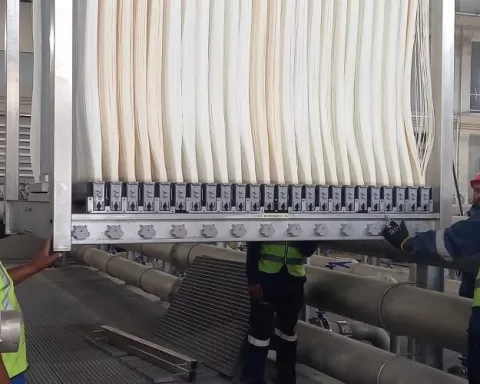
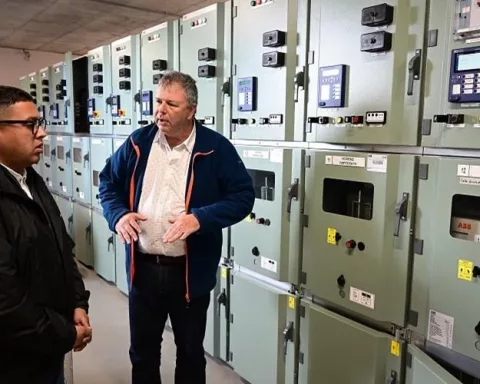
Faced with new scientific findings and shifting risks, Cape Town has mapped a future-oriented plan for its marine outfalls. Beginning in January 2026, the city will launch an ambitious refurbishment program, targeting key aspects of existing facilities. Upgrades will modernize screening mechanisms, with advanced mechanical and rotary fine screens set to increase debris removal. Simultaneously, improvements in odour control, fire safety, and pump systems will strengthen reliability and community acceptance. Essential electrical and security systems will also be enhanced, acknowledging the growing role of digital monitoring and cyber protection in public works.
Cape Town’s strategy carries the spirit of modernism, blending utility with design. Engineers and planners work together as both problem-solvers and visionaries, shaping infrastructure that meets immediate demands while anticipating future needs. Their hands-on approach ensures the city’s outfalls will remain robust as population growth, climate unpredictability, and technological advances reshape local realities.
Medium-term goals reach beyond maintenance, aiming for significant process enhancements. Plans under review include installing primary clarifiers, settling tanks, and fermentation units to improve overall treatment. New sludge dewatering facilities are also on the table, promising to capture more contaminants before effluent reaches the sea. These technical upgrades may seem remote to most residents, but their impact could be profound – enhancing marine water quality, reducing ecological risks, and supporting fisheries and tourism.
Looking further ahead, the city is evaluating advanced treatment options. Out of sixty original proposals, nine are being carefully considered – ranging from activated sludge bioreactors to specialized systems for removing persistent organic pollutants. The decision-making process emphasizes evidence, experimentation, and adaptability, ensuring Cape Town remains a leader in coastal urban management.
Governance and Global Context: South Africa’s Role in a Changing World
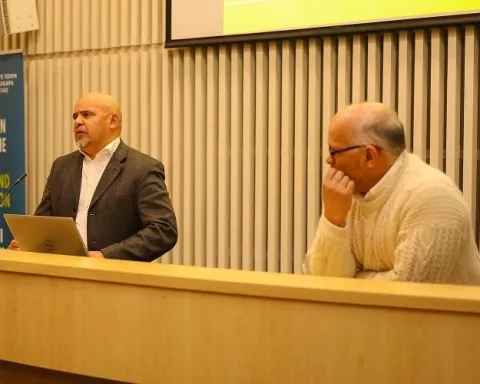
The August forum highlighted a core principle: Cape Town’s progress depends on collaboration. Councillor Zahid Badroodien, responsible for Water and Sanitation, stressed the vital importance of partnerships – between city government, researchers, industry, and the broader public. This open, consultative approach sets Cape Town apart, fostering a culture where shared insights and constructive criticism drive policy and practice.
Such engagement evokes the democratic traditions of ancient cities, where open debate and shared responsibility guided decisions on public welfare. By welcoming independent audits and academic input, Cape Town demonstrates its commitment to both transparency and continuous improvement. This model of adaptive governance is increasingly relevant as cities worldwide grapple with the twin challenges of urbanization and environmental change.
Cape Town’s experience resonates far beyond its shores. Across Europe, water utilities are rapidly upgrading plants to address new contaminants, while American regulators now place perfluorinated compounds at the forefront of public health policy. Yet Cape Town faces unique pressures: rapid population growth, economic disparities, and the urgent need to preserve its iconic coastline. Each infrastructure decision must reconcile the competing demands of development, ecological integrity, and social equity.
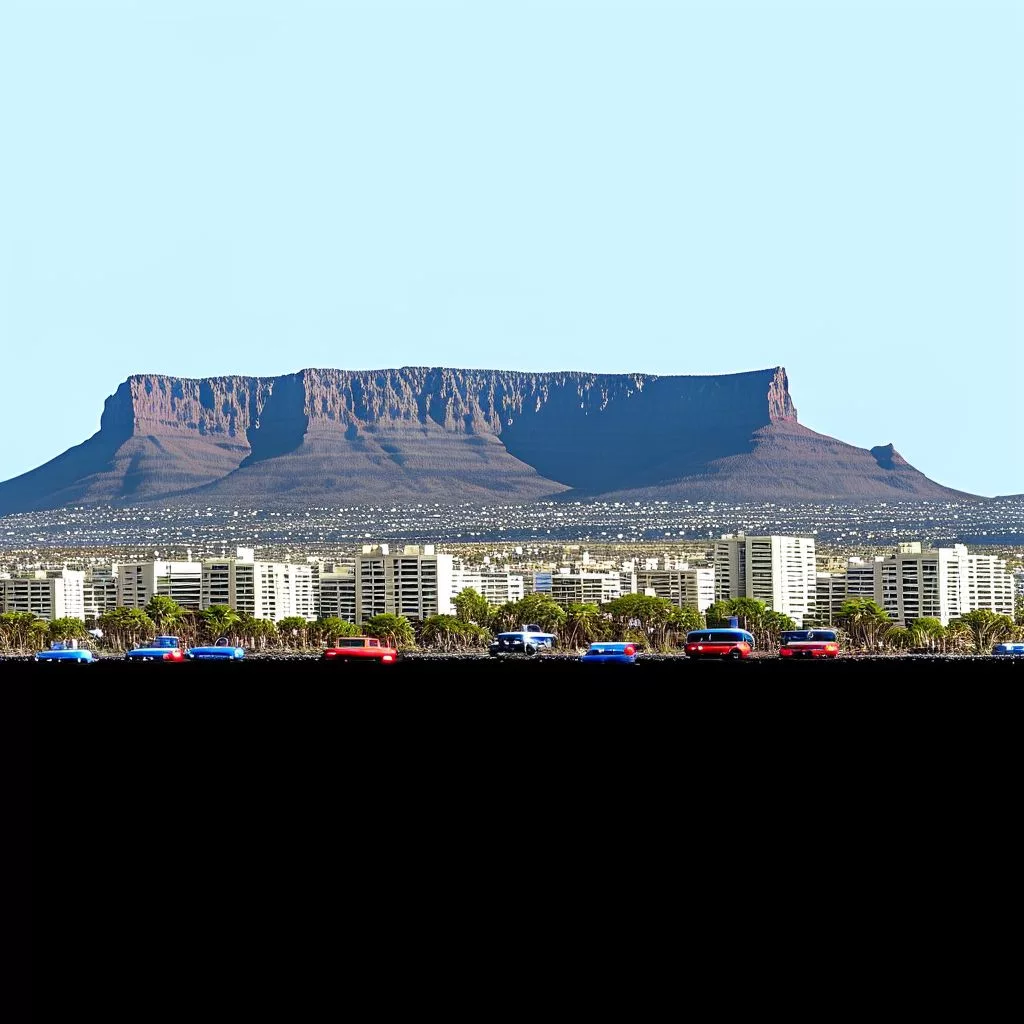
From Table Mountain’s lofty heights, the work of marine outfalls remains invisible – hidden beneath the water’s surface, but essential to city life. These systems, shaped by expert hands and collective will, labor quietly to protect both people and the environment. As Cape Town navigates the rising tide of 21st-century challenges, its experience offers a blueprint for cities worldwide: meet complexity with innovation, embrace collaboration, and never lose sight of the ocean’s enduring mystery and power.
What are Cape Town’s marine outfalls and where are they located?
Cape Town’s marine outfalls are specialized wastewater discharge systems that safely release treated effluent into the ocean. They are located at three key coastal sites: Camps Bay, Green Point, and Hout Bay. These systems help manage urban wastewater while protecting marine ecosystems by ensuring that all discharged water meets strict environmental standards through continuous monitoring and maintenance.
How does Cape Town monitor and maintain the marine outfalls?
The City of Cape Town implements a rigorous quarterly monitoring program to assess the performance of its marine outfalls. Between April and June 2025, compliance rates were impressive: Camps Bay at 99.3%, Green Point at 95.8%, and Hout Bay at 100%. The city responds quickly to technical issues – such as pump malfunctions or screening unit failures – to minimize disruptions. Skilled engineers and technicians ensure smooth operations through regular maintenance, rapid repairs, and system upgrades.
What are “chemicals of emerging concern” and why are they important?
Chemicals of emerging concern (CECs) are pollutants that are difficult to detect and remove with conventional wastewater treatment. They include pharmaceuticals, hormone disruptors, antibiotic-resistant organisms, and perfluorinated compounds. These substances can accumulate in marine life and pose risks to both ecosystems and human health. Cape Town is actively researching CECs, working with scientists to better understand and mitigate these invisible threats to its coastal environment.
What challenges were discussed at the August 2025 Permit Advisory Forum?
At the August 2025 forum, city officials, engineers, environmentalists, and researchers gathered to review the performance of marine outfalls and address challenges such as mechanical reliability and chemical pollutants. Discussions focused on improving infrastructure resilience, managing new contaminants, and balancing urban growth with ecological protection. The forum emphasized the importance of collaboration, transparency, and innovation in safeguarding Cape Town’s coastal health.
What upgrades and innovations are planned for Cape Town’s marine outfalls?
Starting in January 2026, Cape Town will launch a refurbishment program targeting key system components like advanced screening mechanisms, improved odor control, fire safety enhancements, and upgraded pumps. Medium-term plans include installing primary clarifiers, settling tanks, and sludge dewatering facilities to improve treatment quality. The city is also evaluating cutting-edge technologies – such as activated sludge bioreactors and specialized pollutant removal systems – to address emerging contaminants and future-proof the infrastructure.
How does Cape Town’s approach to marine outfall management compare globally?
Cape Town’s model combines technical excellence, scientific research, and inclusive governance. By partnering with academic experts and stakeholders, the city ensures transparent, evidence-based decision-making. While cities worldwide face similar challenges with new pollutants and aging infrastructure, Cape Town’s unique pressures – rapid population growth, economic disparities, and a precious coastline – demand tailored solutions. Its adaptive, collaborative approach offers a valuable example for coastal urban centers balancing development and environmental stewardship.