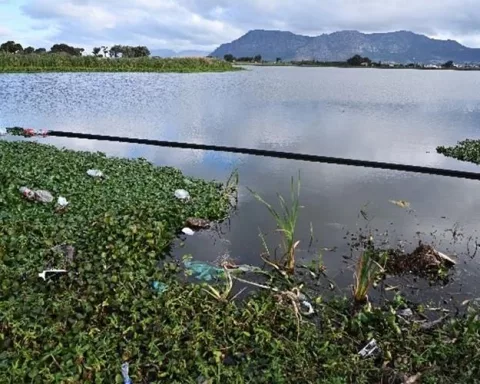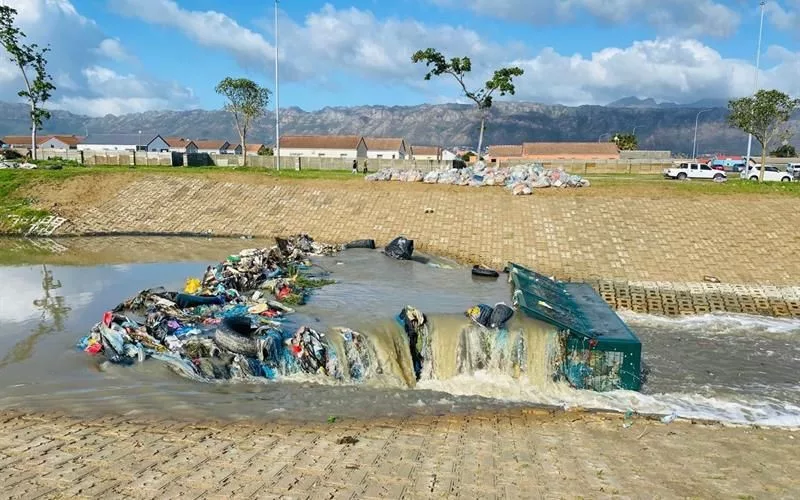
Waste interceptors are floating barriers placed in city rivers and canals to catch trash before it spreads. They help keep waterways clean, protect fish and plants, and make the water safer for everyone. These simple but smart devices work quietly, cost little, and fit well into the flow of water. By stopping litter early, they help build a cleaner, healthier city for today and the future. When people care and work together, these small helpers can make a big difference.
What are waste interceptors and how do they help clean urban waterways?
Waste interceptors are floating barriers or mesh cages installed in rivers and canals to capture litter and debris before it spreads. They reduce pollution, protect aquatic life, and improve water quality by intercepting waste efficiently, cost-effectively, and with minimal disruption to natural water flow.
Urban Waterways: Lifeblood in Peril
Rivers and canals have always played a vital role in shaping the destiny of cities. Historically, communities settled and thrived along these waterways, drawing sustenance, transport, and identity from the flowing currents. Yet, as urban populations expanded and industries flourished, these same lifelines became dumping grounds for discarded packaging, plastic fragments, and many forms of refuse. The modern city now faces a crisis at the intersection of progress and pollution, where the ecological health of urban waterways is under constant threat.
In the past, luminaries like Rachel Carson and visionaries from the Land Art movement inspired society to reconsider its relationship with nature. Their calls for responsible stewardship fostered a growing awareness of the need for balance. Today, the state of our rivers reflects hard choices made – and the urgent need for action. City dwellers rely on these water bodies not just for aesthetics or recreation, but also for community well-being and public health. The proliferation of waste jeopardizes aquatic life and contaminates sources that many depend on daily.
Addressing this mounting challenge, the Water and Sanitation Directorate has launched a bold initiative: 20 advanced waste interceptors now guard the city’s most vulnerable rivers and canals. This decisive move doesn’t just draw from modern engineering; it also carries echoes of past efforts to fuse civic responsibility with ecological renewal.
Waste Interceptors: Innovation Meets Urban Need
At first glance, a waste interceptor might look deceptively modest – a floating barrier or mesh cage, anchored across a river mouth or canal, quietly gathering debris from the passing flow. But beneath this unassuming exterior lies a carefully crafted solution. Each unit is specifically designed to handle the unique mix and volume of litter discovered at its site, ensuring optimal efficiency and minimal disruption to the waterway’s natural rhythms.
The beauty of this intervention lies in both its adaptability and cost-effectiveness. Unlike more elaborate infrastructure projects, waste interceptors can be widely deployed without straining municipal budgets. The city invested R3 million to install 20 units, a sum that covers both the devices themselves and their ongoing maintenance. Each interceptor contributes to a modular system, allowing for strategic placement and easy scaling in response to evolving needs.
Drawing from data and direct observation, engineers meticulously selected each installation site. This approach ensures that interceptors do more than collect visible trash – they intercept the most problematic waste flows before these reach wider bodies of water or the ocean. Compared to expensive filtration plants or heavy machinery, these devices represent a pragmatic blend of simplicity and effectiveness, reminiscent of urban upgrades from previous eras that focused on refining rather than replacing existing infrastructure.
Strategic Deployment: A Network Across the City
The rollout of waste interceptors reveals more than just technical savvy; it demonstrates an in-depth understanding of the city’s intricate waterway network and the challenges each segment faces. In the eastern suburbs, for example, four units have been installed along the Soet River at critical junctions: Savanna Mews, Broadway Boulevard, Greenways Estate, and Lower Gordon’s Bay Road. Each location was chosen based on patterns of litter accumulation and proximity to community spaces.
Elsewhere, the Klein Canal, Sir Lowry’s Pass River, and adjacent channels now benefit from similar protection. Moving north, interceptors dot the Bonteheuwel Canal, Spoordam Pond, Kuils River, and Amandel Dam, curbing waste before it can spread into larger catchments. Central and southern sites, including the Bayside Canal, Milnerton’s Sati River, Bokmanspruit River, Big Lotus River, and Vygekraal River, represent the city’s commitment to a comprehensive defense against urban pollution.
This thorough distribution echoes the philosophies of early urban planners like Ebenezer Howard, who envisioned green cities intertwined with natural systems. Today’s efforts marry data-driven insight with the same spirit of holistic stewardship, aiming for a cleaner, healthier metropolis from its heart to its furthest edges.
Maintenance, Public Partnership, and Wider Implications
No technology, however innovative, can function in isolation. The success of waste interceptors hinges on consistent, dedicated maintenance. Municipal teams clear the collected debris at regular intervals, ensuring the devices remain unobstructed and effective. This daily labor, often unheralded, is essential to the continued health of the waterways and mirrors the tireless work of municipal caretakers in other aspects of public life.
Leadership figures, such as Councillor Zahid Badroodien, emphasize the importance of community involvement. He urges residents to safeguard these new installations from acts of vandalism or interference, highlighting that sustainable change depends on everyone’s participation. When citizens take pride in their environment and see themselves as custodians, the benefits of technological intervention multiply. Examples from around the world – like Amsterdam’s citizen-maintained floating booms or Tokyo’s annual river cleanups – demonstrate the transformative power of collective action.
Beyond the mechanical and logistical, these interceptors function as catalysts for cultural change. When children pause on their way to school to observe the interceptors in action, or when local residents inquire about the project, a new sense of environmental awareness begins to take root. Such moments create teachable opportunities that ripple through families and neighborhoods, gradually shifting behaviors and attitudes.
Looking Forward: A Blueprint for Sustainable Urban Living
The city’s interceptor initiative resonates with global movements advocating for a circular economy – where waste is not an endpoint, but a resource to be managed, repurposed, or eliminated through smarter design. The presence of these devices along urban rivers is a tangible testament to this evolving ethos. They remind us that the solution to pollution lies not in grand gestures but in steady, incremental progress – each captured plastic bottle, each intercepted wrapper, a small victory in a larger campaign.
Scientists now warn that microplastics, created when larger debris breaks down, infiltrate aquatic food webs and eventually human diets. Intercepting trash before it fragments represents a crucial first step in safeguarding both nature and public health. The city’s investment in waste interceptors, then, is not only about cleaner rivers today, but also about protecting future generations from invisible harm.
Ultimately, real progress emerges from sustained collaboration. Residents, municipal staff, policymakers, and community groups must all play a role in defending waterways from abuse. While interceptors provide an effective tool, the broader challenge remains ongoing: to reduce the production and careless disposal of waste at its source, foster a culture of stewardship, and promote innovative solutions that honor both past wisdom and contemporary necessity.
Standing along the banks of a newly protected river, with sunlight glinting off the water and the gentle current bearing away the last traces of refuse, one sees more than just a cleaner city. One glimpses a future where urban life and natural ecosystems flourish side by side – a testament to what is possible when technology, civic commitment, and environmental vision converge.
What are waste interceptors and how do they function?
Waste interceptors are floating barriers or mesh cages installed across city rivers and canals designed to capture litter and debris before it spreads downstream. They work quietly and efficiently by intercepting trash carried by the water flow, preventing pollution from reaching larger bodies of water or the ocean. These devices help improve water quality, protect aquatic life, and maintain the natural rhythms of waterways without causing disruption.
Where are waste interceptors installed within the city?
The city has strategically deployed 20 waste interceptors across vulnerable rivers and canals. Key installation sites include the Soet River in the eastern suburbs (Savanna Mews, Broadway Boulevard, Greenways Estate, Lower Gordon’s Bay Road), Klein Canal, Sir Lowry’s Pass River, Bonteheuwel Canal, Spoordam Pond, Kuils River, Amandel Dam, as well as central and southern locations like Bayside Canal, Milnerton’s Sati River, Bokmanspruit River, Big Lotus River, and Vygekraal River. Each location was chosen based on patterns of litter accumulation and proximity to community spaces to maximize impact.
How are waste interceptors maintained and who is responsible?
Municipal teams are responsible for the regular maintenance of waste interceptors. They clear collected debris frequently to ensure the devices remain unobstructed and effective. This ongoing maintenance is critical for the interceptors’ success in keeping waterways clean. Additionally, city leaders encourage community involvement to protect these installations from vandalism and to foster a collective sense of environmental stewardship.
What environmental benefits do waste interceptors provide?
By capturing trash early in the waterway system, waste interceptors reduce pollution and protect aquatic ecosystems from harmful debris. They help prevent plastic waste from breaking down into microplastics, which can infiltrate aquatic food webs and ultimately affect human health. Cleaner waterways also support biodiversity, improve public health, and contribute to more attractive natural spaces for recreation and community well-being.
How do waste interceptors fit into the city’s broader sustainability goals?
The interceptor initiative aligns with global efforts toward a circular economy, where waste is minimized, managed, or repurposed rather than discarded. These devices represent a pragmatic, cost-effective strategy complementing waste reduction at the source. By preventing litter from polluting waterways, they contribute to long-term ecological renewal and sustainable urban living, fostering a culture of responsibility and environmental awareness throughout the community.
Can the public contribute to the success of waste interceptors?
Absolutely. Community participation is vital to the effectiveness and longevity of waste interceptors. Residents are encouraged to respect the devices, avoid vandalism, and participate in educational outreach or cleanup activities. Public awareness inspires stewardship and helps create behavioral changes that reduce littering. Global examples show that when citizens take active roles, such initiatives gain momentum and create lasting environmental benefits.