Every year on July 25, Cape Town joins the world to remember those lost to drowning and to teach water safety. At the historic Long Street Indoor Swimming Pool, children and families learn important skills like swimming, floating, and spotting dangers in the water. Lifeguards and city leaders come together to share knowledge and encourage everyone to stay safe near oceans, rivers, and pools. The day is full of fun, learning, and hope, as Cape Town works hard all year to keep its community safe around water.
What is World Drowning Prevention Day and how does Cape Town observe it?
World Drowning Prevention Day, held annually on July 25, raises awareness about drowning risks. In Cape Town, the city unites community education, free swimming lessons, and lifeguard training to teach water safety, promote lifesaving skills, and prevent child drownings year-round.
Honoring a Global Call: World Drowning Prevention Day in Cape Town
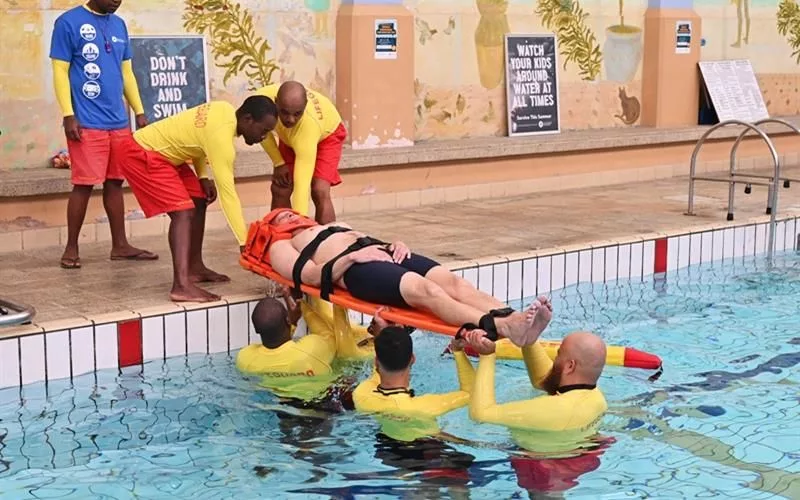
As winter rain tapped against the windows of Cape Town’s storied Long Street Indoor Swimming Pool, the city marked a seldom-discussed but critical event: World Drowning Prevention Day. The historic pool, a fixture in local life for over a century, once again served as a gathering place, this time to address one of the leading causes of preventable child deaths in South Africa – drowning.
Each year, on 25 July, cities and nations join a global moment of remembrance and education. World Drowning Prevention Day, established by the United Nations, honors those lost to drowning and calls for renewed efforts to protect the vulnerable. In Cape Town, this year’s observance came as school holidays drew to a close, reminding families and communities that vigilance around water must never take a break.
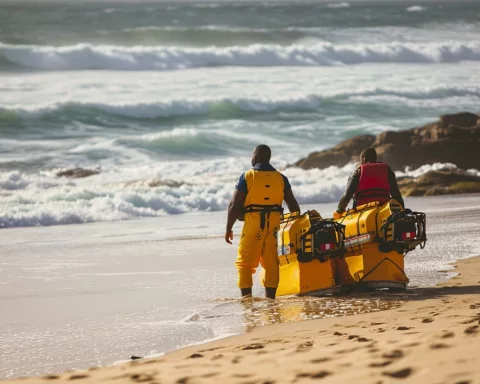
For Cape Town, a city surrounded by the drama of two oceans and crisscrossed by rivers and pools, drowning prevention is both a public health necessity and a social responsibility. The Recreation and Parks Department seized this opportunity to welcome children and their guardians, turning the pool into a vibrant classroom. The atmosphere mixed cheer with purpose: excited voices reverberated off tiled walls, but every activity underscored the gravity of its mission – to equip children with the skills and awareness to stay safe in and around water.
Teaching Lifesaving Skills: Practical Knowledge Meets Community Spirit
The day’s itinerary combined essential lessons with spirited engagement. Lifeguards in distinctive uniforms guided children through a progression of swimming skills, from mastering the basics of floating and breath control to navigating the water with confidence using pool noodles and kickboards. These sessions buzzed with applause and encouragement, turning tentative first strokes into moments of pride.
Education extended beyond the children. Guardians, many of whom never learned to swim themselves, watched with hope and sometimes anxiety. For some families, fear of water had been passed down, shaped by memories of loss or lack of access. The event aimed to reshape that narrative, replacing apprehension with empowerment. City lifeguards, often unheralded protectors, stepped into the role of instructors and role models. They introduced lifesaving equipment – rescue tubes, resuscitation masks, and other tools – demonstrating how quick action and knowledge can make all the difference during an emergency.
Central to the initiative stood the City’s “Golden Rules for Water Safety,” carefully crafted to distill expert advice into clear, actionable steps. Children learned to swim only in the presence of trained lifeguards, to obey safety signage, to recognize dangerous currents, and to avoid risky behaviors. For parents and guardians, the rules delivered a direct message: pay undivided attention whenever children are near water and never assume safety. These mantras, repeated in workshops and displayed on posters, equipped families with the knowledge to prevent tragedy.
Voices of Leadership and Legacy: Building a Culture of Safety
The event brought together civic leaders who saw in this gathering the seeds of lasting change. Councillor Francine Higham, representing Community Services and Health, moved among the participants, praising the day’s blend of fun and instruction. “Today, learning is not just theoretical,” she observed. “Through our Drowning Prevention Programme, we are providing families with the skills and confidence they need, ensuring Cape Town’s children enjoy pools and beaches safely.” Her gratitude extended to the lifeguards and staff – the unsung heroes whose efforts underpin the city’s safety network.
Ward councillor Ian McMahon added his perspective, emphasizing the broader impact of such initiatives. “Swimming is a fundamental life skill,” he asserted. “These programmes empower not just children, but whole communities. By making water safety a priority, we are fostering resilience and wellbeing across Cape Town.” Their words echoed the traditions of global public health advocates and pioneers who have long recognized that education and access save lives.
Beyond official speeches, personal stories gave the event depth. One mother, watching her son learn to float, reflected on her own childhood, where fear and lack of access kept her from the water. “I want a different experience for him,” she said. Such moments captured the transformative potential of community-driven events: the power not only to teach technical skills, but to rewrite family narratives, replacing anxiety with joy and confidence.
Sustaining the Effort: Year-Round Commitment and a Vision for the Future
Though World Drowning Prevention Day serves as an annual focal point, Cape Town’s commitment stretches through all seasons. The city’s Drowning Prevention Programme operates year-round, offering school visits, educational outreach, and public demonstrations at beaches and pools. Lifeguards undergo rigorous training and annual assessments to maintain their readiness – a process that ensures each team member possesses the physical fitness, judgment, and technical acumen necessary for rapid, effective response.
Access sits at the heart of this mission. On World Drowning Prevention Day, the city waived pool admission fees, extending the opportunity to children and families from every ward. This gesture reinforced a broader vision: public swimming facilities should be open and welcoming to all, not just the privileged. In doing so, Cape Town continues the legacy of 20th-century public health reforms, which recognized that safe, accessible recreation is essential for a healthy, equitable society.
The event’s success also relied on cultural resonance. Cape Town’s identity is inseparable from its relationship to water – beaches, rivers, and pools shape daily life, recreation, and even folklore. Teaching children to swim and respect water does more than prevent accidents; it connects them to the city’s geography, traditions, and collective memory. The simple act of floating, of trusting one’s body in water, becomes emblematic of hope, resilience, and belonging.
A Shared Responsibility: Reflections and Next Steps
As the day concluded and families filtered out into the rainy afternoon, the sense of unity lingered. Posters declaring the “Golden Rules” and lifeguard demonstrations had left a lasting impression. Children departed not only with new skills, but with a sense of accomplishment and the assurance that their city cares for their wellbeing.
The struggle to prevent drowning demands vigilance from everyone – civic leaders, guardians, and children alike. Cape Town’s observance of World Drowning Prevention Day stands as a model for other communities: a blend of historic venue, expert guidance, inclusive access, and cultural celebration. Through events like these, cities do more than commemorate – they take tangible steps to ensure safety, health, and happiness for generations to come.
World Drowning Prevention Day in Cape Town was not just a date on the calendar, but a declaration of intent. By combining education, leadership, and shared experience, the city set a new standard for community-driven public health. In doing so, it honored both its history and its hope for the future – one child, one family, one stroke at a time.
What is World Drowning Prevention Day and why is it important in Cape Town?
World Drowning Prevention Day, held annually on July 25, is a global initiative established by the United Nations to raise awareness about the risks of drowning and promote water safety. Cape Town observes this day by uniting community education, free swimming lessons, and lifeguard training to equip residents – especially children – with essential lifesaving skills. Given the city’s proximity to oceans, rivers, and pools, drowning prevention is both a public health priority and a shared social responsibility.
How does Cape Town celebrate World Drowning Prevention Day?
Cape Town marks the day with events at the historic Long Street Indoor Swimming Pool, where children and families participate in swimming lessons, water safety workshops, and demonstrations by trained lifeguards. The city waives pool admission fees to encourage access for all wards, fostering inclusivity. The day combines fun activities with critical education on skills like floating, breath control, and recognizing water hazards, alongside sharing the City’s “Golden Rules for Water Safety.”
What are the “Golden Rules for Water Safety” promoted during the event?
The “Golden Rules for Water Safety” are clear, actionable guidelines designed to keep individuals safe around water. They include:
- Swim only where trained lifeguards are present.
- Always obey safety signage.
- Recognize and avoid dangerous currents.
- Never leave children unattended near water.
- Avoid risky behaviors such as swimming alone or under the influence of substances.
- Pay undivided attention when supervising children around water.
These rules help empower families with practical knowledge to prevent drowning incidents.
Who participates in and supports the World Drowning Prevention Day activities in Cape Town?
The event brings together children, parents, lifeguards, city officials, and community leaders. Lifeguards not only teach lifesaving skills but also act as role models and instructors. Civic leaders like Councillor Francine Higham and Ward Councillor Ian McMahon emphasize the importance of swimming as a fundamental life skill and champion the city’s commitment to safety and wellbeing. Families from diverse backgrounds attend, many experiencing water safety education for the first time.
What ongoing efforts does Cape Town make beyond World Drowning Prevention Day?
Cape Town’s commitment to drowning prevention extends year-round through its comprehensive Drowning Prevention Programme. This includes regular school outreach, public demonstrations, free or affordable swimming lessons, and continuous lifeguard training with annual assessments. The city strives to ensure public swimming facilities remain accessible and safe for all residents, addressing barriers related to fear, lack of access, or previous negative experiences with water.
Why is drowning prevention particularly significant for Cape Town’s community and culture?
Cape Town’s identity is deeply connected to its surrounding waters – the oceans, rivers, and pools that shape daily life and recreation. Teaching children to swim and respect water fosters not only safety but also a sense of belonging and resilience. Water safety education contributes to public health, social equity, and cultural continuity by helping families rewrite fearful narratives into ones of confidence and joy. The city’s efforts demonstrate that drowning prevention is both a practical necessity and a celebration of Cape Town’s unique relationship with its natural environment.