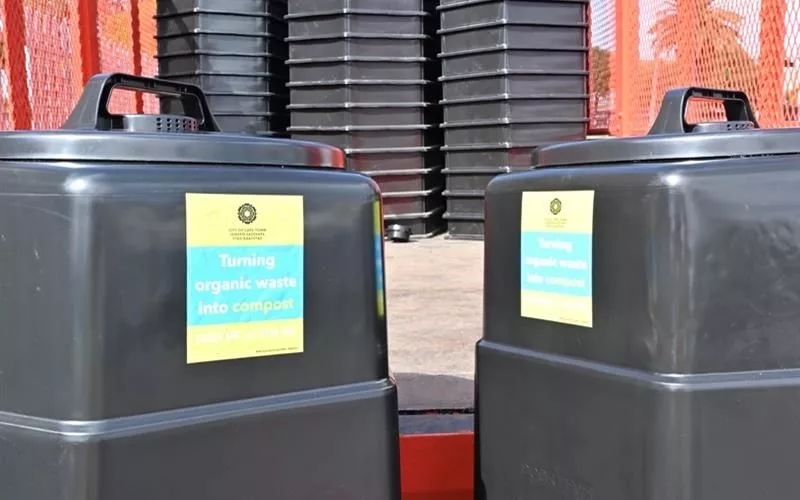
In Greenways and Edgemead, residents are getting free compost bins to turn kitchen and garden scraps into rich soil. This simple act helps reduce waste, cut harmful gases, and grow healthier gardens without chemicals. Neighbors gather to collect bins, share tips, and learn how easy and rewarding composting can be. The program is more than just waste management – it’s a small but powerful way for the community to care for their environment and build a greener future together.
What is the compost bin distribution program in Greenways and Edgemead?
The compost bin distribution program provides free bins to residents with gardens in Greenways and Edgemead to promote eco-friendly waste management. Participants learn how to compost kitchen and garden scraps, reduce landfill waste, lower methane emissions, and enrich soil naturally.
Laying the Groundwork for Greener Living
As the sun rises on late-August mornings in Edgemead and Greenways, a quiet energy builds around the local community halls. Residents gather in small groups, waiting patiently with their identification documents and recent municipal bills in hand, all looking forward to collecting a compost bin for their homes. This scene marks a major step in the City’s campaign to encourage eco-friendly waste management right at the household level.
This new initiative by the City’s Urban Waste Management Directorate aims to put the power of composting into the hands of local homeowners and tenants. The program hosts events on August 23 and August 30, where 250 compost bins at each location are up for grabs on a first-come, first-served basis. Participation is open to those who have private gardens or yards – ensuring that the bins will be put to good use and that participants can make a real impact on their immediate environment.
Bringing composting into the urban mainstream signals the City’s commitment to tackling waste at its source. The program’s roots lie in the realization that the traditional model of simply sending organic waste to landfills can no longer keep pace with environmental demands. Instead, the City seeks to create a partnership with residents – empowering them to create fertile soil from kitchen and garden leftovers while reducing their carbon footprint.
Practical Steps to Participating
To take part in the compost bin rollout, residents need to prove their address within the designated neighborhoods and show a valid photo ID. The bins – free of charge and limited in supply – are specifically intended for single residential properties with a secure outdoor area. This requirement ensures that each bin will serve a genuine purpose, nurturing gardens and reducing waste at the household level.
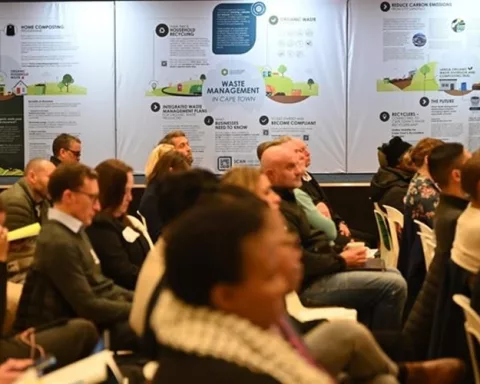
The process itself brings the community together. Early risers share gardening tips in line, swap composting ideas, and discuss the environmental benefits of reducing organic waste. This communal environment transforms a simple distribution event into a social and educational opportunity, fostering a spirit of environmental stewardship throughout the neighborhood.
Once the bins have been collected and taken home, new composters receive clear instructions on best practices. The City provides guidance on how to balance green waste, like fruit and vegetable scraps, with brown waste such as dried leaves and cardboard. Residents learn to maintain ideal moisture and oxygen levels, helping them avoid common pitfalls like foul smells or unwanted pests. These details, though simple, are crucial for turning food scraps into nutrient-rich compost rather than landfill matter.
Environmental and Community Impact
The benefits of composting ripple far beyond the boundaries of each individual garden. By keeping food and garden waste out of municipal landfill sites, residents help reduce methane emissions – a greenhouse gas significantly more damaging than carbon dioxide. The compost produced at home enriches the soil, helping flowers, vegetables, and shrubs thrive without the need for chemical fertilizers. This natural soil builder not only cuts down on waste but also saves money and supports healthier gardens.
Stories of success quickly circulate. Local gardener Thabo Nkosi credits his abundant pumpkin harvest to the compost he started last year, while Linda Vos fondly remembers her grandmother’s tradition of feeding rose bushes with leftover tea leaves. These personal accounts reinforce the broader environmental message: composting is both a time-honored practice and a practical solution for modern sustainability challenges.
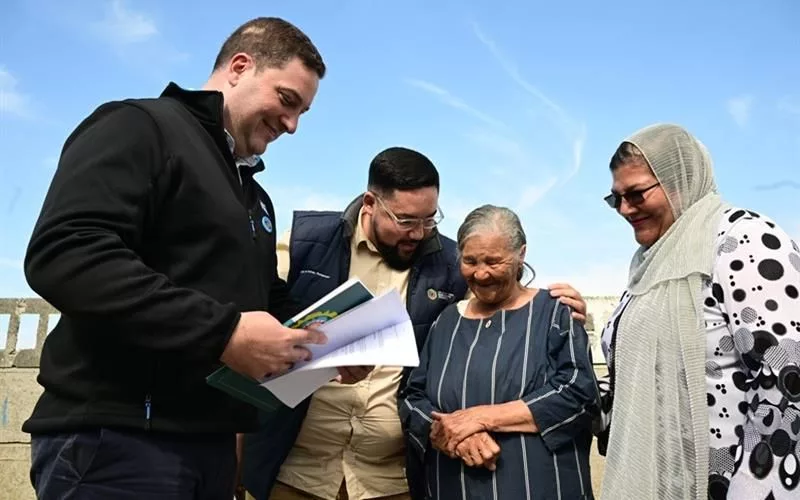
Alderman Grant Twigg, a proponent of the initiative, highlights the dual value of composting: “Household compost bins not only help manage waste but also combat climate change. Anyone with a little outdoor space can take part, making the program accessible and impactful.” As word spreads, more residents express interest in learning about composting, leading to a surge of community workshops and shared gardening projects.
Looking Beyond the Rollout
While the compost bin program targets homeowners with gardens or yards, the City recognizes that not every resident can participate under the current eligibility criteria. Apartment dwellers and those without outdoor space may feel left out, prompting the City to consider future expansions such as shared composting sites or community garden projects. This ongoing evaluation ensures that composting remains an inclusive movement, capable of reaching people from all walks of life.
The initiative also comes with its share of challenges. Novice composters sometimes struggle with maintaining the right balance of materials or managing occasional fly infestations. To address these hurdles, the City provides detailed educational materials and is developing support networks where experienced composters can mentor newcomers. This approach keeps enthusiasm high and helps prevent early setbacks from derailing long-term adoption.
At its heart, the compost bin distribution program in Greenways and Edgemead is about much more than just waste management. It marks a shift in perspective, where residents take a hands-on role in caring for their environment and supporting the City’s broader sustainability goals. Each compost bin becomes a symbol of local action, community spirit, and the power of small steps to drive big change.
Cultivating a Sustainable Future
As more bins find their way into backyards and gardens, the neighborhoods of Edgemead and Greenways begin to transform. Household waste dwindles, gardens flourish, and residents take pride in their contribution to a greener city. The simple practice of composting links generations – honoring traditions of self-reliance while addressing the urgent environmental challenges of today.
The program’s success lies in its ability to turn ordinary actions into meaningful progress. By equipping residents with the tools and knowledge to compost, the City lays the groundwork for a future where sustainability is woven into daily life. As neighbors exchange tips and share the fruits of their labor, they help create a living tapestry of change – one compost pile at a time.
Ultimately, the Greenways and Edgemead compost bin rollout demonstrates how policy and community action can join forces to nurture both the land and the people who call it home. The journey from waste to wonder begins with a single step – and in these Cape Town neighborhoods, that step is already well underway.
What is the compost bin distribution program in Greenways and Edgemead?
The program provides free compost bins to residents with private gardens or yards in Greenways and Edgemead. Its goal is to encourage eco-friendly waste management by helping participants turn kitchen and garden scraps into nutrient-rich compost. This reduces landfill waste, lowers methane emissions, and enriches soil naturally, promoting healthier gardens without chemical fertilizers.
Who is eligible to receive a free compost bin?
Eligibility is limited to residents living in Greenways and Edgemead who have private outdoor spaces such as gardens or yards. Participants must provide proof of address and valid photo identification during distribution events. The program targets single residential properties to ensure compost bins are used effectively at the household level.
When and where can residents collect their compost bins?
Compost bins are distributed at community halls in Greenways and Edgemead on specified dates (for example, August 23 and August 30). Distribution is on a first-come, first-served basis, with 250 bins available at each location. Residents are encouraged to arrive early and bring the required documents to secure a bin.
What support is provided to new composters?
After receiving their bins, residents get detailed instructions on how to compost properly. This includes balancing green waste (fruit and vegetable scraps) with brown waste (dried leaves, cardboard), maintaining moisture and oxygen levels, and avoiding common issues like foul smells or pests. The City also offers educational materials and is developing support networks where experienced composters can mentor beginners.
What are the environmental benefits of composting at home?
Composting household organic waste significantly reduces the amount of material sent to landfills, thereby lowering methane emissions – a potent greenhouse gas. The resulting compost improves soil fertility, supporting healthier plants and reducing the need for chemical fertilizers. This contributes to cleaner communities, less waste, and a lower carbon footprint.
Are there plans to expand the program to residents without gardens or outdoor space?
Yes. While the current program focuses on homeowners or tenants with private yards, the City is exploring future options to include apartment dwellers and others without outdoor space. Potential expansions may involve establishing shared composting sites or community gardens to make composting accessible to all residents, fostering broader participation in sustainable waste management.