Cape Town’s Budget 3.0, called the “Invested in Hope Budget,” sets aside a huge R40 billion to build better roads, services, and social support for its people in 2025/26. The city leaders listen closely to residents, making sure everyone’s voice helps shape fair prices and strong community help. This budget focuses on fixing and improving important city infrastructure, like transport and utilities, so Cape Town can grow stronger and more resilient. By inviting public feedback, the city turns budgeting into a shared effort, showing hope and care for the future of all Capetonians.
What is Cape Town’s Budget 3.0 and how does it shape the city’s future?
Cape Town’s Budget 3.0, known as the “Invested in Hope Budget,” allocates a record R40 billion for infrastructure and social relief. It emphasizes responsive governance through public participation, affordable service rates, and strategic investments to promote urban renewal, economic resilience, and community well-being in 2025/26.
A Season of Decisions: Setting the Stage for Change
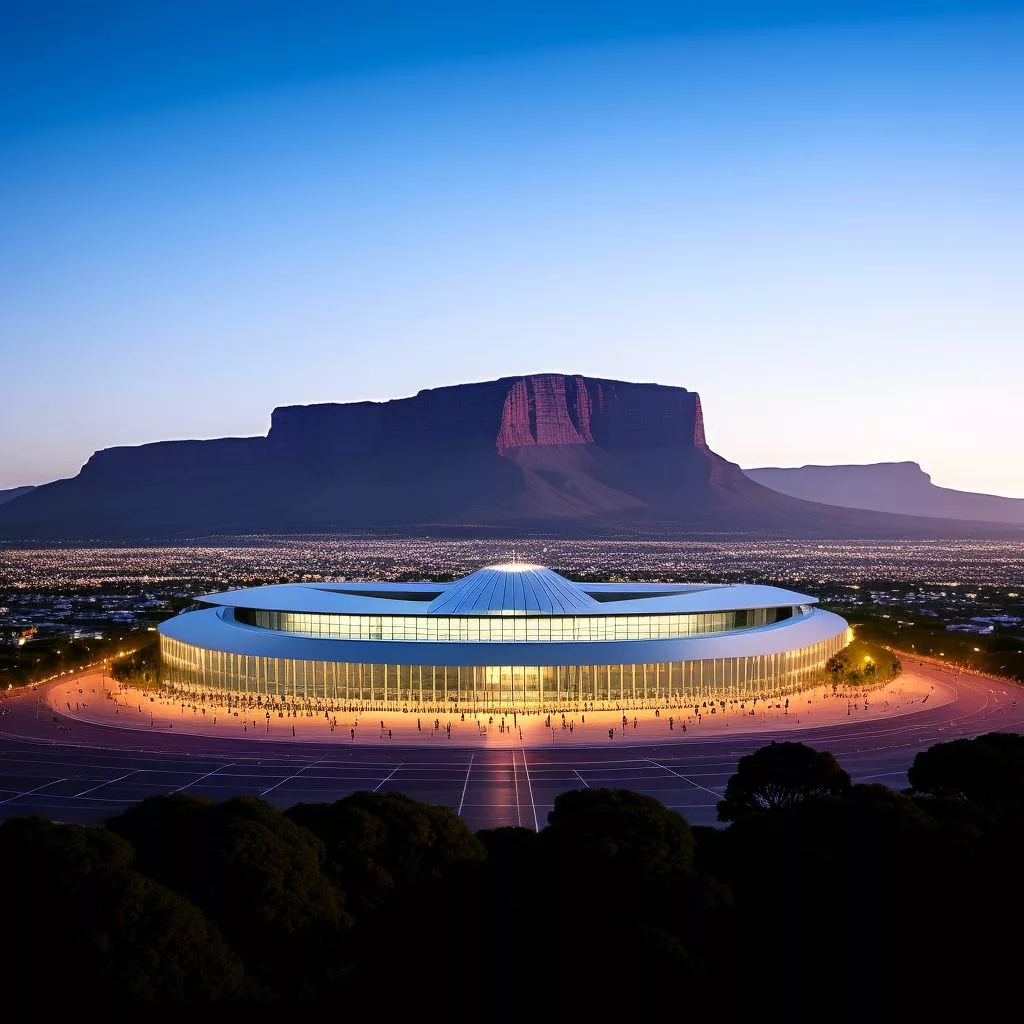
As winter approaches in Cape Town, a sense of expectation fills the air. The city’s famous peaks watch over the Civic Centre, where key financial choices will soon chart the course of 2025/26. This time, the City Council faces a season that feels anything but routine. With the unveiling of the “Invested in Hope Budget,” civic leaders signal both bold ambitions and a grounded sense of responsibility.
Cape Town’s financial strategy emerges from South Africa’s complex urban landscape. Across the nation, cities still grapple with inequality’s long shadows and the relentless demands of modernization. Yet here, under Mayor Geordin Hill-Lewis, city officials remain determined to avoid the spirals of neglect plaguing other metropolitan areas. Their commitment takes concrete form with a record-breaking R40 billion infrastructure budget – a figure that looms as large as the city’s own horizon. This robust investment reflects a deep conviction: public spending can guard against stagnation and restore faith in the future.
The Civic Centre buzzes with energy as policy makers and staff prepare for the weeks ahead. Conversations revolve not just around numbers, but around the lives those numbers shape. Instead of remote bureaucracy, the process pulses with the realities of daily life in Cape Town. Leaders insist they have paid close attention to Capetonians’ voices, and their decision to invite public feedback on expanded rates relief underscores an honest attempt at participatory democracy. This move echoes international trends in governance, but here, it carries a uniquely local warmth and attentiveness.
Relief Measures Rooted in Community Needs
The “Invested in Hope Budget” brings the concept of relief into sharp focus. Cape Town prides itself on offering the most extensive social relief network among South African cities. For residents, this commitment translates into real, meaningful support – especially in a national climate where many municipalities struggle to provide even basic services. The city claims that its residents face the lowest monthly service bills in the country while still enjoying superior services, a point that sparks both pride and curiosity. Such an achievement hints at a city striving to strengthen the social contract, all while recognizing how delicate that trust can be.
Residents’ stories breathe life into these policies. In neighborhoods like Mitchells Plain, people like Thelma – a retired nurse – describe how the city’s efforts have changed their relationship with municipal bills. Where she once dreaded the arrival of her monthly statement, she now finds predictability and a sense of control. Her experience, though personal, highlights the transformative potential of transparent and consistent governance.
Tensions and disagreements, of course, still surface. A recent petition advocated for higher electricity rates over a new city-wide cleaning charge, illustrating the age-old conflict between individual and collective priorities. Mayor Hill-Lewis addressed these concerns directly, explaining that data-driven analysis showed that the proposed shift would ultimately hurt households. The city’s insistence on maintaining critical infrastructure upgrades, even amid public unease, reflects a refusal to compromise the future for fleeting popularity. This approach demonstrates a pragmatic balance – one that weighs expert insight alongside community input.
Investing in Tomorrow: Infrastructure as Urban Hope
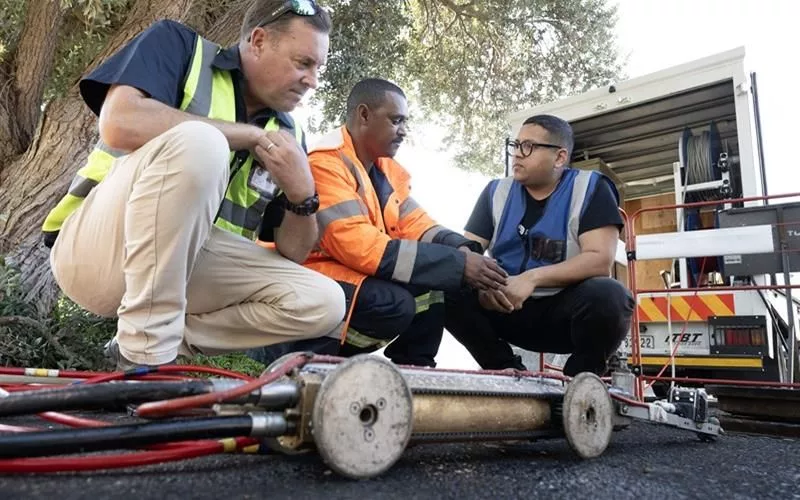
Infrastructure forms the backbone of Cape Town’s vision for renewal. The budget contains no “non-urgent major infrastructure projects,” a fact the mayor emphasizes with precision. Every investment serves as a vital beam in the city’s architecture of resilience. For city officials, the consequences of neglect loom large; many South African cities have suffered from underinvestment, leading to widespread dysfunction. Cape Town’s leadership recognizes these risks and treats infrastructure as the foundation of opportunity and progress.
Urban historians and artists have long argued that public works mirror a city’s ambitions. From Paris’s grand boulevards to Rome’s ancient aqueducts, and London’s postwar green spaces, such projects have marked eras of rebirth and aspiration. Cape Town’s R40 billion allocation to infrastructure aims to spark similar transformation. Projects range from modernized transportation systems to expanded utility networks, each designed to reshape daily life and broaden possibilities for residents.
But crafting a budget is always about navigating trade-offs. The City’s budget team rigorously reviewed their plans, seeking fresh ways to cushion households from financial pressure. Their process mirrors the creativity of improvisational artists – responsive to feedback, yet firmly rooted in structure. Planned amendments to commercial tariff schedules, to be reviewed alongside public commentary, reveal a willingness to adapt and perfect the plan in real-time, reflecting both openness and strategic discipline.
Democracy in Action: Public Participation and Civic Renewal
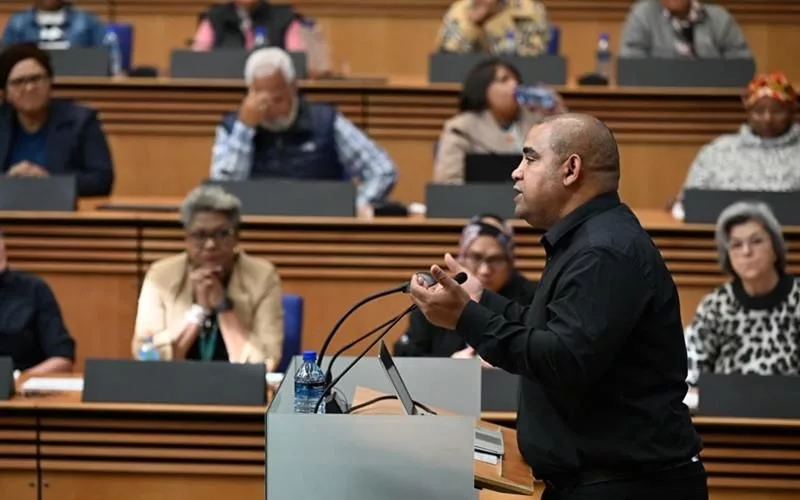
The city has opened its budget process to public input from 28 May to 13 June, inviting residents to help shape the policies that will affect their lives. For a few weeks, the Civic Centre transforms from a bureaucratic hub into a forum for collective imagination. This period of engagement recalls the ideals of deliberative democracy, where citizens’ lived experiences and reasoned arguments combine to build a stronger civic whole.
Throughout these weeks, city officials face a daunting balancing act. They need to deliver tangible value, maintain fiscal responsibility, and foster public trust, even as economic uncertainty, inflation, and persistent inequalities challenge their efforts. In this climate, the commitment and clarity expressed in the budget become not only necessary but also rare in public life.
City leaders often frame their choices in contrast to the difficulties faced by other South African cities. The message is clear: Cape Town refuses to follow the path of decline. Yet beneath this rhetoric lies genuine optimism – a belief that careful management and community engagement can push the city beyond its limits.
For those who call Cape Town home, the stakes are immediate and personal. Every adjustment to a policy or a budget line affects not just abstract numbers, but real neighborhoods, commutes, and family budgets. Each decision ripples outward, shaping the city’s infrastructure and the collective sense of what might be possible.
Cape Town’s Budget 3.0 stands as both a reflection and a test of responsive governance. The city draws from a rich tradition of municipal management, blending rigorous analysis with a deep empathy for its citizens. By inviting residents to participate as collaborators in the budgeting process, the city turns routine administration into a dynamic, shared endeavor.
This process, like all meaningful civic work, unfolds in the tension between hopes and constraints, between dreams of transformation and the realities of fiscal limits. As winter winds sweep across Table Bay, the city’s leaders and citizens alike continue a vital conversation – one rooted in renewal and guided by the quiet strength of collective action. Cape Town’s approach offers a model of how cities can respond to change with ambition, creativity, and sustained public engagement. The outcome of this budget cycle will not only shape Cape Town’s immediate future, but may also inspire other cities seeking a fresh blueprint for responsive, resilient governance.
What is Cape Town’s Budget 3.0 and why is it called the “Invested in Hope Budget”?
Cape Town’s Budget 3.0, dubbed the “Invested in Hope Budget,” is the city’s financial plan for the 2025/26 fiscal year, allocating a record R40 billion to improve infrastructure, services, and social support. It reflects a commitment to responsive governance by involving residents in decision-making, ensuring affordable service rates, and strengthening community resilience. The name embodies the city’s optimism and determination to build a better future through collective action and strategic investment.
How does the budget address infrastructure and urban renewal in Cape Town?
The budget prioritizes critical infrastructure upgrades – such as transport systems and utility networks – by investing R40 billion exclusively in urgent and necessary projects. This approach aims to boost urban renewal, economic resilience, and quality of life while avoiding non-essential expenditures. By focusing on infrastructure as the backbone of growth, Cape Town hopes to prevent stagnation and set a foundation for long-term prosperity, drawing inspiration from historic global examples of city transformation.
What role does public participation play in the budget process?
Public participation is central to Budget 3.0. From 28 May to 13 June, residents were invited to provide input and feedback, reflecting the city’s commitment to participatory democracy. This open dialogue allows community voices to influence policy, especially regarding service rates and relief measures. Officials balance expert analysis with citizen concerns, ensuring that budgeting is not just a technical process but a collaborative effort grounded in the realities of daily life for Capetonians.
How does Cape Town support residents through relief measures and affordable services?
Cape Town offers one of the most extensive social relief networks among South African cities, aiming to keep service bills – the lowest in the country – fair and predictable. The budget expands rates relief programs to ease financial pressure on vulnerable households, helping residents like retirees and low-income families manage their monthly expenses. This commitment to affordable services strengthens trust between the city and its residents, highlighting social solidarity even in challenging economic times.
How does the city manage tensions between funding infrastructure and keeping costs affordable?
Balancing infrastructure investment with cost affordability is a key challenge. Cape Town’s officials use data-driven analysis to weigh proposals like tariff adjustments and new charges. For example, the city rejected a petition to raise electricity rates in favor of a cleaning charge after thorough evaluation showed the latter would be less burdensome for households. This pragmatic approach reflects a willingness to adapt plans based on community feedback while safeguarding essential upgrades for the city’s future.
Why is Cape Town’s Budget 3.0 considered a model for responsive and resilient governance?
Budget 3.0 exemplifies responsive governance by blending rigorous financial planning with empathy for citizens’ needs. The city’s transparent, participatory budget process encourages active civic engagement and fosters trust. By prioritizing urgent infrastructure and social relief while actively listening to residents, Cape Town demonstrates how urban governments can navigate fiscal constraints, social inequality, and economic uncertainty with creativity and determination – offering a blueprint for other cities facing similar challenges.