Cape Town is making a big change by moving all city bills from paper to digital by January 2026. Instead of waiting for paper bills in the mail, residents will get their bills by email, making payments faster and easier with QR codes. This new system helps save trees, cuts costs, and is designed to include everyone, even those without easy internet access. It’s a smart step that blends the city’s rich history with modern technology to create a cleaner, simpler way to live. Cape Town is showing the world how cities can grow while caring for people and the planet.
What is Cape Town’s plan for transitioning from paper to digital municipal billing?
Cape Town will fully switch to digital municipal billing by January 1, 2026, replacing paper bills with emailed invoices. This transition improves efficiency, supports sustainability by reducing paper waste, and offers convenient features like instant payments via QR codes, while ensuring inclusivity for all residents.
A City at the Crossroads of Heritage and Progress
Nestled against the imposing silhouette of Table Mountain and caressed by the currents of the Atlantic, Cape Town balances its storied heritage with a forward-thinking spirit. The city’s neighborhoods – rich in history and bustling with cultural diversity – have become the canvas for bold innovation, blending old and new in endlessly creative ways. Today, Cape Town embarks on its latest transformation, signaling the end of printed municipal bills in favor of an entirely digital system set to launch on January 1, 2026.
This bold move does more than streamline a bureaucratic process; it marks a philosophical shift. City leaders frame the transition as part of a broader commitment to sustainability, echoing the ethos of 20th-century innovators who saw technology as both a practical tool and a symbol of progress. Cape Town’s decision to embrace digital billing channels this energy, positioning the city as an exemplar of how tradition can harmonize with technological evolution.
The scene may soon feel unfamiliar to many Capetonians who have grown accustomed to finding paper bills tucked into their mailboxes – a ritual soon to be replaced by email notifications. As the South African Post Office relinquishes one of its longstanding duties, the change resonates with cities around the globe that have reimagined public services to address modern challenges. In Cape Town, this is less about erasing the past and more about recalibrating the city’s relationship with its residents and environment.
From Paper Trails to Digital Pathways
The transition to digital billing represents the culmination of years of gradual change. By 2024, the city had already enrolled over 430,000 individuals and businesses in its email billing system, reflecting a growing comfort with digital tools across much of the population. Yet, Cape Town’s leadership recognizes that not all residents are equally connected or digitally savvy. To ensure no one lags behind, the city urges all remaining residents to sign up for digital billing by the end of 2025, emphasizing inclusivity as a hallmark of this new era.
The city’s approach meets people where they are. For those without email access, the municipality offers personal assistance and alternative solutions, underlining a commitment to support vulnerable or less-connected residents. In this way, Cape Town acknowledges the digital divide while actively working to close it – a balance of ambition and empathy that echoes throughout its modernization efforts.
The lives of city workers also reflect this shift. Employees like Sipho, who fields customer queries at a local service center, recall the headaches caused by lost or delayed paper bills. “Residents would often arrive anxious because their bills didn’t show up or got misplaced in the mail,” he shares. The digital system, with its prompt and reliable delivery, erases much of this uncertainty. Inboxes become the new front porch, and peace of mind replaces the stress of missed payments.
The Benefits: Efficiency, Sustainability, and Savings
Adopting digital billing brings a host of practical advantages for Cape Town’s citizens and administration alike. Councillor Siseko Mbandezi, who steers the city’s financial strategy, points to faster bill delivery as a major plus. When invoices arrive instantly and reliably, residents have more time to review and pay, reducing the risk of late fees – a relief for both families and small enterprises. The end of reliance on postal services also shields residents from the disruptions of mail delays or strikes.
Environmental stewardship sits at the heart of the city’s rationale. Cape Town, world-renowned for its natural wonders, extends its commitment to conservation by cutting down on paper consumption. Each digital bill means fewer trees felled, less ink wasted, and a smaller burden on the city’s waste systems. This shift aligns with a legacy of eco-conscious innovation, echoing the early environmental movements that challenged the unchecked spread of industrialization.
The city’s bottom line stands to benefit as well. The costs associated with printing and mailing hundreds of thousands of bills each month are not trivial. By redirecting these funds away from administrative overhead, Cape Town opens new possibilities for investment in public infrastructure, community services, and social programs. The move to digital billing thus makes sense not just for the environment, but for the financial health of the municipality.
Digital Tools for a Connected Future
The switch to emailed bills introduces a subtle but powerful convenience: digital documents become instantly retrievable proof of residence, simplifying countless interactions with government offices or service providers. For anyone who has ever waited in line with an armful of paperwork, the ability to present a smartphone screen instead of rifling through files is a welcome change. This function-forward design reflects a broader trend toward streamlined, user-friendly urban services.
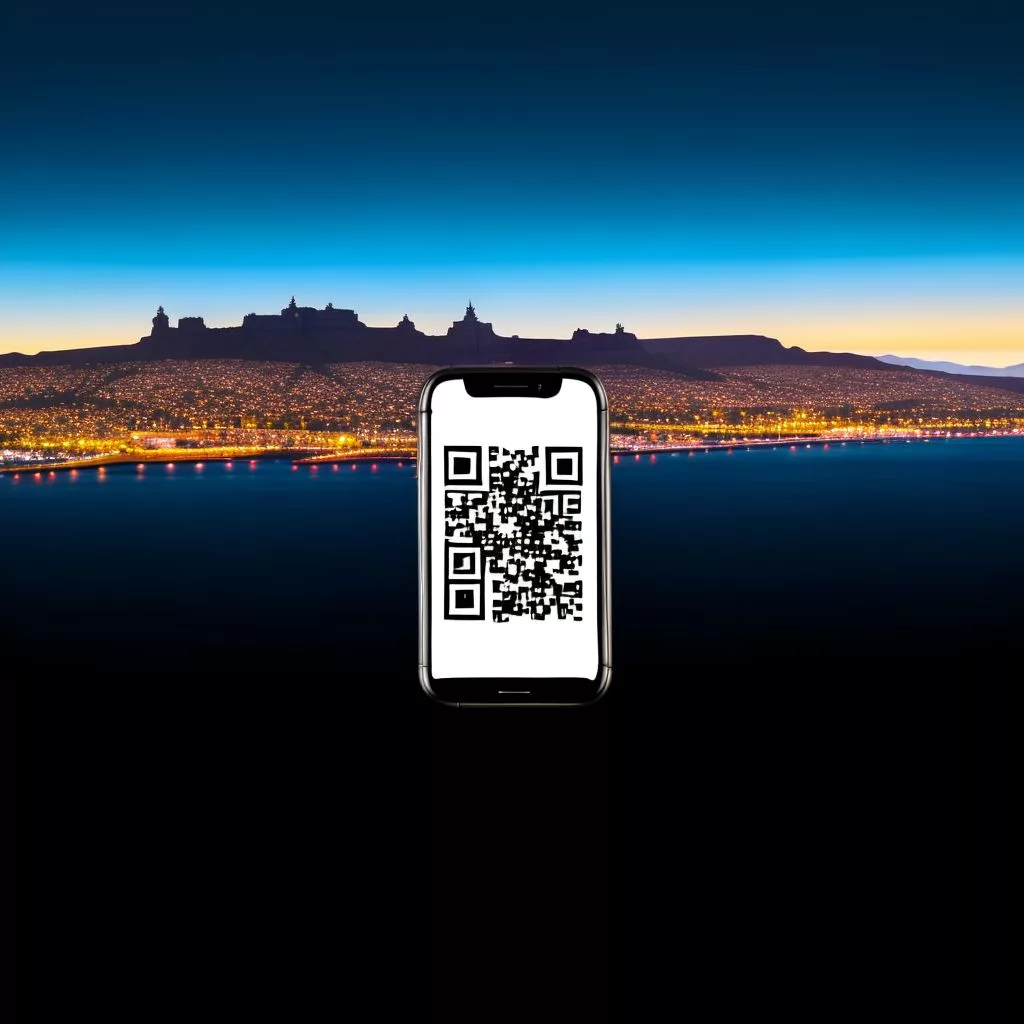
Recent years have seen Cape Town expand its technological ambitions even further. Municipal bills now come with QR codes, enabling residents to scan and pay instantly using their smartphones – a feature unimaginable in the analog days of rotary phones and carbon paper. The city’s online portals go beyond billing, offering tools for tracking water consumption, checking property values, and engaging with an array of local government services. This broad embrace of digital solutions positions Cape Town alongside leading cities worldwide that use technology to foster transparency, accountability, and public trust.
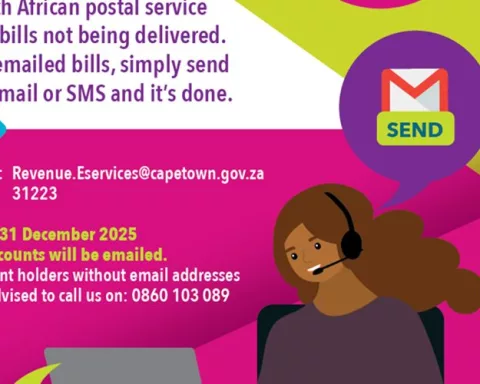
Transitioning to digital billing remains accessible for all. Residents can easily register by emailing their account details to a dedicated address or by sending an SMS to a short code. Those without digital access can call a customer service line, where staff are ready to guide them through the process or arrange suitable alternatives. The city’s flexible approach ensures that innovation does not leave anyone behind, recognizing the varied pace at which different people adapt to change.
Lessons from the World and a Path Forward
Cape Town’s digital journey mirrors trends seen in other global cities, particularly in Scandinavia, where paper correspondence has long been phased out. These examples highlight both the promise and the pitfalls of rapid digital transformation. The most successful transitions prioritize accessibility and ongoing support, making sure that no one falls through the cracks as new systems take hold.
Learning from these international case studies, Cape Town tailors its rollout to suit the local context. The city’s urban fabric – where historic Victorian houses neighbor sleek modern offices – symbolizes its embrace of both heritage and progress. The move to digital billing exemplifies a confidence in innovation that remains rooted in the values of community engagement and practical care.
The city’s strategy draws on the optimism of past visionaries who celebrated speed and technology, yet avoids their occasional dismissal of tradition. Cape Town’s commitment to both progress and inclusion ensures the transition feels less like a rupture and more like a thoughtful evolution. As January 2026 approaches, residents can choose whether to adopt digital billing or seek help with alternative arrangements, knowing that the city stands ready to assist at every step.
This transformation does not simply mark an administrative milestone; it signals Cape Town’s readiness to innovate without sacrificing the human touch. By blending efficiency with empathy, the city offers a model for others and reaffirms its role as a dynamic, resilient community – one that honors its past even as it shapes its future.
What is Cape Town’s plan for transitioning from paper to digital municipal billing?
Cape Town will fully switch from paper to digital municipal billing by January 1, 2026. Instead of receiving paper bills by mail, residents will get their municipal invoices via email. This transition aims to improve efficiency, reduce paper waste, and offer convenient payment options such as QR codes that enable instant payment via smartphones. The city also prioritizes inclusivity by providing assistance and alternative solutions for residents who may lack internet access or digital skills.
How can residents sign up for digital billing?
Residents can register for digital billing by emailing their account details to a dedicated municipal email address or by sending an SMS to a designated short code. Additionally, those without easy digital access can call the city’s customer service line for help signing up or to arrange alternative billing methods. This flexible approach ensures that all residents have support during the transition.
What are the main benefits of switching to digital municipal bills?
Switching to digital billing offers several key benefits:
- Faster bill delivery: Bills arrive instantly via email, reducing delays and the risk of late payments.
- Convenient payment methods: QR codes on bills allow quick scanning and payment from smartphones.
- Environmental impact: The city will save thousands of trees and reduce ink and paper waste.
- Cost savings: Reduced printing and postal expenses free up funds for public services and infrastructure.
- Better record keeping: Digital bills provide easy, retrievable proof of residence and payment.
How is Cape Town ensuring inclusivity during this digital transition?
Recognizing that not all residents have internet access or are digitally savvy, Cape Town is committed to inclusivity by:
- Offering personal assistance through customer service centers.
- Providing alternative billing and payment options for those without email.
- Encouraging residents to register by the end of 2025 to ensure a smooth transition.
- Actively working to bridge the digital divide by supporting vulnerable and less-connected communities.
Will the paper bills completely stop after January 2026?
Yes, starting January 1, 2026, Cape Town will cease printing and mailing paper municipal bills as part of its full transition to digital billing. However, the city will continue to offer alternative arrangements and assistance for residents who cannot access digital services to avoid leaving anyone behind.
How does Cape Town’s digital billing initiative compare to global trends?
Cape Town’s digital billing transition aligns with global trends seen in many advanced cities, particularly in Scandinavia, where paper correspondence has long been phased out. These cities prioritize accessibility, user-friendly digital tools, and ongoing support to ensure no residents are excluded. Cape Town adapts these lessons by blending innovation with a strong sense of community and heritage, making the transition inclusive, practical, and respectful of its diverse population.