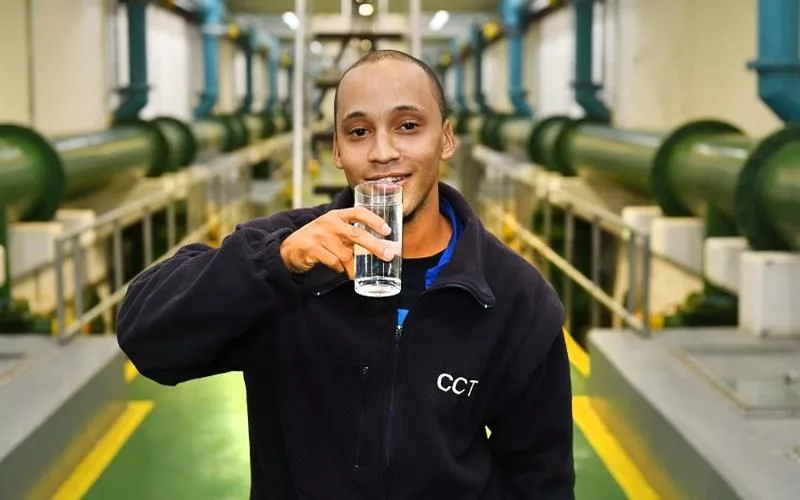
Cape Town is famous for its beautiful views and lively culture, but it also shines for its amazing tap water. The city works hard to ensure that its water is safe, clean, and affordable, costing only 6 to 8.5 cents per liter. With strict checks and tests every week, Cape Town keeps its water free from harmful germs and chemicals, achieving over 99% safety compliance. This commitment to quality not only protects the health of its people but also builds trust between the city and its residents, making Cape Town a shining example of great water management for others to follow.
What Makes Cape Town’s Tap Water Quality Exceptional?
Cape Town’s tap water is celebrated for its outstanding quality, consistently meeting SANS 241:2015 standards. With over 99% compliance in microbiological safety, rigorous weekly monitoring, and affordable prices (6 to 8.5 cents per liter), the city ensures residents have access to safe and reliable drinking water.
Cape Town, renowned for its stunning scenery and vibrant cultural scene, also boasts another noteworthy feature – its exceptional tap water quality. The city demonstrates an unwavering commitment to providing residents with safe, high-quality, and affordable drinking water, as outlined in its latest annual report covering the period from July 2023 to June 2024. This achievement reflects Cape Town’s dedication to public health and sustainable environmental practices.
Unmatched Water Quality and Accessibility
Cape Town’s tap water consistently meets and often surpasses the stringent SANS 241:2015 quality standards, showcasing the city’s promise to deliver not just safe but economically accessible water. While bottled water can be priced as high as R15 per liter, tap water in Cape Town costs only 6 to 8.5 cents per liter, ensuring affordability for all residents. This cost-effective access to quality water alleviates financial burdens on the community while maintaining public health.
The city’s ability to provide high-quality water at such a low cost is not only a regulatory achievement but also a testament to its investment in public welfare. This commitment allows residents to enjoy safe and reliable drinking water directly from their taps, reinforcing the city’s role in safeguarding public health.
Rigorous Monitoring and Excellence in Water Quality
Maintaining such high standards requires meticulous diligence. Cape Town implements a rigorous monitoring system, collecting approximately 200 water samples each week from various locations. This extensive network – comprising 10,800 kilometers of pumps, reservoirs, and pipelines – is monitored by the Water and Sanitation’s Scientific Services teams. Their vigilant efforts ensure that the water remains free of harmful pathogens, achieving over 99% compliance in acute microbiological quality.
The chemical composition of the water is also closely watched. Regular testing shows results well within the safe limits set by the SANS 241:2015 standards, guaranteeing that Cape Town’s water poses no chemical health risks. Furthermore, the water’s aesthetic quality – encompassing taste, color, and odor – meets consumer expectations, making it not only safe but also pleasant to consume. This comprehensive monitoring and quality assurance process ensures that residents can trust the safety and quality of their tap water.
Transparency and Community Engagement
Transparency is a cornerstone of Cape Town’s water management strategy. To keep the community informed, the city publishes quarterly water quality reports on its official website. This open access to information fosters trust and accountability. Additionally, residents can find updates on water quality through the National Department of Water and Sanitation’s ‘My Water’ page, offering an additional layer of transparency.
The Annual Water Quality Analysis Report for the period July 2023 to June 2024 is available online, allowing those interested to explore the specifics of Cape Town’s water system in detail. To further bolster community trust and understanding, the city provides a water quality assurance video, educating residents about its processes and successes. These efforts strengthen the bond between the municipality and its citizens, reinforcing a shared commitment to high-quality water.
Historical Lessons and Resilience in Water Management
Cape Town’s commitment to superior water quality has deep historical roots. The city has long invested in its water infrastructure, learning and adapting through past challenges. The severe drought from 2017 to 2018 serves as a poignant reminder of the city’s vulnerability. During this critical period, the threat of “Day Zero” – when the city’s taps could run dry – loomed large. However, through concerted efforts, including water-saving campaigns and infrastructure investments, Cape Town not only averted disaster but emerged with a renewed focus on sustainability and resource management.
These experiences have shaped Cape Town’s existing water policies, emphasizing conservation, quality assurance, and strategic planning. The city has invested in advanced water treatment technologies and infrastructure, further enhancing its ability to maintain exceptional water quality. These historical lessons continue to guide Cape Town’s present and future strategies in water management.
Cultural Reflections on Water’s Significance
Water has always held a significant place in Cape Town’s cultural and artistic landscape. The city’s unique location, where the Atlantic and Indian Oceans meet, inspires artists and writers alike. Water, with its life-giving properties and symbolic meanings, frequently appears in local art and literature as a symbol of renewal, resilience, and connectivity.
The city’s water narrative resonates with past and present artistic movements, from Impressionists capturing light on water to contemporary artists exploring themes of climate change and scarcity. This cultural appreciation broadens the community’s understanding of water not just as a vital resource but also as an essential element of inspiration and life.
A Global Model for Urban Water Management
Cape Town’s achievements in water management provide a valuable model for cities worldwide that face similar challenges. As urban populations grow and climate change exacerbates water scarcity, the need for sustainable and resilient water systems becomes ever more critical. Cape Town’s approach – characterized by rigorous quality control, transparency, and community engagement – offers important lessons in urban water management.
The city’s success in providing clean, affordable water serves as a benchmark for others striving to balance economic constraints with environmental responsibilities. By prioritizing transparency, investing in infrastructure, and fostering a culture of conservation, Cape Town illustrates how urban centers can sustainably manage water resources while ensuring public health and environmental protection.
While Cape Town’s accomplishments in water quality are commendable, the journey is ongoing. The city must continue to innovate, adapt, and invest in its water infrastructure to meet future challenges. By doing so, Cape Town can maintain its leadership in water quality management, ensuring that all its residents have access to safe, affordable, and sustainable drinking water. This unyielding commitment is crucial to sustaining the health and well-being of the community for generations to come.
FAQ about Cape Town’s Water Quality
What is the cost of tap water in Cape Town?
Cape Town offers tap water at an incredibly affordable price, costing only 6 to 8.5 cents per liter. This ensures that all residents have access to safe and reliable drinking water without financial strain.
How does Cape Town ensure the safety of its tap water?
Cape Town conducts rigorous monitoring to maintain water safety. The city collects approximately 200 water samples each week from various locations and achieves over 99% compliance in microbiological safety. Regular testing also ensures that the chemical composition of the water meets the safe limits established by the SANS 241:2015 standards.
What steps does Cape Town take to promote transparency in water quality?
Cape Town prioritizes transparency by publishing quarterly water quality reports on its official website. Residents can also access the Annual Water Quality Analysis Report and view updates through the National Department of Water and Sanitation’s ‘My Water’ page. Additionally, the city provides a water quality assurance video to educate the community about its processes and successes.
How did Cape Town overcome past water challenges?
Cape Town faced a severe drought from 2017 to 2018, which highlighted the city’s vulnerability and the threat of “Day Zero.” By implementing water-saving campaigns, investing in infrastructure, and focusing on sustainable practices, the city not only avoided disaster but emerged with a renewed commitment to resource management and conservation.
How does Cape Town’s water management serve as a model for other cities?
Cape Town’s achievements in water quality and management are a valuable model for cities worldwide. The city exemplifies rigorous quality control, transparency, and community engagement, offering lessons in how urban centers can sustainably manage water resources while ensuring public health and environmental protection.
What cultural significance does water hold in Cape Town?
Water is deeply woven into Cape Town’s cultural and artistic landscape. The city’s unique geographical location inspires artists and writers, making water a recurring symbol in local art and literature. It represents life, renewal, resilience, and connectivity, enriching the community’s understanding of water beyond its practical use.