DHL Stadium stands out as a shining example of smart and eco-friendly design in sports. With its special hybrid pitch that blends grass and synthetic fibers, it can handle much more use than regular fields, making it perfect for all kinds of events. The stadium has hosted over 200 events, attracting huge crowds and boosting the local economy. Recognized for its impressive project management and sustainability efforts, DHL Stadium is not just a sports venue; it’s a vibrant hub for the community and a leader in modern stadium management.
What Makes DHL Stadium a Model of Innovation and Sustainability?
DHL Stadium exemplifies innovation and sustainability through its hybrid pitch technology, effective project management, and eco-friendly practices. The stadium repurposed materials, improved irrigation systems, and hosted over 200 events, significantly benefiting the local economy and setting new standards in sports infrastructure.
Celebrating Excellence in Sports Infrastructure
The recent recognition of DHL Stadium by the International Project Management Association (IPMA) marks a pivotal achievement in sports and events infrastructure. This accolade, a Gold award for the pitch replacement project, underscores the diligent planning, technical prowess, and sustainable methods that defined this venture. Acknowledgment from such a prestigious global institution reinforces the stadium’s unwavering commitment to quality, creativity, and eco-friendly practices.
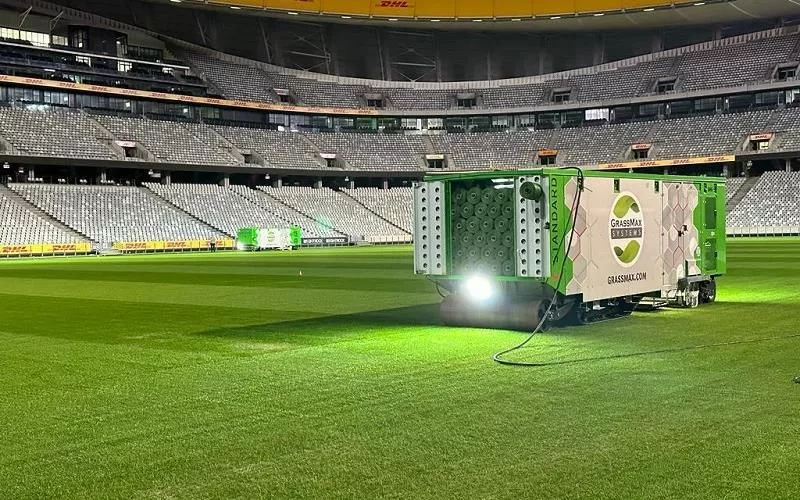
Central to this project was the transformation of the stadium’s playing field from traditional grass to a cutting-edge hybrid system. This advanced surface, which integrates natural grass with synthetic fibers, places DHL Stadium alongside elite venues like Twickenham and Stade de France. Beyond innovation, the hybrid pitch’s ability to withstand nearly six times more usage than conventional fields highlights its remarkable durability, with an expected lifespan of 15 years. This resilience allows the venue to host a diverse range of events, from international rugby and football matches to high-energy concerts, without prolonged recovery periods typical of standard grass pitches.
Effective project management under tight timelines further exemplifies this success story. With a strict 12-month schedule coinciding with the 2023 Rugby World Cup, the project team faced immense pressure to deliver without compromise. Utilizing detailed scheduling and agile management techniques, they adeptly navigated the project’s complexities. For instance, when adverse weather delayed the shipment of hybrid grass, the team efficiently adjusted timelines to maintain the overarching schedule’s integrity. This precision in overcoming unforeseen challenges was crucial to the project’s successful completion.
Integrating Sustainability and Economic Growth
Sustainability was a cornerstone of the project. By repurposing 1,750 cubic meters of excavated material, the team showcased a strong commitment to environmental stewardship. Enhancements to the irrigation system further demonstrated dedication to resource efficiency and sustainable practices. These efforts mirror a growing industry trend towards eco-friendly operations, setting a standard for future stadium management and construction projects.
Since the project’s completion, DHL Stadium has witnessed a significant increase in activity, hosting over 200 events and attracting more than 500,000 spectators. This surge not only solidifies the venue’s reputation as a premier event location but also bolsters the local economy. The influx of visitors has fueled growth for local businesses, such as vendors, hotels, and service providers, underscoring the stadium’s role as a catalyst for regional economic development.
Gina Woodburn, CEO of DHL Stadium, expressed immense pride in the project’s success, lauding the team’s dedication and the stadium’s enhanced capacity to host back-to-back events. She acknowledged the economic and community benefits facilitated by the project, reinforcing the stadium’s status as a model of infrastructure excellence. Cape Town Mayor Geordin Hill-Lewis echoed these sentiments, highlighting the stadium’s emerging prominence as a preferred venue for major events in South Africa.
Expanding Beyond Sports: A Multifaceted Venue
The awards ceremony celebrating DHL Stadium’s achievements was a notable event, drawing 600 delegates from 40 countries for a two-and-a-half-day conference. This gathering not only celebrated the project’s success but also showcased the stadium’s capacity to host large-scale events beyond sports. With a sprawling 6,000 square meter space, DHL Stadium is well-suited for conferences and corporate functions, broadening its appeal as a versatile venue.
Beyond its physical attributes and award-winning initiatives, DHL Stadium plays an integral role in Cape Town’s cultural and sporting landscape. It serves as a dynamic venue, accommodating various activities from sports to community and corporate gatherings. The stadium’s ability to transition seamlessly between different types of events underscores its importance not just as a sports venue but as a pillar of Cape Town’s vibrant cultural scene.
Setting New Standards in Stadium Management
In the wider context of stadium management and event hosting, DHL Stadium establishes a new standard. Its innovative approach to pitch management, coupled with sustainable practices and a focus on community impact, presents a model for modern stadiums globally. As urban centers continue to evolve, the demand for adaptable, sustainable, and economically beneficial venues becomes increasingly critical. DHL Stadium illustrates how infrastructure can evolve to meet these demands, ensuring it remains a key player in the global arena of sports and events.
Through its achievements, DHL Stadium not only enhances its own status but also inspires other venues worldwide to embrace change and prioritize sustainability. The stadium’s journey from conception to award-winning status serves as a testament to the power of visionary thinking, dedicated execution, and an unwavering commitment to excellence. As the landscape of sports and events continues to shift, venues like DHL Stadium will undoubtedly lead the way toward a more sustainable and innovative future.
“`markdown
What is the significance of the hybrid pitch at DHL Stadium?
The hybrid pitch at DHL Stadium is a blend of natural grass and synthetic fibers, allowing it to withstand nearly six times more usage than traditional grass fields. This innovative design not only enhances durability but also enables the stadium to host a diverse range of events, including rugby, football, and concerts, without long recovery periods.
How has DHL Stadium contributed to the local economy?
Since its recent renovations and improvements, DHL Stadium has hosted over 200 events, attracting more than 500,000 spectators. This influx of visitors has positively impacted local businesses such as vendors, hotels, and service providers, reinforcing the stadium’s role as a catalyst for regional economic development.
What awards has DHL Stadium received for its project management?
DHL Stadium was recognized with a Gold award from the International Project Management Association (IPMA) for its pitch replacement project. This accolade highlights the effective project management, technical skills, and sustainable methods employed during the project, showcasing the stadium’s commitment to quality and eco-friendly practices.
How does DHL Stadium embody sustainability?
Sustainability is a core element of DHL Stadium’s operations. The recent project involved repurposing 1,750 cubic meters of excavated material and enhancing the irrigation system for better resource efficiency. These efforts reflect a broader trend in the sports industry towards eco-friendly practices and set a benchmark for future stadium construction and management.
What types of events can be hosted at DHL Stadium?
DHL Stadium is designed as a multifaceted venue, capable of hosting a wide range of events. In addition to sports, it accommodates conferences, corporate functions, and community gatherings. Its expansive 6,000 square meter space makes it suitable for large-scale events, demonstrating its versatility beyond just being a sports venue.
How does DHL Stadium set a standard for modern stadiums?
DHL Stadium exemplifies modern stadium management through its innovative pitch technology, sustainable practices, and focus on community impact. By integrating these elements, it serves as a model for other venues globally, illustrating how infrastructure can adapt to meet growing demands for sustainability and economic benefit in urban settings.
“`