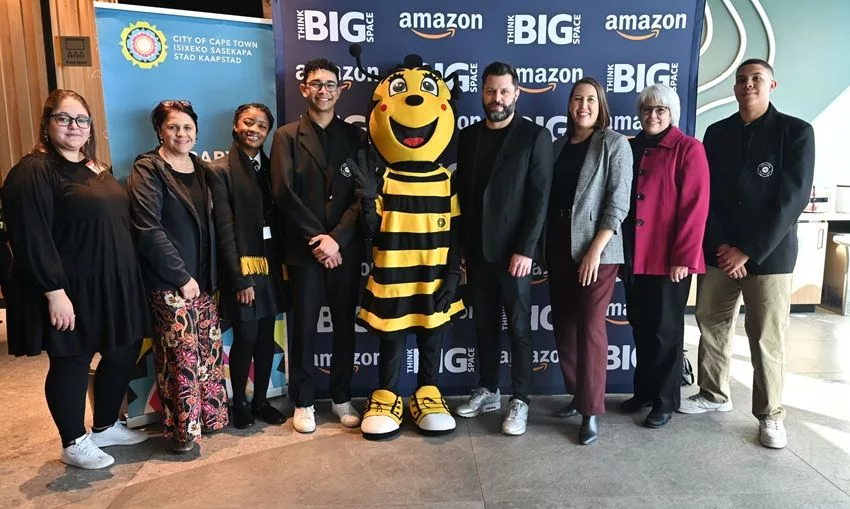
During National Science Week, Cape Town’s libraries come alive with fun, hands-on STEAM activities like coding, experiments, and creative workshops. They open doors for all kids – especially girls and those from underserved areas – to explore science and technology, sparking curiosity and confidence. These libraries aren’t just places for books anymore; they’re buzzing hubs where imagination and learning meet, inspiring the next generation of thinkers and makers.
How do Cape Town’s libraries contribute to National Science Week and STEAM education?
Cape Town’s libraries transform into interactive hubs during National Science Week by offering hands-on STEAM workshops, coding sessions, and science experiments. They promote inclusive learning, inspire youth participation, support girls in STEAM, and provide access to advanced technology, fostering curiosity and opportunity citywide.
Igniting Curiosity: How Cape Town’s Libraries Power Science Week
Welcoming a New Era of Learning
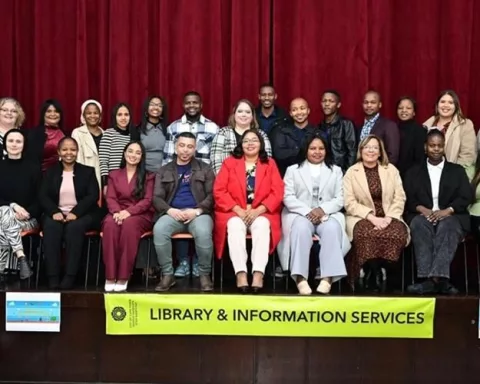
On a crisp morning in Observatory, excited students from Cape Town’s neighborhoods gathered in the Amazon Auditorium, ready to kick off National Science Week. This annual event wasn’t merely about experiments and science kits – it symbolized the pivotal role libraries play as dynamic centers for inspiration, learning, and innovation. Across thirty-three library branches, stretching from the vibrant community of Kraaifontein to the coastal charm of Simon’s Town, anticipation was palpable as plans for hands-on workshops and creative activities took shape.
Councillor Francine Higham opened the event, her address full of enthusiasm for the transformative power of libraries. She emphasized that modern libraries serve as more than traditional book repositories; they are now gathering places for collaboration, curiosity, and community growth. Her words resonated with everyone present, underlining how libraries continue to adapt and stay vital despite the rise of digital distractions.
The event’s launch set the tone for a week where imagination could unfold freely. The open invitation to all students and learners highlighted a vision for inclusive education – one where every child, regardless of their background, could find a foothold in discovery and intellectual adventure.
Embracing STEAM: Where Science Meets Creativity
This year’s focus on STEAM – Science, Technology, Engineering, Art, and Mathematics – marks a shift from traditional education models. Instead of siloing science from the arts, the STEAM approach recognizes that innovation often happens where disciplines intersect. By weaving together logic, creativity, and critical thinking, libraries are fostering a new generation of well-rounded problem-solvers.
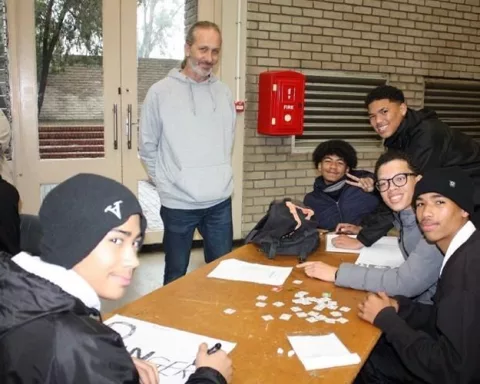
During Science Week, libraries across the city buzz with interactive sessions. Coding and robotics workshops take place alongside hands-on chemistry experiments, while career talks introduce learners to future possibilities in rapidly evolving fields. At Brown’s Farm Library, students light up as they animate digital characters with beginner-friendly code. In Goodwood, participants mix colors and chemicals, creating vibrant abstract art while learning the science behind reactions.
Rather than just imparting facts, these programs invite children and teens to experience the thrill of discovery. When a young learner watches a robot navigate a maze or sees color swirl inside a test tube, they don’t just memorize information – they develop an enduring sense of wonder. Such moments can change the trajectory of lives, inspiring future scientists, artists, and leaders.
Libraries have evolved from mere information depots into interactive learning hubs. By embracing the spirit of the Renaissance – where boundaries between disciplines faded – Cape Town’s libraries are helping to cultivate versatility and curiosity in their communities.
Libraries as Gateways to Opportunity
Cape Town’s libraries draw a unique map of both hope and the ongoing quest for equal access. Communities such as Gugulethu or Mamre, which have long struggled with limited resources, now find themselves at the center of exciting educational opportunities. Throughout Science Week, these branches introduce local youth to technologies and experiences that might otherwise remain out of reach: virtual reality headsets, robotics kits, and live science demonstrations reshape what’s possible.
This inclusive approach carries deep social significance. Even decades after apartheid, educational inequality lingers in many parts of South Africa. In this context, libraries step forward as bridges – ensuring that knowledge, resources, and opportunities are not reserved for a privileged few. The city’s commitment to broad participation, through partnerships with universities, NGOs, and businesses, reflects a global movement toward collaborative learning ecosystems. Similar models thrive in cities worldwide, recognizing that no single organization can meet all of today’s educational needs alone.
The Cape Town Science Centre plays a pivotal role, lending expertise and advanced technology to Science Week’s schedule. Private sector involvement introduces students to the tools and ideas shaping tomorrow’s workforce. Imagine a group of learners gathered around a 3D printer, watching as intricate models come to life, while facilitators explain how similar technology is revolutionizing architecture and medicine.
Uplifting Youth Voices Through Participation
A particularly exciting moment during the launch was the announcement of the Teen Champion Competition winner. Joie Lomboto, just fifteen, won over the judges with her heartfelt vision of libraries as “launchpads for dreams.” Her story highlighted libraries as places where young people can discover, imagine, and belong.
Celebrating youth voices in this way is more than a symbolic gesture. It reflects a new educational philosophy that values participation and self-expression. Instead of simply transmitting knowledge, libraries are inviting young people to shape and share their own ideas. Through contests, peer-led workshops, and collaborative activities, students gain a sense of agency and confidence.
This approach echoes progressive thinkers like Paulo Freire, who believed education thrives when learners actively engage and co-create knowledge. By putting young people at the heart of Science Week, Cape Town’s libraries are nurturing a culture where curiosity, creativity, and leadership can flourish.
Spotlight on Women in STEAM: Breaking Barriers
August holds special meaning in South Africa as Women’s Month, commemorating the historic march of 20,000 women against apartheid pass laws in 1956. Science Week honors this legacy by actively encouraging girls and young women to explore the world of STEAM.
Library displays feature profiles of accomplished women in science and technology, including urban planner Dr. Nolulamo Gwagwa and Professor Salome Maswime in global surgery. These role models show young women they can shape the future in any field they choose. Workshops at places like Nyanga Library bring girls together to design and build engineering projects, with female mentors offering both technical guidance and encouragement.
The commitment to supporting girls in STEAM aligns with international goals for gender equality. Organizations such as UNESCO and the African Union recognize that closing the gender gap in science and technology is vital for sustainable progress. Cape Town’s libraries, through their targeted outreach and programs, contribute to meaningful change – helping every learner, regardless of gender, see a place for themselves in the world of innovation.
Libraries: Engines of Change and Community
The story of Cape Town’s libraries is one of transformation. Once primarily quiet reading rooms for a select few, these spaces have evolved into vibrant centers of community life and opportunity. Over the years, librarians, educators, and activists have worked to make these resources accessible to all, recognizing libraries as engines of democratic learning and personal empowerment.
Today, their engagement with National Science Week marks a new chapter. By integrating art and technology, championing diversity, and building partnerships, libraries are redefining their mission for the 21st century. Their impact extends far beyond the week’s events, leaving lasting impressions on learners, families, and neighborhoods.
Throughout Science Week, librarians serve as guides and facilitators, helping visitors navigate new ideas and experiences. Parents, local leaders, and educators all play a role, ensuring that each library becomes a lively hub for exploration and community connection.
A Future Shaped by Curiosity
As Science Week spreads across Cape Town, each library becomes a vital thread in the fabric of lifelong learning. Children in Hangberg experiment with electronics, while storytellers in Edgemead bring the wonders of science to life through local legends. The enthusiasm and dedication of librarians, teachers, and volunteers ensure that these moments of inspiration ripple outward, touching more lives with each passing day.
Libraries now stand as gateways to possibility, ready to help the next generation dream bigger and reach further. By championing STEAM education, embracing collaboration, and celebrating the voices of all learners, they show that the pursuit of knowledge is not only alive in Cape Town – it is thriving.
For every child who walks through a library’s doors during Science Week, the adventure is just beginning. In this community of curiosity, imagination finds its wings, and the future grows brighter with every question asked and answered.
FAQ: Cape Town Libraries and National Science Week STEAM Activities
1. What role do Cape Town’s libraries play during National Science Week?
During National Science Week, Cape Town’s libraries transform into vibrant hubs offering interactive, hands-on STEAM (Science, Technology, Engineering, Art, and Mathematics) activities. These include coding sessions, robotics workshops, science experiments, and creative projects that encourage curiosity and learning among children and teens. The libraries serve as inclusive spaces where youth from all backgrounds – especially girls and underserved communities – can explore and engage with science and technology in fun, meaningful ways.
2. How do the STEAM programs in Cape Town libraries support girls and underserved communities?
Cape Town’s libraries actively promote gender inclusivity and social equity during Science Week by providing targeted workshops and mentoring opportunities for girls and youth from underserved areas. For example, workshops at Nyanga Library focus on engineering projects led by female mentors, offering both technical skills and encouragement. Additionally, libraries in historically disadvantaged neighborhoods like Gugulethu and Mamre provide access to advanced technology such as virtual reality and robotics kits, helping to bridge the educational resource gap and inspire future innovators.
3. What kinds of STEAM activities can children expect to participate in at these libraries?
Children and teens can engage in a wide variety of activities including beginner coding and robotics, chemistry experiments, digital art creation, 3D printing demonstrations, and interactive science talks. For instance, at Brown’s Farm Library, students animate digital characters through coding, while at Goodwood Library, participants create colorful chemical reactions that blend art with science. These activities are designed to be hands-on and exploratory, fostering a lasting sense of wonder and problem-solving skills.
4. How do Cape Town’s libraries collaborate with other organizations during Science Week?
The libraries partner with the Cape Town Science Centre, universities, NGOs, and private sector companies to enhance the quality and reach of their programs. These collaborations bring in expertise, advanced technologies, and resources such as 3D printers and virtual reality headsets, enriching the learning experience. This networked approach reflects a global trend towards collaborative educational ecosystems, where multiple stakeholders work together to provide diverse, accessible learning opportunities.
5. Why is it important for libraries to emphasize STEAM education and youth participation?
Focusing on STEAM education and actively involving youth helps develop critical 21st-century skills like creativity, logical thinking, and adaptability. By encouraging participation through competitions, peer-led workshops, and leadership opportunities, libraries foster a sense of agency and confidence among young learners. This approach aligns with progressive educational philosophies that value co-creation and learner empowerment, ultimately nurturing the next generation of thinkers, makers, and leaders.
6. How do Cape Town’s libraries contribute to broader social goals through Science Week?
Beyond education, Cape Town’s libraries act as engines of social change by promoting equal access to knowledge and technology, helping to address lingering inequalities from the apartheid era. Their programs support gender equality, community development, and lifelong learning. By inspiring diverse youth populations and creating inclusive spaces for discovery, the libraries advance goals endorsed by organizations like UNESCO and the African Union, contributing to sustainable progress and a more equitable future.