Rising library leaders in Cape Town are turning libraries into lively, creative spaces where tradition meets fresh ideas. Through programs like SILL, they are learning to lead with imagination, using games, digital skills, and community teamwork to make libraries places where everyone feels welcome. Young librarians bring energy and new ways of thinking, while older mentors share wisdom, creating a strong, caring community. These libraries are no longer quiet rooms but buzzing hubs of learning, culture, and connection for all ages. Together, they are shaping a bright future where libraries inspire and empower everyone in the city.
How are rising library leaders transforming Cape Town’s libraries?
Rising library leaders in Cape Town are redefining libraries by blending tradition with innovation. Through programs like SILL, they foster creativity, digital skills, and community engagement, turning libraries into vibrant hubs for learning, collaboration, and cultural inclusion that serve diverse local needs.
A Celebration of Growth and Transformation
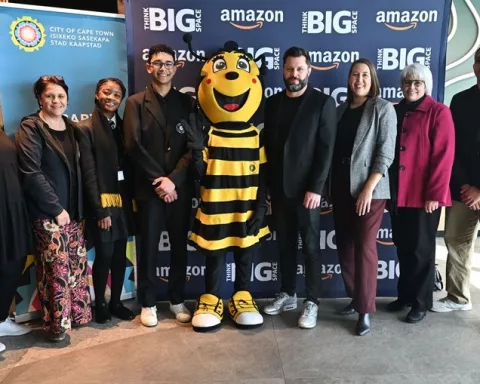
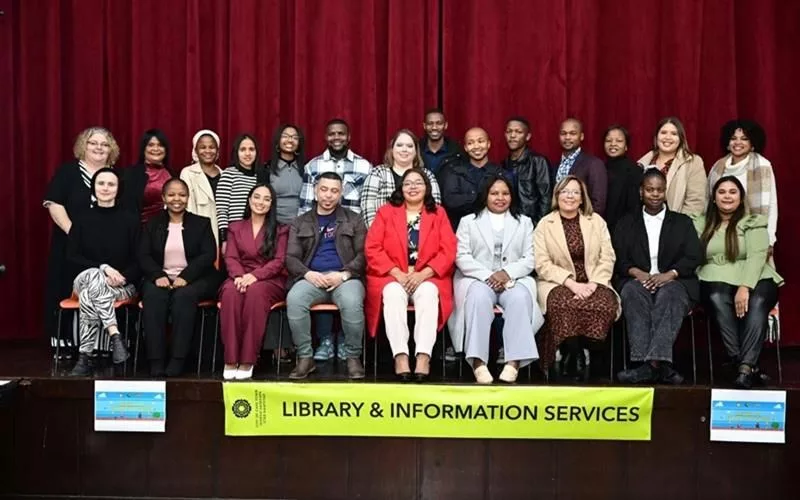
A bright and palpable buzz filled the Cape Town Civic Centre on a chilly July morning. This wasn’t just another day; it was World Librarians Day, a moment reserved for honoring the gatekeepers of knowledge. On this occasion, twenty-three librarians, adorned in ceremonial attire, gathered to commemorate an important milestone – the completion of the Strengthening Innovative Library Leaders (SILL) program. Their graduation marked not just personal achievement, but a significant shift in the city’s approach to public libraries – an embrace of innovation woven through with respect for tradition.
The celebratory gathering brought together professionals who had devoted five intense weeks to rethinking the meaning of librarianship. Their journey reflected a broader transformation in the city’s libraries – from quiet archives of books to vibrant community centers that pulse with creativity and serve as catalysts for change. The mood inside the Civic Centre was more than festive; it felt like the dawn of a new era, where libraries are both keepers of heritage and pioneers of the future.
A sense of momentum radiated from the group, hinting at deeper changes underway. As these newly minted leaders stood together, they embodied not just the values that have long defined libraries – access, inclusivity, and service – but also a bold readiness to tackle the evolving needs of Cape Town’s diverse communities.
SILL: Rethinking What It Means to Lead
The Strengthening Innovative Library Leaders program, first developed at the esteemed Mortenson Center for International Library Programs, serves as a template for the libraries of tomorrow. The SILL curriculum places leadership, original thinking, and adaptability at the heart of professional development. By drawing inspiration from the cross-disciplinary spirit of Bauhaus and the socially conscious ethos of past artistic movements, SILL encourages librarians to see their roles through a fresh lens, blending the discipline of stewardship with the spark of invention.
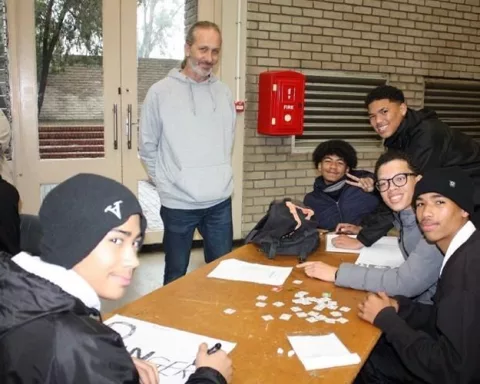
Over the course of five weeks, participants immersed themselves in a range of modules that explored not only traditional leadership skills but also the nuances of fostering creativity among the youth. This year’s theme – “Learning to play the game” – challenged them to move beyond conventional approaches. They experimented with methods to bring game-based learning and collaborative problem-solving into library spaces, transforming staid environments into active, collaborative hubs.
The experience went beyond training; it was a call to action. By empowering librarians to experiment and take creative risks, the program helped them cultivate spaces where curiosity thrives. Collaboration became more than a goal; it evolved into a daily practice, echoing the iterative, community-driven methods of design thinking and open-source culture.
New Faces, New Energy: The Changing Demographics of Cape Town Libraries
The face of librarianship in Cape Town has changed dramatically over the past few years. Veteran librarian Miriam van der Westhuizen, reflecting on her colleagues, remarked on the vitality brought by the younger generation. In just three years, the city welcomed thirty-two librarians aged between 24 and 35, which effectively doubled the number of young professionals in the system. These dynamic newcomers inherit a legacy rich in service and tradition – spanning thousands of years collectively – while bringing with them a natural affinity for digital tools and an awareness of global trends.
Mentorship plays a crucial role in this evolving landscape. Seasoned professionals provide guidance rooted in decades of experience, while younger librarians inject new ideas and challenge established norms. Rather than passively absorbing tradition, these emerging leaders actively reshape it. They blend analog wisdom with digital fluency, drawing on diverse inspirations from art movements known for their playfulness and critical edge.
This intergenerational exchange does more than keep libraries relevant; it ensures that they remain responsive to the changing needs of patrons. By honoring the lessons of the past and welcoming the energies of the present, Cape Town’s libraries stand as living institutions – constantly learning, growing, and adapting.
Libraries as Living Labs for the Community
Talk to any SILL graduate, and you’ll quickly sense their renewed sense of purpose. Nandi Mthembu, one recent participant, shared how her graphic novel club became a haven for local teenagers. “They come for the stories, but they stay because they feel they belong,” she explained. Initiatives like these exemplify how libraries are becoming more than places to borrow books – they are evolving into dynamic launch pads where young people gather, collaborate, and find community.
In place of the old, hushed reading rooms, workshops now hum with animated discussion. Digital literacy sessions and creative problem-solving activities foster environments where experimentation and engagement reign. SILL alumni champion these new spaces, where design thinking principles – such as iterative learning and inclusivity – take center stage.
Creative zones and pop-up studios have appeared in branches across Cape Town, providing room for artists, coders, and young writers to work together. This shift not only meets the needs of today’s youth but also mirrors successful strategies seen in forward-thinking libraries around the globe. By viewing their spaces as communal workshops, Cape Town’s libraries create opportunities for hands-on learning and community-led projects.
The Expanding Role of the Modern Librarian
On graduation day, Councillor Francine Higham’s remarks resonated with all present. She described how librarians now serve as mentors, problem-solvers, and coaches, moving well beyond traditional roles. Today’s librarians offer guidance on digital skills, support lifelong learning, and empower patrons to pursue their ambitions.
This transformation reflects shifts happening in libraries worldwide. Institutions from Helsinki to Medellín have reimagined themselves as vital civic centers, places where the public can gather to exchange ideas, learn, and engage. In Cape Town, the city’s 102 library service points illustrate this new model, providing not just access to books, but a full spectrum of educational and cultural programs.
By expanding their responsibilities, librarians have become central figures in their communities. They act as bridges to opportunity, delivering services that respond directly to the evolving landscape of information, technology, and education.
Embracing Diversity and Celebrating Language
World Librarians Day in South Africa centers on the theme “Twelve Languages, One Nation, One Wikipedia,” a celebration of the country’s rich linguistic diversity. This principle resonates every day inside Cape Town’s libraries, where visitors might hear any of the country’s twelve official languages spoken among the shelves. Librarians actively curate collections in multiple languages and develop programs that make the library accessible to all.
This commitment to linguistic inclusion recalls historic movements that championed literature as a form of empowerment and identity. By offering materials and programs in a range of languages, Cape Town’s libraries create welcoming spaces that reflect the city’s multicultural character. Moreover, patrons are encouraged to contribute to knowledge platforms like Wikipedia, strengthening both local voice and global connectivity.
Through these efforts, libraries bridge cultural gaps, foster a sense of unity, and help sustain the vibrancy and relevance of community life in a multilingual city.
Linking Generations to Strengthen Communities
Veteran librarians in Cape Town provide an invaluable link between past and present. With decades of experience, they recount stories that chronicle the library’s transformation – from the early days of card catalogs to the rise of digital platforms and makerspaces. Their mentorship echoes historic traditions, where skills and wisdom pass from one generation to the next.
The city encourages everyone to celebrate these dedicated professionals, whether by stopping in for a visit or sharing stories online. Public recognition not only honors the work of librarians but also reinforces the essential role libraries play in building civic pride and community cohesion.
By nurturing connections between generations, Cape Town’s libraries ensure that lessons learned over time continue to inform and inspire new initiatives. This synergy of old and new strengthens the city’s social fabric and positions libraries as enduring community anchors.
Innovation Anchored in Heritage
Cape Town’s libraries occupy a unique position where time-honored traditions intersect with cutting-edge innovation. Librarians rely on their heritage as a foundation, but continually adapt to serve contemporary needs. Many branches have introduced coding workshops, digital archives, and collaborative storytelling events, often in partnership with local schools and non-profits. These partnerships mirror global trends where libraries engage directly with their communities to design responsive programs and spaces.
A visit to Athlone Library, for instance, reveals a weekly podcasting workshop that draws young people eager to share their stories. Here, librarians coach participants through technical and creative challenges, helping every voice find its audience. Elsewhere, creative corners transform into bustling studios on weekends, where artists, programmers, and writers work side by side.
Such initiatives prove that libraries remain relevant by continually expanding what they offer – ensuring that everyone, regardless of background, has access to tools for learning, exploration, and self-expression.
Shaping the Future: The Art of Modern Librarianship
The contemporary librarian wears many hats: organizer, educator, innovator, and community builder. This hybrid role draws from a wide spectrum of skills and sensibilities, reminiscent of polymaths from past eras who moved effortlessly between disciplines. Today’s leaders balance careful stewardship of knowledge with the flexibility to adapt to new challenges and technologies.
Across Cape Town – and indeed, the world – library leaders like the SILL graduates represent the future. As information proliferates, populations shift, and digital challenges mount, adaptive and creative leadership becomes ever more essential. Empowered by their recent training, these librarians stand ready to shape spaces that resonate with the dynamic spirit of their city.
In the coming years, their vision and resilience will help libraries continue their transformation, ensuring that these institutions remain central to public life, learning, and innovation.
A Living Story, Written Every Day
Each day, Cape Town’s libraries write a new chapter in the ongoing story of transformation. Every workshop, club, and community gathering adds a thread to a vibrant narrative – one defined by leadership, collaboration, and imagination. As city leaders and communities invest in these vital spaces, they nurture more than just knowledge – they plant the seeds of hope and possibility for generations yet to come.
By championing both heritage and innovation, Cape Town’s librarians ensure that their libraries remain sanctuaries of learning and engines of progress – places where every resident can find inspiration, connection, and a sense of belonging.
What is the Strengthening Innovative Library Leaders (SILL) program?
The Strengthening Innovative Library Leaders (SILL) program is a five-week professional development initiative originally developed by the Mortenson Center for International Library Programs. It focuses on cultivating leadership, creativity, and adaptability among librarians. By incorporating game-based learning, digital skills, and community collaboration, SILL encourages librarians to rethink traditional roles and transform library spaces into vibrant hubs for innovation and engagement.
How are young librarians changing the face of Cape Town’s libraries?
In recent years, Cape Town’s library system has welcomed over thirty young librarians aged 24 to 35, effectively doubling the number of emerging professionals. These young librarians bring fresh energy, digital fluency, and global perspectives that complement the deep experience of veteran staff. Through mentorship and collaboration, they blend tradition with innovation, creating dynamic programs and spaces that better serve the diverse needs of the community.
What new roles do modern librarians play in Cape Town’s communities?
Modern librarians in Cape Town act as mentors, coaches, digital skills instructors, and community builders. Beyond managing books, they facilitate lifelong learning, support digital literacy, and empower patrons to pursue personal and professional goals. They organize workshops, creative clubs, and technology programs, making libraries vital civic centers where people of all ages can gather, learn, and connect.
How do Cape Town’s libraries embrace the city’s linguistic and cultural diversity?
Cape Town’s libraries champion linguistic inclusion by offering materials and programs in the city’s twelve official languages. This effort reflects the theme of “Twelve Languages, One Nation, One Wikipedia,” celebrated on World Librarians Day. Librarians create multilingual collections and engage patrons in contributing to knowledge platforms like Wikipedia, helping to preserve local languages and foster cultural unity within a diverse and multilingual community.
In what ways have library spaces in Cape Town evolved recently?
Library spaces in Cape Town have transformed from quiet reading rooms into lively “living labs” where creativity and collaboration thrive. Facilities now host graphic novel clubs, coding workshops, podcasting studios, and pop-up creative corners. These environments encourage experimentation, design thinking, and community-led projects, making libraries active centers for learning, culture, and social connection.
Why is mentorship important in the transformation of Cape Town’s libraries?
Mentorship bridges the experience of veteran librarians with the innovation of new professionals. Seasoned librarians provide guidance, institutional knowledge, and historical perspective, while younger librarians introduce digital skills and fresh ideas. This intergenerational exchange ensures that libraries remain responsive and relevant, fostering a strong, caring community that supports continuous growth and adaptation in service of Cape Town’s diverse population.