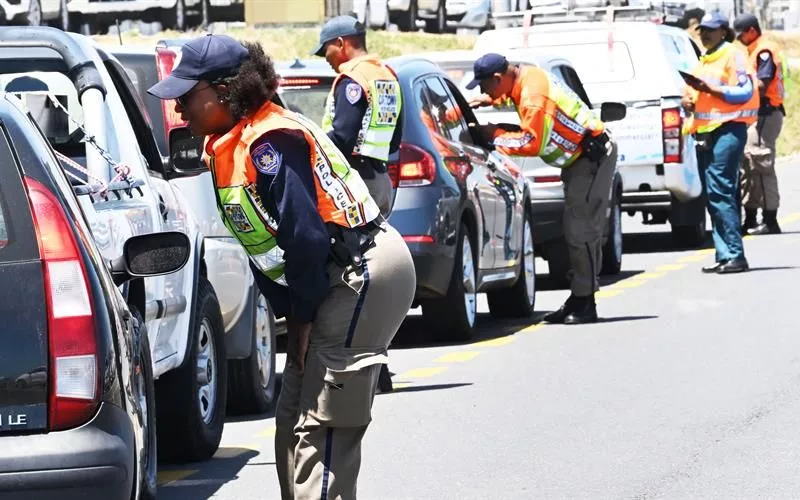
Smash-and-grab incidents in Cape Town are quick break-ins targeting valuables inside cars, often happening at traffic lights or busy intersections. Criminals look for easy targets like unlocked doors or visible items on seats. To stay safe, keep your valuables hidden or locked in the boot, always lock your doors and roll up windows, and stay alert especially in slow traffic. The city fights back with police patrols, CCTV cameras, and public awareness campaigns, but everyone’s watchfulness helps keep these crimes at bay. Together, Cape Town’s people and authorities work to make the streets safer for all.
What are smash-and-grab incidents in Cape Town and how can you stay safe?
Smash-and-grab incidents in Cape Town involve quick vehicle break-ins targeting valuables. To stay safe:
– Keep valuables out of sight or locked in the boot
– Lock doors and close windows, even during stops
– Stay alert, especially at traffic lights and in slow traffic
– Report suspicious activity to authorities promptly.
A City in Motion: Mapping the Smash-and-Grab Phenomenon
Cape Town pulses with movement, its roads a web connecting neighborhoods steeped in history and resilience. Yet, this network has become a stage for an unpredictable threat – smash-and-grab incidents that unsettle the rhythm of daily life. These crimes, committed in fleeting moments at busy intersections, have evolved with the city itself, adapting to shifts in traffic patterns, urban development, and economic pressures.
Certain areas consistently attract more attention from both criminals and law enforcement. The corridor stretching from Bonteheuwel to Langa stands out as a persistent hotspot, a fact confirmed by years of incident reports and police observation. However, recent trends highlight the emergence of new danger zones. Communities such as Leonsdale, Beaconvale, Foreshore, Elsies River Industria, Epping Industria, Milnerton, and Philippi have witnessed a surge in these opportunistic attacks, reflecting the fluid nature of urban crime.
The city’s CCTV systems recorded 215 smash-and-grab events between July 2024 and May 2025. While significant, this figure only scratches the surface, as not every incident unfolds in view of a camera or finds its way into official statistics. Many victims never report what happened, and in some locations, the absence of surveillance leaves a blind spot in the narrative. Thus, the true extent of the problem remains, in part, concealed within the city’s ever-shifting shadows.
Patterns of Opportunity: Timing, Tactics, and Target Selection
Smash-and-grab crimes follow a logic rooted in human behavior and routine. Analysis reveals clear temporal patterns: incidents spike during late afternoons and early evenings, as exhaustion and distraction set in among commuters. The close of the workday brings congestion, creating prime conditions for criminals seeking easy targets. Weekends amplify the risk further, as drivers often carry more personal belongings and lower their vigilance after a long week.
These crimes thrive on opportunity. Criminals look for unlocked doors, open windows, and valuables in plain sight – handbags on seats, phones on dashboards, laptops half-concealed but ultimately visible. Drivers and passengers, preoccupied with navigation or mobile devices, often fail to notice suspicious individuals lurking at intersections or walking between cars during traffic jams.
Law enforcement and behavioral experts agree on one point: a driver’s level of alertness directly influences their vulnerability. Distracted individuals – whether answering a call, adjusting the radio, or lost in thought – make appealing marks for criminals who rely on quick, decisive action. The recurring cycle of distraction and exploitation sustains this urban menace, compelling both authorities and citizens to rethink their habits behind the wheel.
Responding to Risk: Enforcement, Education, and Civic Participation
Cape Town’s authorities counter the smash-and-grab threat with a blend of technology, visible enforcement, and community engagement. Strategically placed CCTV cameras monitor critical intersections, transmitting footage in real time to Metro Police control centers. These feeds help identify offenders, direct patrol units, and spot emerging trends. However, criminals frequently adapt their methods and shift locations, demanding constant vigilance and flexibility from law enforcement.
Patrols by Metro Police and Highway Units cover major roads such as the N2, N7, R300, and N1. Officers conduct regular checks and mount static operations in high-risk areas, hoping their visible presence will deter would-be offenders. However, as police intensify focus in certain districts, crime often migrates to less-monitored regions – a phenomenon familiar to criminologists as “displacement.” This dynamic underscores the need for adaptable strategies and citywide coordination.
Public participation forms another pillar of Cape Town’s response. The city encourages residents and commuters to report incidents and suspicious activity to the Public Emergency Communication Centre (107 from landlines, 021 480 7700 from cell phones). This call to action transforms everyday citizens into active partners in crime prevention, echoing the principles of “eyes on the street” espoused by urban thinkers like Jane Jacobs. By empowering individuals to report loiterers, suspicious vendors, or attempted thefts, the city fosters a climate of shared responsibility.
Everyday Defenses: Practical Habits for Safer Journeys
Practical advice from city officials centers on limiting opportunity and cultivating habits of vigilance. The recommendations are straightforward yet powerful: keep all valuables out of sight, preferably locked in the boot; ensure windows are closed and doors remain locked, even during brief stops; and resist the urge to engage with unknown vendors or beggars at traffic lights. Drivers should also remain especially alert in slow-moving traffic or while waiting at red lights – a favorite hunting ground for smash-and-grab criminals.
Education campaigns reinforce these messages at known hotspots, with Metro Police officers distributing leaflets, offering guidance, and sharing real-life stories. These efforts aim to shift the mindset of motorists, encouraging them to see personal safety as a daily responsibility rather than an abstract concern. Stories circulate of alert drivers who, by moving their belongings out of sight or quickly locking their doors, avoided potential losses. These small victories, repeated across the city, form a silent bulwark against opportunistic crime.
Criminal tactics continue to evolve in response to both police action and public awareness. When visible patrols increase in one neighborhood, offenders shift operations to less-guarded intersections or change their approach. Urban planners and law enforcement collaborate to enhance physical environments, adding lighting, clearing sightlines, and installing more cameras – applying the principles of Crime Prevention Through Environmental Design (CPTED) to discourage criminal activity through smarter, safer city design.
Looking Ahead: Creating a More Secure Cape Town
The ongoing struggle against smash-and-grab incidents in Cape Town reflects broader trends in urban safety worldwide. As cities grow and change, so do the tactics and targets of opportunistic crime. Successful prevention requires a multi-layered approach: technology, thoughtful policing, community engagement, and individual vigilance must all work in concert.
Cape Town’s experience offers valuable lessons. No single solution will eliminate smash-and-grab crime, but a blend of education, enforcement, design, and public participation can reduce risk and empower both authorities and residents. Each journey, each defensive habit, and each report to the emergency center contributes to a safer urban environment.
In the end, the story of smash-and-grab incidents in Cape Town is not just one of loss or anxiety. It is also a testament to the city’s capacity for adaptation and resilience – a reminder that, even amid uncertainty, collective action and mindful vigilance can push back against the shadows and keep the city’s lifeblood flowing strong.
What are smash-and-grab incidents in Cape Town?
Smash-and-grab incidents are quick break-ins targeting valuables inside vehicles. Criminals typically strike at busy intersections or traffic lights, smashing car windows to grab visible items such as handbags, phones, or laptops. These crimes take advantage of unlocked doors, open windows, or valuables left in plain sight. The speed and opportunistic nature of these attacks make them particularly difficult to prevent without vigilance.
How can I protect myself from smash-and-grab crimes while driving in Cape Town?
To reduce your risk:
– Always lock your car doors and roll up windows, even during short stops.
– Keep valuables out of sight or locked securely in the boot/trunk.
– Stay alert, especially in slow-moving traffic or at red lights.
– Avoid distractions like phone calls or adjusting the radio when stopped.
– Do not engage with unknown vendors or beggars near your vehicle.
– Report suspicious behavior immediately to the Public Emergency Communication Centre (dial 107 from a landline or 021 480 7700 from a cellphone).
Where are smash-and-grab incidents most common in Cape Town?
Certain areas like the corridor from Bonteheuwel to Langa are known hotspots due to higher incidence reports and police observation. Other emerging risk zones include Leonsdale, Beaconvale, Foreshore, Elsies River Industria, Epping Industria, Milnerton, and Philippi. However, criminals often shift locations in response to increased law enforcement, so vigilance is important citywide.
When do smash-and-grab incidents most often occur?
These crimes tend to spike during late afternoons and early evenings when commuter fatigue and traffic congestion peak. Weekends are also riskier since drivers often carry more personal belongings and may be less vigilant after a busy week. Criminals exploit these predictable patterns to maximize their chances of success.
What is the city of Cape Town doing to combat smash-and-grab crimes?
Cape Town employs a combination of technology, policing, and community engagement to fight these crimes:
– CCTV cameras monitor busy intersections, providing real-time footage to police.
– Metro Police and Highway patrols conduct regular and static operations in high-risk areas such as the N1, N2, N7, and R300 roads.
– Public awareness campaigns educate motorists about safety habits.
– The city encourages residents to report suspicious activity, helping authorities respond quickly and adapt strategies to emerging crime patterns.
How can the public contribute to reducing smash-and-grab incidents?
Public participation is crucial. Citizens can:
– Stay vigilant and practice safe habits when driving or parked.
– Report suspicious individuals or activities immediately to the emergency lines.
– Support community policing initiatives and share safety information with friends and family.
– Avoid creating opportunities for criminals by securing belongings and not engaging with strangers near vehicles.
Collective vigilance helps create an environment where criminals find fewer easy targets, ultimately making Cape Town’s streets safer for everyone.