Cape Town is breathing new life into its old sewer pipes by replacing over 117 kilometers of worn-out pipes with smart, modern methods that keep streets safe and clean. This big project, backed by lots of money and hard work, helps stop floods and keeps the city fresh and healthy. People from all neighborhoods, from busy downtown to quiet suburbs, are part of this team effort. By mixing high-tech tools with education about caring for the pipes, Cape Town is building a stronger, cleaner city for everyone to enjoy.
How is Cape Town revitalizing its aging sewer infrastructure?
Cape Town is renewing its sewer system by replacing over 117 kilometers of pipes, investing 523 million rand, and using innovative techniques like trenchless pipe lining. This modernization improves sanitation, reduces overflows, and engages communities to ensure a healthier, more resilient city for all residents.
Heritage and Modern Demands
Cape Town, with its iconic Table Mountain and vibrant neighborhoods, possesses a beauty that draws the world’s admiration. Yet, the city’s charm rests not only on its scenic vistas or cultural mosaic, but also on the intricate networks running far beneath its surface. The story of Cape Town’s sewers is a drama woven into the city’s daily rhythms – one of foresight, innovation, and communal effort.
In recent years, the city has faced mounting pressure to modernize its aging infrastructure. Growing populations, shifting urban landscapes, and the relentless march of time have tested the durability of the sewer lines. Eager to address these challenges, the Water and Sanitation Directorate embarked on an ambitious renewal program. By the close of June 2025, city workers had replaced more than 117 kilometers of underground pipes – an achievement exceeding initial goals by a notable 17 percent.
This upgrade draws inspiration from the great sanitation revolutions of the 19th century, when European metropolises like London and Paris transformed public health through robust underground systems. Cape Town’s current endeavor, however, bears a distinct local character. It balances technical precision with social realities, adapting global best practices to the city’s unique geography and diverse neighborhoods.
The Renewal Process: Tools, Investment, and Human Impact
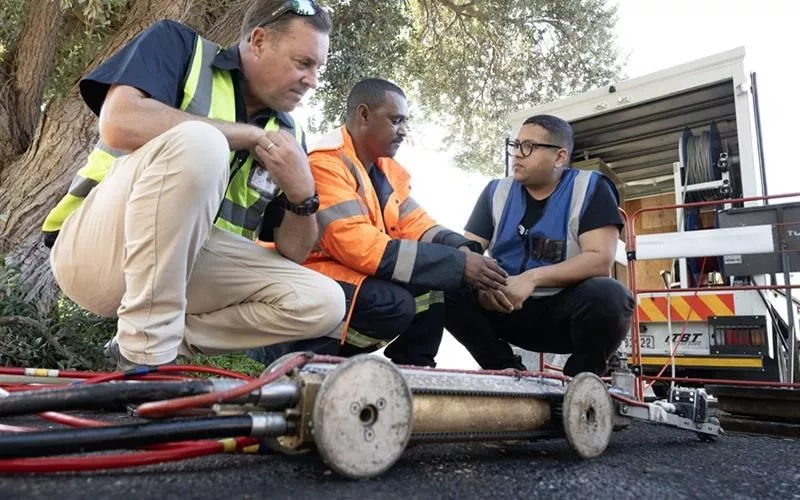
Pipe replacement works unfold across the entire metro, stretching from the bustling city center to distant suburbs. Each project brings its own set of challenges, shaped by terrain, traffic, and the needs of local communities. Teams often labor under unpredictable weather, digging through rock and clay, maneuvering around existing utilities, and coordinating to minimize disruptions.
Cape Town’s commitment to these projects is evident in both scope and scale. Over the 2024/2025 financial year, municipal authorities launched 61 major upgrades, investing more than 523 million rand to restore and future-proof the city’s arteries. This level of funding demonstrates a clear priority: the health and dignity of residents, as well as the city’s ability to adapt and thrive in a changing world.
The mechanics of the work reflect a blend of tradition and innovation. In older quarters, crews excavate narrow trenches, carefully removing and replacing pipes that have served for decades. In other locations, engineers utilize trenchless techniques – threading new pipe linings through existing ones to protect the streetscape and maintain daily routines. These strategies reduce the risk of overflows and breakdowns, offering a quieter, cleaner environment for residents. The beneficial impacts ripple outward: fewer burst pipes mean less street flooding and improved sanitation, enhancing the quality of daily life throughout the metro.
The Human Story: Collaboration and Responsibility
Infrastructure renewal is more than a technical achievement; it represents a deep social contract. As Zahid Badroodien, the city’s Mayoral Committee Member for Water and Sanitation, has emphasized, every rand collected through rates and taxes comes back to serve the people. Stronger, more reliable pipes foster healthier communities, turning invisible investments into tangible improvements for Cape Town’s families.
The story of renewal belongs as much to the city’s workers as to its planners. Take Sibusiso, a team leader from Gugulethu, who rallies his crew each morning to face difficult and, at times, hazardous conditions. “We’re not just fixing pipes – we’re ensuring a better future for our children,” he reflects. His pride echoes through every successful repair and upgrade, a testament to the dedication and skill required to keep the city running.
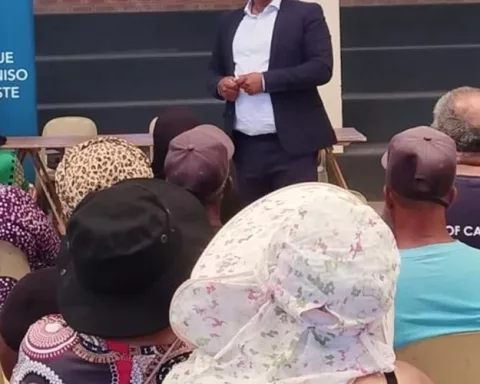
Residents, too, play an essential role. Cape Town’s diverse communities, from Khayelitsha to Newlands, benefit directly from the renewed infrastructure, experiencing fewer overflows and improved public hygiene. Elderly citizens and young families alike find greater peace of mind as risks of hazardous spills decrease. The relationship between the city and its citizens grows stronger with every meter of pipe replaced, reinforcing trust and civic pride.
Challenges and Innovations: Navigating Human Behavior and Urban Pressures
While technical upgrades form the backbone of the renewal initiative, human habits introduce a layer of complexity. Many blockages stem not from age or wear, but from improper disposal of everyday items. Residents sometimes flush rags, plastics, building waste, and even newspapers down toilets and drains, unwittingly damaging the network. These actions threaten not only the system’s functionality but also the wider community’s well-being.
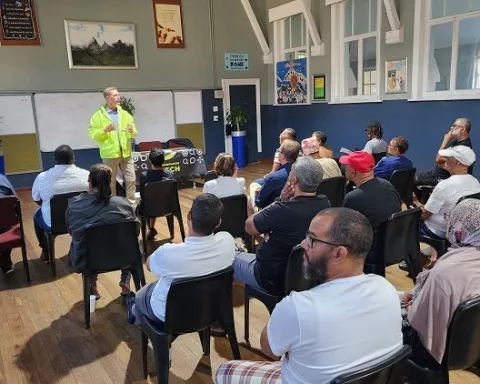
To combat these challenges, the city has introduced a series of educational campaigns. Flyers and school programs urge residents to think before disposing of non-biodegradable items. The message is simple but vital: collective responsibility underpins the success of even the most advanced engineering solutions.
Engineering teams have responded with a sense of urgency and adaptability. Modern diagnostic tools – such as smart sensors and remote cameras – allow for quicker identification of trouble spots. Predictive analytics help direct resources to areas of greatest need, reducing the likelihood of emergencies. The city’s blend of proactive maintenance and public education fosters a resilient, sustainable system tailored to Cape Town’s unique conditions.
Vision for the Future: Building a Resilient Cape Town
Cape Town’s commitment to sewer renewal signals a broader vision. In an era of rapid urbanization, climate uncertainty, and resource constraints, robust infrastructure forms the bedrock of resilience. Every kilometer of new pipe represents a step toward a healthier, more secure city, where communities can flourish amid changing times.
The city’s challenges mirror those faced globally. From Lagos to São Paulo, urban centers struggle to keep pace with expanding populations and aging networks. Cape Town’s approach stands out for its integration of technology, community engagement, and sustained investment. The lessons learned here offer guidance for others seeking to balance growth with sustainability.
Art and infrastructure occasionally intersect along the way. Murals and community projects sometimes adorn construction sites, reminding residents that even the most utilitarian projects can inspire pride and creativity. This fusion of function and beauty reflects Cape Town’s unique spirit – innovative, inclusive, and forward-looking.
Each year brings new obstacles, but also new opportunities for improvement. The ongoing task of sewer maintenance and renewal is unending, demanding vigilance and cooperation from all corners of the city. Yet, as Cape Town’s story demonstrates, determined action beneath the surface can transform life above ground, creating a city that supports and uplifts every resident.
Word count: ~980
FAQ: Cape Town’s Sewer Infrastructure Renewal Project
What is the scope of Cape Town’s sewer pipe renewal project?
Cape Town is revitalizing its aging sewer infrastructure by replacing over 117 kilometers of worn-out pipes across the metro area. This ambitious project includes 61 major upgrades carried out during the 2024/2025 financial year, supported by an investment exceeding 523 million rand. The work spans from the busy city center to the suburbs, aiming to improve sanitation, reduce sewer overflows, and enhance the overall health and resilience of the city.
Which modern techniques are being used to replace the sewer pipes?
The project employs a combination of traditional trench excavation and advanced trenchless pipe lining technologies. Trenchless methods allow engineers to insert new linings into existing pipes without extensive digging, minimizing disruption to streets and daily life. These innovative approaches help maintain cleaner streets, reduce noise and traffic inconvenience, and extend the lifespan of the sewer system efficiently.
How does this renewal project benefit Cape Town’s communities?
By upgrading the sewer system, the project reduces the risk of pipe bursts and street flooding, leading to improved public hygiene and environmental conditions. Residents across diverse neighborhoods – from Khayelitsha to Newlands – experience fewer sewer overflows and better sanitation. Moreover, enhanced infrastructure supports healthier living environments, protecting families, elderly citizens, and the broader community.
What challenges does Cape Town face in maintaining its sewer system?
Beyond aging infrastructure and urban growth pressures, improper disposal of items such as plastics, rags, and building waste into the sewer system causes frequent blockages. These human factors complicate maintenance efforts and threaten system functionality. To address this, the city runs educational campaigns targeting residents, emphasizing responsible waste disposal as a key part of preserving the sewer network.
How is technology improving the management of sewer infrastructure?
Cape Town integrates smart diagnostic tools like sensors and remote cameras to monitor the sewer system in real time. Predictive analytics help identify vulnerable areas before problems arise, enabling targeted, proactive maintenance. This tech-forward approach reduces emergency repairs and costs while ensuring that resources are efficiently allocated to maintain system integrity.
What is Cape Town’s long-term vision for its sewer infrastructure?
The renewal project is part of a broader strategy to build a resilient and sustainable urban environment capable of withstanding future challenges such as climate change, population growth, and resource scarcity. By combining investment, technology, community engagement, and educational efforts, Cape Town aims to create a modern sewer system that supports public health and urban vitality for generations to come. The city also fosters civic pride by incorporating community art and collaborative initiatives into the renewal process, strengthening the connection between infrastructure and residents.