Cape Town is investing R300 million to make community spaces better for everyone. Parks, beaches, libraries, sports fields, and clinics will be upgraded to bring joy, health, and learning to all neighborhoods. Cemeteries are also being expanded with care to honor families and history. Special Safe Spaces will help homeless people find shelter and support. This big plan shows Cape Town’s heart, building pride and hope for a brighter future.
What is Cape Town’s R300 million investment plan for community spaces?
Cape Town’s R300 million investment focuses on expanding cemeteries, upgrading parks, refurbishing beaches and pools, improving libraries, sports facilities, clinics, and creating Safe Spaces for the homeless. These projects enhance public infrastructure, promote social wellbeing, and foster civic pride across all neighborhoods.
Expanding Cemeteries: Honoring Heritage and Meeting Future Needs
Cape Town’s landscape tells stories of its people, and nowhere is this more evident than in its cemeteries. These spaces, often overlooked in discussions about city planning, embody a community’s collective memory. Cemeteries offer a testament to the lives, struggles, and achievements of generations past. As the city grows and urban land becomes increasingly limited, the demand for dignified burial sites intensifies, prompting city leaders to prioritize this essential aspect of public infrastructure.
The city earmarked R45 million for expanding cemetery capacity, a move designed to double available burial spaces within the next five years. Focus areas include Kuils River, Welmoed, and Rusthof – neighborhoods characterized by vibrant, evolving communities. Upgrading these cemeteries extends beyond mere practicality; it reinforces respect for familial and cultural traditions, allowing diverse families to maintain vital connections to their ancestors.
In addition to expansion, the city has dedicated funds to improve existing facilities. Plans include installing a large cremator and renovating established structures, such as those at Maitland Cemetery. These efforts ensure that each goodbye – whether a quiet moment at a headstone or a community gathering for a memorial – takes place in a space reflecting dignity and care. Such investments, though rarely publicized, quietly shape the city’s identity and support the emotional needs of its people.
Revitalizing Green Spaces: Parks and Recreation for Every Neighborhood
Public parks have served as communal gathering spots for centuries, providing urban dwellers with much-needed respite, recreation, and opportunities for social interaction. Cape Town’s commitment to upgrading parks continues this legacy, with significant resources allocated to ensure that green spaces remain accessible and welcoming across districts. In line with international best practices, the city recognizes that well-maintained parks contribute to both mental and physical health, foster a sense of belonging, and encourage community engagement.
This year, the Strandfontein Pavilion is set for a R6,8 million renovation. The site, cherished for its scenic coastline and family-friendly atmosphere, will receive improvements to better serve the thousands who visit each season. Adjacent facilities, including the Strandfontein Clubhouse, are also slated for upgrades, as is the walking trail at Princessvlei – a location imbued with community significance and natural splendor. Here, generations have gathered for informal cricket matches, weddings, and cultural festivals, forming memories interwoven with the landscape.
Neighborhood parks will not be neglected. Sites such as Active Road and Lower Cross Road are slated for new walking tracks, while Lupin Crescent Park will be revitalized to better support play, exercise, and relaxation. Even small-scale enhancements, like installing new playground equipment or resurfacing paths, can significantly improve the quality of everyday life in the surrounding areas. By investing broadly, Cape Town aims to ensure that every community, regardless of socioeconomic status, enjoys the benefits of safe, clean, and inviting public spaces.
Coastal Leisure: Enhancing Beaches and Pools for All
Cape Town’s famous coastline continues to shape both the city’s identity and everyday rituals. The beaches and public pools provide more than just recreation; they serve as social equalizers and cultural touchpoints for people from all walks of life. Recognizing this, city officials have launched a series of upgrades designed to preserve and enhance these cherished sites.
Public swimming pools form a cornerstone of community life, particularly in summer months. With a total investment of R6 million, the city will refurbish key facilities, including the much-loved Sea Point Pool. This iconic spot, with its sweeping views and vibrant atmosphere, draws swimmers of all ages – early morning lap swimmers, families on weekend outings, and tourists soaking up the local scene. Refurbishing these pools helps ensure safety, accessibility, and continued enjoyment for years to come.
Beaches like Mnandi are also receiving attention, with R4,4 million allocated for upgrades. Improvements will range from enhanced picnic areas and safer walkways to modernized restrooms and upgraded play equipment. Such efforts cater to the thousands who flock to the sands for relaxation, sports, and community events, reaffirming the city’s commitment to making the coastline welcoming for everyone. Meanwhile, projects like the conceptual planning for Vulindlela Pool highlight a forward-looking approach that prioritizes input from local residents, ensuring that new facilities truly meet the needs of their communities.
Community Infrastructure: Libraries, Sports, Health, and Social Support
A well-rounded city invests not only in recreation but also in the intellectual, physical, and social wellbeing of its residents. Cape Town’s current budget reflects this philosophy, with a diverse range of projects aimed at empowering individuals and strengthening neighborhoods.
Libraries serve as vital links to knowledge and opportunity, particularly in an age where digital access can determine future prospects. Nearly R12 million will go toward upgrading the Lwandle Community Library, while R2,6 million is set aside for redesigning the Suiderstrand Library. These improvements go beyond aesthetics; the addition of 200 new public-use computers and upgraded IT infrastructure will bridge the digital divide for many, providing essential resources for students, job seekers, and lifelong learners. Libraries also offer safe spaces for children after school and adults seeking quiet study environments, reinforcing their role as community anchors.
Sports fields and recreational facilities are set for substantial enhancements, with upgrades planned for Site C Stadium, the installation of synthetic pitches, the development of the Ocean View Baseball Pitch, and further improvements to Active Road Park. Such investments support youth development and foster a sense of pride and belonging through team sports and neighborhood events. Coaches often recount stories of young athletes finding purpose and building self-esteem through improved facilities – testimony to the lasting impact of accessible, high-quality sports infrastructure.
On the health front, the city will devote R21,4 million to improving the Matthew Goniwe and Tafelsig clinics. These upgrades will expand services, improve patient experiences, and support the overall health of communities that often face barriers to care. Enhanced clinics become not just places for treatment, but centers for wellness, education, and trust-building between residents and healthcare providers.
In a powerful gesture toward the city’s most vulnerable, Cape Town is investing over R4 million in Safe Spaces – dedicated sites for people experiencing homelessness. New facilities in Kuils River and improvements at Culemborg One Safe Space will offer shelter, support, and pathways to stability. By addressing both immediate needs and long-term challenges, these projects aim to restore dignity and hope to those at the margins of society.
Civic Pride: Investing in People and Place
Throughout these initiatives, the city’s leadership emphasizes the notion of civic pride – a belief that well-maintained, accessible public spaces foster stronger, more resilient communities. Councillor Francine Higham, a key figure in these developments, regularly highlights the role such projects play in building a sense of belonging and responsibility among residents. The city’s approach reflects a nuanced understanding that infrastructure, while important in itself, serves a higher purpose: strengthening the social fabric and empowering individuals.
The tangible results of this investment will soon become visible in daily life. Children will discover new stories and skills at community libraries, families will gather for picnics and celebrations in revitalized parks, and athletes will pursue their dreams on freshly upgraded fields. Meanwhile, the quiet dignity of expanded cemeteries and the transformative promise of Safe Spaces will affirm Cape Town’s commitment to honoring its past and supporting its future.
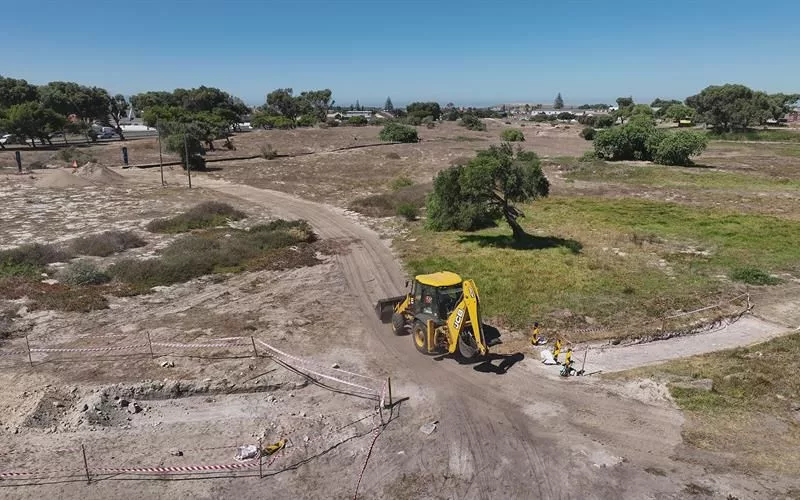
As surveyors and construction crews set to work, Cape Town embarks on a journey of renewal. Each improved facility, from the smallest park to the grandest library, represents not just bricks and mortar, but a promise: that every resident, regardless of background or circumstance, has a stake in the city’s unfolding story.
FAQ: Cape Town’s R300 Million Investment in Community Spaces
What is the main goal of Cape Town’s R300 million investment plan?
Cape Town’s R300 million investment aims to upgrade and expand key community spaces including parks, beaches, libraries, sports fields, clinics, cemeteries, and Safe Spaces for the homeless. The goal is to improve public infrastructure, promote social wellbeing, and foster civic pride across all neighborhoods, ensuring that every resident benefits from safer, healthier, and more welcoming environments.
How is Cape Town addressing the need for more cemetery space?
The city has allocated R45 million to expand cemetery capacity, focusing on areas like Kuils River, Welmoed, and Rusthof. This effort will double burial spaces within five years, respecting cultural and familial traditions. Additionally, existing cemeteries such as Maitland will be upgraded with improved facilities including a new large cremator, ensuring dignified spaces to honor the city’s heritage and meet future needs.
What improvements are planned for Cape Town’s parks and recreational areas?
Significant upgrades will be made to both large and neighborhood parks. Highlights include a R6.8 million renovation of Strandfontein Pavilion and upgrades to the Strandfontein Clubhouse and Princessvlei walking trail. Smaller parks like Active Road, Lower Cross Road, and Lupin Crescent Park will receive new walking tracks, playground equipment, and resurfaced paths, enhancing opportunities for play, exercise, and community gatherings citywide.
How is Cape Town enhancing its beaches and public pools?
The city is investing R6 million in refurbishing key public pools such as Sea Point Pool to improve safety, accessibility, and enjoyment. Beaches like Mnandi will receive R4.4 million for upgrades, including better picnic areas, safer walkways, modern restrooms, and new play equipment. Future projects like the planned Vulindlela Pool will incorporate community input to ensure facilities meet local needs effectively.
What upgrades are being made to libraries, sports facilities, and clinics?
Libraries such as Lwandle Community Library and Suiderstrand Library will be upgraded with nearly R15 million invested, including new public computers and improved IT infrastructure to bridge the digital divide. Sports facilities like Site C Stadium and Ocean View Baseball Pitch will be enhanced with synthetic pitches and general improvements. Clinics at Matthew Goniwe and Tafelsig will receive R21.4 million in upgrades to expand services and improve patient care.
What are Safe Spaces and how does the city support homeless residents?
Safe Spaces are dedicated facilities providing shelter and support for people experiencing homelessness. Cape Town is investing over R4 million to create new Safe Spaces in Kuils River and improve the existing Culemborg One Safe Space. These facilities offer immediate shelter, social support, and pathways to stability, aiming to restore dignity and hope for the city’s most vulnerable residents.
If you have more questions or want to learn how these projects will impact your neighborhood, visit the City of Cape Town’s official website or contact your local community office.