When rain falls in the city, roads become slippery and visibility drops, making every trip riskier. This past rainy weekend saw a scary jump in crashes and pedestrian accidents, turning busy streets into scenes of chaos and sirens. Drivers, cyclists, and walkers all face extra dangers, and while police are working hard to keep order, the real key to safety lies in everyone paying close attention and caring for each other. The wet city streets reflect a simple truth: staying safe in the rain means sharing responsibility and making wise, careful choices together.
Why do road accidents increase in urban areas during rain?
Road accidents rise in urban areas during rain due to slippery roads, reduced visibility, and increased human error. Key factors include:
– Tires losing grip on wet surfaces
– Poor visibility from headlights and rain
– Pedestrian and driver distraction
– Challenges in maintaining safe distances and speeds
A Weekend of Alarming Numbers
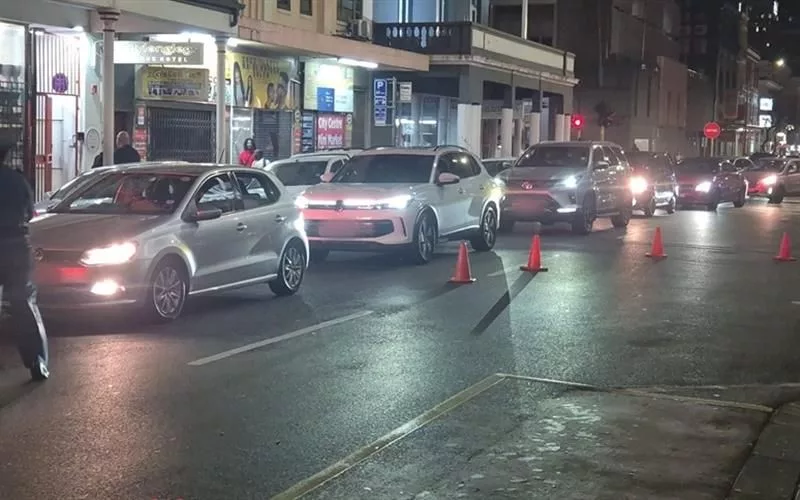
On a gray, rain-soaked Saturday, the city’s calm shattered with the relentless wail of sirens echoing across downtown and suburb alike. The Public Emergency Communication Centre (PECC), tasked with monitoring the pulse of urban life, documented a dramatic rise in road incidents over a brief forty-eight-hour period. Sixty vehicle crashes and twenty-one pedestrian-related mishaps filled the logbooks – an abrupt surge compared to forty-one similar incidents logged the previous weekend. Each report sketched a troubling picture of increasing danger beneath the city’s everyday bustle.
The city’s streets, once designed to symbolize progress and unity, revealed a more precarious side as puddles formed and visibility faded. Architectural dreams of seamless transit faded into a reality where risk and uncertainty stalked every intersection. This weekend’s accidents forced residents, officials, and urban planners alike to confront the ongoing tension between modern mobility and public safety.
These incidents did not occur in isolation. Instead, they formed part of a broader tapestry of emergencies: 1,825 separate cases reached the PECC over the same weekend. Medical crises made up the largest share, with 648 calls for urgent care, while fires, assaults, and domestic violence added complexity to the city’s emergency landscape. Yet, the sharp rise in road and pedestrian accidents stood out, drawing special concern from civic leaders and demanding a fresh dialogue on the responsibilities woven into our urban lives.
Weather, Human Error, and the Shape of Urban Risk
The downpour added another layer of peril to the already intricate dance of city traffic. Streets grew slippery and errands transformed into minor adventures. For artists like Monet, rain meant inspiration – a chance to capture the fleeting beauty of reflections and color. For commuters, however, rain signaled heightened danger: tires lost grip, headlights struggled to pierce the gloom, and every crosswalk became a test of nerves and situational awareness.
Everyday stories punctuated this tense atmosphere. A nurse headed for a dawn shift hesitated as a figure dashed across the crosswalk, both startled into a moment of shared vulnerability. A cyclist, glowing in neon gear, braved traffic flows with a mix of caution and hope. Such incidents, often overlooked in statistical summaries, reveal the genuine human drama embedded in every traffic report. Each close call or collision reminds us of the unpredictability that defines urban movement, especially under adverse conditions.
Urban history offers context for today’s struggles. In the early 20th century, as cars first became common, cities scrambled to enforce new rules and create order from chaos. Today, the situation is more complicated: urban sprawl, electronic distractions, and increased traffic density challenge even the best-laid plans. The modern road, far from being just a physical structure, has become a stage where human error and environmental unpredictability intersect, demanding vigilance from all.
The Reach – and Limits – of Enforcement
As emergency calls spiked, the city’s traffic officers mobilized. Their presence – marked by the flash of lights reflected in wet pavement – served as both deterrent and reassurance. Over the week, officials documented more than 52,000 traffic violations, a figure that speaks to both the scale of the challenge and the relentless pace of urban life. Thirty-two arrests – most for impaired driving – highlighted the ongoing threat posed by those who disregard safety for expedience or thrill. Officers also executed hundreds of outstanding warrants, signaling a persistent effort to maintain order.
Public transportation, essential for many, did not escape scrutiny. Authorities impounded 238 vehicles, underscoring a commitment to keeping unsafe or unlicensed operators off the streets. These interventions, while necessary, also illuminated a sobering truth: enforcement alone cannot resolve the underlying issues.
Alderman JP Smith, echoing the voices of past urban reformers, addressed the public with candor. He stressed that even the most robust enforcement strategies falter without widespread buy-in from citizens. The city’s safety hinges on a shared sense of responsibility, not just the threat of fines or arrests. Smith’s message reminded residents that, ultimately, safeguarding the public requires personal accountability paired with institutional support – a balance that cities have struggled to achieve since the earliest days of the automobile.
Shared Accountability: Learning from the Past, Planning for the Future
The idea of collective responsibility is not new. Roman engineers maintained roads as a matter of public trust, expecting travelers to respect rules for the common good. Today, our asphalt arteries fulfill a similar role, offering mobility while demanding cooperation and mutual respect. When drivers, cyclists, and pedestrians neglect these obligations, the results can be devastating.
Artists and writers have long explored the motif of the road as both opportunity and danger. Early 20th-century Futurists glorified speed and mechanical power, yet even their bold visions could not anticipate the complexities that modern city life would bring. The challenge of balancing mobility and safety has only grown as technology advanced – cellphones, sophisticated dashboards, and in-car entertainment all contribute to an environment where distraction is just a glance away.
Modern solutions must address both human behavior and infrastructure. Enforcement can set boundaries, but education and design interventions do the deeper work of shaping habits and expectations. Cities now deploy advanced traffic cameras and data analytics to identify trouble spots, while at the same time exploring new street designs – from speed bumps to pedestrian-friendly zones – that draw on both historical precedent and contemporary research. The path forward will likely require blending technology, policymaking, and cultural change.
Everyday Vigilance: The Invisible Choreography of the City
In the end, road safety remains a fundamentally human enterprise. The small choices individuals make – pausing at a red light, scanning for pedestrians, resisting the urge to check a message – form the unseen choreography that keeps cities functioning. Each act of caution or courtesy ripples through the urban environment, tipping the balance either toward safety or risk.
Pedestrians can improve their chances by wearing bright clothing, using crosswalks, and staying alert. Drivers should minimize distractions, maintain safe following distances, and use headlights in low visibility. Cyclists, often exposed to the greatest danger, benefit from high-visibility gear and careful adherence to traffic laws, but also need infrastructure that supports safer passage.
Every spike in collisions offers a reminder: roads do more than connect places – they bind together a community of people navigating uncertainty. The city’s recent surge in accidents, set against a backdrop of rain and disruption, underscores the need for renewed commitment to vigilance and mutual respect. In the shifting reflections of wet pavement, each city dweller can see both the risks and the possibilities of urban life, and the shared responsibility for making it safer for everyone.
Word count: ~1,100
FAQ: Navigating Urban Road Safety During Rainy Conditions
1. Why do road accidents increase in urban areas when it rains?
Road accidents rise during rain primarily because wet roads become slippery, reducing tire grip and increasing stopping distances. Rain also lowers visibility for drivers, cyclists, and pedestrians due to rain itself and headlight glare. Additionally, distractions and misjudgments become more common, making it harder to maintain safe speeds and distances. Combined, these factors significantly elevate the risk of crashes and pedestrian accidents in the city.
2. What were the recent statistics on accidents during the rainy weekend?
During a recent rain-soaked weekend, emergency services recorded a sharp increase in traffic incidents:
– 60 vehicle crashes (up from 41 the previous weekend)
– 21 pedestrian-related accidents
– Over 52,000 traffic violations documented in the week surrounding the weekend
– 32 arrests, mostly for impaired driving
– 238 vehicles impounded for unsafe or unlicensed operation
These figures highlight the intense pressure rain places on urban road safety and the limits of enforcement alone to prevent accidents.
3. How are city officials responding to the rise in accidents during rainy weather?
City authorities have ramped up enforcement efforts by increasing patrols, issuing numerous citations, making arrests (particularly for impaired driving), and impounding vehicles operating unsafely. Traffic officers serve as both a deterrent and a visible presence to encourage compliance. However, officials acknowledge that enforcement alone cannot solve the problem. Alderman JP Smith emphasizes the need for shared responsibility among all road users to truly improve safety.
4. What role does shared accountability play in urban road safety?
Shared accountability means that drivers, cyclists, pedestrians, and city authorities all have responsibilities to keep roads safe. Historically, public trust and respect for rules have been essential for functioning roads. Today, this translates into individuals making cautious, respectful decisions – like obeying traffic signals, staying alert, and minimizing distractions – while institutions provide supportive infrastructure and effective enforcement. Without collective commitment, safety efforts are limited in impact.
5. What practical steps can pedestrians, drivers, and cyclists take to stay safer in rainy urban conditions?
- Pedestrians: Wear bright or reflective clothing, use designated crosswalks, avoid distractions (like phones), and make eye contact with drivers before crossing.
- Drivers: Reduce speed, maintain greater following distances, use headlights properly, avoid sudden maneuvers, and stay focused by minimizing phone or infotainment system use.
- Cyclists: Use high-visibility gear, follow traffic laws strictly, signal intentions clearly, and choose routes with safer infrastructure when possible.
All road users benefit from heightened vigilance, patience, and courtesy during adverse weather.
6. How are modern technologies and urban design improving road safety during adverse weather?
Cities are increasingly adopting advanced traffic cameras and data analytics to monitor accident-prone areas and enforce regulations more effectively. Urban planners incorporate design features like speed bumps, pedestrian zones, better drainage, and improved lighting to reduce hazards. Additionally, educational campaigns aim to change behavior alongside these measures. The combination of technology, thoughtful infrastructure, and cultural shifts is essential to address the complex challenges of urban road safety in rain and beyond.
If you want to learn more about specific city initiatives or safety tips, please visit your local traffic department’s website or community safety programs. Remember, staying safe in the rain is a shared responsibility – your care matters!