The Elsieskraal River restoration project in South Africa is on a mission to clean up the river and bring back its natural beauty. By removing unwanted poplar trees, this initiative aims to improve water quality and help local plants and animals thrive. The project, led by the City’s Water and Sanitation Directorate, is also creating jobs for the community, making it a win-win for both nature and people. With the goal of finishing by January 2025, this effort shows how we can work together to heal our environment and enjoy it more fully.
What is the Elsieskraal River restoration project about?
The Elsieskraal River restoration project in South Africa focuses on eradicating invasive poplar trees to improve water quality and local biodiversity. Led by the City’s Water and Sanitation Directorate, it combines ecological restoration with community involvement, creating jobs and enhancing recreational access by January 2025.
The Need for Ecological Restoration
Nestled within the vibrant landscapes of South Africa’s Western Cape, the Elsieskraal River is at the heart of a significant ecological restoration effort. This initiative, led by the City’s Water and Sanitation Directorate, seeks to address the pressing issue of environmental stewardship in an urbanizing world. The Western Cape’s diverse ecosystems and dynamic terrains provide a unique backdrop for this ambitious project which not only focuses on preserving the natural environment but also tackles the challenges posed by invasive species.
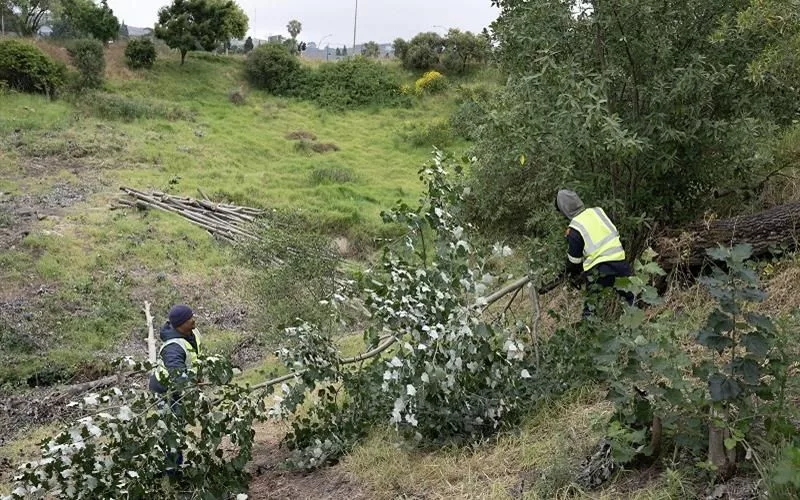
The Elsieskraal River originates in the Tygerberg Hills and weaves through a mixture of urban settings and rural areas. It serves as a critical ecological lifeline and an infrastructural cornerstone. However, the recent colonization of invasive poplar trees along the river threatens its natural flow and local ecosystems. These trees, some soaring to heights of five meters, have prompted a comprehensive ecological intervention to reclaim the river’s health and vitality.
In November 2024, the City’s Water and Sanitation Directorate embarked on a major project to eradicate the invasive poplar trees from Loevenstein Park in Bellville. This initiative represents a pivotal phase in the ongoing Maintenance Action Plan, which combines ecological restoration with active community involvement. The project’s phased approach ensures detailed attention to environmental and social concerns, with completion anticipated by January 2025.
Strategic Interventions and Community Engagement
Significant strides have been made in the early phases of the restoration plan. Key maintenance activities include upgrading the spillway channel at Kreupelboom Dam and the regular servicing of dam gates and levees. These measures are designed to prevent flood damage and strengthen the structural resilience of the region’s water management systems. Additionally, erosion control and road restoration projects have been undertaken within the Vodacom Golf Village reserve.
The current focus is on removing the invasive poplar trees, a task requiring specialized skills. The challenge lies not only in removing these trees but also in treating the land to prevent their regrowth. With an estimated cost of R1.2 million, the project is a top priority, aiming to improve inland water quality and safeguard local biodiversity. It reflects a broader commitment to integrating ecological restoration with community development.
Councillor Zahid Badroodien, a prominent advocate for the initiative, highlights the multifaceted benefits of removing invasive species. This endeavor promises enhanced river flow, which reduces flood risks and supports local flora and fauna. Beyond environmental improvements, the project boosts recreational access and aesthetic appeal, inviting greater public enjoyment. It exemplifies how ecological restoration can enhance quality of life through thoughtful, strategic interventions.
Economic and Ecological Benefits
The project also plays a significant role in stimulating local economic growth. By creating employment opportunities for fifty local workers, the initiative demonstrates a commitment to social upliftment, ensuring that environmental benefits translate into tangible community advantages. It serves as a model for intertwining ecological restoration with economic development, fostering a sense of community ownership and participation.
The Elsieskraal River’s journey illustrates the resilience of waterways amidst urban expansion. From its source in the agricultural lands north of Durbanville, the river navigates through a complex network of stormwater management dams, including Amandel, Fynbos, and Doordekraal. These dams are crucial for flood mitigation and water quality management, underscoring the importance of strategic ecological interventions.
As the river flows southwest, it passes through the Tyger Valley Waterfront, quarries, and beneath major infrastructure like the N1 highway. In Jack Muller Park, it disappears into a covered culvert, only to reemerge in Bellville’s lush greenbelts. These unlined channels serve as vital ecological corridors, supporting a wide range of plant and animal life. Further downstream, the river crosses the Tienie Meyer Bypass and a railway line, entering another unlined section within Stellenbosch University’s property. This stretch eventually transitions into a canal system, traveling about 12 kilometers before joining the Vygekraal River at Athlone.
A Global Narrative of Resilience and Sustainability
The ongoing efforts along the Elsieskraal River reflect a broader narrative shared by urban rivers worldwide. They emphasize the delicate balance required to manage human impacts while preserving natural ecosystems. Invasive species, like the poplar trees along Elsieskraal, present significant challenges but also offer opportunities for innovation and community-driven solutions. The initiative resonates with global themes of sustainable development and ecological resilience.
The Elsieskraal River restoration project demonstrates the power of strategic interventions guided by scientific expertise and community collaboration. It highlights the potential to restore environmental harmony and enhance quality of life. As the project progresses, it serves as a testament to the enduring strength of nature to heal and thrive amidst the complexities of modern living. This transformative journey not only revitalizes a vital ecological artery but also sets an inspiring example for sustainable urban development.
“`markdown
What is the Elsieskraal River restoration project about?
The Elsieskraal River restoration project in South Africa focuses on eradicating invasive poplar trees to improve water quality and local biodiversity. Led by the City’s Water and Sanitation Directorate, it combines ecological restoration with community involvement, creating jobs and enhancing recreational access, with completion aimed for January 2025.
Why are poplar trees considered invasive and why is their removal important?
Poplar trees are considered invasive because they threaten the natural flow and ecosystem of the Elsieskraal River. Their removal is crucial to restore ecological balance, improve water quality, support local flora and fauna, and enhance the overall health of the river system.
How does the project benefit the local community?
The restoration project creates jobs for about fifty local workers, promoting economic growth and social upliftment. Additionally, it enhances recreational access to the river, improving the aesthetic appeal of the area and fostering a sense of community ownership and participation in environmental stewardship.
What are the main activities involved in the restoration project?
Key activities include the removal of invasive poplar trees, maintenance of spillway channels, servicing of dam gates and levees, and erosion control. These actions aim to prevent flood damage, improve water quality, and strengthen the resilience of the region’s water management systems.
What is the estimated cost of the restoration project, and how is it funded?
The estimated cost of the project is R1.2 million. While specific funding details are not mentioned, such projects are typically financed through municipal budgets and potential grants aimed at environmental restoration.
How does the Elsieskraal River restoration project fit into global discussions about sustainability?
The project reflects broader global themes of sustainable development and ecological resilience. It demonstrates the importance of managing human impacts on natural ecosystems, showcasing how local initiatives can contribute to worldwide efforts in environmental conservation and restoration.
“`