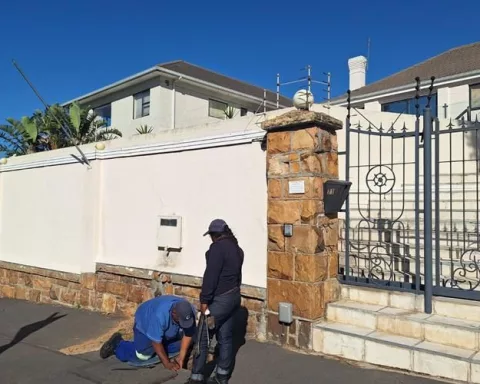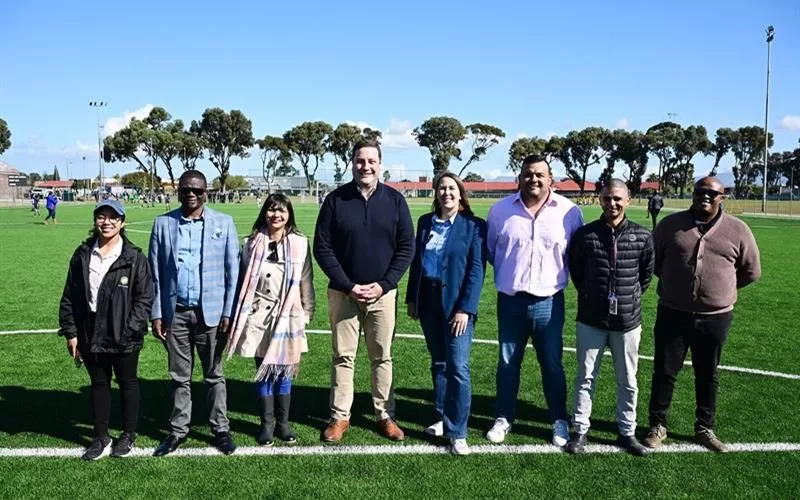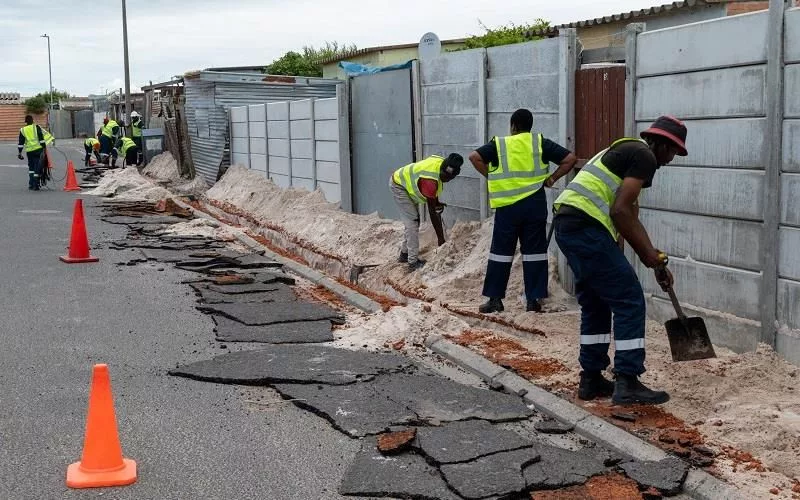
In Lavender Hill, the community is bravely fighting against the vandalism of streetlights and other public infrastructure. Under Alderman Xanthea Limberg’s leadership, quick repairs, teamwork, and citizen involvement are key to making the area safer for everyone. Despite facing ongoing challenges, the city’s efforts aim to break the cycle of destruction and build a sense of ownership among residents. With a strong spirit and a call for people to report damages, Lavender Hill is determined to shine bright once again, turning a story of struggle into one of hope and resilience.
How is Lavender Hill combating infrastructure vandalism?
Lavender Hill is tackling infrastructure vandalism through swift streetlight repairs, community engagement, and strategic partnerships. Led by Alderman Xanthea Limberg, initiatives focus on restoring public safety and fostering citizen responsibility to report illegal activities, aiming to break the cycle of vandalism and ensure safer urban spaces.
Challenges in Urban Infrastructure Protection
In the vibrant city of Cape Town, Lavender Hill stands as a vivid example of the ongoing fight against the vandalism of urban infrastructure. This struggle is not unique to Cape Town but resonates with cities worldwide as they work to shield their energy resources from damage. The City of Cape Town’s Energy Department tackles the monumental task of repairing and maintaining streetlights that are essential for thousands of residents, all while facing vandalism and theft threats. This effort extends beyond merely restoring light; it embodies a mission to enhance public safety and uplift community spirits.
Alderman Xanthea Limberg leads the charge in these initiatives. Her recent visit to Lavender Hill showcased her dedication to observing and supporting the electricity teams’ relentless efforts. This local endeavor is part of a broader municipal approach aimed at addressing vandalized infrastructure, with a particular focus on streetlight damage caused by theft and vandalism. The city prioritizes swift repair turnarounds, underscoring the urgency of the situation.
The Vicious Cycle of Vandalism and Repair
Lavender Hill, a representative of the larger metropolitan region, frequently suffers from energy infrastructure damage. The community often requires immediate intervention due to recurrent acts of vandalism. This ongoing cycle not only stretches the city’s fiscal resources but also diverts funds from other essential services crucial for community growth and well-being. Alderman Limberg highlights the financial burden these destructive actions impose, with the need for security escorts during repairs further inflating costs, illustrating the intricate challenge of urban infrastructure protection.
The alarming frequency and severity of vandalism in Lavender Hill are evident. Repair teams find themselves repeatedly returning to the same sites, only to see their previous efforts undone by further acts of vandalism. This cycle reflects deeper socio-economic issues, with vandalism serving as both a symptom and a contributor to community instability. The clear link between vandalism and public safety is apparent, as unlit streets create an environment conducive to crime, further jeopardizing residents’ safety.
Community Engagement and Optimism
Despite these formidable challenges, the city’s determination remains steadfast. Alderman Limberg voices cautious optimism as operational interventions start to bear fruit. The dedication of the city’s teams, coupled with community support, offers a glimmer of hope. However, the battle is far from over. Limberg’s appeal for citizen action encourages residents to report illegal activities and help identify emerging criminal patterns. This partnership between citizens and city authorities is vital for fostering a safer urban environment.
Statistics from the city highlight the scale of the problem. Between November 6th and 19th, 2024, the city received over 3,400 streetlight service requests, mostly from Area South, which includes Lavender Hill. This overwhelming number of requests illustrates the tireless work undertaken by city energy teams. The magnitude of the required repairs reflects the crisis’s seriousness, necessitating both immediate action and long-term strategic planning.
A Broader Perspective on Urban Challenges
Beyond immediate repairs, the city’s efforts fit into a larger narrative of historical and modern urban management challenges. Much like the infrastructural advancements seen during the Industrial Revolution, today’s cities must innovate and adapt to unforeseen obstacles. The destruction of infrastructure today echoes the forces that shaped urban landscapes in the past, where societal advancement often conflicted with disorderly behavior and economic inequality.
The intersection of art and urban resilience also comes to mind. Cities have long served as canvases, reflecting the achievements and struggles of their populations. Just as artists capture the essence of a moment, urban planners and maintenance teams strive to preserve both the functionality and beauty of the city. The work of repairing streetlights may not be as immediately visible as a mural but carries artistic significance by contributing to the creation of livable and vibrant urban spaces.
Cultivating a Shared Responsibility
Ultimately, the city’s “Protect Your Power” campaign transcends a simple slogan; it calls for collective responsibility. Similar to how communities rallied during the Renaissance to safeguard their cultural heritage, modern citizens are encouraged to protect their urban infrastructure. This shared responsibility goes beyond reporting acts of vandalism; it involves fostering a sense of ownership and stewardship over shared spaces.
As Cape Town continues its battle against infrastructure vandalism, its efforts serve as both a lesson and a caution. This story of resilience and vigilance offers valuable insights for other cities facing similar issues. The narrative of Lavender Hill is one of a community determined to rise from the shadows of destruction into the light of hope and safety. By tackling root causes and promoting community engagement, the city aims to break the cycle of vandalism, paving the way for a future where infrastructure not only survives but thrives, lighting the path to a brighter tomorrow.
Frequently Asked Questions (FAQ)
How is Lavender Hill combating infrastructure vandalism?
Lavender Hill is addressing infrastructure vandalism through quick streetlight repairs, community engagement, and strategic partnerships. Under the leadership of Alderman Xanthea Limberg, the initiatives prioritize restoring public safety and encouraging residents to report illegal activities, aiming to break the cycle of vandalism and create safer urban environments.
What challenges does Lavender Hill face in protecting its urban infrastructure?
Lavender Hill faces significant challenges due to the recurring vandalism of its energy infrastructure. This ongoing cycle places a strain on the city’s financial resources, as funds needed for repairs are often diverted from other essential services. The need for security during repairs further complicates the situation, highlighting the socio-economic issues tied to vandalism.
How does vandalism affect public safety in Lavender Hill?
The frequent acts of vandalism in Lavender Hill create unsafe conditions, particularly when streetlights are damaged or destroyed. Unlit streets contribute to an environment conducive to crime, thereby jeopardizing the safety of residents. This connection underscores the need for rapid repairs and community vigilance.
What role do residents play in combating vandalism?
Residents are encouraged to actively participate in the fight against vandalism by reporting illegal activities and helping to identify emerging criminal patterns. Alderman Limberg emphasizes the importance of citizen involvement, asserting that a collaborative effort between citizens and city authorities is crucial for fostering a safer urban environment.
What initiatives are in place to promote community engagement?
The city has launched the “Protect Your Power” campaign, which promotes a sense of collective responsibility among residents. This initiative encourages citizens to not only report vandalism but also to take ownership of their shared spaces, fostering a culture of stewardship and community pride.
How can other cities learn from Lavender Hill’s experience?
The experiences of Lavender Hill provide valuable insights into the complexities of urban management and the importance of community involvement in addressing infrastructure challenges. By tackling root causes and promoting engagement, other cities facing similar issues can adopt strategies that prioritize resilience, collaboration, and long-term sustainability in urban development.