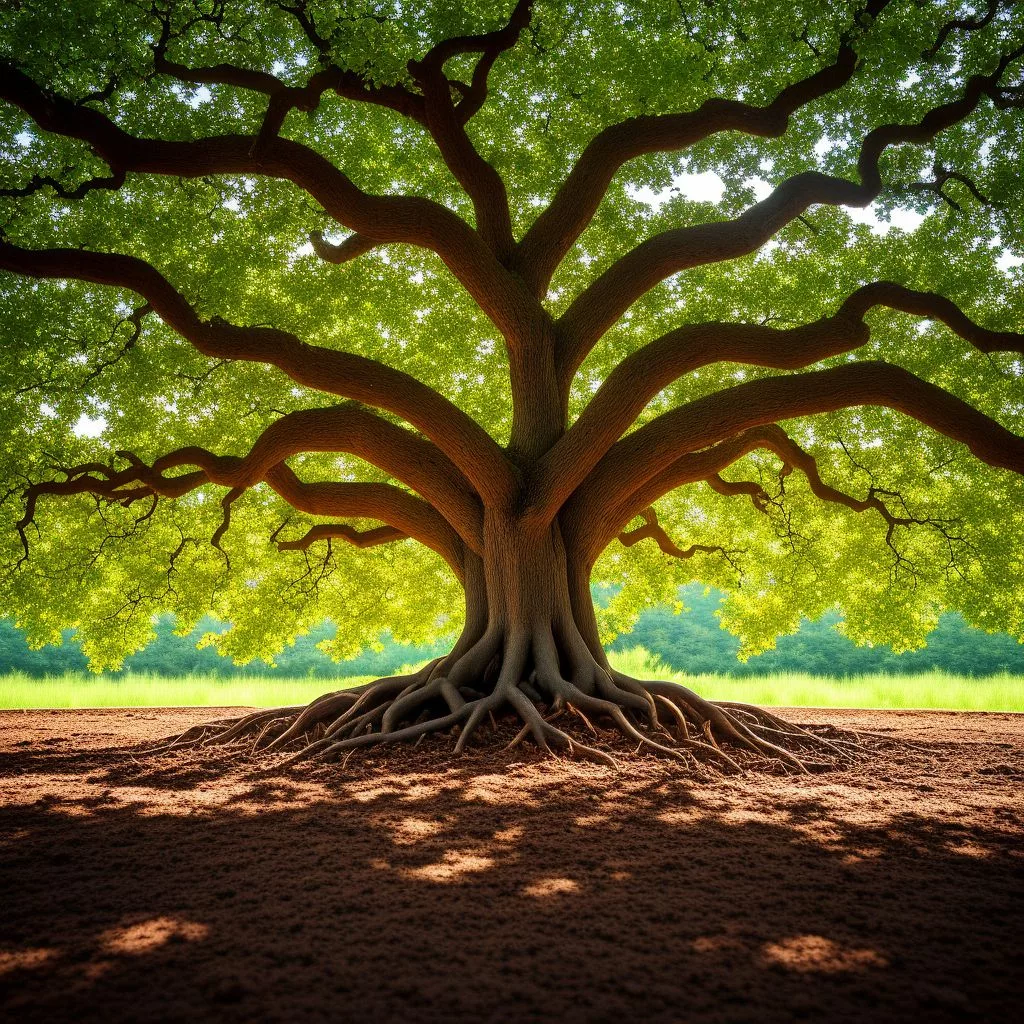
After a fierce storm in 2023 tore down over 200 of Stellenbosch’s famous oak trees, the community sprang into action with a powerful reforestation effort. Thousands of new oaks and native trees were planted to bring back the town’s green beauty and protect its rich heritage. This rebirth not only restores the City of Oaks’ charm but also strengthens the land against future threats, uniting people around hope, history, and a greener future.
What is the story behind Stellenbosch’s iconic tree resurgence after the 2023 storm?
Stellenbosch, the City of Oaks, suffered massive tree loss in the 2023 storm, uprooting over 200 historic trees. The community launched a bold reforestation effort, planting thousands of oaks and indigenous species to restore heritage, support biodiversity, and ensure environmental and economic sustainability.
Historical Roots and the Devastation of 2023
Stellenbosch, known far and wide as the City of Oaks, has always owed much of its unique character to its lush, tree-lined streets and the tranquil shade cast by centuries-old giants. The town’s leafy avenues and historic estates conjure a vivid sense of place, blending the natural world with South Africa’s rich cultural tapestry. Founded in 1679 by the visionary Simon van der Stel, Stellenbosch quickly became synonymous with its oaks – symbols of endurance, elegance, and European heritage transplanted to African soil. For generations, these trees have watched over the ebb and flow of daily life, quietly anchoring the community’s identity through times of prosperity and challenge alike.
In September 2023, this deep-rooted bond between town and tree faced an unprecedented trial. A violent storm swept through the region, leaving devastation in its wake. When the winds died down, the streets of Stellenbosch looked unrecognizable. Over 200 stately trees, including some of the oldest and most cherished, lay uprooted or shattered, their loss creating stark gaps in the once-continuous green canopy. The damage extended far beyond the immediate landscape: among the fallen was Stellenbosch’s oldest oak, a living monument more than 200 years old, its collapse marking the end of an era.
The storm’s fury did not spare Stellenbosch’s architectural heritage. Flames, fanned by the tempest, engulfed the historic Manor House and Jonkershuis at Blaauwklippen, adding the heartbreak of cultural loss to the physical scars carved into the land. Vineyards and farmlands also suffered, their carefully tended rows marred by wind and fire. This cascade of destruction resonated deeply, serving as a stark reminder of the delicate balance between nature’s gifts and its unpredictable power.
Rising from Ruin: Community and Conservation Efforts
Destruction, however, often sows the seeds of renewal. The people of Stellenbosch refused to let grief or nostalgia define their response to the calamity. Within days, local leaders – led by the Stellenbosch Wine Routes Board – gathered to chart a path forward. Their initial goal was clear and pragmatic: to restore what the storm had stolen by planting at least 1,000 new trees. Yet as news of the disaster and the recovery initiative spread, a wave of collective determination swept through the community, quickly transforming a modest goal into a bold reforestation movement.
Local wine estates and farmers, many of whom have cared for their land across several generations, galvanized into action. Their efforts reflected not just a sense of loss, but a profound commitment to heritage and sustainability. Villiera, famed for its biodiversity programs, contributed more than 2,000 saplings to the cause. De Zalze Golf Estate, working alongside Kleine Zalze Wines, went even further, adding 3,258 trees to Stellenbosch’s landscape. Such figures speak volumes: every newly planted tree represents hope, resilience, and a promise to future generations.
The campaign’s scope extended beyond mere numbers. Organizers carefully selected a mix of species for planting, blending the storied English Oak with other resilient varieties such as Turkish, Pin, and Water Oaks. Indigenous trees, increasingly recognized for their environmental benefits and adaptability, took center stage in the restoration effort. This approach reflects a growing global understanding that true ecological balance depends on honoring and restoring native species – supporting biodiversity, creating habitats, and fortifying the landscape against future threats.
Honoring the Past, Safeguarding the Future
Stellenbosch’s tree-planting revival is more than an act of restoration; it is a living tribute to the town’s multi-layered history and its continuous evolution. The original vision of Governor van der Stel – who marveled at the local river and its “fine and lofty trees” – resonates in every sapling pressed into the earth. Over the centuries, the town’s oaks have become silent witnesses to everything from student parades and wine festivals to poignant memorials and daily rituals. Their presence weaves together colonial heritage, local identity, and the timeless rhythms of nature.
This new chapter in Stellenbosch’s story also addresses contemporary challenges head-on. Among the most pressing threats is the Polyphagous Shothole Borer Beetle (PSHB), a highly invasive species capable of decimating urban and rural tree populations alike. Scientists at [Stellenbosch University](https://capetown.today/stellenbosch-university-empowers-young-women-in-the-world-of-wine/), joining forces with municipal authorities, have responded proactively with research and monitoring programs, ensuring that the new plantings will not only replace what was lost but also stand strong against emerging dangers.
To root these efforts in the fabric of community life, the Stellenbosch Wine Routes Board has partnered with the Stellenbosch Trail Fund to create living memorials along the Eerste River. These groves honor the town’s visionaries and contributors, from Jeanneret Momberg – a dynamic force behind local tourism – to trailblazers like Danie Steytler Sr of Kaapzicht. Each tree stands as both a remembrance and an act of hope, reinforcing the truth that civic pride and environmental stewardship go hand in hand.
A Legacy for Generations: Beyond Reforestation
The resurgence of Stellenbosch’s trees carries profound implications that reach far beyond the boundaries of the town. For visitors strolling the oak-shaded walkways, each plaque and sapling tells a story of perseverance and renewal. In a world increasingly aware of ecological fragility, Stellenbosch’s campaign offers a compelling example of how heritage, science, and community action can join forces to heal landscapes and fortify them for the future.
The practical benefits of re-greening are substantial. Newly planted oaks and indigenous trees provide vital shelter for vineyards, support a myriad of bird and insect species, and improve soil and water conditions – thus strengthening the very terroir on which the region’s famed wines depend. In this way, the campaign supports both environmental and economic sustainability, enhancing Stellenbosch’s allure for residents and tourists alike.
Yet perhaps the greatest gift of this movement is the sense of unity and purpose it inspires. Locals, estate workers, and supporters from afar have come together not only to restore what was lost, but to co-create a greener, more resilient Stellenbosch. The campaign invites everyone – residents and visitors – to participate, share their experiences, and celebrate their contribution to a living legacy. Through social media, public events, and personal stories, the spirit of renewal continues to grow, echoing the ancient wisdom that a society flourishes when it plants trees whose shade will benefit generations yet unborn.
In the end, Stellenbosch’s rebirth as the City of Oaks stands not simply as a response to disaster, but as an enduring testament to the power of community, the wisdom of conservation, and the ongoing dialogue between people and the natural world. The town’s new trees – rooted in history, nurtured by science, and cherished by all – ensure that the story of Stellenbosch will continue to unfold, bright and green, for centuries to come.
What caused the loss of over 200 oak trees in Stellenbosch in 2023?
In September 2023, a fierce storm struck Stellenbosch, uprooting and destroying over 200 of the town’s iconic oak trees, including some of the oldest and most cherished specimens. The storm also caused damage to historic buildings, vineyards, and farmlands, leaving a lasting impact on the landscape and community.
How has the Stellenbosch community responded to the devastation caused by the 2023 storm?
The community immediately launched a large-scale reforestation effort aimed at restoring the town’s green heritage. Led by local leaders and organizations like the Stellenbosch Wine Routes Board, thousands of new oaks and indigenous trees were planted. Local wine estates and farmers contributed thousands of saplings, turning a modest goal of 1,000 new trees into a bold, collective movement focused on renewal and sustainability.
Why are indigenous trees important in the reforestation efforts alongside the iconic English Oaks?
Including indigenous tree species in the planting initiative supports biodiversity, creates natural habitats, and helps build resilience against pests and climate threats. Indigenous trees are better adapted to the local environment, making them crucial for maintaining ecological balance and strengthening the landscape against future storms and invasive species such as the Polyphagous Shothole Borer Beetle.
What role do scientific research and monitoring play in protecting Stellenbosch’s new trees?
Scientists at Stellenbosch University, in collaboration with municipal authorities, have implemented research and monitoring programs to safeguard the new plantings. These initiatives help detect and manage threats like the Polyphagous Shothole Borer Beetle, ensuring that the newly planted trees survive and thrive, securing the town’s tree population for generations to come.
How does the tree resurgence project honor Stellenbosch’s cultural and historical heritage?
The project pays tribute to Stellenbosch’s multi-layered history by restoring the lush green canopy that has long defined the town’s identity as the City of Oaks. Living memorial groves along the Eerste River commemorate local visionaries and contributors, linking environmental stewardship with cultural pride. Each new tree symbolizes resilience, community spirit, and continuity with the past.
What are the broader environmental and economic benefits of reforesting Stellenbosch?
Replanting trees strengthens the local ecosystem by providing shelter for wildlife, improving soil and water quality, and enhancing the terroir that supports Stellenbosch’s renowned vineyards. This promotes both environmental and economic sustainability, benefiting farmers, residents, and tourists alike. Moreover, the campaign fosters a strong sense of community and shared purpose, inspiring ongoing care for the natural environment.