Antenatal care in Cape Town is a bright thread of hope for mothers and babies, offering early medical support that helps keep them safe and healthy. Clinics buzz with warmth and care, where women receive checkups, cancer screenings, and mental health support – all tailored to their needs. Despite some challenges like fewer cervical screenings, the city fights back with outreach and kindness, making sure no woman feels alone. Through strong communities and caring health workers, Cape Town is weaving a future full of health, strength, and hope for every mother and child.
What is the importance of antenatal care and women’s health services in Cape Town?
Antenatal care in Cape Town ensures early medical support, reducing risks for mother and baby. Key services include early clinic visits before 20 weeks, cervical cancer screenings, mental health support, and chronic disease management, all fostering healthier women and stronger communities.
The Dawn of Change: Early Antenatal Care and Community Commitment
Morning in Cape Town paints an inspiring scene outside City Health clinics. The air fills with hope as expectant mothers cluster together, some rubbing their swollen bellies, others exchanging stories and laughter. These clinics represent more than medical facilities – they are beacons of transformation, reflecting both advances in healthcare and the resilience of the communities they serve.
Cape Town’s progress in antenatal care stands as a significant milestone. Last year, over 75% of pregnant women managed to attend their first clinic visits before reaching 20 weeks gestation. This early involvement with healthcare professionals isn’t just a statistic; it highlights a vital truth: timely care dramatically reduces potential health risks for both mother and child. The commitment to early care doesn’t just benefit individuals – it shapes the health outcomes of entire generations.
This achievement draws on a century-long legacy of maternal healthcare. Early pioneers like Dr. Janet Lane-Claypon championed regular checkups and preventive care in the early 1900s. Their philosophy – acting before complications arise – remains alive and well in Cape Town’s clinics. These facilities now blend scientific rigor with genuine empathy. Councillor Francine Higham, City Mayoral Committee Member for Community Services and Health, expressed this balance succinctly: the city’s clinics provide “compassionate, quality care” at every stage of a woman’s life.
The Clinic Experience: Personalized Care and Ongoing Challenges
Inside City Health clinics, a sense of purpose and care fills every corridor. Nurses greet each patient by name, and brightly colored posters urge women to schedule their first antenatal visit before the 20-week mark. The environment mixes clinical expertise with a deep respect for personal dignity, echoing the values of the great reformers in nursing and public health. Care here is personal, attentive, and tailored to each woman’s unique needs.
However, progress is rarely linear. Not all aspects of women’s health in Cape Town reflect unwavering improvement. Cervical cancer screening, for example, faces worrying setbacks. Over the past year, the number of women coming in for pap smears dropped dramatically – down 30%, with little over 14,500 screenings completed. This decline alarms health workers, given that cervical cancer remains largely preventable when caught early.
Multiple factors contribute to this downturn. Some women feel anxious about the procedure, unsure about what to expect or fearful of potential results. Persistent myths linger, such as the belief that screening is only necessary once symptoms appear. For others, practical obstacles like long wait times or difficult transportation create additional barriers. These challenges, rooted in both culture and infrastructure, reflect issues faced by women’s health programs worldwide.
Rising to Meet the Need: Innovative Outreach and Mental Health Care
City health officials refuse to let these barriers persist unchecked. Councillor Higham and her team have renewed efforts to raise awareness about the life-saving importance of pap smears, insisting that “a simple pap smear can save your life.” The response stretches beyond posters and pamphlets. Health professionals now organize educational campaigns, host special events, and bring cervical screening directly into neighborhoods with historically low participation. This grassroots engagement echoes the vibrant women’s health movements of decades past.
Cape Town’s holistic approach to women’s health doesn’t stop at physical checkups. The city recognizes that invisible struggles – such as anxiety, depression, or postpartum mood disorders – can weigh heavily on women, sometimes with devastating consequences. To address this, thirteen community day centers now offer routine mental health screenings and efficient referrals. Nurses trained in mental health listen attentively, offering judgment-free support and helping women navigate their emotional journeys. Early intervention here means more than treatment; it offers the promise of hope and recovery before a silent struggle becomes a crisis.
Gender-based violence also looms as a serious threat to women’s health. City Health staff receive specialized training to support survivors, providing medical attention, practical advice, and connections to social services. These clinics serve as more than healthcare centers – they have become sanctuaries where trust, empathy, and safety are paramount.
Building Resilience: Chronic Disease, Community Connection, and Empowerment
Women’s health involves far more than pregnancy and cancer screenings. Chronic conditions like hypertension, diabetes, HIV, tuberculosis, and sexually transmitted infections all intertwine with the city’s healthcare tapestry. Regular testing and ongoing support empower women to manage these illnesses, reflecting a holistic view that values every aspect of wellbeing. Cape Town’s public health philosophy mirrors the “whole person” approach that has shaped progressive healthcare systems around the world.
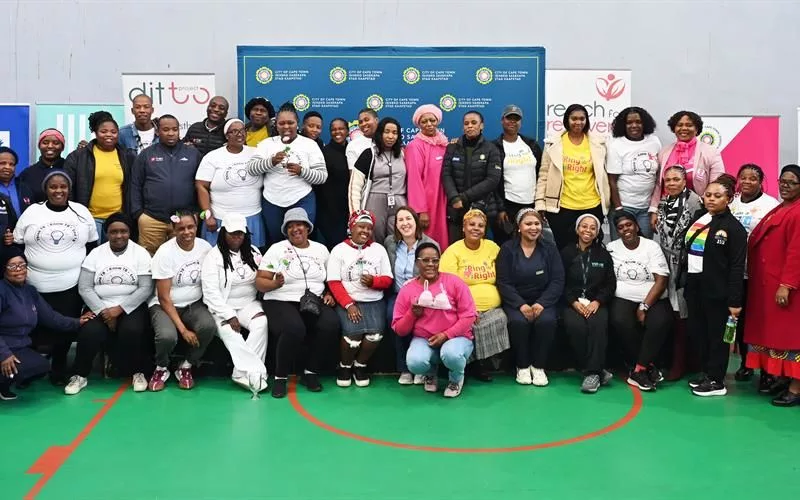
Community events bring this philosophy to life. In a recent health awareness day in Khayelitsha, participants gathered for songs, laughter, and practical lessons. The event featured educational talks, demonstrations by environmental health teams, and lively group exercises. Such gatherings don’t just deliver information – they build relationships, foster mutual support, and create safe spaces for honest discussion.
These events stand as extensions of the clinic’s daily mission. They reinforce the idea that good health grows from strong communities, open communication, and shared knowledge. Staff and attendees work together, breaking down barriers and challenging stigmas. The energy and optimism at these gatherings recall the participatory health movements of the past when education and activism transformed lives, one conversation at a time.
Looking Forward: A Living Legacy of Care
Cape Town’s commitment to women’s health continues to evolve. Upcoming wellness events at venues like the Commission Assembly Church in Bayview and Meadowridge Library invite all women – regardless of background or circumstance – to seek information, support, and care. Clinics across the city keep their doors open, ready to welcome every woman dedicated to her own wellbeing and that of her family.
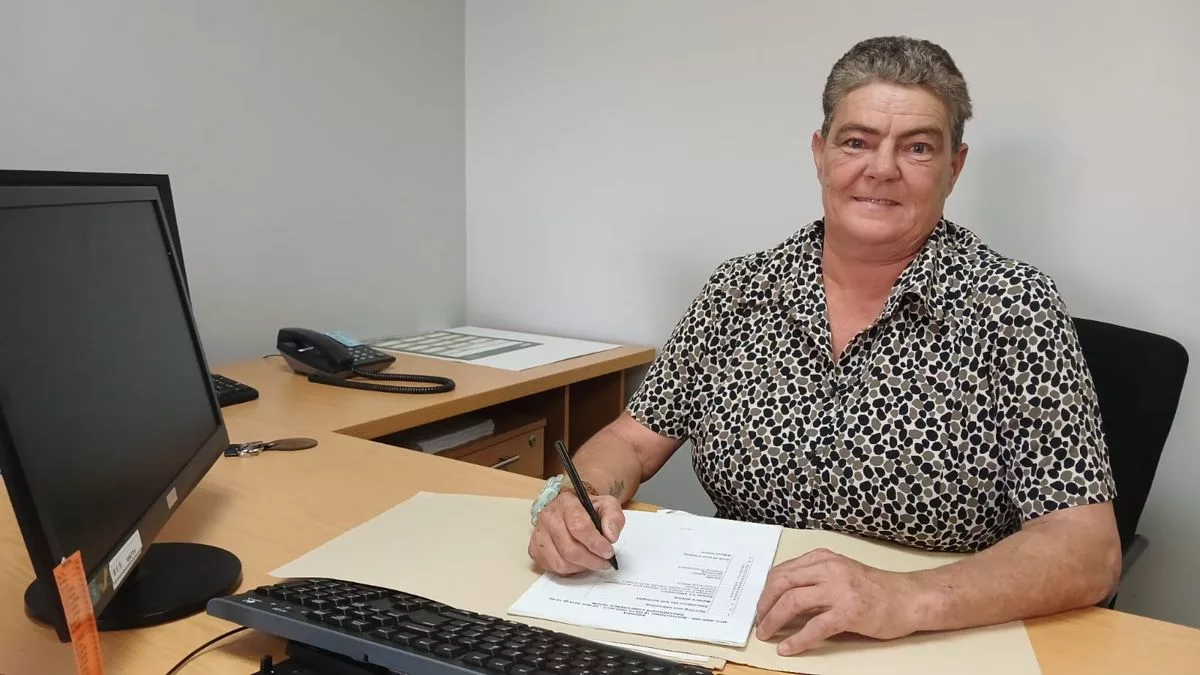
Women like Joyce Witbooi, Vuyiswa Marubelela, and Pumza Jongwana, who recently took part in community wellness events, exemplify the deep link between health services and the neighborhoods they serve. Their engagement, alongside Councillor Higham and partner organizations such as Reach for Recovery, shows that true care extends beyond clinic walls. It lives in the voices, actions, and advocacy of individuals determined to make a difference.
Cape Town’s story of women’s health is a rich, ever-changing tapestry. It weaves together the lessons of history with the realities of modern life, responding to old myths, new challenges, and persistent inequalities. Through determination, compassion, and collaboration, antenatal care now stands as a cornerstone of maternal and community health, shaping a brighter, healthier future for generations.
As each new mother walks through the doors of her local clinic, she adds a thread to this remarkable fabric. Together, the city’s women and caregivers continue to write a story of resilience, healing, and hope – one that grows stronger with every step forward.
FAQ: Antenatal Care and Women’s Wellness in Cape Town
What services does antenatal care in Cape Town provide to expectant mothers?
Antenatal care in Cape Town offers comprehensive medical support starting early in pregnancy, ideally before 20 weeks gestation. Services include routine checkups, cervical cancer screenings, mental health assessments, and management of chronic diseases such as hypertension, diabetes, HIV, and tuberculosis. These services help reduce health risks for both mother and baby, ensuring healthier pregnancies and stronger communities.
Why is early antenatal care important in Cape Town?
Early antenatal care – visiting a clinic before 20 weeks of pregnancy – is crucial because it allows health professionals to identify and manage potential risks early. In Cape Town, over 75% of pregnant women attend their first clinic visit before this milestone, which significantly lowers complications for mother and child. Early care also fosters trust and personalized support, improving long-term health outcomes.
What challenges does Cape Town face regarding cervical cancer screening?
Despite progress in many areas, cervical cancer screenings (pap smears) have declined by about 30% recently, with just over 14,500 screenings completed last year. Barriers include fear or anxiety about the procedure, misconceptions that screening is only needed when symptoms appear, and practical issues like long clinic wait times or transportation difficulties. These obstacles put women at higher risk because cervical cancer is largely preventable if caught early.
How is Cape Town addressing mental health and gender-based violence in women’s wellness?
Cape Town recognizes that mental health and safety are essential parts of women’s wellness. Thirteen community day centers offer routine mental health screenings and referrals, providing judgment-free support for anxiety, depression, and postpartum mood disorders. Additionally, health workers receive specialized training to assist survivors of gender-based violence, offering medical care, counseling, and connections to social services, making clinics safe sanctuaries for women.
What role do community events and outreach programs play in women’s health in Cape Town?
Community events and outreach programs help bridge gaps between clinics and neighborhoods, especially in areas with historically low participation in health services. These gatherings promote education on antenatal care, chronic disease management, and wellness through talks, demonstrations, and group activities. Outreach initiatives also bring cervical screening services directly to communities, helping overcome barriers like transportation and misinformation while building supportive networks.
How can women in Cape Town access antenatal and wellness services?
Women can access antenatal and wellness services at City Health clinics throughout Cape Town, which provide personalized and compassionate care. Clinics encourage early visits – preferably before 20 weeks of pregnancy – and offer free or low-cost services including screenings, chronic disease management, and mental health support. Additionally, wellness events at community venues like the Commission Assembly Church and Meadowridge Library provide opportunities for education and care outside the clinic setting. Women are encouraged to visit their nearest clinic or contact local health offices for more information.