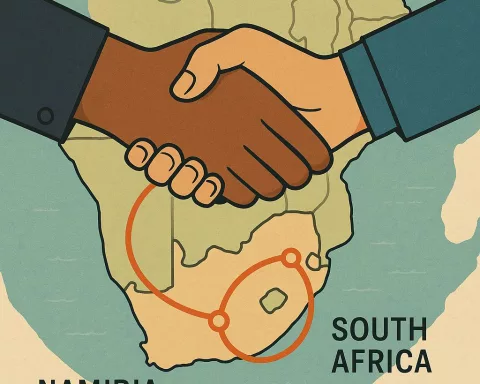
Many Afrikaners face tough times in South Africa, but many still choose to stay because they feel deeply connected to their land and culture. While some leave, seeking safety and comfort abroad, most keep building their lives, communities, and traditions at home. They meet challenges with hope and strength, showing a quiet courage and love for their country. Their story is one of resilience and faith in South Africa’s future.
Why Do Many Afrikaners Choose to Stay in South Africa Despite Challenges?
Many Afrikaners remain in South Africa due to a strong sense of commitment, adaptability, and hope. They face economic and political uncertainties but continue to build communities, preserve traditions, and contribute culturally, valuing their connection to the land and belief in South Africa’s future.
The Spotlight on Departure
Early June brought an unusual spectacle to the world’s attention: a group of forty-nine Afrikaners from South Africa stepping off a plane in the United States. Their arrival was met with a mixture of intrigue, doubt, and, occasionally, a warm welcome. News reports chronicled their journey with a sense of drama, igniting intense debate within South Africa and among its expatriates worldwide. But while headlines chronicled this small migration – framing it as a marker of deep social unrest – a quieter, less publicized story played out back home: the perseverance of those who choose to remain in South Africa.
As stories of the departing group spread, the narratives took on a tone of urgency. Many among them, like Mr. Kleinhans, spoke of receiving menacing WhatsApp messages, recounting the pain of leaving cherished homes, treasured pets, and their families. Their testimonies, magnified by global media, shaped a picture of trauma and imminent danger. Yet, these accounts, while valid for those individuals, stand in stark contrast to the daily experiences of most South Africans – millions who face adversity without the option or desire to leave.
Emigration has always woven through South Africa’s complex history, blending threads of necessity, privilege, and aspiration. During apartheid, leaving often meant exile for black activists, a desperate flight from real persecution, and a rebranding as “terrorists” by a brutal regime. Today, Afrikaners citing threats or instability do not fit the classic definition of refugees as set out by the United Nations, which reserves the term for those facing persecution due to race, religion, or politics. The notion of “white genocide” remains largely the domain of social media rhetoric, not a reflection of systematic ethnic cleansing on the ground.
Life at Home: Realities and Resilience
Dan Corder, a prominent South African media commentator, drew attention to the striking gap between the departing Afrikaners’ stories and the realities faced by most citizens. He emphasized that many South Africans yearn for the stability and opportunity – large homes, vehicles, secure employment – that the emigrants left behind. For the majority, economic hardship, job insecurity, and daily struggles for dignity define existence. The possibility of leaving the country for a better life abroad exists mostly as a distant dream.
Focusing solely on the handful who go abroad ignores a far larger truth: the presence of tens of thousands of Afrikaners who remain. Since 1994, when apartheid ended and the country’s political landscape shifted, Afrikaners have had to adjust to losing not only political power but their assumed place at the nation’s core. Yet, instead of fleeing, many have chosen to adapt, to participate, and to invest in South Africa’s evolving identity. Their determination to stay speaks volumes about commitment, adaptability, and hope for the future.
Delving into the reasons behind this steadfastness reveals a tapestry of motivations. Afrikaners who stay do not fit simplistic labels of victim or villain. Their lives are marked by adaptation to new realities – uncertainties over policy shifts like land reform and expropriation, which generate anxiety, particularly for those whose family histories are rooted in farming. Despite the fears, abrupt dispossession remains a distant threat, and most continue to build their lives, businesses, and communities with a pragmatic sense of hope.
Reimagining Identity and Community
Conversations over braais and cups of strong moerkoffie reflect the blend of trepidation and tenacity present in Afrikaner communities. While uncertainty exists, so too does a refusal to succumb to fear. The narrative of mass white flight, so often amplified in foreign news coverage, rarely matches the reality on the ground. Most Afrikaners recognize that their continued presence is not just possible but crucial to South Africa’s growth and transformation.
History’s ironies are never far away. The freedoms enjoyed today by all South Africans, including the right to emigrate or to remain, emerged from the sacrifices made in the fight against apartheid – a system their own ancestors once defended. Now, the democratic South Africa born in 1994 affords everyone, regardless of background, the chance to seek happiness and security at home or elsewhere.
Afrikaners remain an integral part of South Africa’s cultural canvas. Their contributions in literature, music, and art show a community grappling with its legacy and striving for relevance in a new era. Afrikaans, once a language synonymous with exclusion, now carries voices of dissent, creativity, and renewal – evident in protest poetry, experimental theatre, and new media. A younger generation of Afrikaners emerges with a global outlook, yet they remain deeply connected to their homeland’s soil.
Everyday Acts of Commitment
Countless Afrikaners channel their energy into bridging divides and building a shared future. Some teach in under-resourced township schools, others coach sports, and many take part in cross-cultural initiatives fostering dialogue and understanding. These daily acts of service cannot erase historical wounds, but they do signal a willingness to confront present challenges rather than flee them.
The idea of a mass Afrikaner exodus, often touted by international figures and organizations like AfriForum, stands in contrast to the facts. Even if several thousand leave, they represent just a tiny slice of a much larger community. For every well-publicized departure, countless individuals choose to plant new gardens, open businesses, or simply remain where generations of their family have lived.
Traditions and rituals knit Afrikaners into the fabric of South African life. The roar of rugby fans at a packed stadium, the scents from backyard braais, and the collective joy when national teams succeed all help forge a sense of belonging – even during turbulent times. Despite economic strains and heated political discourse, these communal ties endure.
Hope Amidst Hardship
South Africa’s ongoing transformation – the so-called “miracle” – continues in the everyday decisions of ordinary people. For Afrikaners who stay, the choice is rarely simple. The promise of safety, wealth, and comfort in foreign countries holds undeniable appeal. Yet, many remain pulled by an intangible yet powerful attachment: a sense of responsibility, an emotional bond to place, or a belief that their story in South Africa is not yet complete.
Living under the shadow of a fraught history and navigating a present filled with uncertainty, Afrikaners who choose to remain offer a quiet but profound testimony. They do not seek sympathy or adulation, but their determination, adaptability, and optimism enrich the complex tapestry of South African life. While the world’s gaze may fixate on those who depart, the deeper narrative lies with those who stay, who choose connection over escape, and who continue to build a future on the foundations of hope and resilience.
FAQ: Understanding the Afrikaner Experience in South Africa
1. Why do many Afrikaners choose to stay in South Africa despite economic and political challenges?
Many Afrikaners remain in South Africa because of a deep connection to their land, culture, and community. Despite uncertainties around economic hardship and political shifts like land reform, they show resilience and adaptability. Their commitment stems from hope for the country’s future, a sense of responsibility, and the desire to maintain their heritage and contribute to South Africa’s evolving identity.
2. Is the narrative of a mass Afrikaner exodus from South Africa accurate?
No, the idea of a mass Afrikaner exodus is largely exaggerated. While some Afrikaners do emigrate, such as a noted group of 49 individuals who recently moved to the United States, they represent only a small fraction of the population. The majority continue to live, work, and build communities in South Africa. This quieter story of perseverance and staying power is less publicized but far more representative of the Afrikaner experience today.
3. How do Afrikaners reconcile their historical legacy with contemporary South Africa?
Afrikaners grapple with a complex legacy, as the democratic freedoms they enjoy today arose from the end of apartheid – a system their ancestors once upheld. Many actively reimagine their identity by embracing cultural renewal through literature, art, and activism. Afrikaans culture and language have evolved to include diverse voices of dissent, creativity, and hope, reflecting a community striving for relevance and reconciliation within modern South Africa.
4. What roles do Afrikaners play in South Africa’s communities today?
Afrikaners contribute significantly to South African society by participating in education, sports, and cross-cultural dialogue initiatives. Many teach in township schools, coach youth sports, and engage in efforts that promote understanding across racial and cultural divides. These everyday acts reflect a commitment to building a shared future and addressing challenges rather than retreating into isolation.
5. How do Afrikaners experience daily life and community connection amid challenges?
Everyday life for Afrikaners involves holding onto traditions and participating in communal activities like rugby matches and backyard braais, which foster a strong sense of belonging despite economic pressures and political tensions. These rituals and social bonds help sustain community identity and resilience, reinforcing their place in South Africa’s diverse cultural landscape.
6. What motivates Afrikaners to remain hopeful about South Africa’s future?
Afrikaners who stay are often motivated by an intangible but powerful emotional attachment to their homeland, a sense of duty to contribute to the country’s ongoing transformation, and optimism about South Africa’s potential. Despite the allure of safety and comfort abroad, many believe their story in South Africa is unfinished and choose to face challenges with quiet courage and faith in a better future.