South Africa faces big challenges with crime and social conflicts tied deeply to its painful history of apartheid and land struggles. Violent crime hits both cities and farms, making safety a daily worry for many. Outside views sometimes fuel myths, like the idea of “white genocide,” which are not supported by facts but stir emotions worldwide. With poverty, unemployment, and contested land rights adding fuel to the fire, people often turn to private security and technology to protect themselves. Still, amid hardships, South Africans show strong spirit and hope as they work to build a fairer and safer future together.
What are the main challenges South Africa faces regarding crime and social tensions?
South Africa’s crime issues are deeply linked to its apartheid legacy, land disputes, and economic inequality. Key challenges include:
– Violent crime affecting rural and urban communities
– Controversial debates over land reform and ownership
– Misperceptions like the “white genocide” myth internationally
– Strained law enforcement and reliance on private security
– Social tensions fueled by poverty, unemployment, and migration
Echoes of the Past in a Modern Nation
South Africa stands as a nation deeply affected by its complex history. The legacy of apartheid continues to cast a long shadow, influencing the country’s politics, culture, and collective psyche. Even as the years pass, the aftermath of systematic injustice shapes today’s debates around land rights, safety, and national identity. These issues, rooted in the country’s painful past, still fuel contemporary arguments, both domestically and on the global stage.
The topic of crime, especially as it relates to rural communities and land ownership, remains particularly charged. For many South Africans, both black and white, questions around safety are personal and urgent. In rural areas, the threat of violent crime looms large, affecting farmers regardless of their background. Yet, conversations about crime rarely unfold in a vacuum; they often become entangled with narratives about race, wealth, and the distribution of power.
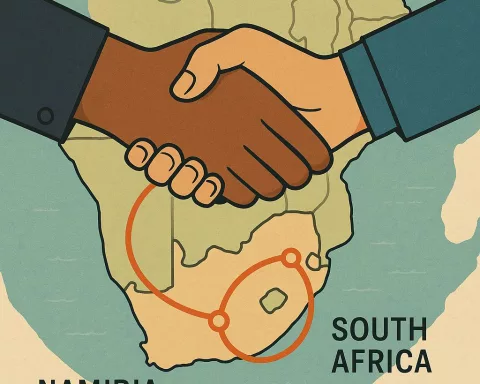
Internationally, crime in South Africa often becomes a lens through which outsiders view the country, sometimes distorting the true nature of the challenges faced by its people. The most prominent example of this dynamic occurred in May, during a high-profile meeting at the White House. There, South African President Cyril Ramaphosa and businessman Johann Rupert met with then-US President Donald Trump, who used the occasion to press controversial claims about white farmers and violence, injecting old wounds into new political debates.
International Spotlight: Politics, Perception, and Myth
The White House meeting was meant to foster stronger ties between the United States and South Africa, but the conversation took a different turn. Trump focused intensely on alleged violence against white farmers, a topic often sensationalized in some media outlets. During the encounter, he shared articles and video footage, including a controversial chant by Julius Malema, leader of the Economic Freedom Fighters, which many interpreted as incitement. Trump’s administration responded by signing an executive order that permitted a group of white South Africans to request asylum on the grounds of persecution.
Such actions, however, did not reflect the official South African position. Authorities in Pretoria have repeatedly denied that farmers, or any single group, face targeted violence amounting to genocide. Johann Rupert, whose family holds deep roots in South African business circles, stressed that crime is a problem affecting all communities. He argued for a broader perspective, one that recognizes the shared vulnerabilities faced by rural and urban South Africans of every background. Rupert’s appeal for a unified approach added nuance to the often-polarized way international observers discuss the issue.
The myth of “white genocide” has gained traction in some international circles, despite evidence to the contrary. Local and global experts have consistently rejected the idea that South Africa is engaged in systematic violence against any one group. Still, powerful storytelling and selective reporting – particularly on social media – can shape global perceptions and influence policy far beyond the country’s borders.
Land, Law, and Social Tensions
At the heart of the crime debate lies the enduring question of land. South Africa’s history of dispossession and forced removals has left profound scars. For many black citizens, land reform is not merely a policy preference but a moral necessity. Proposals to expropriate land without compensation represent an effort to right historical wrongs, though they also generate deep anxiety among those who fear economic instability and a repeat of Zimbabwe’s troubled redistribution.
Crime statistics reveal a complex reality. Both black and white farmers, as well as city dwellers and residents of informal settlements, face threats from organized criminal networks that often outmatch local law enforcement. Weak borders and widespread unemployment only compound these problems, making crime a symptom of deeper economic and social challenges. Rupert has pointed to illegal immigration as one factor aggravating rural crime, while others note the broader context of poverty and institutional fragility.
The South African courts have also become battlegrounds for debates around race and expression. Advocacy groups, like AfriForum, have sought to ban politically charged slogans, such as “Kill the Boer, kill the farmer,” arguing they constitute hate speech. The courts, including the Constitutional Court, have ruled otherwise, citing the need to consider historical context and protect free speech. These decisions have stirred intense debate, highlighting the unresolved tensions that continue to shape the national conversation.
Technology, Self-Help, and the Limits of Authority
As trust in official institutions has eroded, South Africans have turned increasingly to self-reliance. In rural provinces, farmers employ sophisticated security systems, from smart fences to emergency communication networks. Communities organize neighborhood watches and rely on digital platforms to stay informed and mobilize quickly in response to threats. In cities, residents often supplement police efforts with private security services and grassroots initiatives.
Johann Rupert has advocated for technological solutions, proposing the deployment of satellite internet and drones to help law enforcement respond more effectively. While such tools offer promise, they cannot replace the need for strong, trusted institutions. The proliferation of self-help strategies points to a society where the social contract is under strain, and many feel compelled to take safety into their own hands.
This reliance on parallel systems echoes broader artistic and cultural responses to South Africa’s challenges. Throughout history, artists and activists have used creative expression to make sense of trauma and provoke reflection. Today, those battles over meaning unfold not only in galleries and theaters but also in the digital spaces where narratives are shaped and contested.
Crossroads of Hope and Hardship
Beneath the surface of high-profile political debates, South Africans contend with harsh economic realities. Youth unemployment remains alarmingly high, fueling cycles of poverty and undermining social cohesion. Weak border enforcement and a steady influx of migrants strain public resources, heightening competition and stoking resentment. Rupert and other business leaders have framed crime as a reflection of deeper systemic problems that demand collective action.
Despite these hardships, South Africa’s cities and communities continue to demonstrate resilience and ingenuity. Informal networks of mutual aid help many survive when formal institutions fall short. The spirit of resourcefulness and creativity, reminiscent of historic periods like the Harlem Renaissance, remains a testament to the country’s enduring potential.
On the international stage, the South African government faces the delicate task of countering misrepresentations while addressing legitimate concerns about crime and instability. Each diplomatic encounter, such as the memorable White House meeting, becomes a test of the country’s ability to navigate old grievances, assert its narrative, and attract much-needed investment.
Ultimately, South Africa’s struggle with crime, inequality, and contested narratives reflects a nation in the midst of transformation. The debates surrounding land, safety, and identity are as much about imagining a new future as they are about reckoning with the past. In the tension between myth and reality, hope and hardship, South Africans continue to search for common ground – and a path forward that honors both their history and their aspirations.
What are the main causes of crime and social tensions in South Africa?
South Africa’s crime and social tensions stem largely from its apartheid legacy, economic inequality, and ongoing land disputes. Violent crime affects both urban and rural communities, while poverty, unemployment, and migration exacerbate social unrest. These deep-rooted issues are intertwined with historical injustices, leading to complex challenges that the government and society continue to grapple with.
What is the “white genocide” myth, and why is it controversial?
The “white genocide” myth claims that white South African farmers are being systematically targeted and killed in a campaign of racial violence. This narrative is not supported by official crime statistics or credible evidence and has been widely debunked by experts. Despite this, the myth persists internationally, fueled by selective media reporting and political rhetoric, which often distorts the broader reality of crime affecting all communities.
How does land reform influence social and political tensions in South Africa?
Land reform remains one of South Africa’s most sensitive and contentious issues due to the country’s history of forced land dispossession under apartheid. Efforts to redistribute land, including proposals for expropriation without compensation, aim to address historical inequities but also raise fears about economic stability and property rights. These debates often intersect with crime concerns and heighten racial and political divisions.
What role do private security and technology play in addressing crime in South Africa?
Due to limitations in law enforcement capacity and public trust, many South Africans rely on private security services, neighborhood watches, and advanced technologies like smart fences, drones, and emergency communication networks to protect themselves. Business leaders have advocated for innovative solutions such as satellite internet to enhance police responsiveness, but these measures highlight a broader challenge of institutional trust and social cohesion.
How does international perception affect South Africa’s efforts to tackle crime and social issues?
International narratives, sometimes shaped by misinformation or political agendas, can complicate South Africa’s diplomatic relations and internal policymaking. For example, the 2020 White House meeting between South African leaders and former US President Donald Trump brought global attention to controversial claims about white farmer violence, which South African authorities rejected. Such events underscore the delicate balance the country must maintain between countering myths and addressing real problems.
Despite these challenges, what gives hope for South Africa’s future?
South Africans demonstrate remarkable resilience, creativity, and community spirit amid adversity. Informal mutual aid networks, cultural expression, and ongoing political engagement reflect a strong desire to build a fairer and safer society. While economic hardships and social divisions persist, a shared commitment to transformation and dialogue offers a hopeful path toward reconciliation and progress.