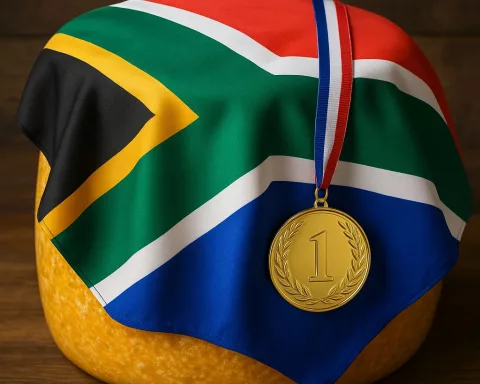
South Africa’s U20 team, Amajita, made history in Cairo by winning the 2023 CAF U20 Africa Cup of Nations after 28 long years. Their 1-0 win over Morocco was more than just a trophy – it was a powerful story of hope, hard work, and a bright future for young African footballers. Against all odds, they showed strength, skill, and heart, inspiring millions across the continent. This victory lights a new path for African youth football, proving dreams can come true with passion and unity.
What made South Africa’s U20 victory in Cairo a historic moment for African youth football?
South Africa’s U20 team, Amajita, won the 2023 CAF U20 Africa Cup of Nations by defeating Morocco 1-0, marking their first triumph in 28 years. This victory symbolizes resilience, youth development, and a new era for African football, inspiring future generations across the continent.
A Night Written in the Stars
Cairo’s International Stadium buzzed with anticipation as the South African U20 team, affectionately known as Amajita, prepared to seize a moment decades in the making. The warmth of the evening air carried not just the hopes of a squad, but the weight of a nation eager to see its young talents rewrite a familiar script. The final against Morocco wasn’t just another match – it felt like the unfolding of a new chapter in South Africa’s footballing story.
Long before the opening whistle, spectators sensed the magnitude of what might transpire. South Africa’s history in the CAF U20 Africa Cup of Nations had been punctuated by near-misses and heartbreak, most notably a painful defeat to Morocco twenty-eight years earlier. This time, the stage was set for redemption. The 1-0 victory over the North Africans did more than clinch a coveted trophy – it breathed new life into the country’s footballing ambitions and offered a beacon of hope for youth development across Africa.
What made this triumph so significant was not simply the lifting of silverware, but the journey Amajita took to reach the summit. Their path mirrored classic tales of adversity and resurgence, echoing the resilience deeply rooted in South African culture. This wasn’t just about the final scoreline; it was about a coming-of-age moment for a team and, potentially, for an entire continent’s approach to nurturing young footballers.
Trials, Triumphs, and the Spirit of Amajita
South Africa’s campaign began on rocky ground, as an opening loss to the host nation Egypt threatened to derail their tournament before it truly began. For a side haunted by past disappointments, such a setback could have easily cast a long shadow. Instead, the squad drew strength from their history, the memory of previous near-glories galvanizing a collective determination to turn the tide.
Amajita responded emphatically, dispatching both Tanzania and Sierra Leone with a blend of disciplined tactics and flashes of individual magic. They topped their group not just through grit, but through an unmistakable South African flair – a style that blended athletic determination with moments of creative improvisation. This ability to combine structure with artistry has long been a hallmark of the nation’s sporting DNA, drawing comparisons to the improvisational brilliance of jazz musicians.
The knockout phases introduced stiffer tests, with South Africa facing formidable opposition from DR Congo and Nigeria. In these high-stakes encounters, the team adopted a style that balanced defensive solidity with the threat of rapid counterattacks. Their approach blended lessons from historic footballing traditions – evoking Italian defensive mastery and the pragmatism of celebrated managers – while infusing it with their own brand of spirited, courageous play. Even under the immense pressure of elimination football, Amajita refused to be cowed by history or reputation.
Morocco’s Challenge and the Defining Battle
Morocco arrived in the final with their own compelling narrative. The North Africans had navigated a challenging road, boasting impressive group-stage performances and surviving tense duels against the likes of Nigeria and Egypt. Known for their technical prowess and tactical discipline, Moroccan teams have often set the standard for excellence in African football, merging European organizational principles with a distinct regional artistry.
The final itself delivered the drama befitting such a high-stakes clash. Both teams began cautiously, each probing for an opening, aware that a single mistake could tip the balance. The match unfolded as a tense struggle for supremacy, with each side employing tactical chess moves rather than reckless aggression. South Africa’s goalkeeper, Fletcher Smythe-Lowe, quickly emerged as an unlikely star. His agility and composure under pressure, highlighted by a fingertip save to deny Mouad Dahak and a commanding claim in a crowded penalty area, drew echoes of legendary goalkeepers.
As the second half wore on, the defining moment arrived. Morocco’s aggressive high press left them vulnerable, and Smythe-Lowe seized the opportunity with a precise, long distribution upfield. Shandre Campbell, whose intelligent movement had unsettled defenders throughout the tournament, latched onto the ball and orchestrated a perfectly timed assist for Thulani Kekana. Kekana finished coolly, sending the South African supporters into celebration – only for the linesman’s flag to silence the jubilation. In a suspenseful pause, the Video Assistant Referee reviewed the play, and ultimately, the goal stood. The emotional release for Amajita and their fans was palpable; three decades of frustration seemed to dissolve in that instant.
The closing stages tested South Africa’s nerves. Morocco threw everything forward, desperate to find a late equalizer. Othmane Maamma missed a golden opportunity, blasting over from close range, while Anas Zniti in the Moroccan goal denied a rapid break from Shakeel April. Substitute Thabang Mahlangu, showing the fearlessness of youth, nearly put the contest beyond doubt, only to be thwarted by a last-ditch block. Through it all, South Africa’s unity and maturity shone – the hallmarks of a team well-prepared by coach Raymond Mdaka and his staff, who instilled tactical discipline and unwavering focus.
Legacy, Inspiration, and the Dawn of a New Era
The final whistle sparked scenes of jubilation both in Cairo and across South Africa. For the players, many of whom grew up idolizing past legends, this victory represented a personal and collective dream realized. Their achievement went beyond winning a trophy; it validated years of effort and signaled a turning point for a footballing system often criticized for unfulfilled potential.
This triumph reached far beyond the confines of a single team. The journey from the heartache of 1997 to the redemption of 2023 closely mirrors the broader narrative of South Africa itself – a nation marked by resilience, diversity, and the relentless pursuit of a brighter tomorrow. The image of Amajita lifting the trophy, faces aglow with joy and disbelief, echoed other transformative moments in the country’s sporting past, from the 1995 Rugby World Cup triumph to the unity inspired by hosting the 2010 FIFA World Cup.
Elsewhere, the tournament’s drama underscored the growing competitiveness of African youth football. Nigeria’s penalty shootout win over hosts Egypt to claim third place highlighted both the depth of talent on the continent and the unpredictability that makes these championships so compelling. Throughout the competition, teams demonstrated not only individual brilliance but also a sophisticated tactical awareness, suggesting that African football is evolving rapidly on the global stage.
Parallels with artistic revolutions – such as the Harlem Renaissance – feel apt. Just as that movement reshaped perceptions of African-American creativity, today’s young African footballers are rewriting outdated narratives, showcasing technical skill, tactical intelligence, and emotional maturity. The performances in Cairo hinted at a broader transformation, one that bodes well for the future of African representation in world football.
The significance of South Africa’s U20 triumph will reverberate for years to come. For aspiring players in townships and cities, it provides tangible proof that dreams can be realized. Coaches and analysts will study the final for insights and inspiration, while families across the nation will remember where they were when Amajita scaled new heights. Above all, this victory is a testament to the limitless potential of African youth football – a signal that, across the continent, a new generation stands ready to make history their own.
FAQ: South Africa’s U20 Historic Victory at the 2023 CAF U20 Africa Cup of Nations
1. Why is South Africa’s U20 team’s victory in Cairo considered historic?
South Africa’s U20 team, known as Amajita, won the 2023 CAF U20 Africa Cup of Nations by defeating Morocco 1-0. This marked their first title in this competition in 28 years, ending a long wait since their last triumph. The victory symbolizes resilience, youth development, and a new era for African football, inspiring millions across the continent. It also restores South Africa’s reputation as a powerhouse in youth football and lights a path for future generations of African players.
2. How did Amajita’s journey through the tournament reflect their character and style?
Despite an opening loss to Egypt, Amajita bounced back strongly by defeating Tanzania and Sierra Leone to top their group. Their playing style combined disciplined tactics with creative flair, blending athleticism and improvisation – a hallmark of South African football culture. In the knockout stages, they balanced defensive solidity with rapid counterattacks, showing maturity and adaptability under pressure, which helped them overcome tough opponents like DR Congo and Nigeria.
3. What were the key moments in the final against Morocco?
The final was a tense tactical battle. South Africa’s goalkeeper Fletcher Smythe-Lowe played a crucial role with several key saves, maintaining composure under pressure. The decisive goal came in the second half when a swift counterattack led to Thulani Kekana scoring. After a VAR review, the goal was confirmed, sparking jubilant celebrations. Morocco pushed hard for an equalizer in the closing minutes, but South Africa’s defense held firm to secure the historic win.
4. Who were some standout players for South Africa during the tournament?
Goalkeeper Fletcher Smythe-Lowe stood out for his agility and crucial saves throughout the tournament. Shandre Campbell impressed with intelligent movement and playmaking ability, notably providing the assist in the final. Thulani Kekana’s clinical finishing secured the winning goal. Additionally, substitute Thabang Mahlangu demonstrated fearlessness and energy off the bench, nearly extending the lead in the final moments.
5. What does this victory mean for the future of African youth football?
This triumph is a beacon of hope and inspiration for young footballers across Africa. It underscores the importance of youth development programs and tactical sophistication in African football. The tournament also highlighted the growing competitiveness of youth teams from Nigeria, Egypt, Morocco, and others. South Africa’s success signals that with passion, unity, and investment in young talent, African nations can elevate their presence on the global football stage.
6. How does Amajita’s 2023 win connect with South Africa’s broader sporting and cultural history?
The victory echoes South Africa’s broader narrative of resilience, unity, and transformation. Just as the 1995 Rugby World Cup and the 2010 FIFA World Cup brought national pride and cohesion, Amajita’s win rekindles hope and pride in South African football. It also symbolizes the power of sport to inspire social change and forge a brighter future for the nation’s youth, much like other historic cultural renaissances that reshaped perceptions and opportunities.
If you want to learn more about African youth football’s evolution and South Africa’s rising stature in international football, feel free to explore related articles and follow upcoming tournaments where these young talents will continue to shine!